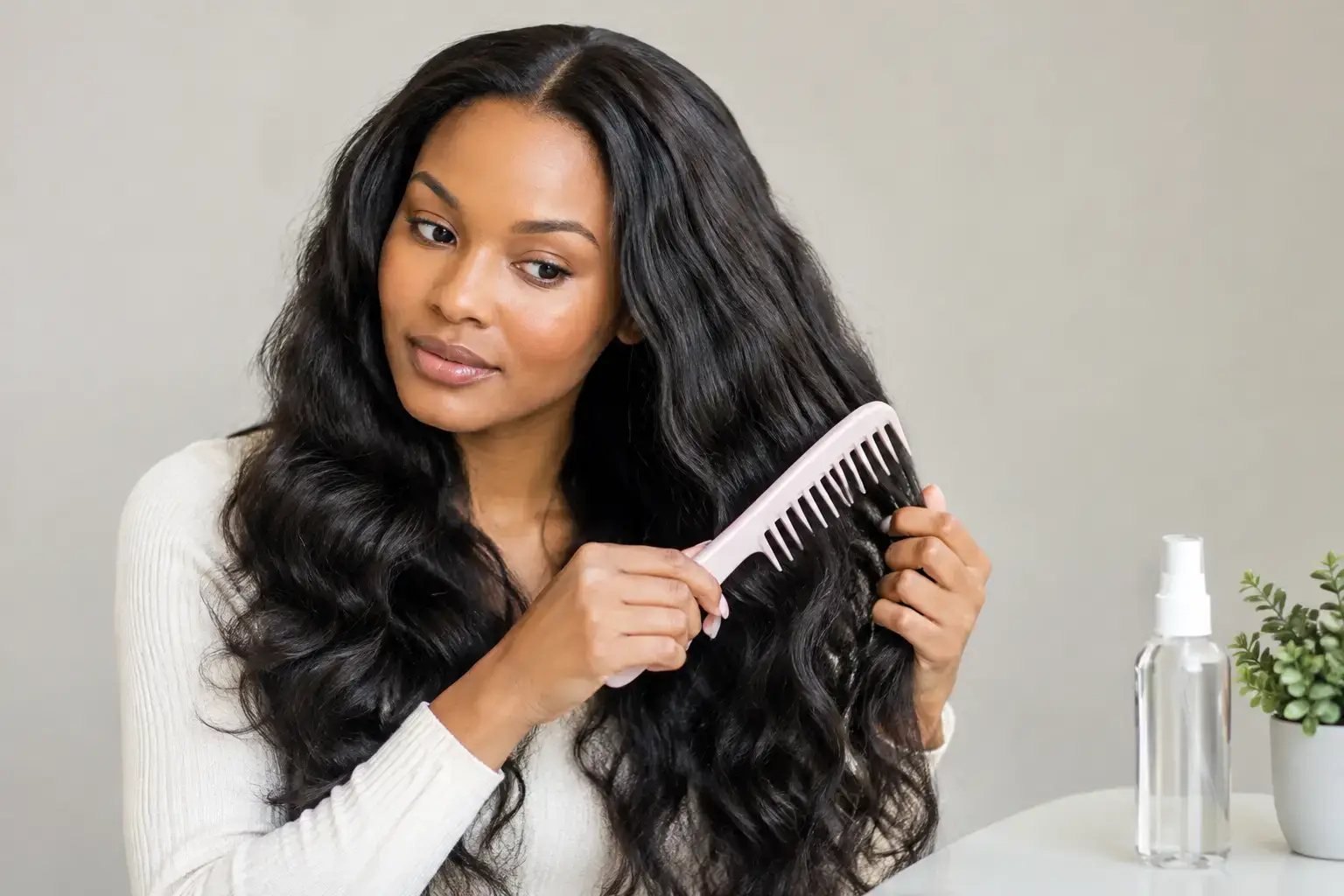

Learn how to fix wig frizz safely with simple care steps for synthetic and human hair wigs, plus signs it is time for a...


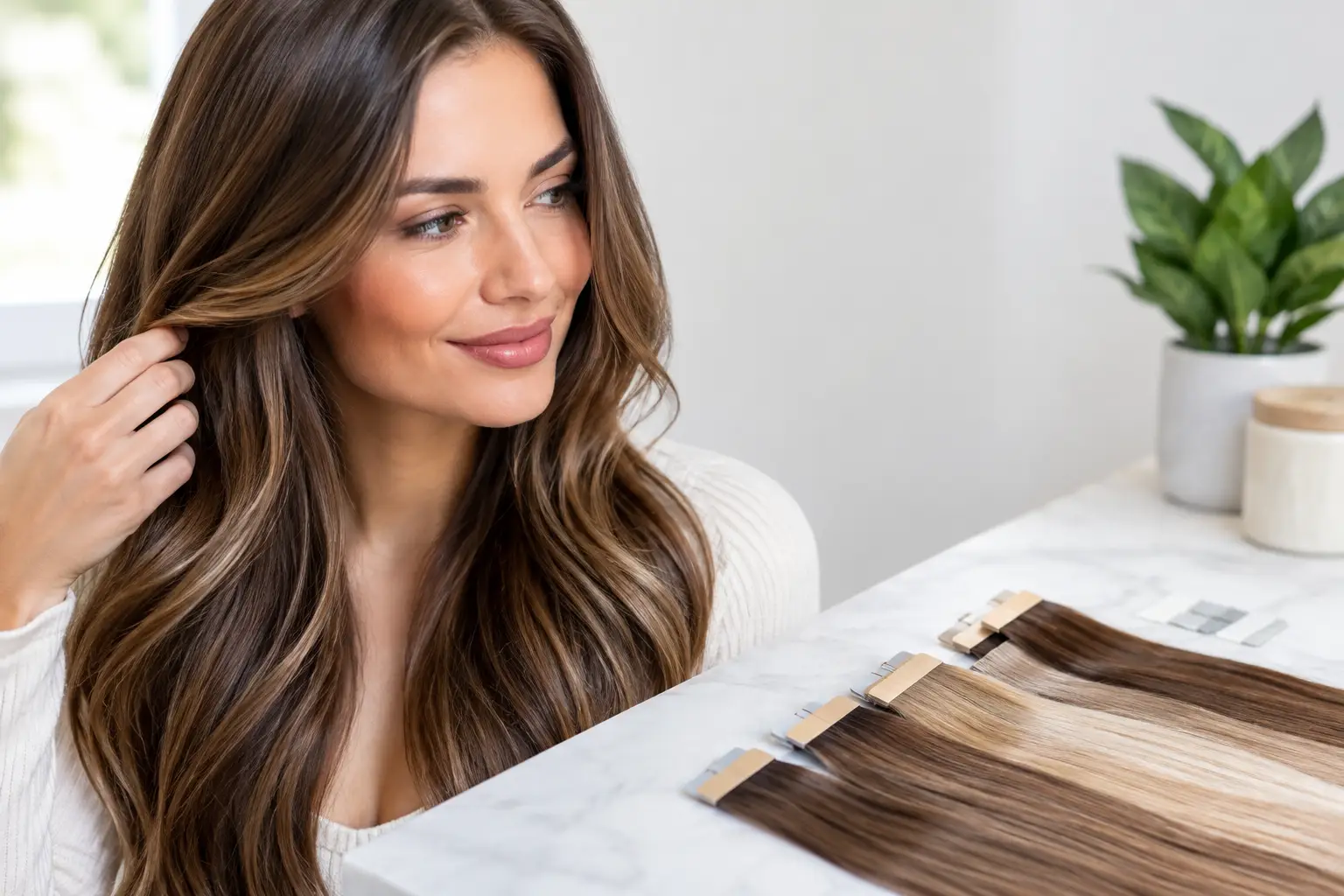
A great set of tape extensions should not announce itself when you turn your head, pull your hair into a low ponytail, or catch your reflection in bright daylight. This tape extensions review focuses on what actually affects the result: the quality of the hair, the placement of each panel, your natural hair condition, and the maintenance you are willing to keep up with.
Tape extensions can create polished length, soft volume, or both without the bulk of some other extension methods. They are popular for a reason. Still, they are not a one-size-fits-all service. The most beautiful result comes from matching the extension method to your hair, lifestyle, and comfort level rather than choosing based on length alone.
Tape extensions are thin wefts of hair secured with medical-grade adhesive tape. Your natural hair sits between two extension tabs, creating a flat, flexible bond close to the scalp. When they are applied correctly, the panels lie smoothly and move with your own hair.
Most clients notice the attachments for the first few days, especially when sleeping or wearing their hair up. That initial awareness should settle as you adjust. Constant pulling, headaches, sharp discomfort, or panels that feel too tight are not something to simply tolerate. They can mean the sections are too heavy, too close to the hairline, or not properly matched to the amount of natural hair available.
The biggest appeal is how discreet tape extensions can be. Because the tabs are wide and thin, they are often easier to conceal than thicker attachment points. They work particularly well for someone who wants fullness through the ends, a modest amount of extra length, or a smoother blend around layers.
The extensions themselves matter, but application is where a natural look is made or lost. A skilled stylist checks the density of the section before placing every sandwich. Too much extension hair on too little natural hair can create stress and visible separation. Too little hair in the section can weaken the bond.
Placement also needs room to move. Panels should not sit so close to the scalp that they pull, and they should be kept away from the very edges of the hairline and nape. This allows you to wear your hair down comfortably while protecting delicate areas that may be finer than the rest of your hair.
Color matching deserves the same attention. Natural hair rarely has one flat shade. A well-blended set may combine two or three tones to reflect highlights, lowlights, or rooted color. The goal is not necessarily to make every strand identical. It is to create the soft dimension that makes the extensions look like they grew there.
A cut after installation is equally valuable. Extensions that are simply added beneath blunt natural ends can look separate, even when the color match is excellent. Light shaping and face-framing layers can help the hair move as one style.
Human hair tape extensions usually offer the most flexible, realistic experience. They can be heat styled within appropriate temperature limits, curled, straightened, and blended with your own hair more easily than synthetic alternatives. The hair should feel soft without being overly coated in heavy silicone, which can make it seem perfect at first but less manageable after several washes.
Remy human hair is often preferred because the cuticles are aligned in the same direction. That alignment helps reduce tangling and keeps the hair looking smoother during wear. However, even excellent human hair needs gentle care. It has no natural scalp oils traveling down its length, so moisture and careful detangling matter.
The right choice also depends on your goal. If you want a temporary fashion change for an event, another option may make more sense than committing to tape extensions. If you want daily length or fuller ends that can be styled in different ways, high-quality human hair tape extensions are often worth the investment.
A typical tape extension installation is worn for around six to eight weeks before it needs to be removed and moved up. Your natural hair continues growing, so the tabs gradually sit farther from the scalp. Waiting too long can make them harder to manage and may increase tangling near the roots.
The same hair can often be reused for multiple installations if it is good quality and cared for well. Reusability is not guaranteed forever. Frequent high heat, harsh products, swimming, color changes, and rough brushing can shorten the life of the hair and compromise the adhesive tabs.
At home, the routine is straightforward, but it needs consistency. Brush gently two or three times a day with an extension-safe brush, supporting the hair near the roots as you work through the lengths. Keep conditioner and oil-based products away from the tape bonds, since product buildup can cause slipping. Apply moisturizing products from mid-length to ends instead.
Before bed, dry the root area completely and loosely braid or secure the hair in a low ponytail. Sleeping with wet extension roots can encourage tangling and put unnecessary pressure on the attachments. During exercise, a loose braid is usually kinder to both your natural hair and the extensions than a tight high ponytail.
Tape extensions are not always the best answer for thinning, fragile, or actively shedding hair. Someone with significant thinning at the crown, a very sensitive scalp, scalp conditions, or recent chemical damage may benefit from a different approach. A lightweight topper, custom wig, hair-attached hat, or carefully selected volume piece can provide coverage without relying on natural hair to support added weight.
This does not mean extensions are automatically off limits for fine hair. Fine hair can sometimes wear tape extensions beautifully when the panels are lightweight, the placement is conservative, and the stylist leaves enough natural hair around each bond. The key is an honest consultation. More hair is not always better hair.
If your goal is to protect your hair while it recovers from bleach, breakage, or heat damage, talk through your routine before booking. Extensions can help you feel polished during a grow-out period, but only when your scalp and strands can comfortably support them.
Ask how much hair is recommended for your desired result and why. A stylist should be able to explain whether you need a partial set for fullness or a fuller installation for added length. Ask about the origin and quality of the hair, whether it can be reused, and what products should stay away from the bonds.
It also helps to ask what your maintenance appointment will include. Professional removal is essential. Pulling tape extensions out at home can damage your natural hair. At Hair A La Mode, a personalized consultation can help you compare extension options, match color, and choose a service that feels comfortable for your routine.
Finally, be realistic about styling. Tape extensions can usually handle soft waves, straight styles, and low updos with ease. Very high ponytails, slick buns, and tiny exposed hairline styles may require more strategic placement or a different extension method.
Tape extensions are one of the best options for someone who wants a flat, natural-looking enhancement with professional flexibility. They can feel light, blend beautifully, and make everyday styling easier when the hair, color, and placement are right. Their trade-off is maintenance: they need regular move-up appointments, mindful product use, and gentle daily handling.
The best result is not necessarily the longest or fullest set in the chair. It is the one that lets you move through your day feeling comfortable, confident, and like yourself, with a little more of the hair you want.
Learn how to fix wig frizz safely with simple care steps for synthetic and human hair wigs, plus signs it is time for a...
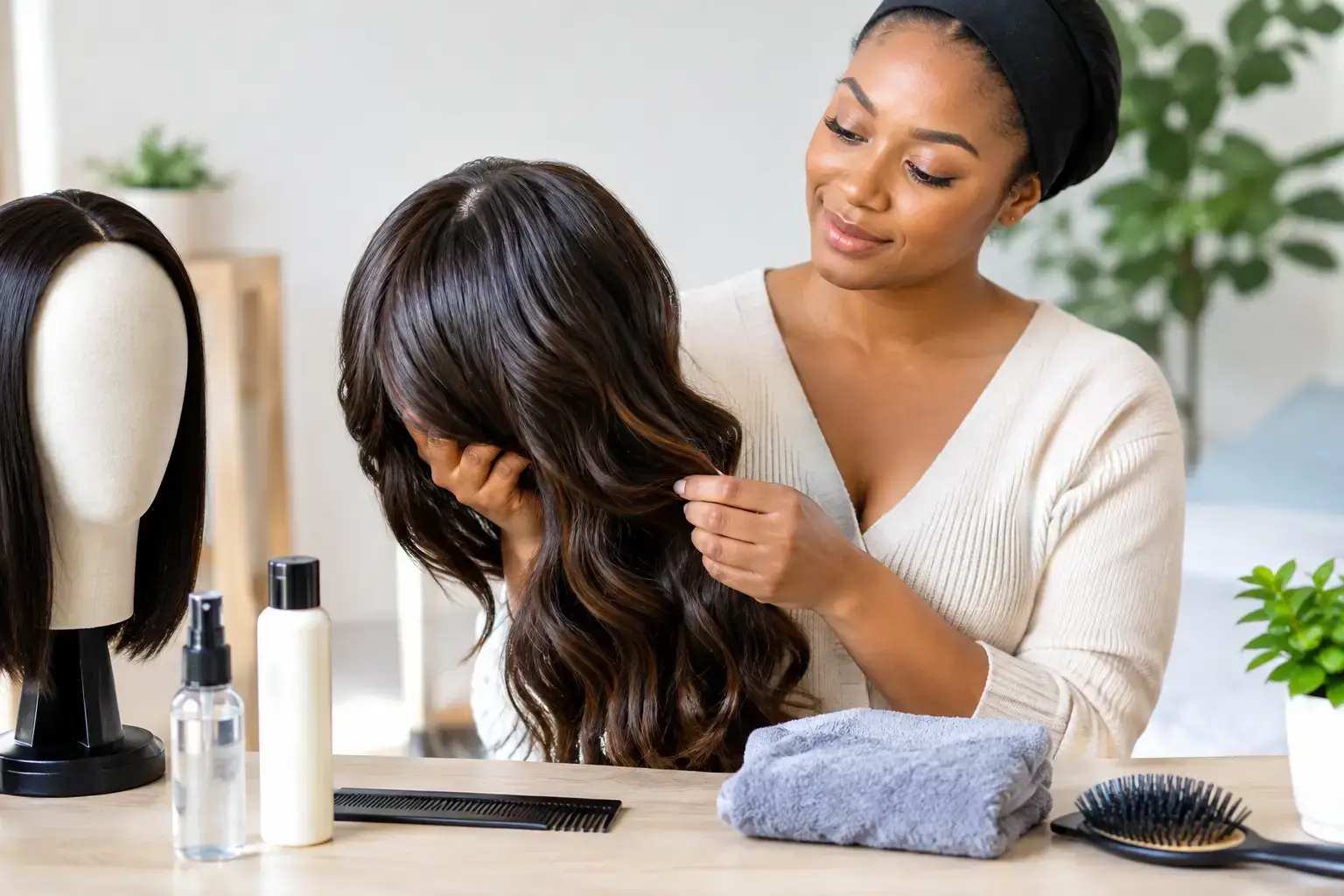
Get practical synthetic wig care tips for washing, detangling, storing, and heat styling so your wig stays comfortable, polished, and natural-looking, too.
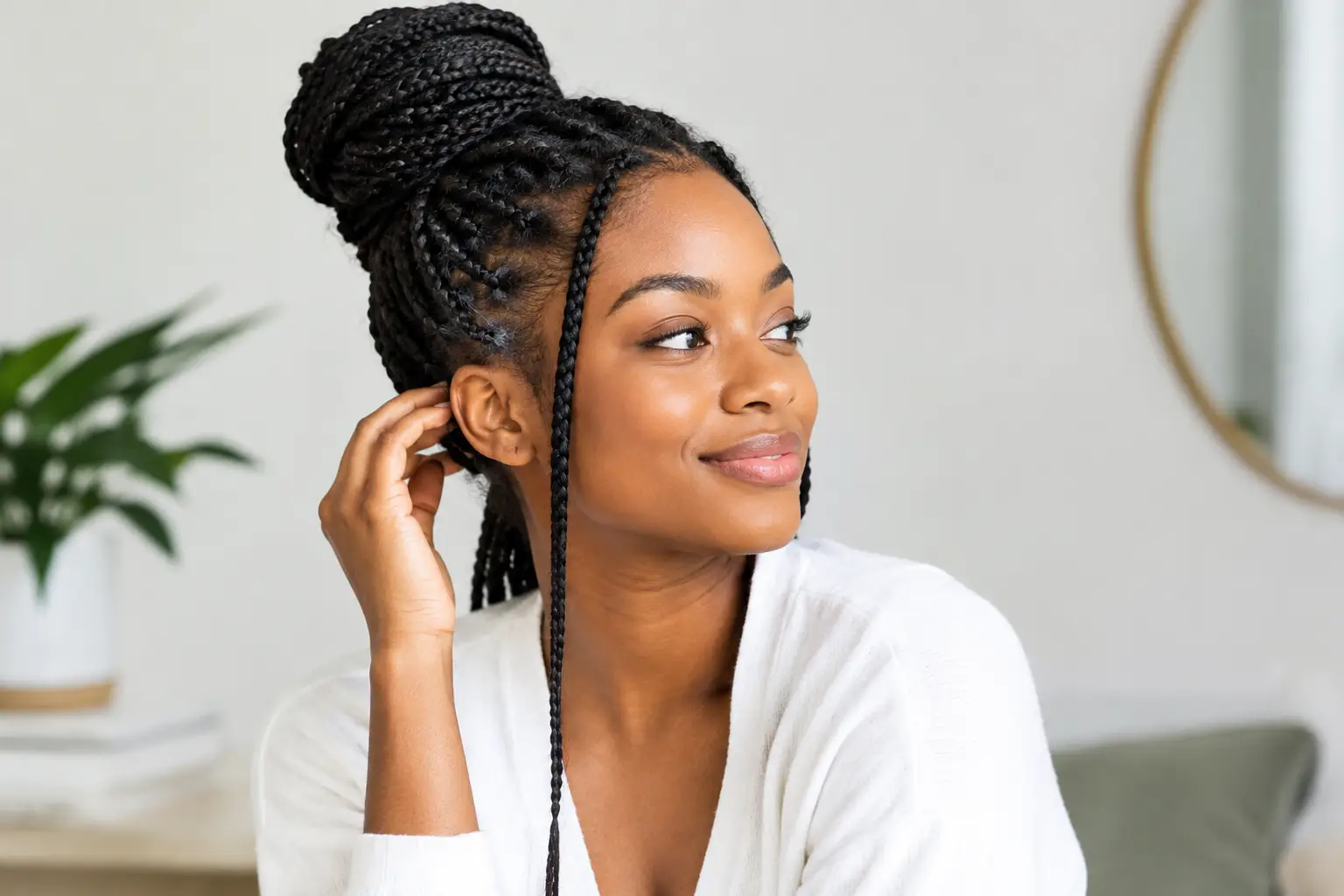
Protective style trends favor lighter tension, flexible wear, and natural finishes. Find a comfortable look that supports hair health and daily confidence.
