
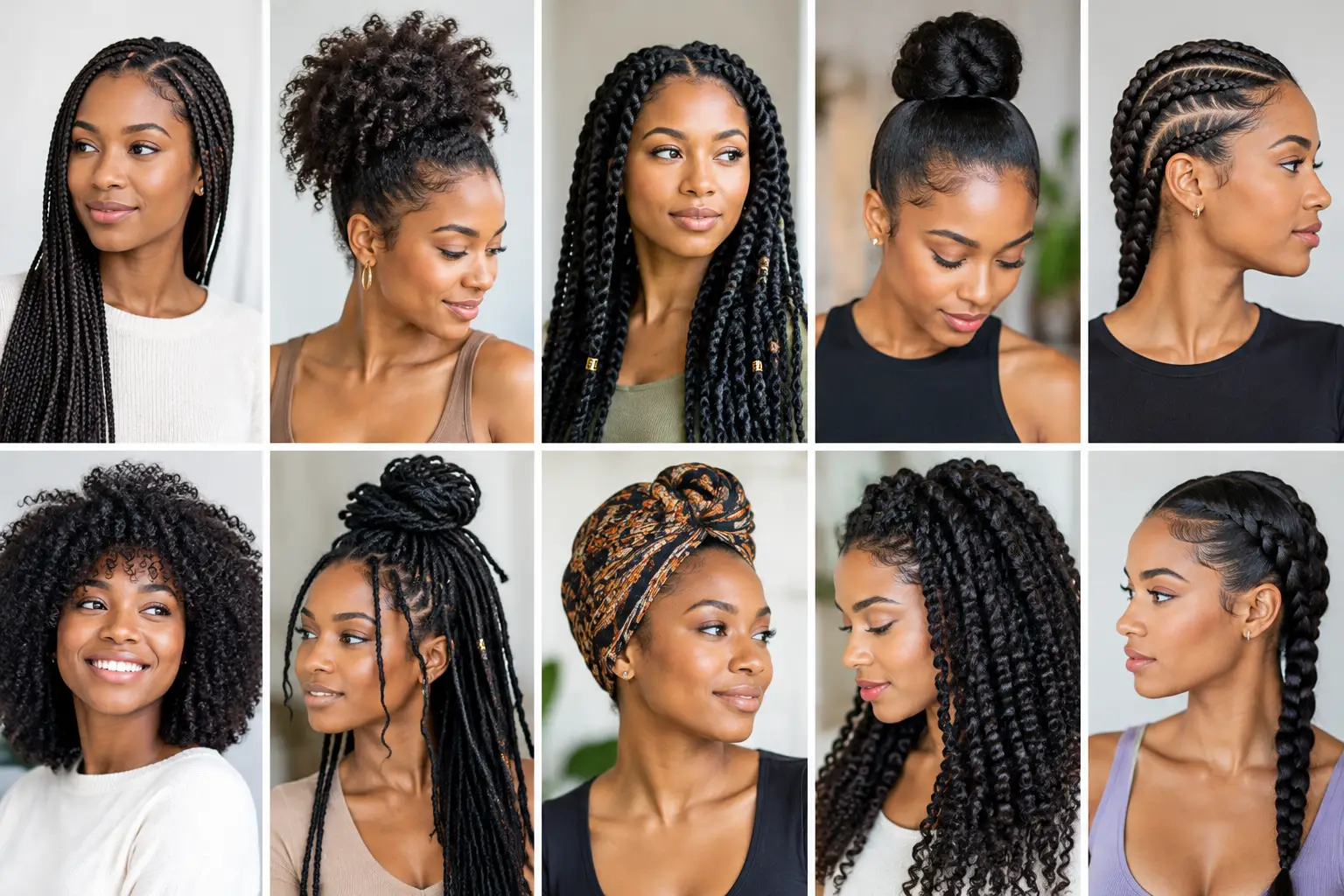

Find the best protective hairstyles for your texture, lifestyle, and comfort, with practical care tips for braids, wigs, twists, and low-tension looks.


A wig can look beautiful and still be the wrong choice if it leaves you counting the minutes until you can take it off. For anyone dealing with tenderness, itching, hair loss, scalp sensitivity, or irritation from past wig experiences, finding the best wigs for sensitive scalps starts with comfort, not just style. The right cap construction, fit, attachment method, and care routine can make wearing hair feel reassuring again.
Sensitive scalps are not all the same. One person may react to heat and friction, while another may feel discomfort from pressure near the temples, adhesives, rough seams, or a cap that shifts throughout the day. That is why a personal fitting matters. A comfortable wig should feel secure without feeling tight, look natural without requiring constant adjustment, and work with your everyday routine.
The most comfortable wig is usually not defined by one label, such as human hair or lace front. It is the combination of a gentle cap, a balanced fit, low-friction materials, and a secure attachment plan that suits your scalp and lifestyle.
A sensitive scalp often benefits from a soft, lightweight cap that does not have scratchy interior seams or bulky construction. Look for caps with smooth lining, breathable sections, and adjustable features that allow the wig to sit in place without excessive tension. A wig that is too loose can rub against the scalp as you move. One that is too tight can create headaches, pressure marks, and tenderness.
For customers with little or no hair, the interior of the cap becomes especially important. Even small details, such as exposed wefting, stiff elastic, or a rough lace edge, may be noticeable after a few hours of wear. A professionally fitted wig can be adjusted to reduce those pressure points before they become a daily frustration.
Soft-cap wigs are often a strong starting point for sensitive scalps because they are designed with comfort in mind. Their materials tend to be lighter and gentler against the head than heavily structured caps. They can be a practical choice for daily wear, particularly when your scalp is tender from hair thinning, treatment-related hair loss, or frequent irritation.
Hand-tied caps are another excellent option when natural movement and reduced bulk are priorities. Individual hairs are ventilated into the cap, allowing the hair to move more freely and reducing the dense feel that some machine-made constructions can create. They are typically more delicate and often cost more, but many wearers find the lighter, more flexible feel worthwhile.
A monofilament top can also add comfort and realism. It creates the appearance that hair is growing from the scalp and allows more flexible parting. This feature is especially helpful if you prefer to change your part or want a natural finish near the crown. It is not essential for everyone, but it can make a meaningful difference in both confidence and wearability.
Human hair wigs offer softness, versatility, and the ability to use heat tools when the hair is properly cared for. They can be cut, styled, and colored with professional guidance, making them a wonderful choice for someone who wants a long-term, personalized look. However, human hair requires regular washing, conditioning, styling, and maintenance. If daily styling feels like too much, the added flexibility may not feel like a benefit.
Synthetic wigs can be light, easy to wear, and ready to go with little styling. High-quality synthetic fiber can hold its style through humidity and busy days, which is appealing when you want dependable polish without extra effort. The trade-off is that most standard synthetic fibers should not be exposed to heat, and they may need professional care or replacement sooner than a well-maintained human hair wig.
For a sensitive scalp, fiber weight matters as much as fiber type. A heavy, dense wig can feel warmer and create more pressure, particularly if you wear it for long workdays or in Florida heat. A shorter style, a lighter density, or a breathable cap may provide more relief than simply switching from synthetic to human hair.
Lace-front wigs can create a lovely, natural-looking hairline, but lace is not automatically the best solution for every sensitive scalp. Some people find lace comfortable, while others notice itching or irritation along the forehead. Adhesive, tape, and frequent removal can also be difficult for skin that is reactive or fragile.
If you love the appearance of a lace front, ask for a fit that allows the lace to lie flat without pulling. Depending on your needs, a wig grip band, adjustable straps, or carefully placed combs may offer enough security without relying on adhesive. If you have active scalp irritation, open sores, sudden shedding, or an allergic reaction, pause wig adjustments and speak with a medical professional before adding tape or glue.
Many discomfort issues are fitting issues. It is tempting to tighten every strap because you are worried the wig will move, but overtightening can cause pain near the ears, nape, and hairline. Security should come from a well-matched cap size and the right support system, not constant tension.
During a fitting, pay attention to how the wig feels when you turn your head, look down, smile, and gently move your shoulders. These ordinary movements reveal more than a quick mirror check. The wig should stay stable without sliding, digging in, or creating a heavy feeling at one point on the scalp.
For some wearers, a soft wig grip band provides extra stability and creates a barrier between the cap and scalp. For others, it may feel too warm or add unwanted pressure. This is one of those details that truly depends on the individual. Trying different attachment options in person can save you from purchasing a wig that looks right but does not feel right.
At Hair A La Mode, private wig consultations can help identify cap styles, sizing adjustments, and practical comfort changes before you commit to a look. Custom wig work can also address concerns such as replacing clips and combs, adding a wig-grip band, repairing a cap, or adjusting the fit of a favorite piece.
Even the gentlest wig can become uncomfortable if product buildup, sweat, oils, or stretched straps are left unaddressed. Wash your wig according to its fiber type and use products made for human hair or synthetic hair as appropriate. Heavy household products may coat the fibers, make them stiff, and create heat or friction against the scalp.
Give your scalp attention, too. A clean, dry scalp is often more comfortable under a wig than one covered in heavy oils or layers of product. If you wear a wig cap underneath, choose a breathable option and wash it regularly. A cap that has become rough, stretched out, or product-coated can cause more irritation than the wig itself.
Watch for signs that a wig needs adjustment or repair:
Small repairs can make a major difference. Replacing worn hardware or correcting a loose cap early may extend the life of the wig while restoring the comfort you expected.
A sensitive scalp deserves more than a fast try-on under salon lighting. Wear the wig for several minutes. Check the hairline, the area behind the ears, and the nape. Ask whether the cap can be adjusted, whether the hair can be lightly thinned for less weight, and how it will feel after a full day.
Also consider your real routine. If you work long shifts, exercise, travel, or spend time outdoors, choose comfort features that fit those conditions. The best wig may be a polished human hair style for special occasions, a lightweight synthetic wig for everyday errands, or two pieces that serve different needs. There is no single right answer, only the option that helps you feel secure and like yourself.
The right wig should support your confidence without asking you to ignore discomfort. Start with a gentle cap, an honest fit assessment, and a style you are excited to wear. When comfort is treated as part of beauty, getting ready can feel less like a compromise and more like care.
Find the best protective hairstyles for your texture, lifestyle, and comfort, with practical care tips for braids, wigs, twists, and low-tension looks.

Learn how to remove wig adhesive gently, protect your skin and hairline, and clean your lace wig for a comfortable, confident next wear at...

Do wigs cause headaches? Learn how fit, pressure, heat, and styling affect comfort, with practical ways to wear your wig pain-free every day with...
