
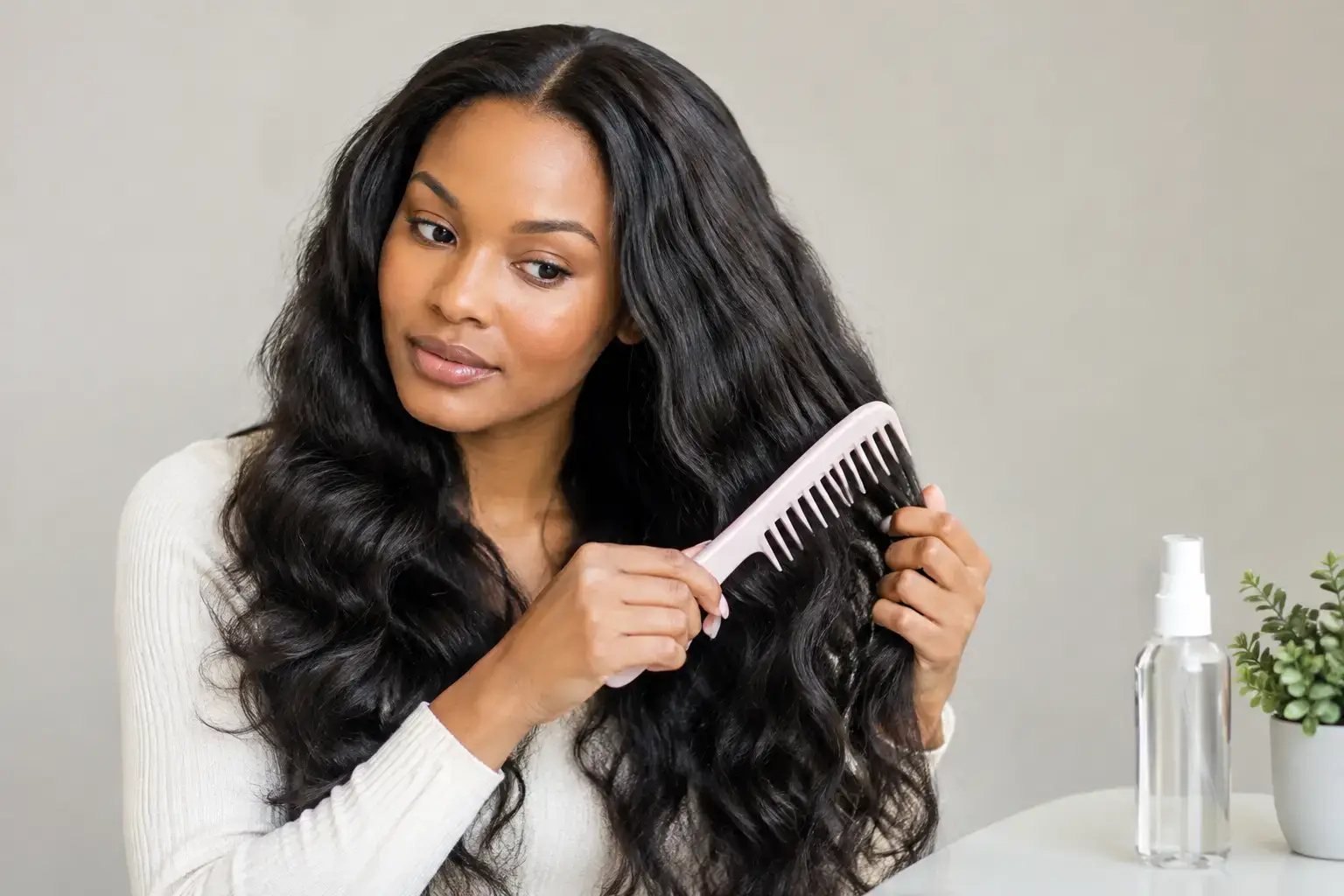

Learn how to fix wig frizz safely with simple care steps for synthetic and human hair wigs, plus signs it is time for a...


A lace wig can make the difference between hair that simply covers and hair that feels like you. In this lace wig review, we look beyond the product photos and focus on what truly affects a natural hairline, comfortable wear, realistic movement, and your confidence when you leave the house.
The right lace wig is not automatically the most expensive one, the longest one, or the one with the most dramatic density. It is the wig that suits your lifestyle, skin comfort, head size, styling habits, and personal vision. For some women, that means an easy, ready-to-wear style with a soft fringe. For others, it means a custom-fitted human-hair wig with a carefully blended hairline and part.
“Lace” describes the sheer material at the front, top, or throughout the cap where hairs are individually attached. Its job is to create the appearance that hair is growing directly from the scalp. When the lace tone, hairline, and placement are right, it can be very difficult to tell where the wig begins.
A lace-front wig has lace along the front hairline, usually allowing you to wear hair away from your face or create a front part. It is a practical choice for many first-time wig wearers because it offers a natural-looking front without requiring the maintenance or cost of a full-lace cap.
A full-lace wig has lace across the entire cap. It can offer more styling flexibility, including updos and high ponytails, but it requires greater care and often a more precise installation. A closure or lace-top wig places lace in a smaller area, typically around the part, which can be ideal if you prefer a lower-maintenance style or do not need a fully exposed hairline.
There is no single best option. If you wear your hair down most days and want a polished, believable front, a lace-front wig may be more than enough. If you love changing your part, wearing swept-back styles, or need a very specific look for daily wear, additional lace coverage may be worth the investment.
A convincing lace wig is built from small details, not one feature alone. The lace should lie flat and blend as closely as possible with your skin tone. The knots at the hairline should not look overly dark or bulky. The hair density should also match the style and your facial features.
More density is not always better. A very dense wig can look glamorous in photos, but it may feel warm, heavy, or less believable for everyday wear. A softer density around the front with fuller lengths often gives a more natural result. Thoughtful layering, face-framing pieces, and a realistic part can make a wig look lighter and more like your own hair.
Hair quality matters just as much. Human hair generally offers the greatest flexibility for heat styling, coloring, and movement. With professional care, it can be reshaped to suit you over time. However, human hair needs regular conditioning and careful styling, much like bio hair.
Synthetic hair is often easier to maintain because it holds its style after washing. It can be an excellent choice for a polished bob, layered cut, or occasional wear. The trade-off is that standard synthetic fibers have limited heat tolerance and cannot usually be colored. Heat-friendly synthetic hair offers more styling options, but it still needs low temperatures and gentle handling.
Even beautiful hair will not feel right if the cap is loose, tight, or poorly balanced. A cap that shifts can create anxiety throughout the day, especially if you are new to wigs or experiencing hair thinning or loss. A cap that is too tight can cause pressure, headaches, and irritation along the hairline.
Measure your head before ordering whenever possible. Most wigs have adjustable straps, and some include combs, clips, or elastic bands, but these features do not replace proper sizing. If your scalp is sensitive, you may prefer a soft, lightweight cap with minimal internal hardware. If you have little or no natural hair, a wig grip band or professionally placed elastic band can add security without relying heavily on adhesive.
A private fitting is especially helpful when you are unsure about size, color, or attachment. At Hair A La Mode, wig consultations can help you compare cap construction, try on styles, and discuss custom adjustments without pressure. That personal step can prevent the common disappointment of buying a wig that looks good in a photo but does not feel comfortable in real life.
A lace wig does not always need glue. Many women choose glueless wear using adjustable straps, an elastic band, clips, or a wig grip. This is convenient for daily removal and can be kinder to a delicate hairline.
Adhesive may be useful when you want a very secure, long-wear finish or plan to wear the hairline fully exposed. But it comes with responsibility. Skin must be clean, products must be compatible with your skin, and removal should never be rushed. Pulling at lace or skin can damage the wig, irritate the scalp, and weaken fragile natural hair.
If you are managing hair loss, scalp sensitivity, or a medical treatment, ask for guidance before using adhesive. Comfort and scalp health should always come before a perfectly melted hairline.
Before choosing a lace wig, look past the overall style and ask practical questions. Is the lace soft enough for regular wear? Does the cap have adjustable features? Can the part be moved? Is the hair heat-safe, and if so, what temperature is recommended? Will the color work against your complexion in daylight, not just indoor lighting?
Also consider how much upkeep you can realistically give it. A long, light-colored human-hair wig may be beautiful, but it will need more attention than a short synthetic style. If you travel often, exercise regularly, or want a quick morning routine, choose a style that supports that reality.
It is also wise to ask whether the wig can be customized. A professional can trim lace, reshape the cut, thin density where needed, add bangs, adjust the cap, replace clips or combs, and refresh a worn style. Wig repair and restyling can extend the life of a piece you already love, especially when the hair itself is still in good condition.
Lace is delicate. Avoid pulling it, brushing aggressively at the hairline, or sleeping in a wig unless it is designed and installed for extended wear. When removing a lace wig, support the cap rather than tugging from the front edge.
Wash only when there is visible product buildup, odor, or a loss of movement. Use products suitable for the fiber type. Human hair benefits from moisturizing shampoo, conditioner, and a heat protectant before hot tools. Synthetic hair needs formulas made for synthetic fibers, since regular products can create buildup and weigh the strands down.
Store the wig on a stand or mannequin head when possible, away from direct sunlight and heat. Before storing, gently detangle from the ends upward. A few minutes of careful maintenance after each wear can prevent matting, stretched lace, and unnecessary shedding.
For many women, yes – especially when a natural hairline, styling flexibility, and personal confidence matter. But a lace wig is worth it only if the cap, hair type, and maintenance level fit your needs. A less complicated wig that you feel comfortable wearing every day can be a better choice than a high-maintenance piece that stays in its box.
Give yourself permission to choose the style that feels most like you, whether that is a subtle shoulder-length cut, soft curls, a protective option during hair recovery, or a bold new color. The best lace wig should not make you feel like you are hiding. It should help you feel ready to be seen.
Learn how to fix wig frizz safely with simple care steps for synthetic and human hair wigs, plus signs it is time for a...
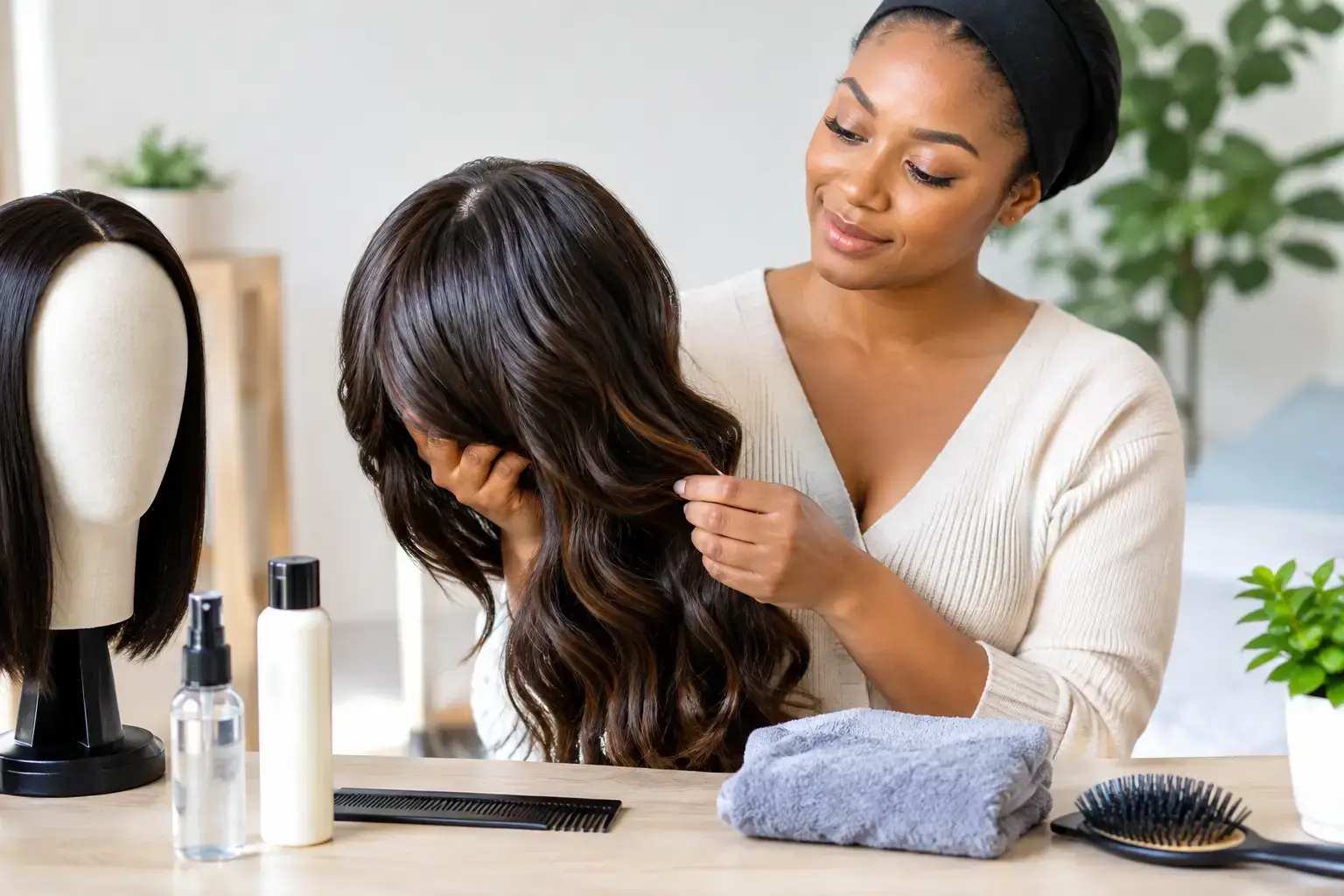
Get practical synthetic wig care tips for washing, detangling, storing, and heat styling so your wig stays comfortable, polished, and natural-looking, too.

Protective style trends favor lighter tension, flexible wear, and natural finishes. Find a comfortable look that supports hair health and daily confidence.
