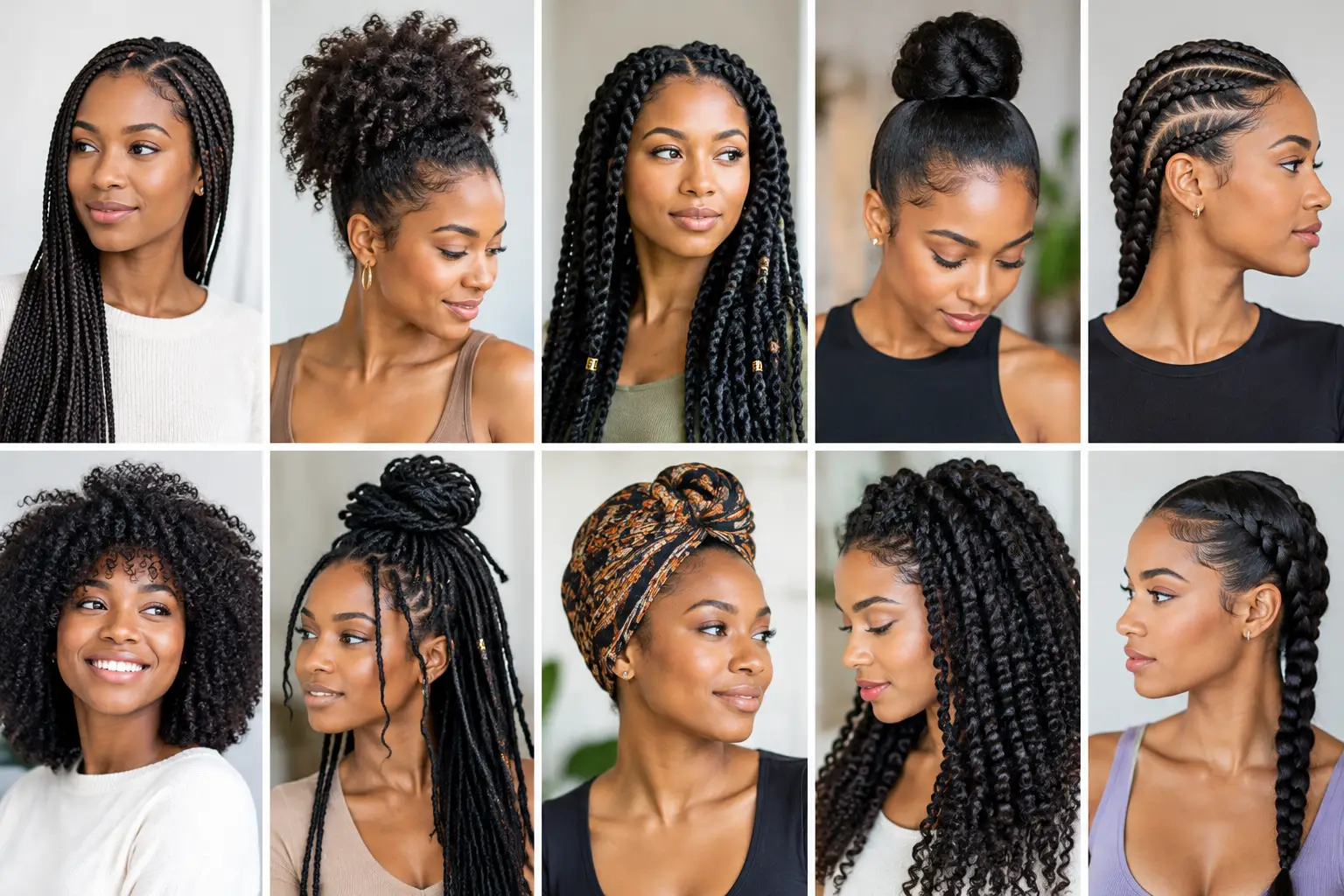

Find the best protective hairstyles for your texture, lifestyle, and comfort, with practical care tips for braids, wigs, twists, and low-tension looks.


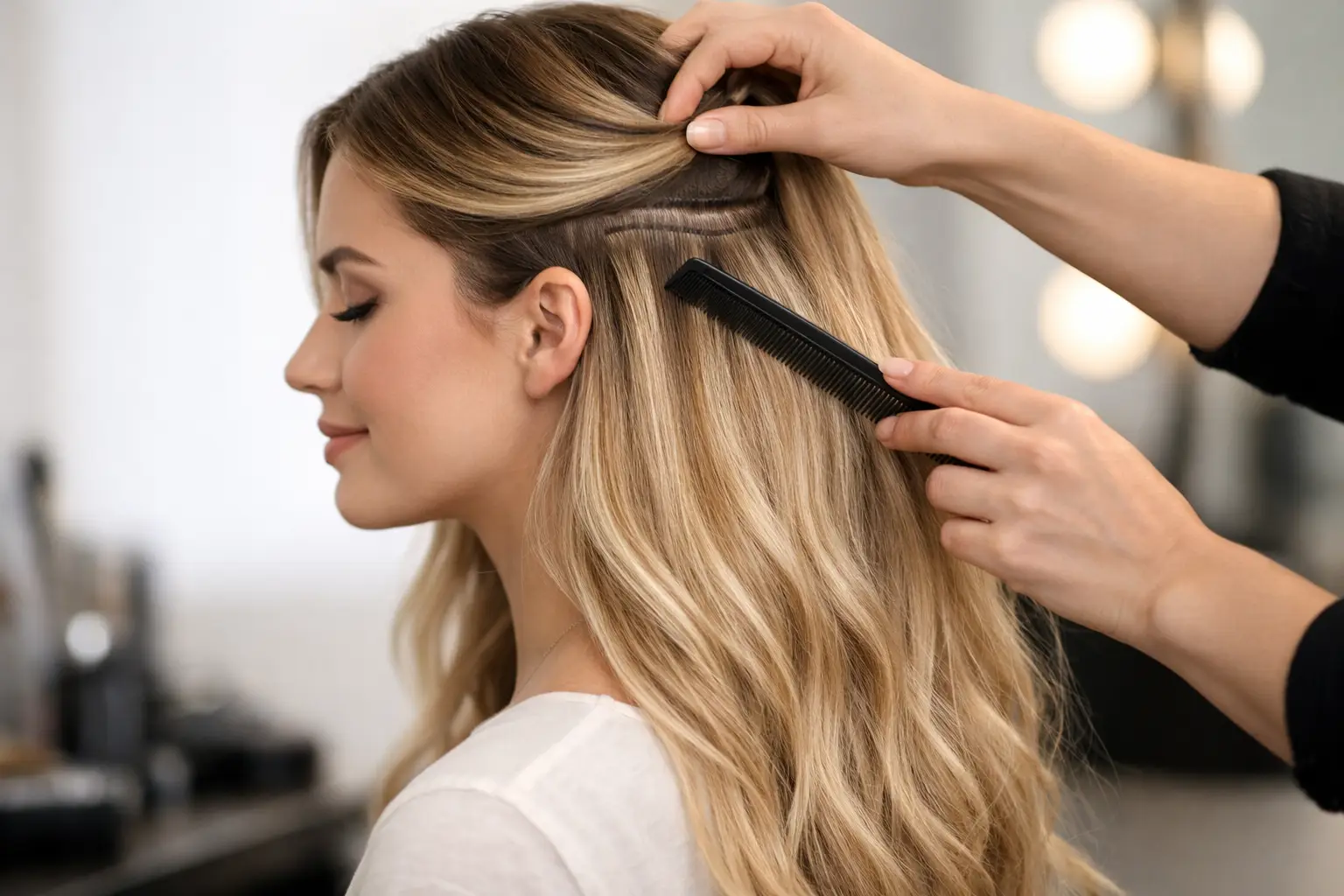
Extensions should disappear into your own hair, not sit on top of it like a separate style. Learning how to blend extensions starts before you place a single clip: the color, texture, length, and haircut all need to work together. A little attention to these details can turn added hair into fullness and length that feels comfortable, believable, and completely yours.
The easiest blend begins with extensions that are close to your natural hair in both color and texture. Match the ends and mid-lengths of your hair rather than the roots. Roots are often darker, especially when hair has grown out, been colored, or naturally lightened through the lengths.
If your hair has dimension, one solid extension color can sometimes look flat. Consider mixing two neighboring shades, such as a base shade with a slightly lighter piece around the face. This creates the soft variation found in natural hair. If you are choosing online, compare photos in indirect natural light when possible. Indoor bathroom lighting can make warm hair look ashier and cool hair look brassier than it really is.
Texture matters just as much as color. Straight extensions can look obvious under naturally wavy or curly hair, even when the color is perfect. Choose a texture that resembles your own hair after you normally style it. For example, someone who wears a smooth blowout most days may prefer silky straight extensions, while someone who wears loose waves may get a more natural result from body-wave hair.
Human hair extensions generally offer more flexibility for heat styling, custom coloring, and long-term wear. Quality synthetic options can be beautiful for occasional wear, but heat settings and styling methods must follow the manufacturer’s guidance. Do not assume a synthetic fiber is heat-safe.
A blunt natural haircut paired with very long extensions creates a hard shelf where your hair ends. The difference is especially noticeable when you turn your head, wear your hair forward, or put it in a low ponytail. The solution is not always more extensions. Often, it is thoughtful layering.
Start by placing the extensions, then assess the full shape with your hair down. If your natural ends look dense and blunt over the extensions, a stylist can soften the transition with long layers, light point cutting, or face-framing pieces. The goal is to connect the lengths without removing more of your natural hair than necessary.
Avoid cutting extension hair before you have tested the placement and styling. Once hair is cut, you cannot add the length back. If you are new to extensions, it is worth having the first blend cut done professionally. A salon can shape your natural hair and extension hair together so the result works when you wear it straight, curled, or loosely pinned back.
The amount of layering depends on your hair density. Fine or thinning hair usually benefits from gentle, longer layers. Too much texturizing can make the natural hair look even more sparse. Thick hair may need more internal blending so there is not a visible line between the natural hair and added hair.
Good placement gives extensions a secure base and enough natural hair to cover the wefts. Begin with clean, dry hair. If your hair is very soft or freshly conditioned, a light texturizing product at the roots can give clips more grip.
Create a horizontal part from ear to ear near the lower back of your head. Clip the widest weft into this section, keeping it about one inch above the nape so it does not show when you move. Release a layer of your own hair over it, then create the next part slightly higher.
Do not place wefts too close to the hairline, temples, or crown. Those areas need enough coverage to hide the clips and weft edge. Leave at least one to two inches of natural hair around the perimeter, adjusting based on your hair density. If you have fine hair, use fewer pieces and focus on strategic fullness rather than trying to wear every weft in a set.
Before closing each clip, gently tease the root only where the clip will sit if you need extra hold. This is helpful for silky, fine hair, but it should be done lightly. Heavy teasing can cause tangling and makes removal harder at the end of the day.
For tape-ins, sew-ins, bonded extensions, or other semi-permanent methods, placement should be customized by a trained professional. These methods can be excellent for consistent volume, but incorrect tension or placement may put stress on your natural hair. Comfort matters: extensions should feel secure, not painful, tight, or headache-inducing.
The most convincing blend happens when your natural hair and extensions are styled as one. Rather than curling your hair first and the extensions separately afterward, create loose sections that include both. This helps the pattern flow from your roots through the ends.
For a polished wave, use a curling iron or wand on medium sections, alternating the curl direction through the back and keeping the front pieces angled away from the face. Let the curls cool before brushing through with a wide-tooth comb or your fingers. A light finishing spray can hold the shape without making the hair stiff.
For straight styles, smooth your natural hair and extensions together using a heat protectant and the lowest effective temperature. Run the tool down each section slowly rather than making repeated passes. If your natural hair has a stronger wave than the extensions, a smooth blowout before clipping in the hair may create the most natural base.
A simple trick for visible shorter layers is to use a small amount of styling cream on the ends of your natural hair, then twist or bend those pieces into the extension hair. This gives the layers direction and helps them settle into the longer lengths. Be careful with oil-heavy products near clips or tape tabs, since they can affect grip.
A blend that looks perfect from the front can reveal a weft at the back or a short layer at the side. Use a hand mirror, take a quick photo, or ask someone you trust to check the back before you leave home. Look for visible clips, sharp lines at the ends, and uneven fullness from side to side.
Move normally during this check. Tilt your head, tuck your hair behind your ears, and run your fingers gently through the lengths. If a weft shifts or feels exposed, remove it and reposition it slightly lower or farther inward. More hair is not always better. A lighter, well-placed set often looks more natural than a full set that is difficult to conceal.
Wind, humidity, and your usual part can change how extensions behave. If you wear a deep side part, place more coverage on the heavier side. If you love high ponytails or half-up styles, choose extension placement and attachment methods that suit those looks. Clip-ins are versatile, but they are not ideal for every tight updo.
Extensions that are dry, tangled, or dull will stand out, even with excellent placement. Brush them gently from the ends upward before and after wear, holding the hair near the clips so you do not pull. Remove clip-in extensions before sleeping, showering, swimming, or exercising heavily.
Wash extensions only when they have product buildup or no longer move softly. Use lukewarm water, a gentle shampoo, and conditioner through the mid-lengths and ends. Let them air-dry flat when possible. Heat styling less often, using heat protection, and storing them clean and dry will help preserve the texture and shine.
If your extensions no longer match because you changed your hair color, do not rush to color them at home. Human hair extensions may be adjusted carefully, but prior processing and the desired shade affect what is realistic. A professional color consultation can help you decide whether toning, lowlights, or new pieces will create the best match.
You can achieve a beautiful everyday blend at home, especially with clip-ins and a few styling tools. Still, professional help is valuable when your hair is very fine, has experienced breakage, is transitioning between colors, or you are wearing extensions for a special event. It is also a smart choice if you are managing hair loss and want a private, gentle consultation focused on comfort and coverage.
At Hair A La Mode, a personalized extension appointment can help you choose the right density, placement, color combination, and blend cut for your lifestyle. The right solution should support your confidence without asking your natural hair to do more than it can safely handle.
Your extensions should feel like an option, not a disguise. Take a moment to adjust the placement, soften the layers, and style the hair together. That extra care is what makes the finished look feel natural when you catch your reflection from any angle.
Find the best protective hairstyles for your texture, lifestyle, and comfort, with practical care tips for braids, wigs, twists, and low-tension looks.
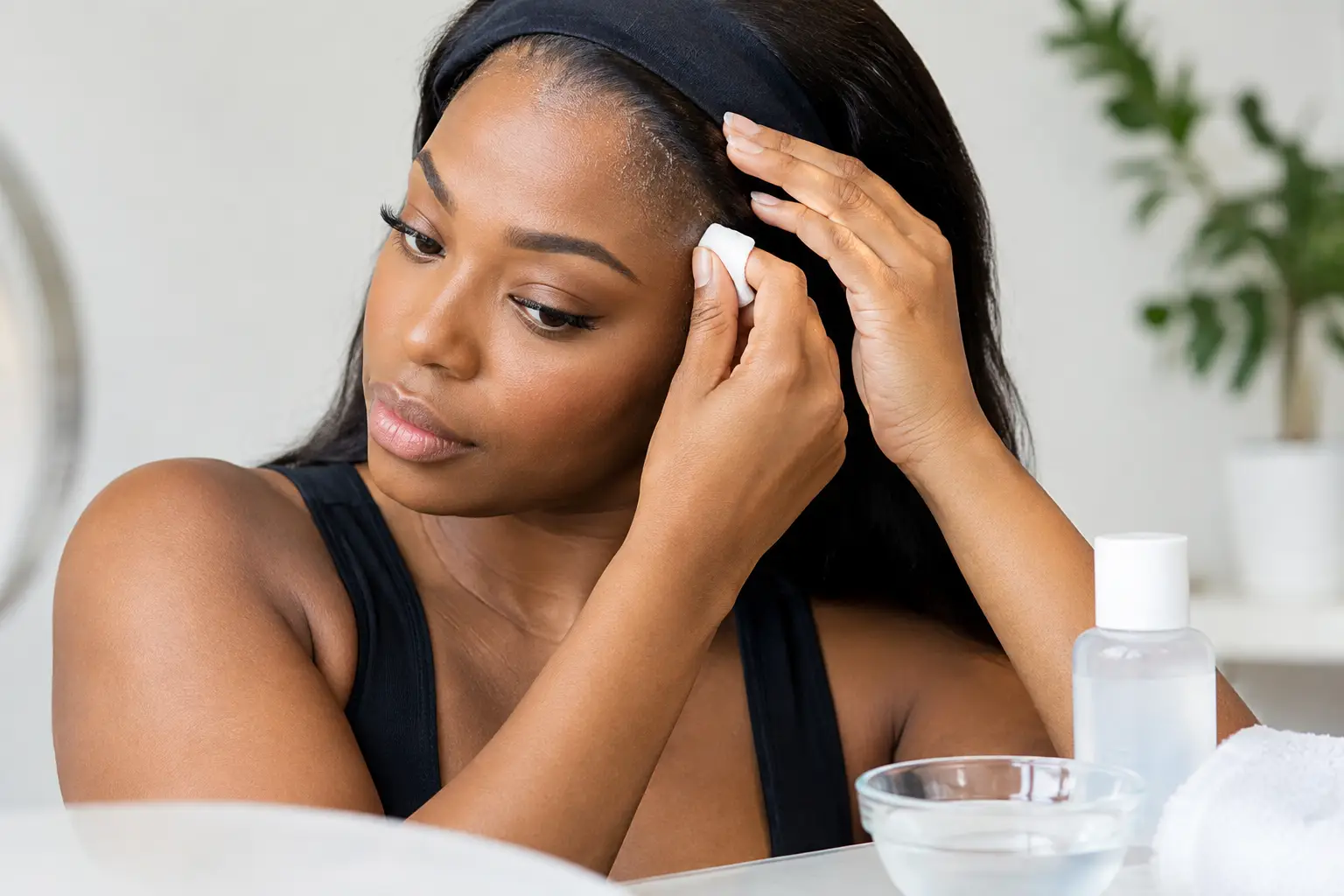
Learn how to remove wig adhesive gently, protect your skin and hairline, and clean your lace wig for a comfortable, confident next wear at...

Do wigs cause headaches? Learn how fit, pressure, heat, and styling affect comfort, with practical ways to wear your wig pain-free every day with...
