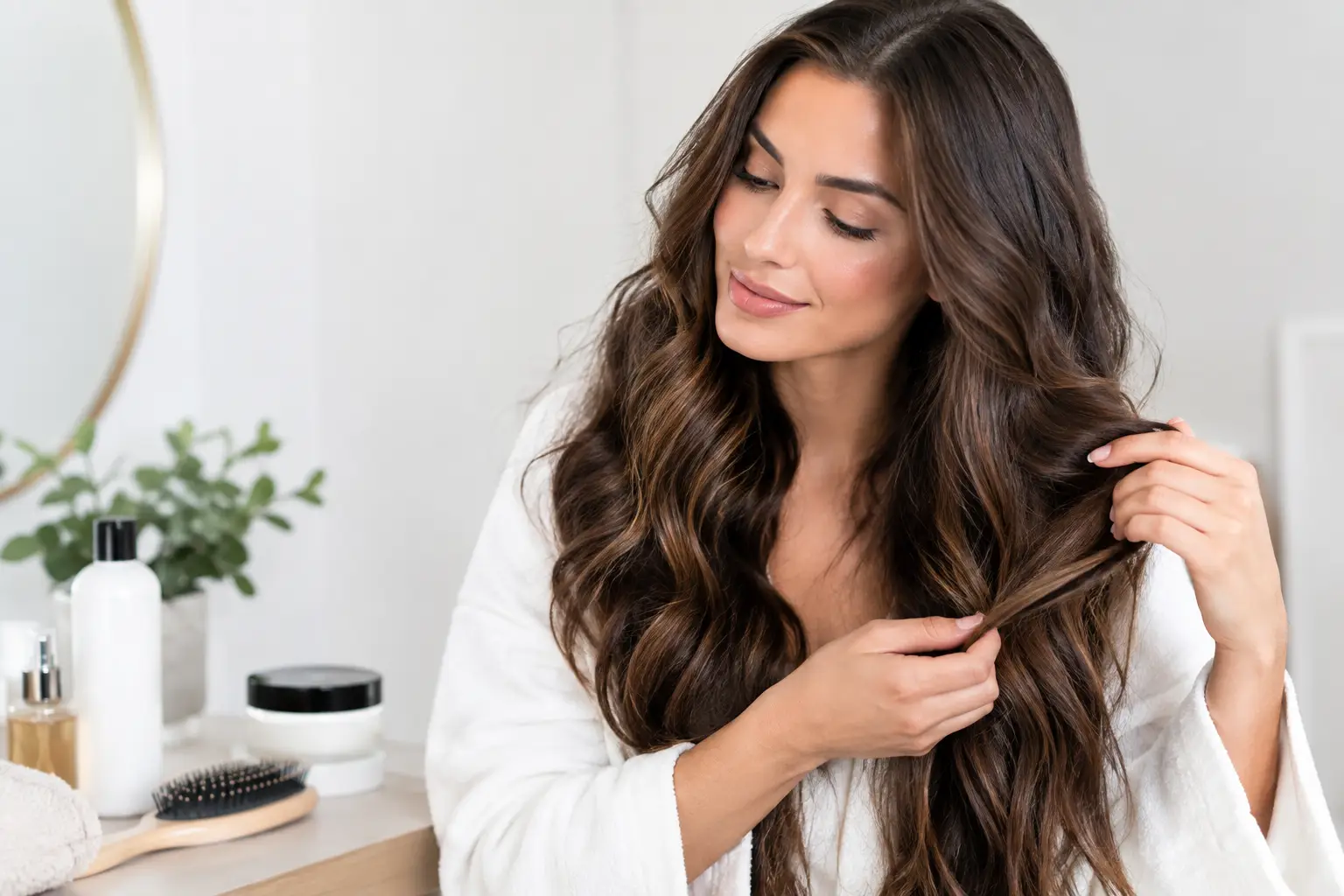
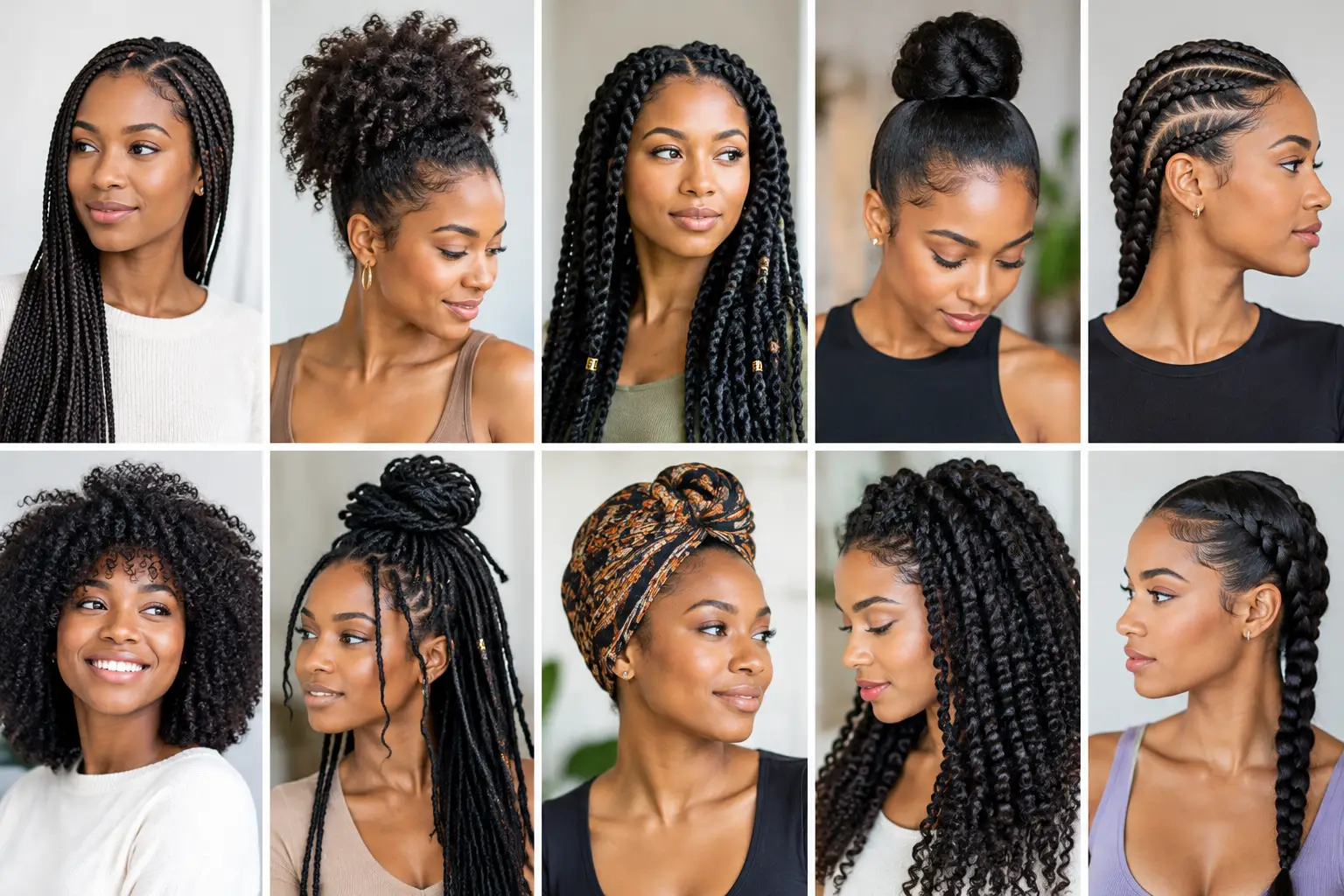

Find the best protective hairstyles for your texture, lifestyle, and comfort, with practical care tips for braids, wigs, twists, and low-tension looks.


The first snag you feel, the first time your extensions look dry, or the moment they stop blending the way they did on day one can be frustrating. Knowing how to maintain extensions helps protect the investment you made in fuller, longer, more confidence-boosting hair. With the right routine, your extensions can stay soft, comfortable, and beautifully natural-looking between salon visits.
The exact care routine depends on whether you wear tape-ins, keratin bonds, sew-ins, clip-ins, hand-tied wefts, or a halo-style piece. Your natural hair texture, lifestyle, workout habits, and the type of extension hair all matter too. Still, a few gentle habits make a meaningful difference for nearly every type of extension.
Extensions do not receive natural oils from your scalp the way your own growing hair does. That is why human-hair extensions can become dry at the ends if they are overwashed, overheated, or brushed too aggressively. The goal is to keep both your natural hair and the attachment points clean without pulling, tangling, or coating the bonds with heavy products.
Start by brushing your hair before you shower, before bed, and anytime it feels tangled. Hold your hair close to the roots or attachment area with one hand, then gently work through the ends with the other. Move upward slowly rather than dragging a brush from root to tip. A loop brush, extension brush, or wide-tooth comb is usually the safest choice, especially around bonds and wefts.
Never brush extensions when they are soaking wet. Hair is more vulnerable when wet, and forceful detangling can loosen attachments or cause unnecessary breakage. Instead, blot your hair gently with a soft towel or microfiber wrap, apply a lightweight detangling product if needed, and allow it to dry partway before brushing.
Clean hair supports a comfortable scalp and helps extensions blend well, but frequent washing can strip moisture from extension hair. Many people do well washing two to three times a week, although you may need to adjust based on your scalp, exercise routine, and styling products. If your scalp becomes oily quickly, focus shampoo where it belongs: at the scalp and between rows or sections.
Use a gentle, sulfate-free shampoo and massage with the pads of your fingers. Avoid scratching with your nails or bunching the hair into a pile on top of your head. That motion creates tangles and puts stress on extension attachments. Let the shampoo rinse down the lengths instead of scrubbing the extension hair itself.
Conditioner belongs mainly from the mid-lengths through the ends. Keep rich masks, oils, and conditioners away from tape tabs, keratin bonds, sewn areas, and other attachment points unless your stylist has specifically advised otherwise. Product buildup near these areas can cause slipping or weaken the hold.
When rinsing, keep the water flowing downward through your hair. This small adjustment helps the strands remain aligned and reduces matting. Afterward, press out excess water instead of rubbing your hair with a towel.
A lightweight leave-in conditioner, smoothing serum, or extension-safe finishing spray can make a real difference when ends feel rough. Start with a small amount, warm it between your hands, and apply it only where hair needs softness. Too much product can make extensions heavy, dull, or difficult to style.
If your hair is human hair, an occasional deep-conditioning treatment can restore flexibility and shine. Keep the treatment away from the attachment area and follow the timing instructions carefully. For synthetic extensions, use products made for synthetic fiber. Regular hair oils and heavy masks may leave synthetic strands coated rather than refreshed.
Nighttime care is one of the simplest ways to extend the life of your hair. Before bed, brush through your extensions carefully and make sure they are completely dry. Sleeping on damp extensions can lead to tangling, matting, and a musty odor that is difficult to remove.
Wear your hair in a loose low braid or low ponytail if your installation method allows it. The style should feel secure but never tight at the roots. A silk or satin pillowcase can also reduce friction, helping your hair retain smoothness while you sleep.
For clip-in extensions, remove them before bed every time. Clip-ins are designed for temporary wear, and sleeping in them can pull on your natural hair and bend or weaken the clips. Brush them, store them flat or hanging neatly, and keep them away from direct sunlight, humidity, and heat.
Extensions can be styled, but high heat is one of the fastest ways to shorten their lifespan. If you use a blow-dryer, curling iron, or flat iron, apply a heat protectant first and choose the lowest setting that gives you the result you want. This is especially true for light-colored, highlighted, or processed human-hair extensions, which may be more delicate.
Avoid placing hot tools directly over tape tabs, bonds, clips, thread, or other attachment points. When blow-drying, dry the roots and attachment areas thoroughly, then work down through the lengths. Leaving the base damp for hours can contribute to tangling, irritation, and weakening of the installation.
Synthetic extensions require extra caution. Some synthetic fibers cannot tolerate heat at all, while heat-friendly synthetic hair has a specific temperature range. Check the care instructions before styling. A single overly hot tool can permanently melt, frizz, or flatten the fiber.
You do not need to give up polished styles to protect your hair. Lower heat, fewer passes with a flat iron, and styles that work with your natural texture often create the prettiest, most believable result.
Sweat, sunscreen, salt water, chlorine, and humidity all affect extension hair differently. If you work out often, tie hair back gently and dry the roots afterward rather than leaving sweat at the attachment areas. A dry shampoo can help refresh the scalp between washes, but use it sparingly and avoid spraying directly onto bonds or tape.
Before swimming, wet human-hair extensions with clean water and apply a small amount of leave-in conditioner to the lengths. Wear your hair in a loose braid or bun if possible. Rinse immediately after swimming, then cleanse and condition as needed. Chlorine and salt water can be particularly drying, and prolonged exposure may affect color and texture.
Be mindful with sunscreen and self-tanner too. Some formulas can discolor light blonde, silver, or platinum extensions. Apply these products before styling your hair, wash your hands thoroughly, and keep hair away from freshly sprayed skin.
At-home care keeps extensions looking their best, but it cannot replace regular maintenance appointments. Your stylist can check the condition of your natural hair, assess the security of your installation, remove shed hairs caught near the base, and reposition or reinstall extensions when needed.
Do not wait until extensions are severely tangled, loose, or uncomfortable. Tightness, tenderness, unusual shedding, slipping attachments, or matting near the roots are all reasons to schedule a professional assessment. Trying to pull apart a mat or remove bonds yourself can damage both the extensions and your natural hair.
Most semi-permanent methods need maintenance every six to ten weeks, but the right timing depends on your extension method, hair growth, and daily routine. Clip-ins require a different kind of upkeep: regular washing, careful storage, and occasional trimming of dry ends. If you are unsure what your specific hair needs, a private consultation at Hair A La Mode can help you build a routine that feels realistic and comfortable.
The best extension routine is not the most complicated one. It is the one you can follow consistently: gentle brushing, thoughtful washing, low-stress styling, and timely salon maintenance. Extensions should feel like part of your look, not a source of daily worry.
Treat them with the same patience you would give your favorite silk blouse: handle them gently, keep them clean without overdoing it, and ask for expert help before a small concern becomes a bigger one. That care helps your extensions stay soft, secure, and ready to give you the confidence you chose them for.
Find the best protective hairstyles for your texture, lifestyle, and comfort, with practical care tips for braids, wigs, twists, and low-tension looks.
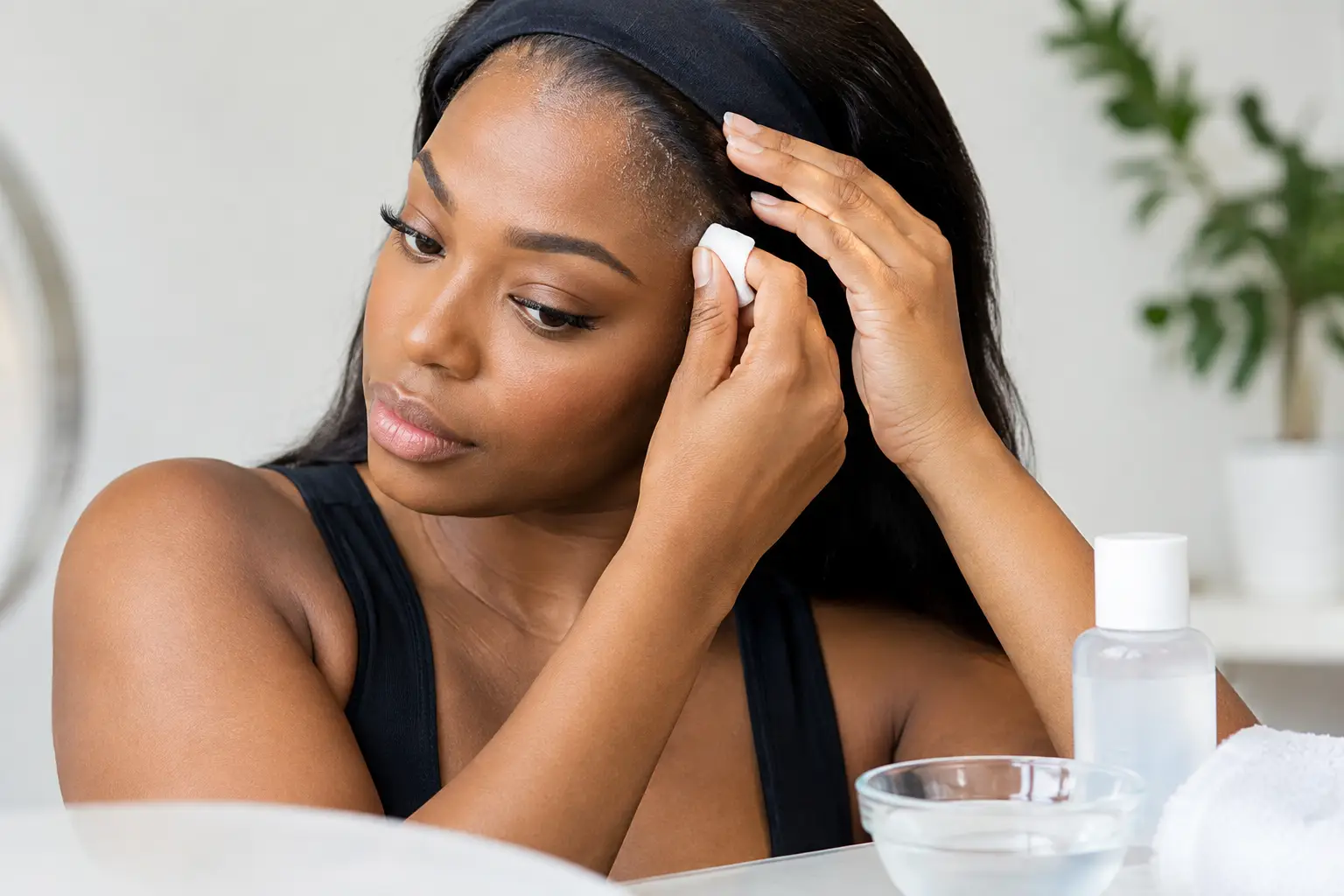
Learn how to remove wig adhesive gently, protect your skin and hairline, and clean your lace wig for a comfortable, confident next wear at...

Do wigs cause headaches? Learn how fit, pressure, heat, and styling affect comfort, with practical ways to wear your wig pain-free every day with...
