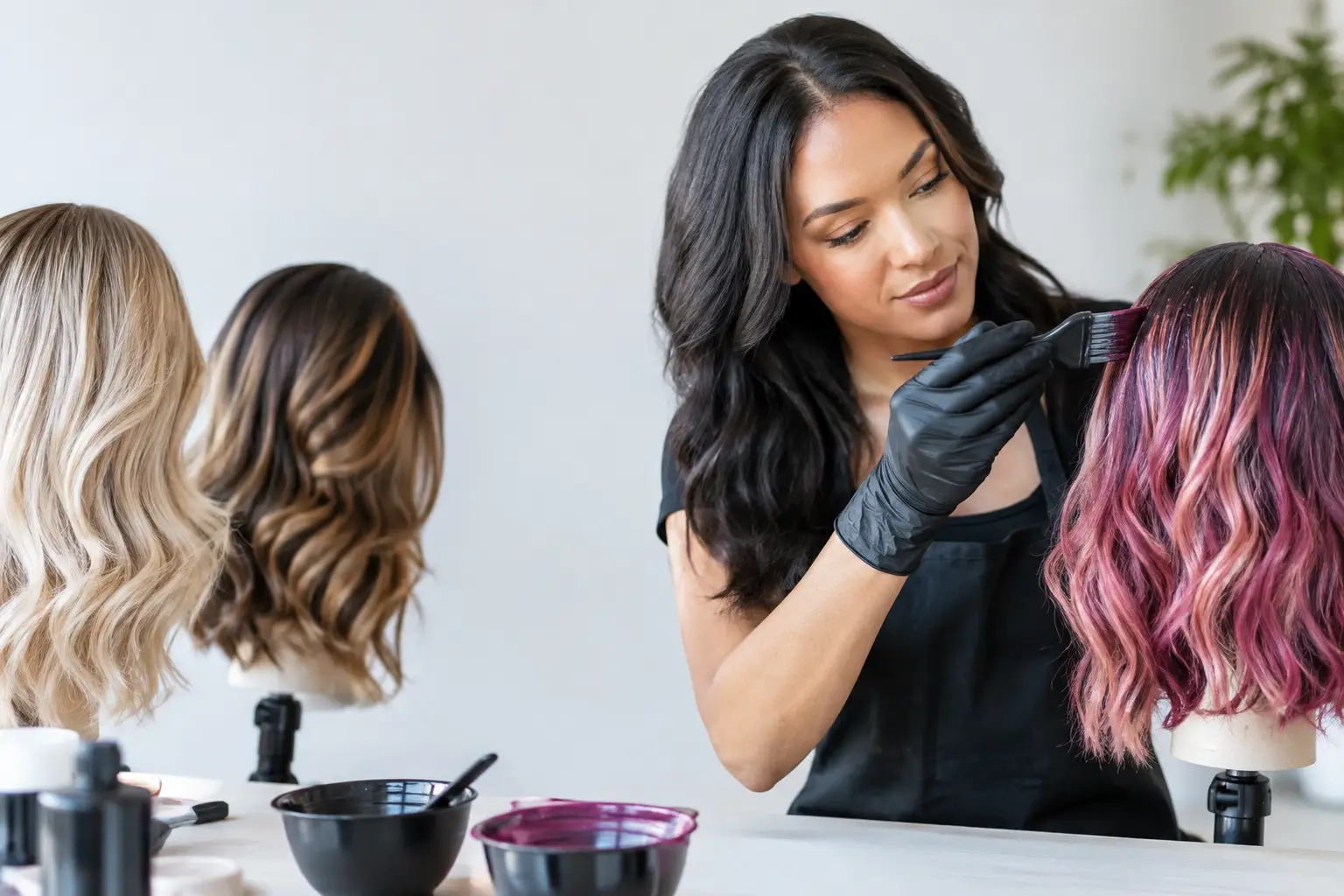

Can wigs be colored without damage? Learn which wigs can be dyed, how to protect the fibers, and when professional color services are the...


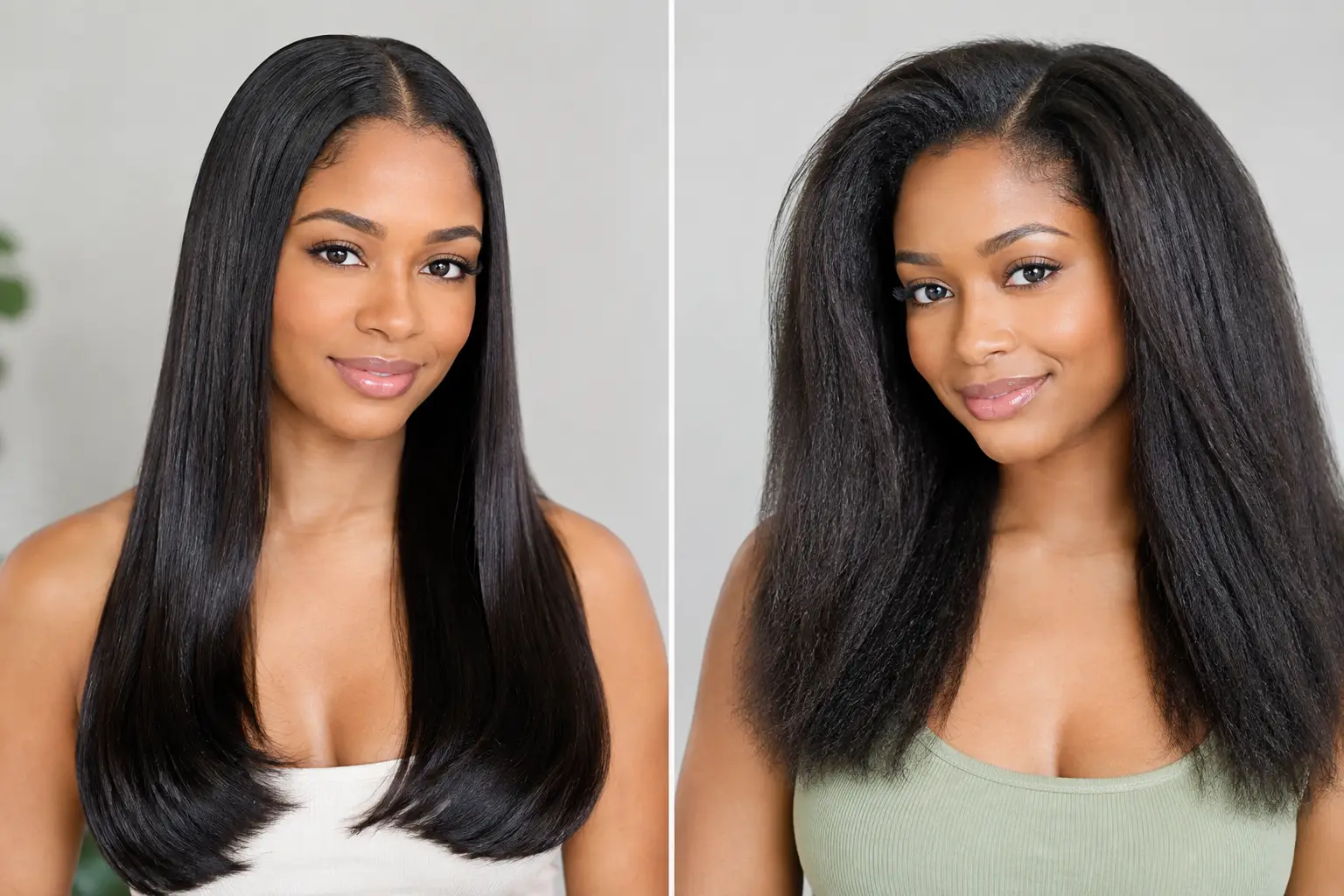
A polished straight style can feel like a fresh start, but the choice behind it deserves more than a quick trend comparison. With a silk press versus relaxer, the biggest difference is not simply how straight your hair looks when you leave the salon. It is whether you want a temporary style that lets you return to your curls or a chemical service that permanently changes the texture of the hair already on your head.
Both can create a smooth, sleek finish. Both require thoughtful maintenance. And neither is automatically the right choice for every hair type, lifestyle, or hair-health goal. The best option is the one that gives you the look you love while respecting your hair’s condition, your styling routine, and how often you want to wear your natural texture.
A silk press is a temporary straightening service for natural hair. Your hair is cleansed, conditioned, blow-dried, and straightened with professional heat tools, often finished with a lightweight smoothing product for movement and shine. Once you shampoo your hair, your natural curl or coil pattern should return, provided the hair has not been damaged by excessive heat.
A relaxer is a chemical service that breaks down the hair’s natural bonds to loosen or straighten its texture. The treated hair does not revert after washing. New growth will come in with your natural texture, so relaxers require touch-ups at the root as the hair grows.
That distinction matters. A silk press offers flexibility, while a relaxer offers a more consistent straightened texture day to day. The trade-off is that either service can cause damage when performed too often, applied incorrectly, or maintained without moisture and gentle handling.
A silk press is often a good choice if you enjoy wearing your curls, coils, or waves most of the time but want a smooth look for a special occasion, vacation, work season, or personal change. It can also help you see your length more clearly and enjoy a different shape without making a permanent commitment.
The appeal is versatility. You can wear a straight style for a few days or a couple of weeks, then wash and return to your natural texture. For many clients, that freedom is worth the extra care required to protect the style from humidity, sweat, and water.
A beautiful silk press should not look stiff, overly oily, or flat against the scalp. It should have body and movement, with ends that look healthy rather than thin or scorched. Proper preparation is essential: clean hair, a suitable heat protectant, controlled blow-drying, and heat settings matched to the hair’s density and condition.
A silk press may not be the best choice if your hair is very fragile, highly porous, recently colored, or already showing signs of heat damage. Repeated high heat can gradually weaken the curl pattern, leaving some sections looser than others even after shampooing. If you have noticed that your curls are not bouncing back, it may be time to pause hot tools and focus on moisture, strengthening treatments, trims, and protective styling.
Humidity is the main challenge. Moisture in the air can make natural hair expand, especially around the hairline and roots. Wrapping the hair at night with a satin or silk scarf, sleeping on a smooth pillowcase, and avoiding steam, intense workouts, and rainy weather can help extend the style.
Try not to keep adding heat every morning. Frequent flat-ironing turns a temporary style into a heat-damage risk. If your roots puff up or your ends lose their polish, a stylist can assess whether a light refresh is appropriate instead of repeatedly passing a hot tool over the same sections at home.
A relaxer may suit someone who prefers a straighter texture most of the time and wants less daily shrinkage, detangling, or styling time. It can make roller sets, wraps, ponytails, and smooth blowouts easier to manage for some hair types. It may also be a practical choice if you want a consistent look that is less affected by humid weather than a silk press.
Still, relaxer services require a long-term maintenance plan. The hair that has been relaxed stays chemically altered, while the new growth remains natural. Over time, you will have two textures to care for, and the line where they meet can be especially delicate. This is why touch-ups should be done carefully and only on new growth, not layered over previously relaxed hair.
Relaxers are not a shortcut around healthy hair care. Chemically processed hair still needs regular cleansing, conditioning, moisture, protein when appropriate, gentle detangling, and trims. Skipping those steps can lead to dryness, breakage, thinning edges, and uneven length retention.
A professional consultation matters before any relaxer appointment, especially if you color your hair, wear extensions, have a sensitive scalp, or have previously used henna, texturizers, keratin treatments, or other chemical services. Some service combinations can increase the risk of breakage or unpredictable results.
Touch-up timing depends on the individual, but rushing back for frequent chemical services can overlap onto already processed hair. That overlap is one of the most common causes of severe breakage. If your hair feels weak, sheds more than usual, has thinning areas, or breaks during detangling, it is better to address the condition first rather than schedule another chemical service.
The right answer often comes down to what your hair has been through. Hair that has been bleached, frequently colored, heat-styled, or chemically processed needs a more cautious approach than virgin hair in good condition. The same is true if you are experiencing hair loss, postpartum shedding, traction-related thinning, or scalp sensitivity.
If you are growing out a relaxer, a silk press can sometimes make the transition feel easier, but it must be approached gently. Your natural new growth and relaxed ends have different needs, and the hair is vulnerable where the textures meet. A low-heat style, roller set, braid-out, or protective option may be kinder when the hair is under stress.
For clients who want the look of straight, full, flowing hair without applying heat or chemicals to their own strands, a professionally fitted wig, topper, or hairpiece can be a confidence-building alternative. Human-hair options can be styled for a natural finish, while a custom fit can create comfort and security without asking your own hair to do more than it can handle.
A good appointment starts with clear goals. Tell your stylist whether you want to wear your hair natural again soon, how often you use heat, whether you color your hair, and how much time you realistically want to spend on maintenance. Be honest about at-home treatments and past chemical services, even if they happened months ago.
Ask about your hair’s current condition, the recommended heat level or relaxer strength, and what maintenance will look like between appointments. You should also ask what signs would mean you need to stop, adjust, or delay a service. Personalized advice is especially valuable when your hair is fine, thinning, highly textured, color-treated, or prone to breakage.
At Hair A La Mode, the goal is never to force your hair into one standard. It is to help you choose a solution that feels comfortable, looks natural to you, and supports the confidence you want to carry into every room.
Your hair can be sleek without being overworked. Whether you choose a temporary silk press, a maintained relaxer, or a lower-manipulation alternative, give your hair enough care to keep your next style choice open.
Can wigs be colored without damage? Learn which wigs can be dyed, how to protect the fibers, and when professional color services are the...
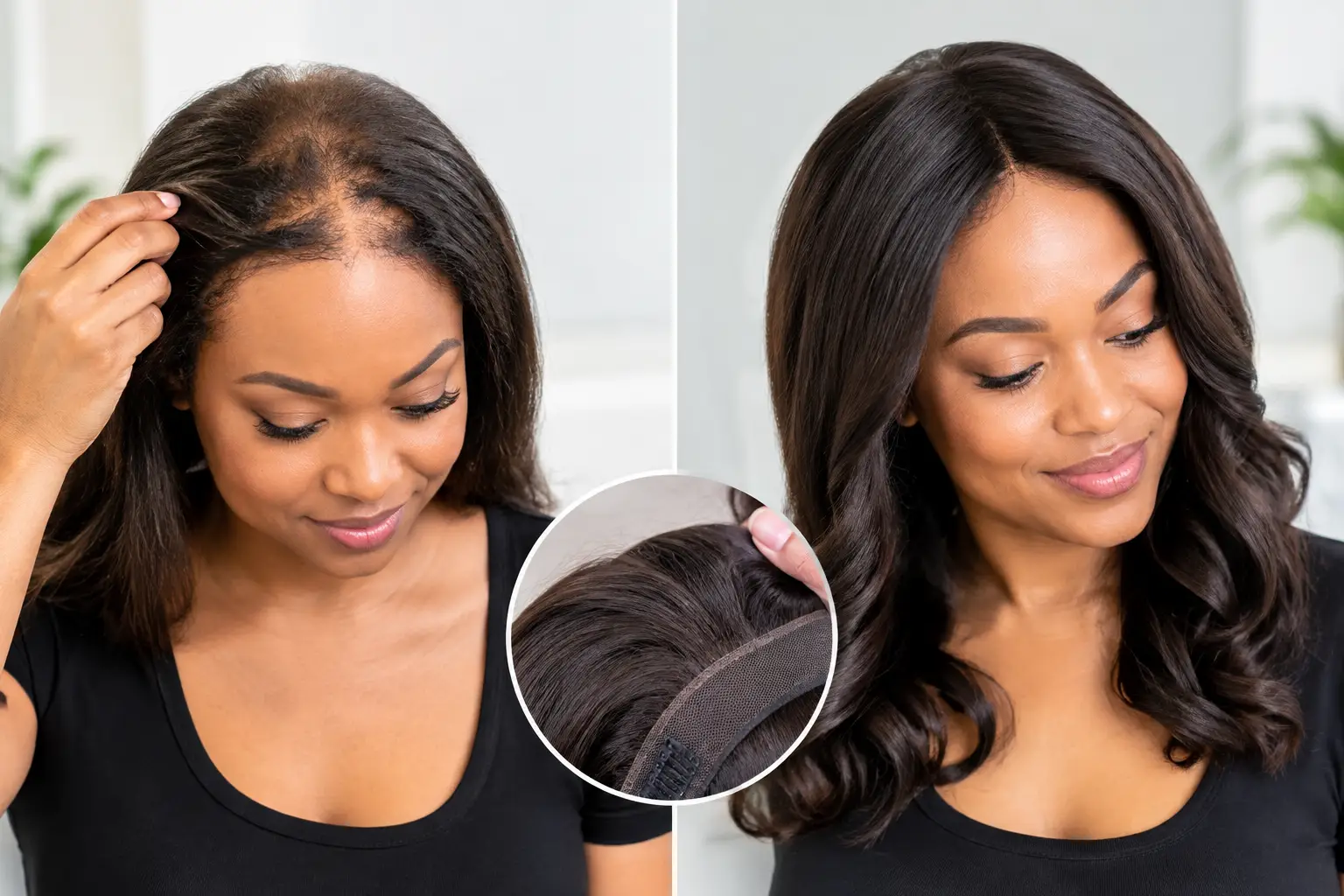
See how wig repair transformations restore comfort, fit, and natural movement with cap, hair, and attachment repairs tailored to your favorite piece today.
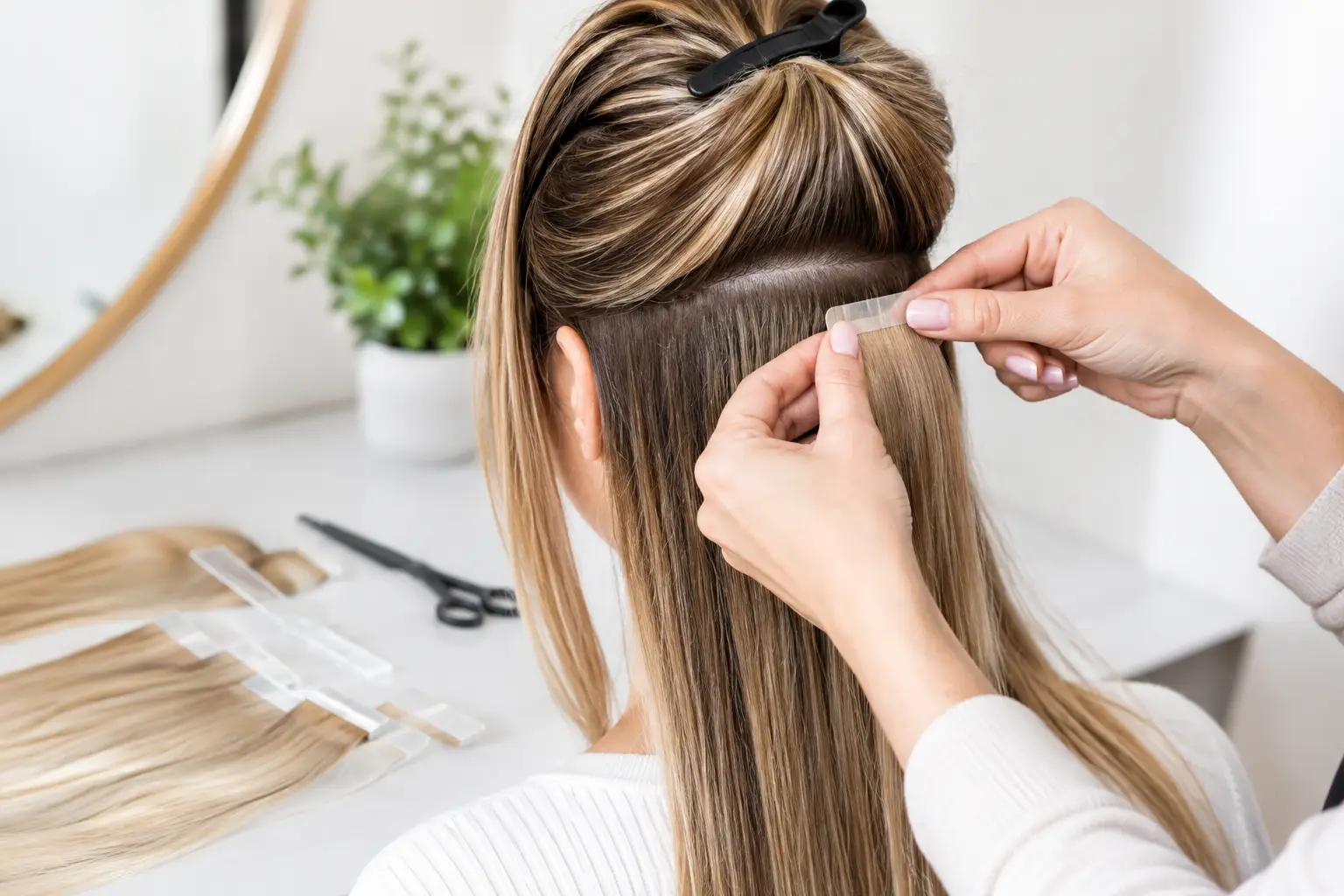
Learn how to install tape extensions with clean sections, secure sandwiches, and care tips for a natural, comfortable result that protects your hair.
