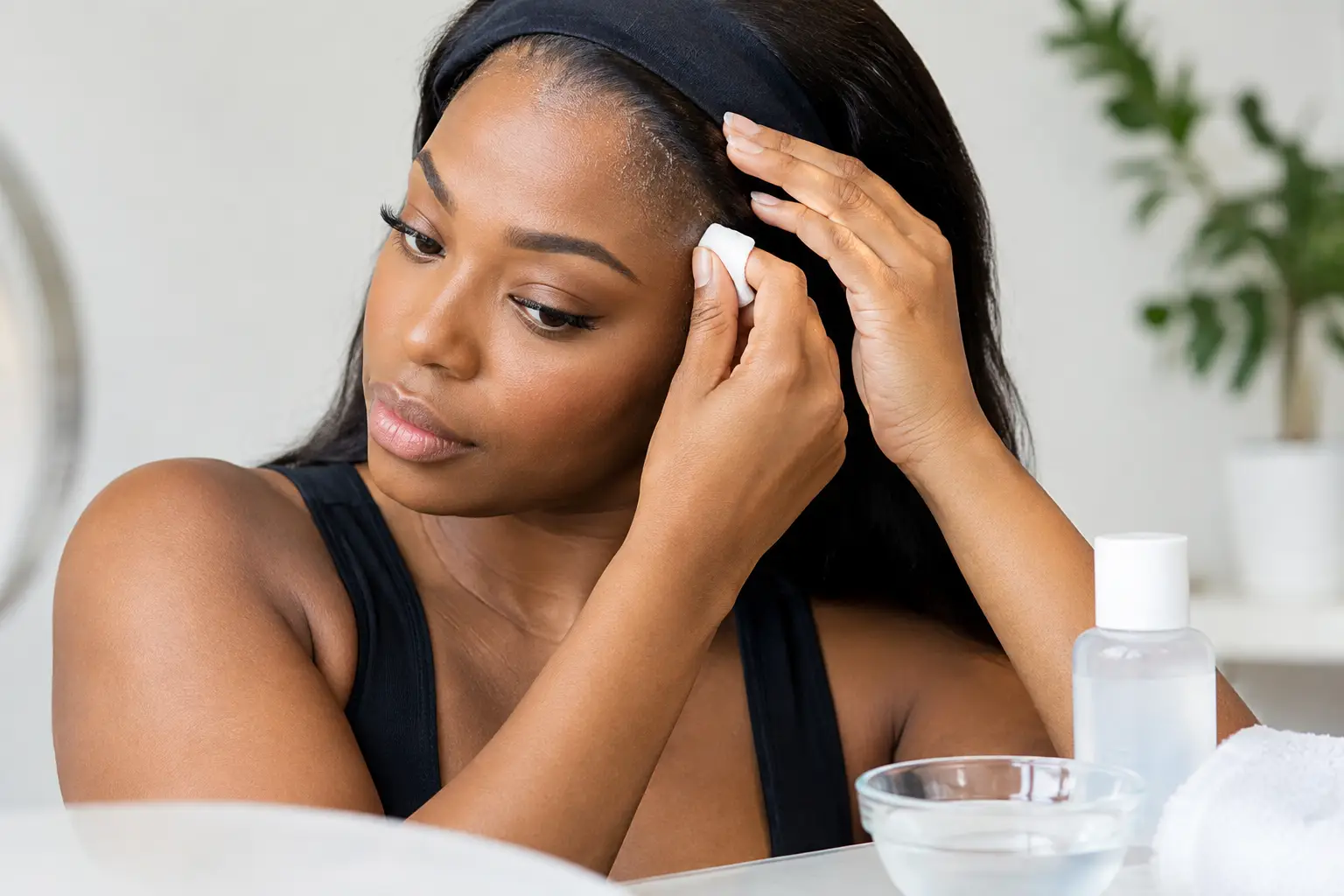

Learn how to remove wig adhesive gently, protect your skin and hairline, and clean your lace wig for a comfortable, confident next wear at...


A protective style should make life easier, not leave your scalp sore, your edges stressed, or your hair harder to manage when it comes time to take it down. The best protective hairstyles support your personal routine while reducing daily manipulation, helping you hold on to moisture, and giving you a look that feels polished and comfortable.
The right choice depends on more than trend or length. Your hair density, scalp sensitivity, natural texture, work schedule, and comfort with at-home care all matter. A style that looks beautiful on someone else may be too heavy, too tight, or too high-maintenance for you. Start with what your hair and lifestyle can realistically support.
A protective hairstyle limits repeated brushing, heat styling, pulling, and exposure that can lead to dryness and breakage. It keeps the ends of your natural hair tucked away or minimizes how often you need to style your own strands. But “protective” is not a free pass for tension, poor installation, or skipped scalp care.
A style becomes less protective when it is installed too tightly, left in too long, or created with more weight than your hair can carry. Pain, bumps along the hairline, headaches, excessive shedding, or a tight pulling sensation are signs to address immediately. You should be able to move your forehead, sleep, and wear your style without discomfort.
For clients with thinning hair, hair loss, fragile edges, or a sensitive scalp, low-tension options are often the smartest place to begin. A private consultation can help determine whether a wig, topper, lightweight extension method, or a simple natural style is the best fit.
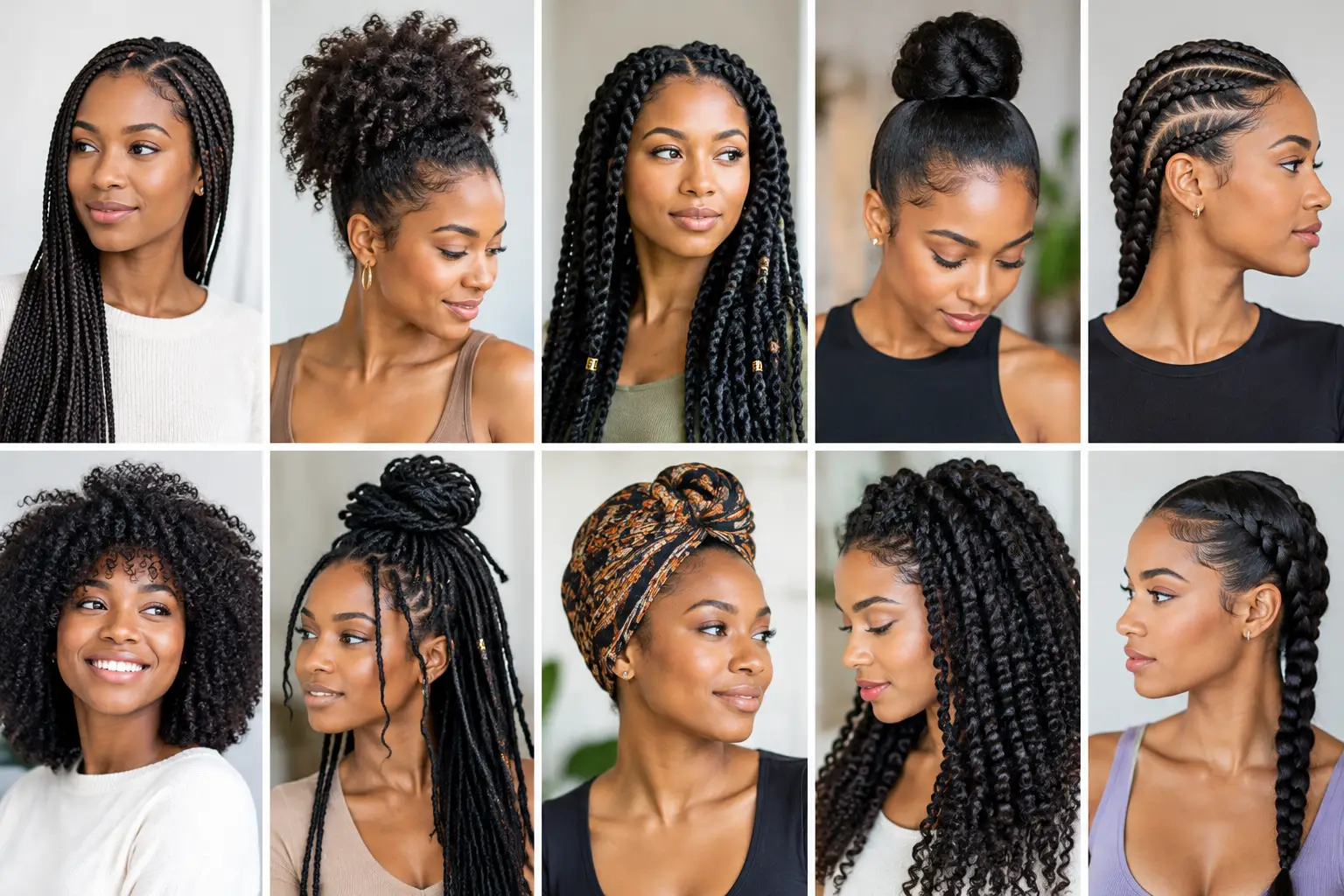
Knotless braids are a favorite because the extension hair is fed in gradually rather than anchored with a tight knot at the root. This can create a more natural movement and reduce tension compared with traditional box braids. They can be worn in different lengths and sizes, from neat medium braids to soft, lightweight boho-inspired looks.
They still require thoughtful installation. Extra-long or very small braids can add significant weight, especially around delicate edges. Choose a braid size and length that feels balanced for your density, not just dramatic in the chair.
Classic box braids remain one of the most versatile protective styles. They can be styled into buns, ponytails, half-up looks, and easy everyday shapes without needing heat. Medium braids are usually a practical middle ground because they offer flexibility without the extended installation time and tension that micro braids can bring.
Keep your scalp clean and avoid coating the braids in heavy product buildup. A light scalp-friendly cleanser and a gentle moisturizing spray are usually more helpful than layers of oil.
Two-strand twists can be created with your own hair, added hair, or a blend of both. They are softer-looking than braids and can be a wonderful option when you want less tension and easy access to your scalp. Twists also work well for people who prefer a style that feels lighter and more natural.
Because twists can unravel more easily than braids, they may need occasional maintenance around the hairline and nape. For some clients, that trade-off is worthwhile for the softer finish and lower pull.
A wig can be one of the most flexible protective options when it is fitted well and worn with a healthy routine underneath. Flat twists or low-profile cornrows create a smooth base, while a wig gives you the freedom to change length, color, texture, or style without repeatedly processing your natural hair.
The key is fit. A cap that is too small or clips placed in fragile areas can cause tension over time. A properly sized wig, a wig-grip band when appropriate, and a low-tension foundation underneath can make a major difference in comfort. Human hair wigs offer styling versatility, while quality synthetic wigs can be an easy, lower-maintenance choice for a finished look.
Glueless wigs are especially appealing for anyone who wants a natural-looking style without relying on daily adhesive. They may use adjustable straps, combs, elastic bands, or a custom fit to stay secure. This gives you the option to remove the wig at night, cleanse your scalp more easily, and care for your natural hair consistently.
For women dealing with thinning or hair loss, a glueless wig can also offer coverage with a gentler, more private experience. The right cap construction, density, and hairline design should feel like it was chosen for you, not simply placed on top of your hair.
Crochet braids can create the appearance of loose curls, twists, braids, or textured volume while keeping your natural hair braided beneath. They are often faster to install than individual braids and can be a useful option for people who want fullness without spending hours in the salon.
A lightweight crochet hair choice matters. Too much density can pull on the foundation braids and make washing or drying difficult. Ask for a style that gives you movement without feeling bulky at the roots.
A well-installed sew-in can provide length, volume, and a smooth finished style while your natural hair is braided underneath. Leave-out sew-ins allow some of your own hair to blend with the extensions, while closure and frontal options reduce the need to heat-style natural hair for blending.
The best approach depends on the condition of your hairline and the amount of maintenance you want. A closure can be a better choice when protecting the front of your hair is a priority. Sew-ins should never feel tight, and they need to be removed on schedule so your scalp and natural hair can be cleaned and assessed.
For a fast, low-commitment option, halo-style pieces and hair-attached hats offer instant coverage and style with minimal manipulation. They can be especially helpful on busy days, during regrowth, or when you want a finished look without a full installation.
These options are not meant to replace scalp care, but they can give you a comfortable break from heat tools, teasing, and daily styling. They are also easy to pack for travel or keep on hand for quick confidence.
A simple low bun, tucked chignon, or loose braided bun can be genuinely protective when it is created gently. The goal is not to slick every hair back as tightly as possible. Use a soft brush, avoid aggressive tension at the temples, and vary the placement so the same area is not pulled every day.
This is a good option for shorter periods, such as workweeks or special events. It is less suitable if you rely on strong hold products and tight elastic bands every day.
Headwraps and pre-tied bandanas protect hair from weather, friction, and unwanted styling pressure while letting you create a beautiful finished look. They are a practical choice between salon visits, during a wash-day reset, or whenever your hair needs a rest.
Use a satin or silk-lined layer when possible, especially if you wear wraps often. Cotton can absorb moisture and create friction around the hairline.
There is no single timeline for every style. In general, braided and extension styles are often worn for several weeks, but the healthiest schedule depends on your scalp, product buildup, and new growth. Do not keep a style simply because it still looks neat from the outside.
If your scalp is itchy, flaky, tender, or difficult to clean, it may be time for removal or professional maintenance. Take-down day should be gentle. Rushing through extensions, cutting too close to your natural hair, or detangling dry can cause avoidable breakage.
After removal, cleanse your scalp, condition thoroughly, and give your hair a chance to breathe before another long-term installation. If your hair feels weak or your edges look thinner, choose a lower-tension style next.
Your natural hair still needs attention while it is tucked away. Keep your scalp clean, use light moisture as needed, and sleep with satin or silk protection to reduce friction. Avoid excessive edge control, heavy oils, and constant pulling your style into high ponytails.
At Hair A La Mode, the goal is always a solution that looks natural, feels comfortable, and respects the condition of your own hair. Whether you choose braids, extensions, or a custom-fitted wig, the best protective style is the one that lets you feel confident without asking your hair to carry more than it can handle.
Learn how to remove wig adhesive gently, protect your skin and hairline, and clean your lace wig for a comfortable, confident next wear at...
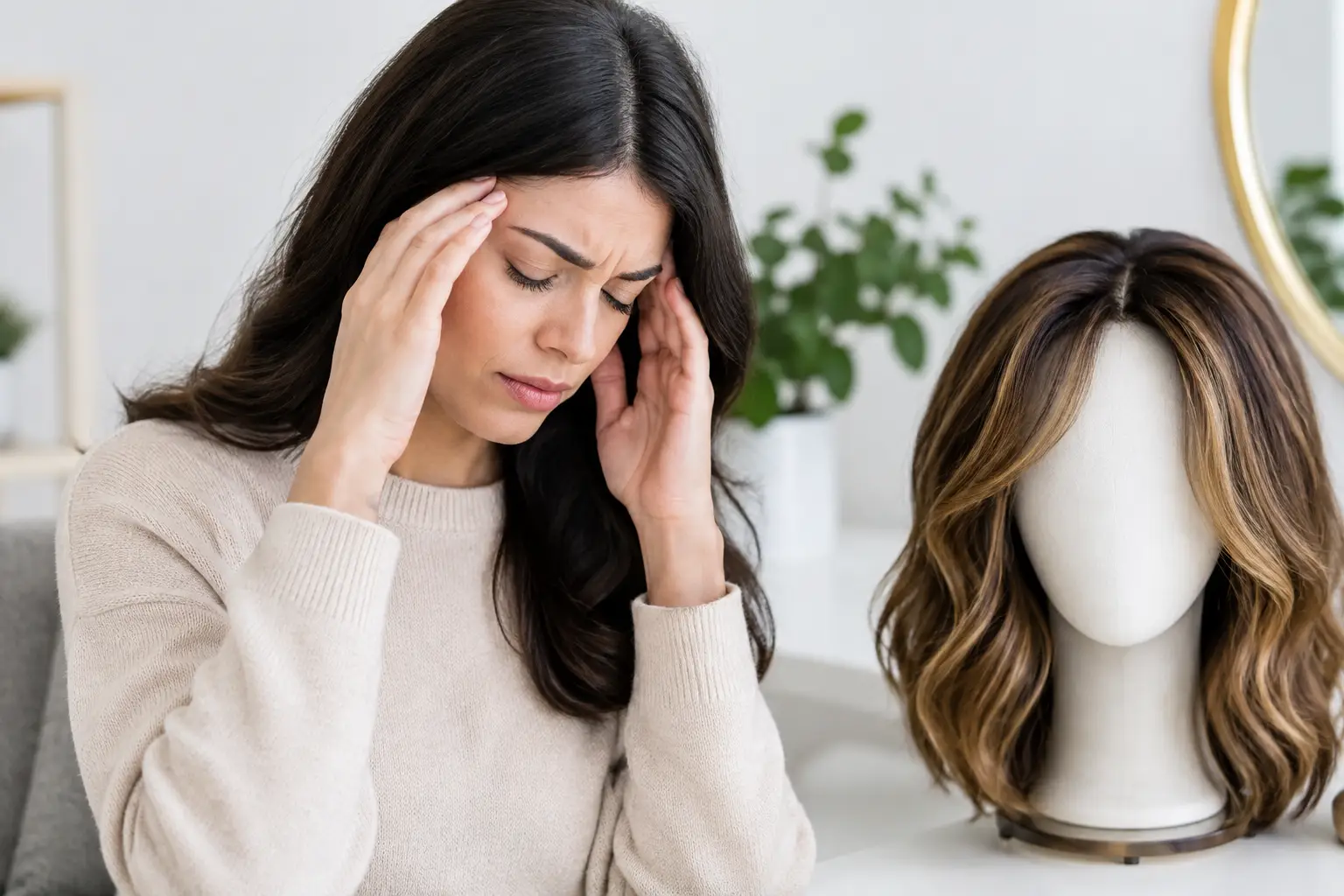
Do wigs cause headaches? Learn how fit, pressure, heat, and styling affect comfort, with practical ways to wear your wig pain-free every day with...
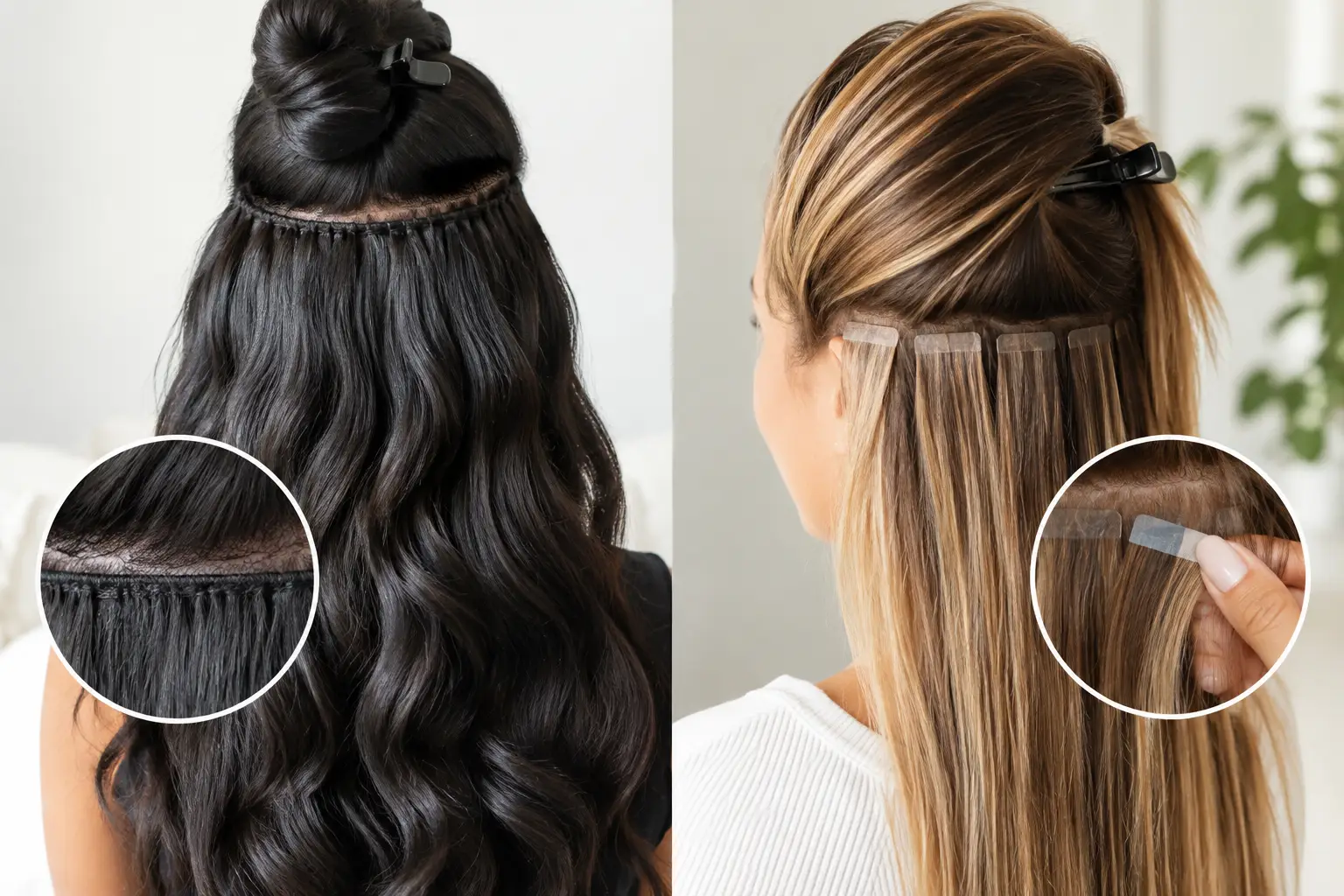
Comparing sew in versus tape extensions? Learn the differences in wear time, comfort, upkeep, cost, and hair health to choose your fit with confidence.
