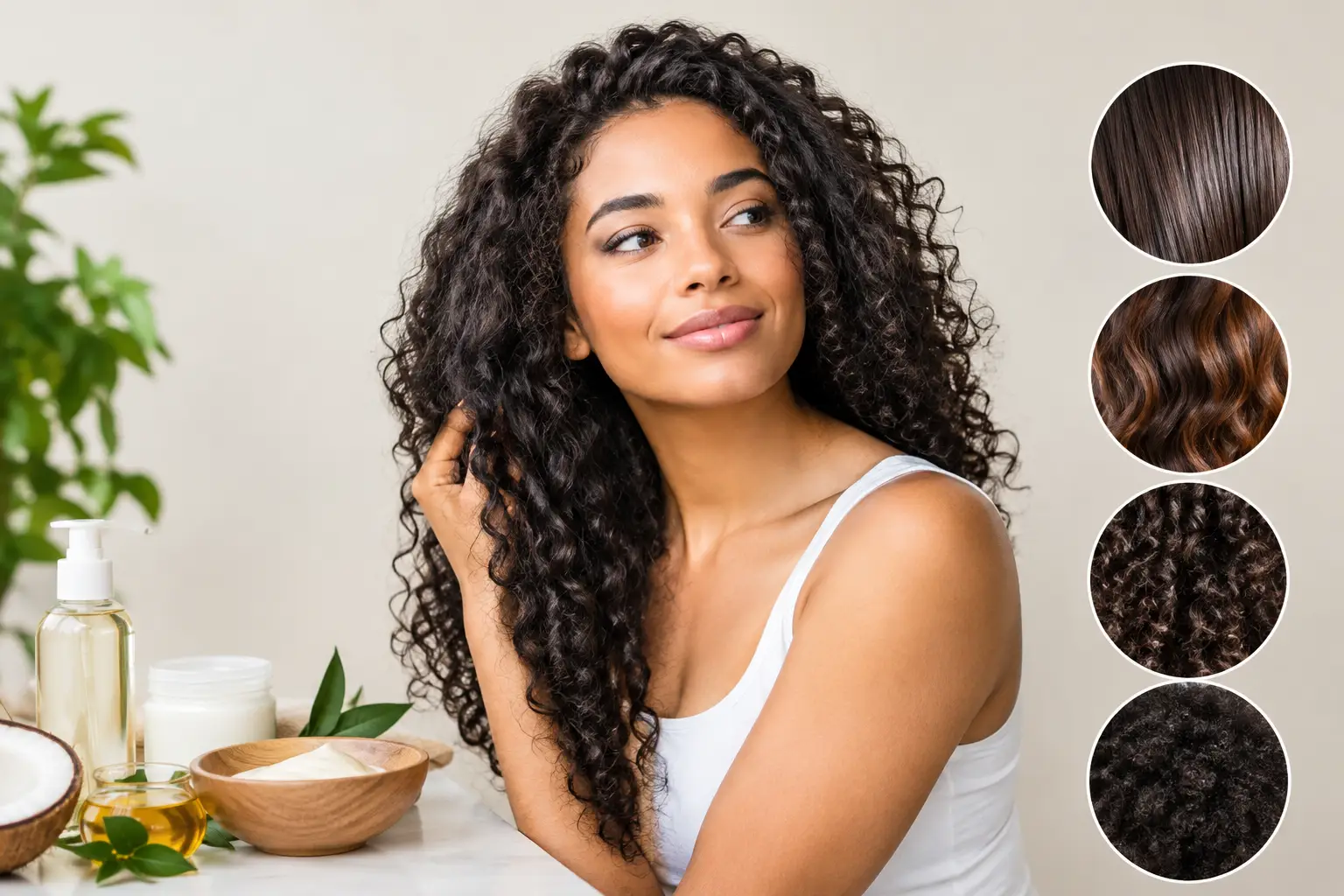

Can wigs be colored without damage? Learn which wigs can be dyed, how to protect the fibers, and when professional color services are the...


Your hair can look dry, frizzy, flat, overly soft, or difficult to style for very different reasons. That is why a hair texture treatment guide should start with your current hair condition, not with the trendiest service on the menu. The right choice can make styling feel easier and help you feel more like yourself. The wrong one can leave hair stressed, limp, or harder to manage.
Texture treatments are personal. Your natural curl pattern, color history, daily heat styling, extensions, thinning areas, and comfort with maintenance all matter. A private consultation gives you space to talk through those details and choose a result that feels polished while still being realistic for your hair.
Hair texture services can smooth the cuticle, strengthen weakened strands, permanently loosen or reshape a curl pattern, or add a more consistent wave. They are not interchangeable, even when the goal sounds similar. A smoothing treatment may reduce frizz without making hair pin-straight, while a relaxer changes the structure of the hair more permanently.
The best treatment is not always the strongest one. If your hair is highlighted, fragile, shedding, or recovering from breakage, the priority may be strength, moisture, protective styling, or a natural-looking wig rather than another chemical service. A treatment should support the hair you have, not ask it to tolerate more than it can safely handle.
Keratin and other smoothing services are often chosen by clients who want less frizz, easier blow-drying, and a softer finish. Depending on the formula and your starting texture, the result may range from more manageable waves to a sleek, straighter look. These treatments usually wear away gradually, so they can be a good fit if you want a lower-commitment change than permanent straightening.
The trade-off is aftercare. You may need to wait before washing, use compatible shampoo, limit frequent clarifying products, and reduce excessive heat. Results also vary: very tight curls may become easier to stretch and style but may not become fully straight. If you wear extensions, the treatment should be planned around the extension type and attachment method rather than applied automatically.
Protein treatments are about support, not curl removal. Hair that has been lightened, colored repeatedly, heat-styled, or weakened by prior chemical services can lose some of the structural strength that helps it hold its shape. A professionally selected protein treatment can improve the feeling of strength and reduce the look of breakage.
More protein is not always better. Hair that feels stiff, rough, or brittle may need moisture instead, or a better balance of moisture and protein. This is one reason a hands-on assessment matters. A treatment that helps soft, overly elastic hair can make already rigid hair feel worse when it is used too often.
Relaxers are designed to permanently loosen or straighten textured hair. They can make a straight styling routine more manageable, but they require careful timing, scalp awareness, and regular maintenance as new growth comes in. Relaxers are not a casual add-on service, especially on hair that is already color-treated, fragile, or showing signs of thinning.
Healthy relaxer maintenance means respecting new growth and avoiding overlap onto previously relaxed hair. Applying chemical straightener repeatedly to already processed lengths is a common cause of breakage. Your stylist should consider your scalp condition, previous services, and your ability to maintain the look before recommending a relaxer.
A perm creates curls, waves, or body by reshaping the hair. It can be a beautiful option for naturally straight hair that struggles to hold a curl or for clients who want more consistent volume. The finished look depends on rod size, hair length, density, and the condition of the hair before the service.
Perms can be difficult to predict on heavily highlighted, bleached, or highly porous hair. They may also not be the best choice if you regularly wear bonded extensions or have a history of chemical damage. When the goal is occasional fullness rather than a lasting curl pattern, clip-in or professionally installed extensions may offer more flexibility with less processing.
Before choosing a service, think about how your hair behaves when it is clean and air-dried. Does it feel dry but strong? Does it stretch too much before breaking? Is frizz your main concern, or are you trying to change your curl pattern entirely? Those answers are more useful than a photo alone.
Bring up every recent service, including box color, highlights, henna, straightening treatments, relaxers, and medications that may affect shedding or scalp sensitivity. If you have hair loss, tender areas, psoriasis, active irritation, or unexplained breakage, a chemical texture service may need to wait. Your comfort and scalp health come first.
A strand test can be especially valuable when hair has an unknown history or has been colored several times. It helps show how the hair may respond before committing to a full appointment. This small step can prevent disappointment and protect the lengths you have worked hard to grow.
A texture treatment does not have to be the only route to a polished look. Human hair wigs, fashion wigs, toppers, and extensions can add fullness, length, or a different texture while giving your natural hair a break from daily heat and chemical processing. For clients experiencing thinning or damage, that flexibility can be a relief.
Texture matching is key to a natural finish. A silky straight extension may look out of place beside a soft wave, while a kinky-curly piece can blend beautifully with textured hair when it is cut and styled correctly. Custom fitting, color blending, and professional styling make a major difference in whether a hairpiece feels secure and looks like it belongs to you.
If you already wear a wig, ask how a texture treatment may affect the hair underneath and your maintenance routine. Some clients prefer a smoother base for easier wig wear, while others want to preserve their natural texture and use a protective style underneath. There is room for both approaches.
Every treatment has an aftercare routine, and consistency matters more than buying a cabinet full of products. Use shampoo and conditioner suited to your service and hair condition, detangle gently from ends to roots, and avoid turning high heat into a daily habit. A heat protectant is useful whenever you blow-dry, flat-iron, or curl.
Keep an eye on changes rather than waiting for serious damage. Increased shedding, snapping around the hairline, a burning or itchy scalp, or hair that suddenly feels gummy when wet are reasons to pause and seek professional advice. Do not try to correct an unwanted chemical result with another at-home chemical service.
Regular trims, deep conditioning when appropriate, and a realistic styling schedule help treated hair look better for longer. If you wear extensions or a wig, clean and maintain those pieces on their own schedule too. Your natural hair and added hair can have different needs.
Sometimes, yes. It depends on the color process, the health of your hair, and the smoothing formula being considered. Recently bleached or very porous hair may need restorative care first. A consultation and strand test offer the safest answer.
Protein does not change your growth rate, but reducing breakage can help you retain more length over time. If your hair is breaking before you see progress, a balanced care plan may make a visible difference.
Hair that feels weak, overly stretchy, or unable to hold a style may benefit from protein. Hair that feels hard, dry, or rough may need moisture. Because symptoms can overlap, a professional assessment is more reliable than guessing from one wash day.
The goal is not to force your hair into someone else’s texture. It is to choose a treatment, style, or hair solution that makes your routine feel lighter and your reflection feel more familiar. At Hair A La Mode, a personalized consultation can help you move forward with care, clarity, and confidence.
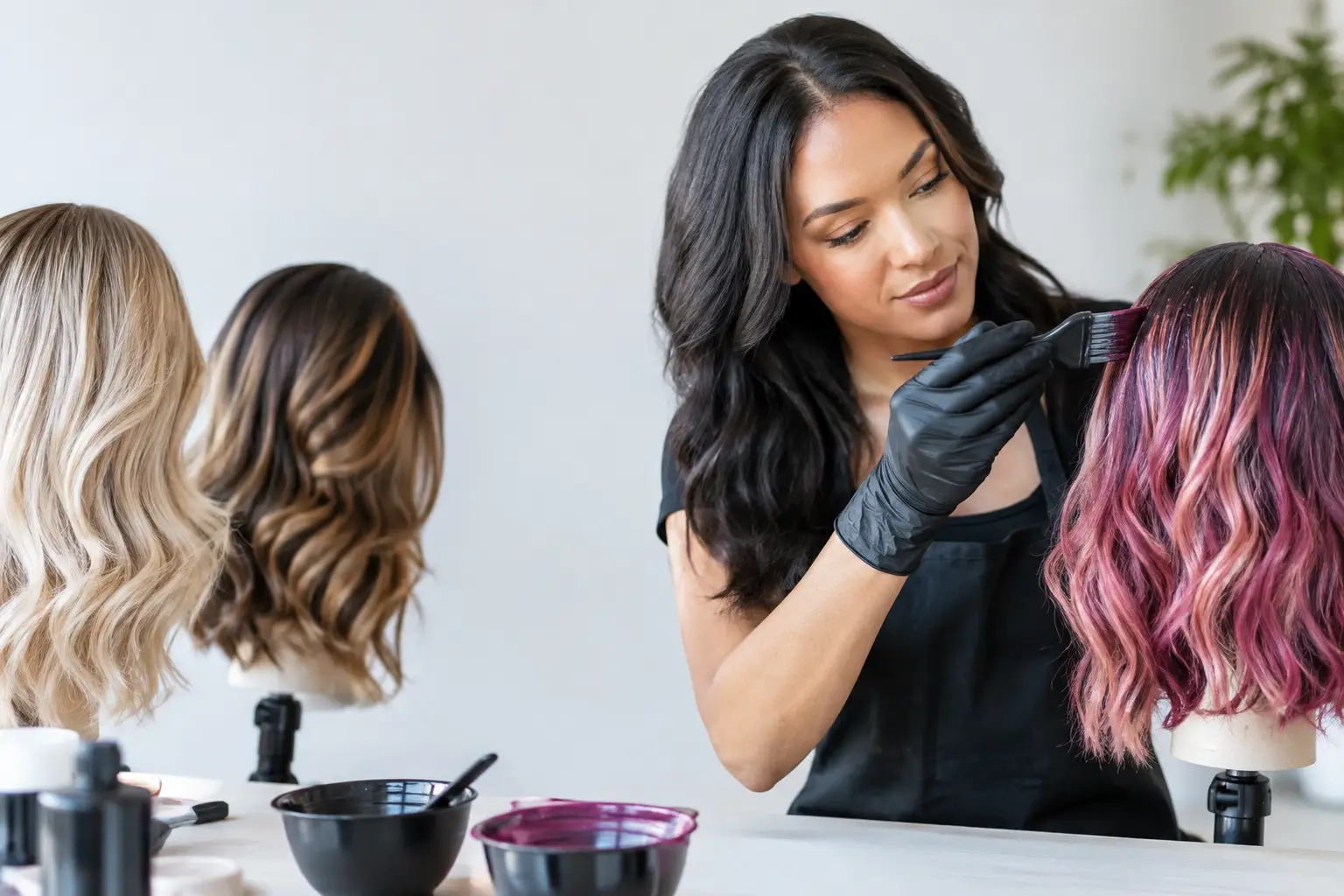
Can wigs be colored without damage? Learn which wigs can be dyed, how to protect the fibers, and when professional color services are the...
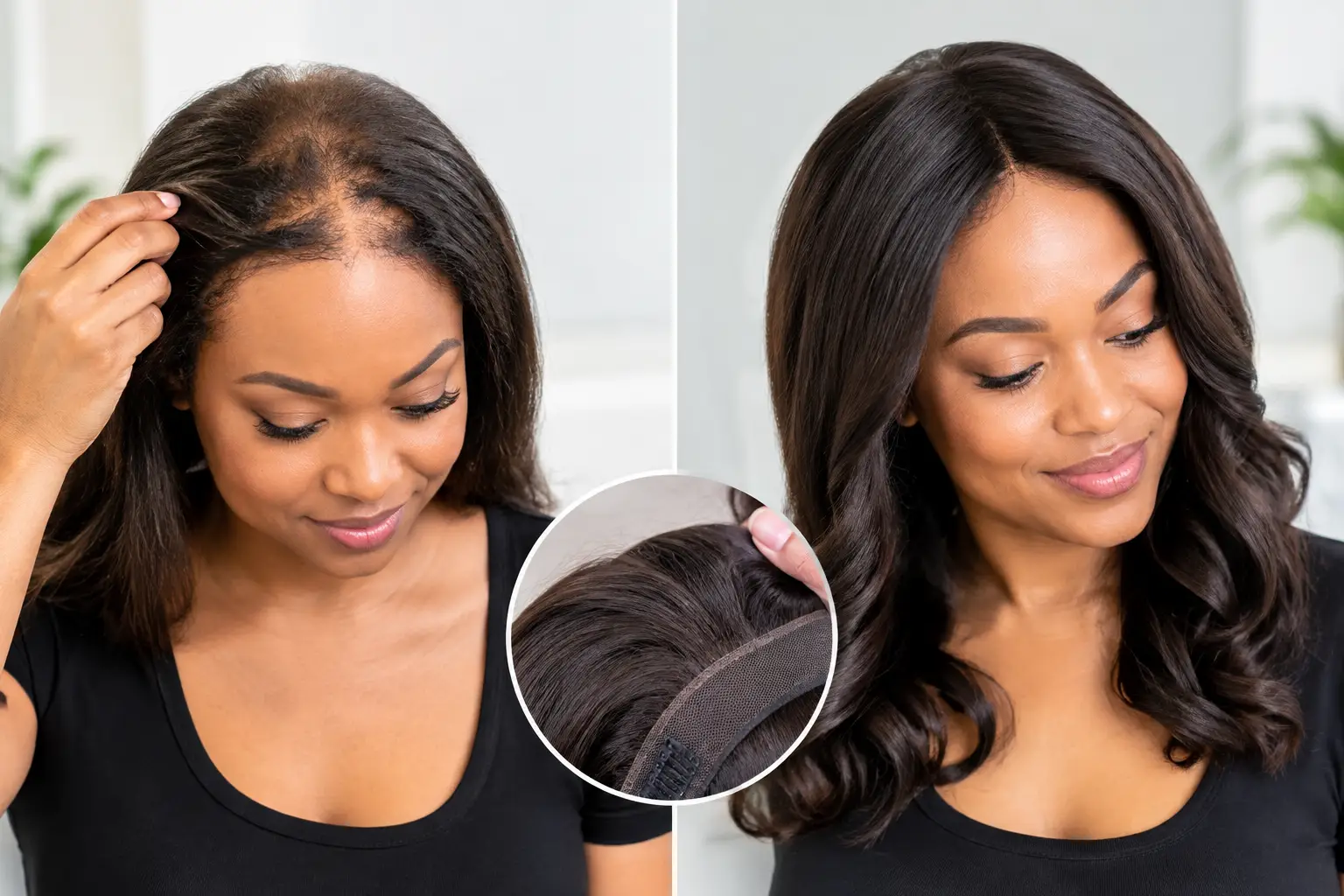
See how wig repair transformations restore comfort, fit, and natural movement with cap, hair, and attachment repairs tailored to your favorite piece today.
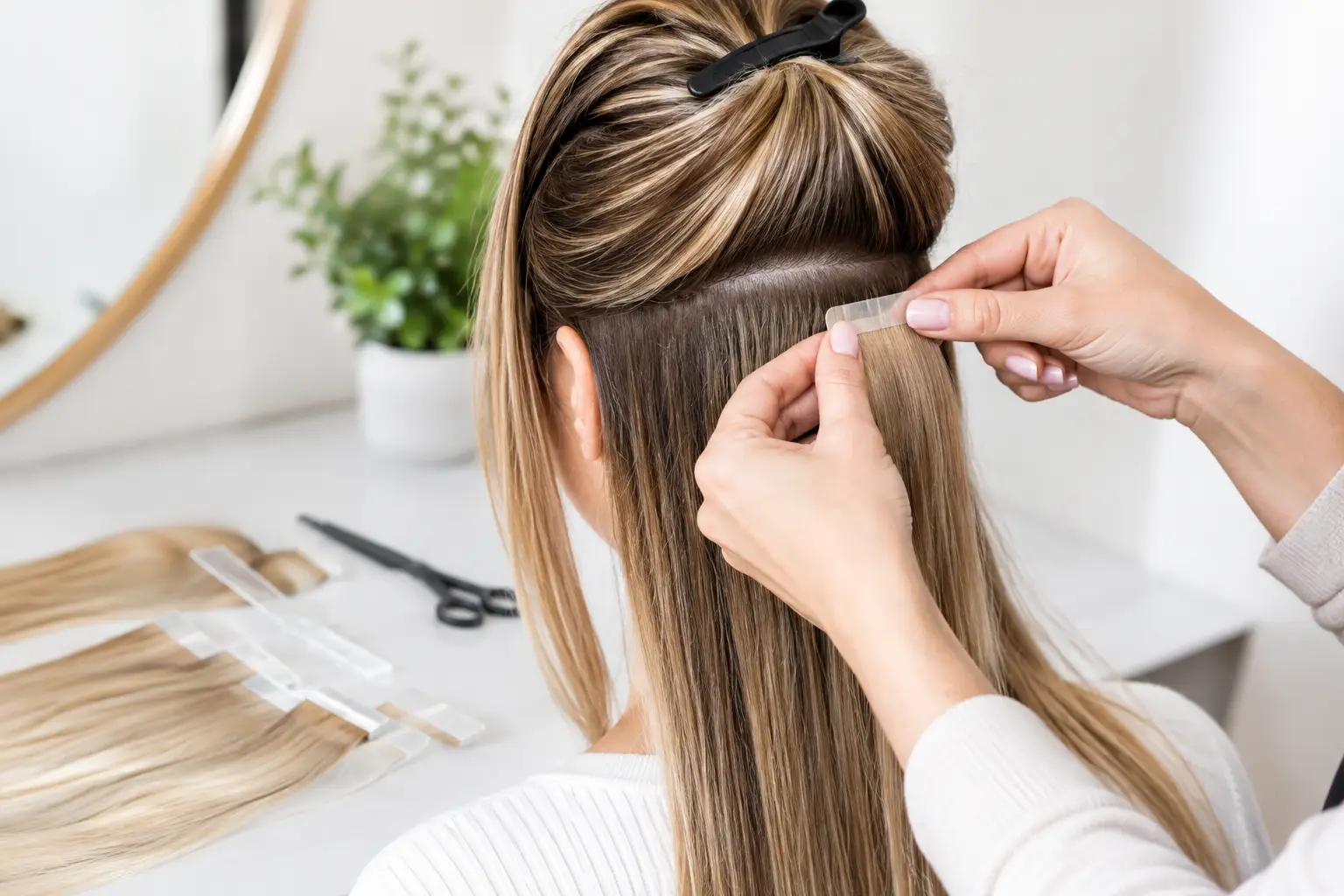
Learn how to install tape extensions with clean sections, secure sandwiches, and care tips for a natural, comfortable result that protects your hair.
