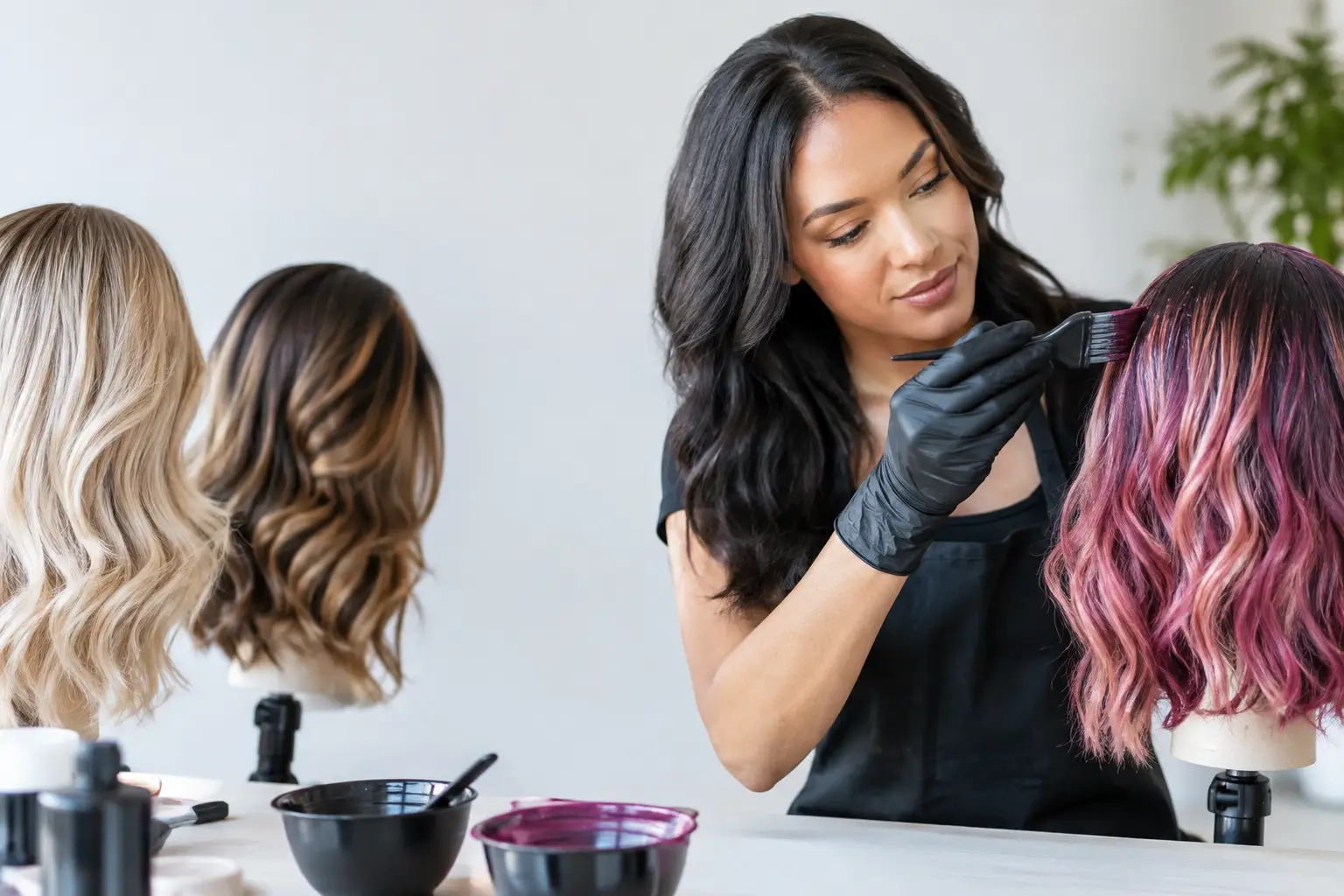

Can wigs be colored without damage? Learn which wigs can be dyed, how to protect the fibers, and when professional color services are the...


A wig can have beautiful color, movement, and texture, yet still feel unfamiliar if the hairline does not suit your face. This guide to hairline customization explains the details that create a more believable, comfortable result – from the shape of the front hairline to lace choice, density, placement, and styling. The goal is not to copy someone else’s hairline. It is to create one that feels like you.
For some clients, customization is about restoring a familiar look after thinning or hair loss. For others, it is the finishing touch that makes a fashion wig feel polished enough for everyday wear. Either way, a natural hairline comes from thoughtful, personal choices rather than one standard formula.
The hairline frames the face and is usually the first place people notice when they look at a wig up close. A straight, overly dense, or poorly placed front can make even high-quality hair look less natural. By contrast, a soft, slightly irregular hairline with the right density can help the wig blend into your features and move with confidence.
Customization also affects comfort. A hairline positioned too low can feel heavy on the forehead and may shift during the day. One positioned too far back can expose more of the cap than you would like. The best placement depends on your facial proportions, the condition of your natural hair, whether you wear adhesives, and how you prefer to style your wig.
There is no single “perfect” hairline. A softly rounded shape may complement one client beautifully, while a gentle widow’s peak, subtle temple recession, or a slightly higher front may look more natural on another. Your age, personal style, and usual hairstyle all matter.
Before changing a wig’s hairline, look at your face in a mirror with your hair pulled back, if possible. Notice where your natural hairline begins around the temples and whether it is rounded, straighter, or slightly uneven. Natural hairlines are rarely identical from one side to the other. That small variation is part of what makes them believable.
A customized wig does not need to duplicate your previous hairline exactly. If hair loss, thinning, or a sensitive scalp has changed what feels comfortable, the better choice may be a softer, more wearable interpretation. A private consultation can be especially helpful if you are uncertain about placement or want to protect fragile edges.
Face shape can guide the process, but it should not dictate it. A lower, softly curved hairline can balance a longer face, while a modestly higher placement may open up a smaller forehead or create a lighter feel. The most flattering result is the one that looks proportionate when you smile, turn your head, and wear your usual makeup or glasses.
Your everyday style should influence the type of customization you choose. If you love center parts, off-the-face styling, ponytails, or tucked-behind-the-ear looks, the lace and front hairline need more careful blending. If you usually wear bangs, side-swept layers, or a headband, you may not need as much lace-front work.
Be honest about your routine. A highly customized lace front can look beautiful, but it may require more careful application, cleaning, and maintenance than a band-fall wig, hair-attached hat, or wig designed for low-effort wear. A solution should fit your life, not create another stressful task.
Lace creates the illusion that hairs are growing from the scalp. The right lace should blend closely with your skin tone and feel comfortable against the forehead. Transparent lace can work well for many complexions when applied carefully, while tinted or customized lace may offer a closer match for some skin tones. The best option depends on your complexion, preferred attachment method, and how much of the hairline you plan to show.
Density matters just as much. The front of a natural hairline is usually finer and less dense than the hair behind it. When the first row is too full, the wig can look abrupt. Lightly thinning or plucking the front, when done by an experienced professional, creates a gradual transition without weakening the lace or causing bare patches.
A good customized hairline often includes small variations in density, especially around the temples. This does not mean creating an exaggerated or receding hairline. It means avoiding a sharp, uniform edge that looks manufactured. A few carefully placed baby hairs can add softness, but they should be subtle. Too many thick, heavily styled baby hairs can distract from an otherwise natural finish.
Many wigs arrive pre-plucked, which can save time and provide a softer front than a standard factory hairline. Pre-plucked does not always mean ready to wear, though. The shape may not suit your face, the lace may need tinting, or the density may still need refinement.
Fully custom hairline work gives you more control over placement, temple shaping, baby hair, and overall realism. It is especially worthwhile for clients who wear their hairline exposed often, need a specific cap fit, or want a wig tailored to their previous look. The trade-off is that detailed customization takes time and should be handled carefully. Once hair has been removed from a lace front, it cannot simply be put back.
A common mistake is placing a wig too far forward in the hope of creating more forehead coverage. This can make the front look obvious and may cause discomfort, pressure, or lifting. Instead, position the wig where it sits securely and follows the proportions of your face.
For adhesive wear, start with clean, dry skin and follow the product instructions carefully. Avoid placing tape or glue directly on fragile natural hair. If your scalp is sensitive, you have active irritation, or you are managing hair loss treatment, ask a professional about gentler attachment options. A wig grip band, adjustable straps, clips, or combs may provide enough security without adhesive for some styles.
Check placement from more than one angle. Look straight ahead, then turn slightly left and right. The lace should lie flat without wrinkles, and the temple area should not pull. If the wig feels tight, do not force it into position. Cap adjustments, elastic band changes, or a different size may be the real solution.
The hairline does not work alone. A professional cut can remove the overly uniform shape that many wigs have straight from the box. Face-framing layers, a realistic part, and light texturizing can help the hair fall more naturally around the forehead and cheeks.
Color also changes how visible the hairline appears. A solid, very dark shade can create a stronger contrast against the scalp or lace, while carefully placed roots, highlights, or lowlights can add dimension. That does not mean every wig needs coloring. Synthetic hair, in particular, has limits and should only be altered with methods suited to the fiber. Human hair wigs offer more flexibility, but coloring still requires a careful approach to protect the hair and cap construction.
Heat styling should match the type of hairpiece. Human hair can often be curled or straightened with appropriate heat protection. Synthetic hair may require low heat or no heat at all, depending on whether it is heat-friendly. Heat too close to the lace can damage delicate fibers, distort the front, or shorten the life of the wig.
Some simple adjustments can be done at home, such as trimming excess lace after careful fitting or trying a different part. More permanent work is better left to a specialist. This includes extensive plucking, hairline ventilation, lace repair, cap resizing, replacing clips or combs, and creating a custom fit for a sensitive scalp.
At Hair A La Mode, customization can be part of a full wig experience: try-on, fitting, styling, repair, and ongoing care. That continuity matters because your needs may change. A wig that felt right at first may later need a refreshed cut, a new elastic band, a repaired lace area, or a softer attachment method.
Bring photos if you have a specific look in mind, but leave room for professional guidance. A photo may show a style you love without showing the cap construction, hair density, or daily upkeep behind it. The right recommendation should feel practical as well as beautiful.
A customized front is delicate. Handle lace by the sturdier cap area rather than pulling directly at the hairline. Remove adhesive slowly with an appropriate remover, and never tug at lace that is still attached. Store the wig on a stand or mannequin head to help preserve the shape.
Wash only as often as the hairpiece needs, using products appropriate for human hair or synthetic fibers. Product buildup at the hairline can make lace look dull and affect adhesion, so rinse thoroughly and allow the cap to dry completely before reapplying. If the front begins to lift, shed heavily, or lose its shape, schedule a repair before the damage spreads.
A natural-looking hairline should give you freedom – freedom to part your hair, step into a room, and feel seen for your style rather than your wig. Choose customization that supports your comfort, your routine, and the version of yourself you want to show up as.
Can wigs be colored without damage? Learn which wigs can be dyed, how to protect the fibers, and when professional color services are the...
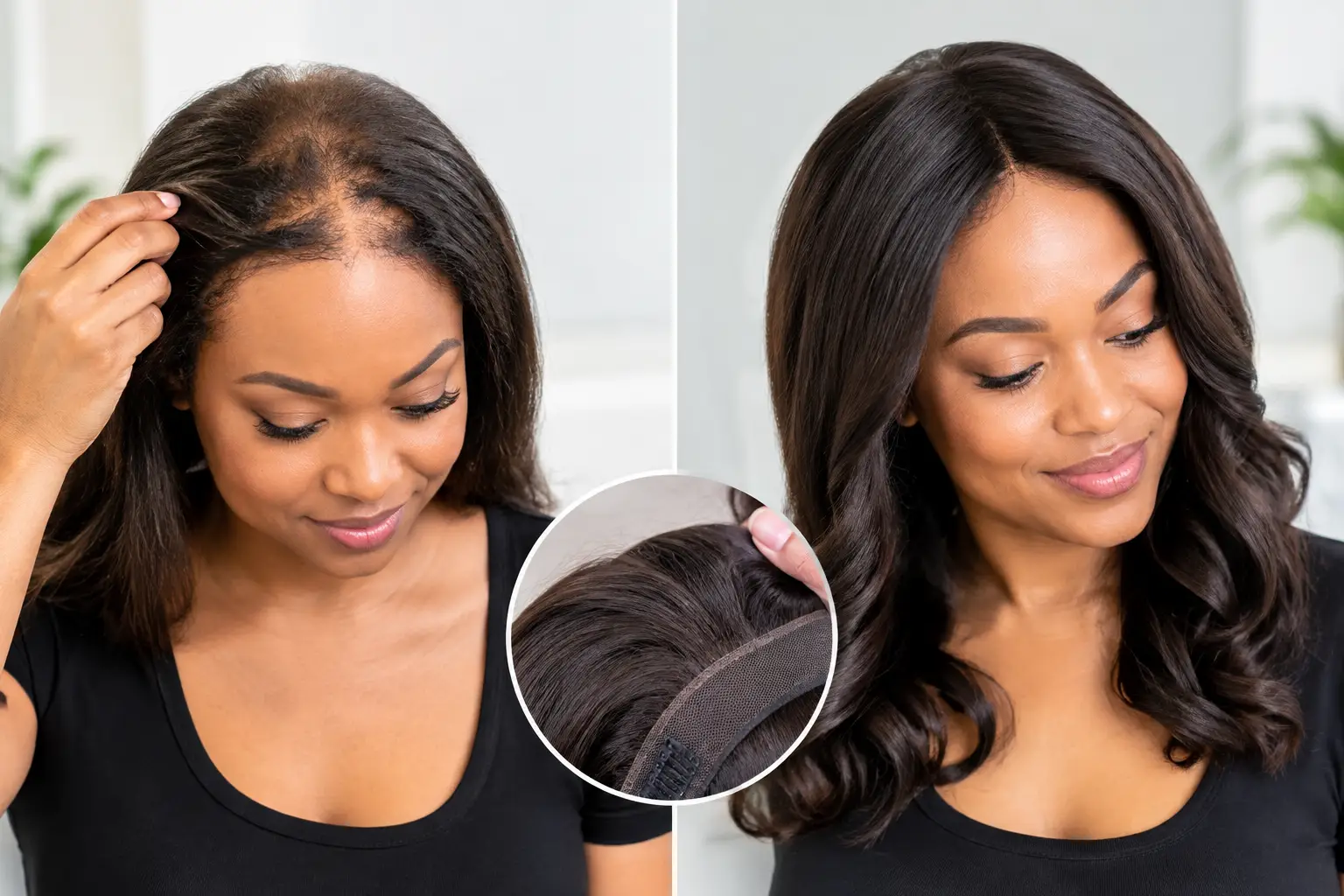
See how wig repair transformations restore comfort, fit, and natural movement with cap, hair, and attachment repairs tailored to your favorite piece today.
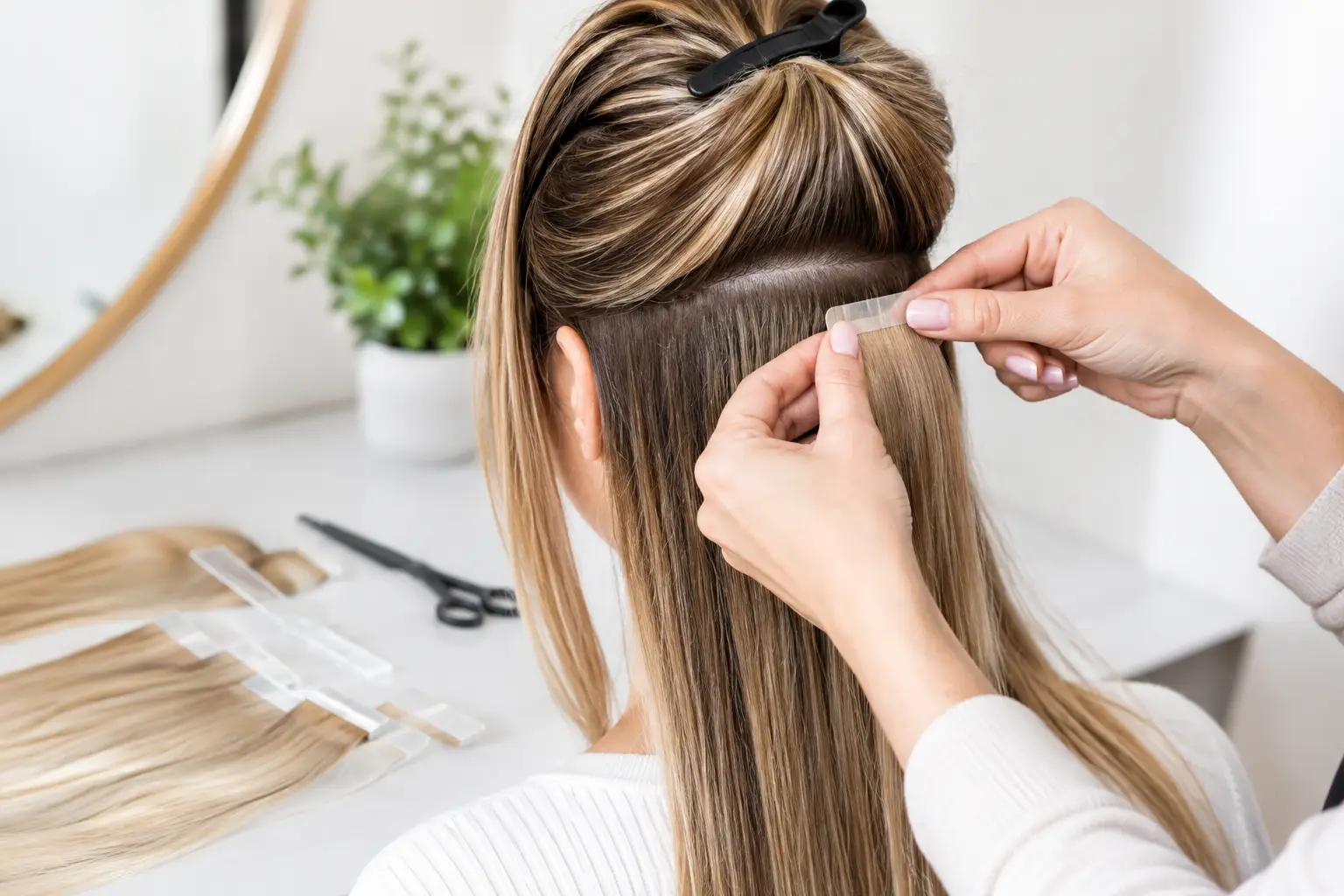
Learn how to install tape extensions with clean sections, secure sandwiches, and care tips for a natural, comfortable result that protects your hair.
