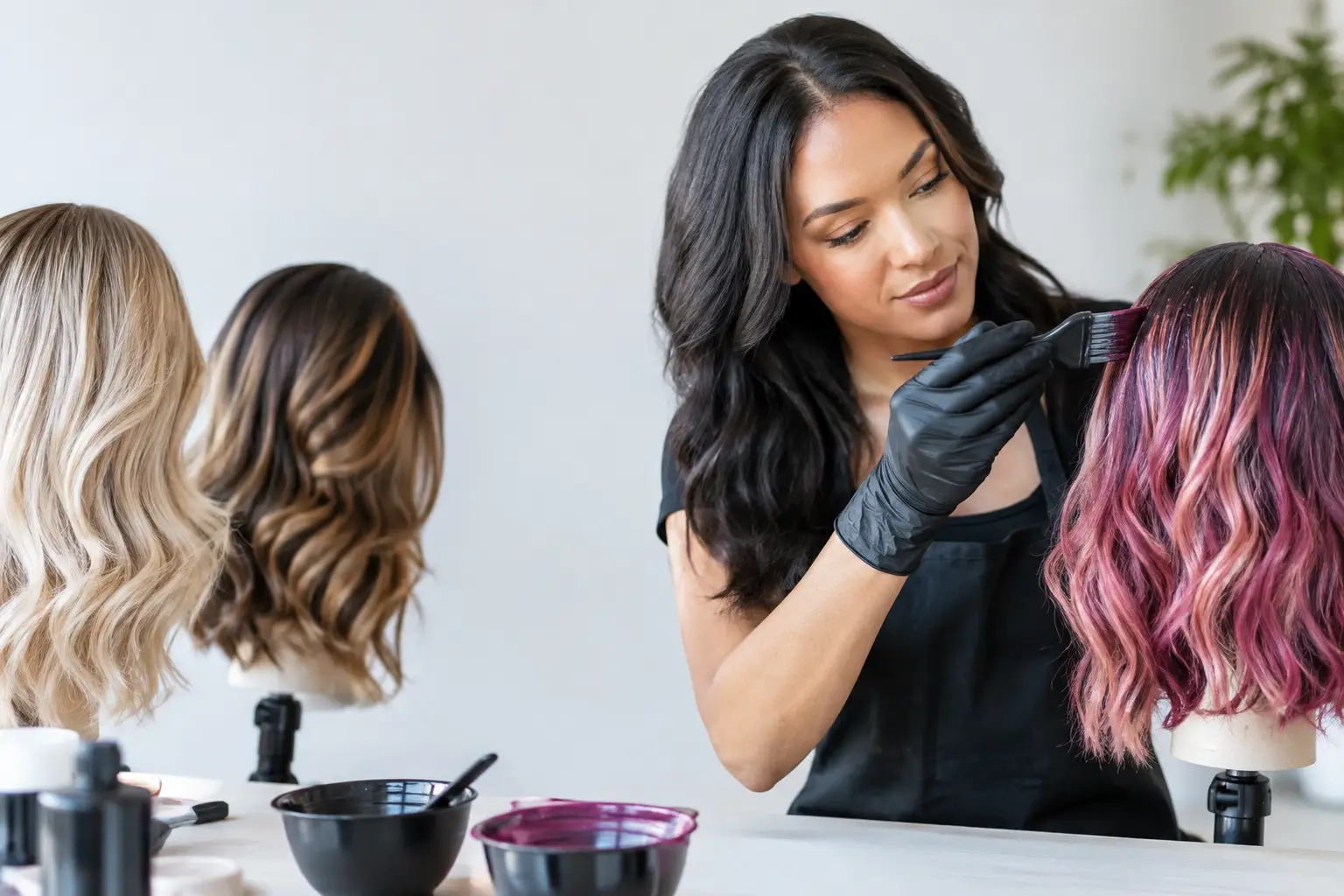

Can wigs be colored without damage? Learn which wigs can be dyed, how to protect the fibers, and when professional color services are the...


A keratin treatment can make styling feel easier, reduce frizz, and leave hair looking smoother and more polished. Knowing how to prepare for a keratin treatment helps protect the condition of your hair and gives your stylist the information needed to choose the right formula, timing, and level of smoothing for you.
This is not a service where more is always better. The best result is hair that feels soft, moves naturally, and suits your lifestyle, whether you wear your natural hair every day, rely on extensions for fullness, or alternate between wigs and protective styles.
Preparation begins with an honest look at your hair’s current condition. Keratin services use heat and smoothing ingredients to coat, soften, and help realign the hair’s surface. They can be a beautiful option for frizz, humidity, and time-consuming styling, but very fragile, over-processed, or severely damaged hair may need strengthening and recovery before it is exposed to high heat.
If you color, bleach, relax, perm, or frequently heat-style your hair, share that history during your consultation. Include home color, box dye, highlights, toner, henna, and chemical services done elsewhere. Even a service from several months ago can affect how your hair responds. A professional can assess elasticity, porosity, breakage, and scalp comfort before recommending a treatment.
At Hair A La Mode, a private consultation can help you decide whether a smoothing service is the right next step or whether your hair would benefit more from a conditioning or protein-focused plan first. There is no pressure to force one service onto every texture or hair goal.
A consultation is especially valuable if this is your first keratin treatment, you have curly or coily hair, or you are trying to preserve a particular curl pattern. Not all keratin treatments create the same finish. Some are designed mainly to reduce frizz and shorten blow-dry time, while others deliver a straighter appearance that gradually fades with washing.
Ask what result you can realistically expect for your texture. Bring up your usual routine too: Do you air-dry? Wear wash-and-go styles? Use a flat iron daily? Swim often? These details determine whether a treatment will support your habits or create more maintenance than you want.
A strand test may be recommended for lightened, highly porous, color-treated, or delicate hair. It gives the stylist a chance to see how a small section responds to the formula and heat before treating the entire head. It may add time, but it is a worthwhile safeguard when hair health is the priority.
Color and keratin treatments both affect the hair, so scheduling matters. In many cases, color is completed before a keratin treatment because the smoothing process can slightly shift or soften the final shade. Your stylist may adjust this order based on the formula, your color goal, and the condition of your hair.
Avoid booking a keratin service immediately after bleaching, a major color correction, a relaxer, or a perm unless your stylist has assessed your hair and specifically approves it. Hair that feels gummy when wet, snaps easily, sheds excessively, or has visible breakage needs a gentler approach. Smooth-looking hair is never worth sacrificing healthy-looking hair.
If you are unsure, wait and ask. A personalized schedule can help you achieve the color and finish you want without stacking stressful services too closely together.
Follow the salon’s instructions for washing before your appointment. Some keratin systems require a clarifying shampoo at the salon to remove oils, styling residue, and buildup so the treatment can work evenly. Others have different preparation rules. Do not assume that an extra-heavy oil treatment, leave-in mask, or scalp product the night before will improve your result.
Unless you are told otherwise, arrive with your hair down and free from tight braids, buns, clips, tape, and heavy styling products. Try not to scratch or irritate your scalp before the service. If your scalp is sore, sunburned, has cuts, or is actively reacting to a product, postpone the appointment and let the salon know.
Freshly washed hair is not always required before you arrive, because professional cleansing is often part of the service. What matters most is following the specific pre-appointment guidance you receive rather than applying a one-size-fits-all routine from social media.
Tell your stylist about fragrance sensitivities, scalp conditions, asthma, pregnancy, breastfeeding, allergies, or medications that may affect your skin or hair. This does not automatically rule out a keratin treatment, but it may change the formula, ventilation needs, or recommendation.
Ask direct questions about the ingredients and the salon environment. A reputable professional should explain the treatment being used, what you may notice during the service, how long it takes, and what aftercare it requires. If you feel uncomfortable with the plan, pause. You deserve to feel informed and comfortable before a chemical and heat-based service begins.
Do not try to mix or formulate a professional keratin treatment at home. Products sold under similar names can vary greatly, and incorrect application, poor ventilation, or excessive heat can lead to damage, irritation, or an uneven result. Home care is helpful; chemical processing should be handled with appropriate training and product knowledge.
Keratin treatment preparation is different when extensions, wigs, toppers, or hair-attached accessories are part of your regular look. A treatment should be performed on your natural hair only when your added hair can be safely removed and your stylist confirms it is appropriate.
Human-hair extensions may tolerate some heat styling, but they do not all respond safely to smoothing chemicals. Synthetic hair should not receive a keratin treatment. Heat can permanently alter synthetic fibers, and chemical products may weaken or dull them. If you want a smoother finish on a wig or extension set, ask about safe styling methods designed for that specific hair type.
For bonded, tape-in, sewn-in, or other semi-permanent extensions, discuss the placement and adhesive before scheduling. The treatment and flat-ironing process may affect attachments or make it difficult to process close to the roots evenly. Sometimes the best plan is to remove extensions before the service, treat and style your natural hair, then reinstall or refresh your added hair afterward.
Preparation does not end when you sit in the salon chair. Some treatments require you to keep hair dry and avoid ponytails, clips, tucking behind the ears, or washing for a defined period. Others can be rinsed or styled sooner. The instructions depend on the exact system used, so your stylist’s aftercare directions should always come first.
Schedule your appointment around your real life. If you have a beach day, intense workout, swimming lesson, humid outdoor event, or hair-washing routine planned right afterward, choose another date if your treatment calls for a dry waiting period. You do not want to invest time and care into a service only to crease or disrupt the finish before it sets.
Ask which shampoo and conditioner are appropriate after your treatment. Many clients are advised to avoid harsh cleansing products and to use moisture-supporting care that helps extend smoothness. If you have hard water, swim in chlorinated pools, or use frequent heat tools, mention it. Those factors can shorten the life of the result and may call for a more tailored maintenance routine.
A keratin treatment can reduce styling effort, but it does not permanently repair damaged hair or make every texture identical. Results and longevity depend on the formula, your hair’s porosity, washing frequency, heat use, humidity exposure, and aftercare. Most importantly, a good treatment should still feel like you.
Come prepared to discuss the finish you want, but leave room for professional advice about what your hair can safely handle. The most confidence-building result is not the straightest possible hair. It is healthy-feeling, touchable hair that makes getting ready feel more comfortable, more manageable, and more like your personal style.
Can wigs be colored without damage? Learn which wigs can be dyed, how to protect the fibers, and when professional color services are the...
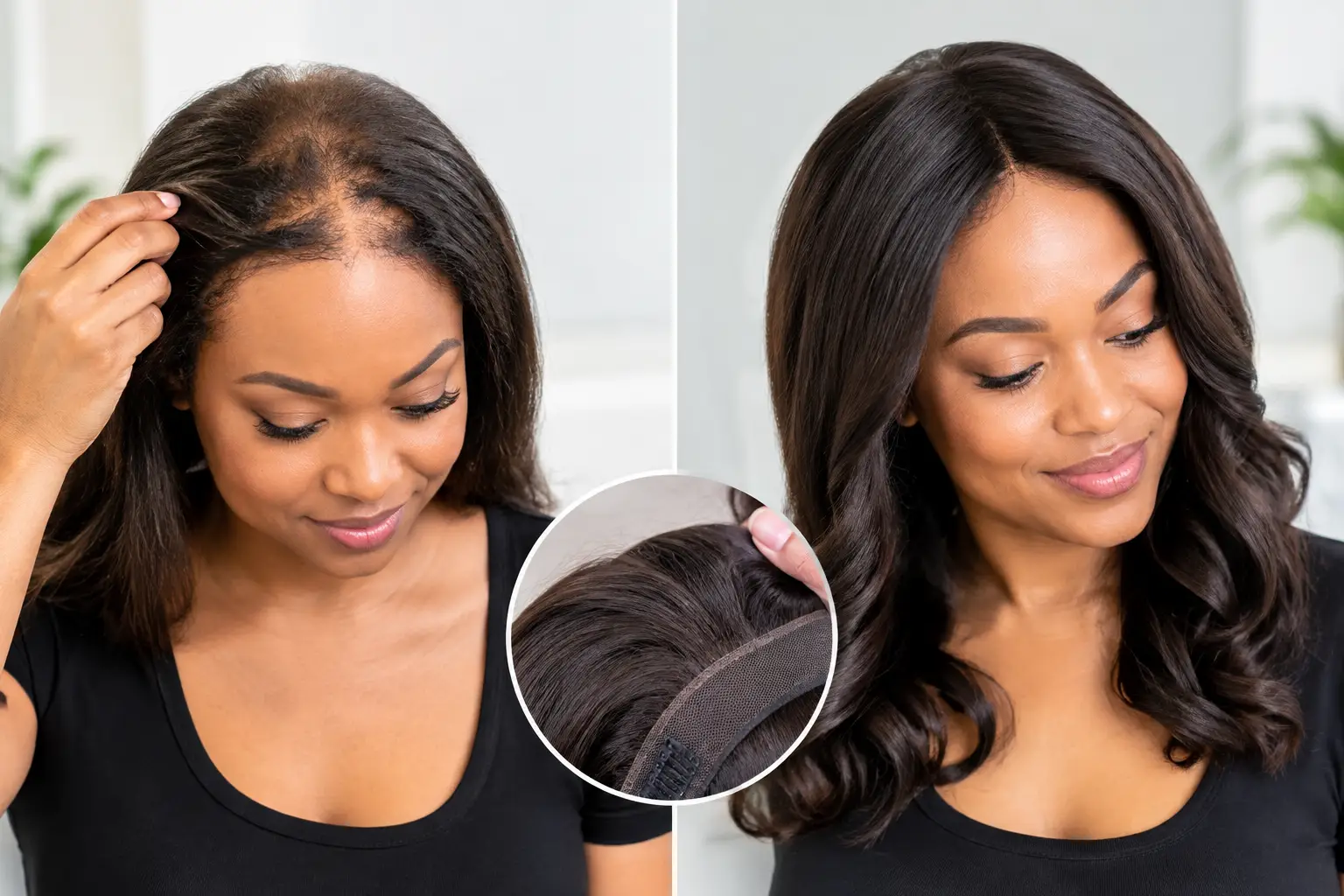
See how wig repair transformations restore comfort, fit, and natural movement with cap, hair, and attachment repairs tailored to your favorite piece today.
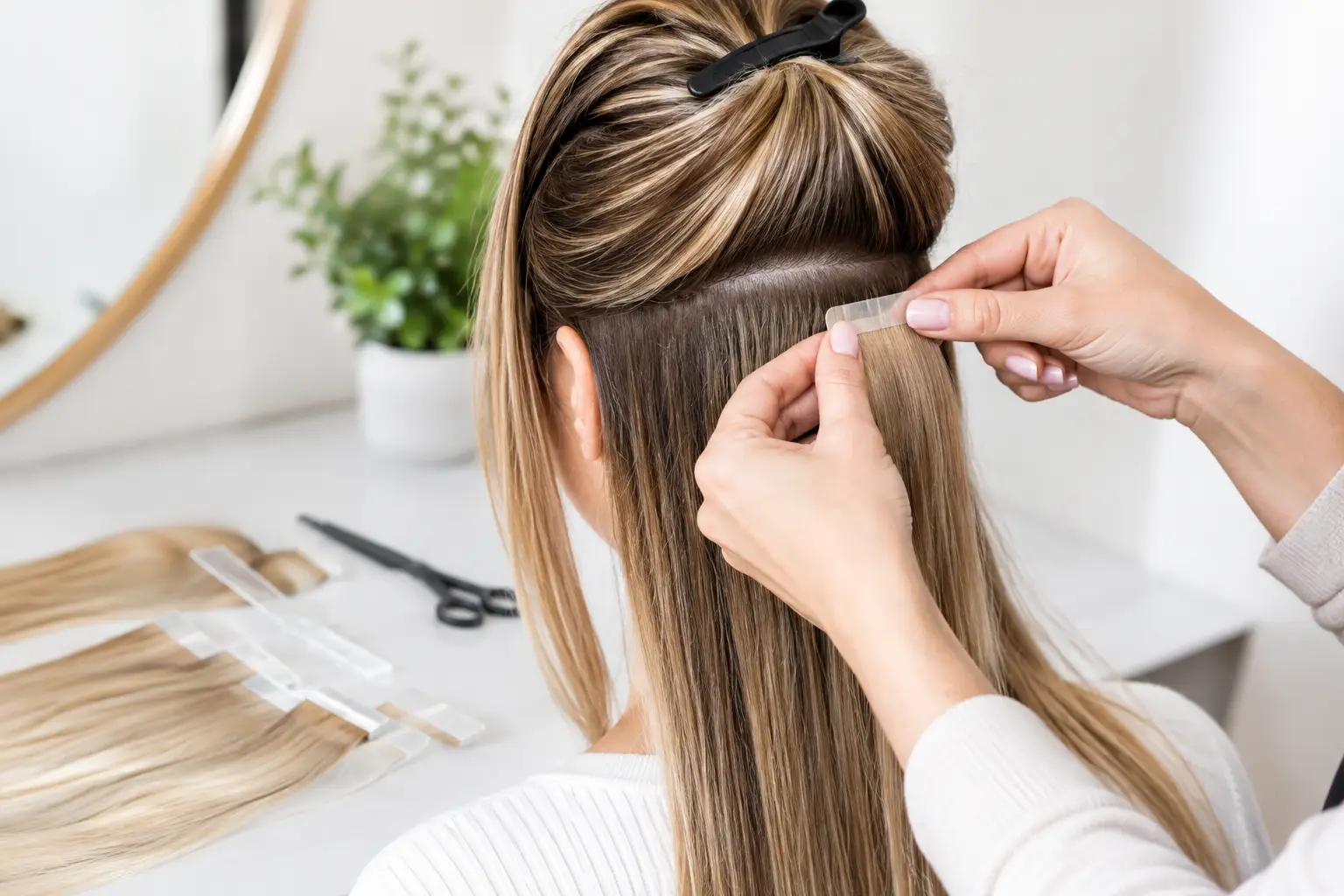
Learn how to install tape extensions with clean sections, secure sandwiches, and care tips for a natural, comfortable result that protects your hair.
