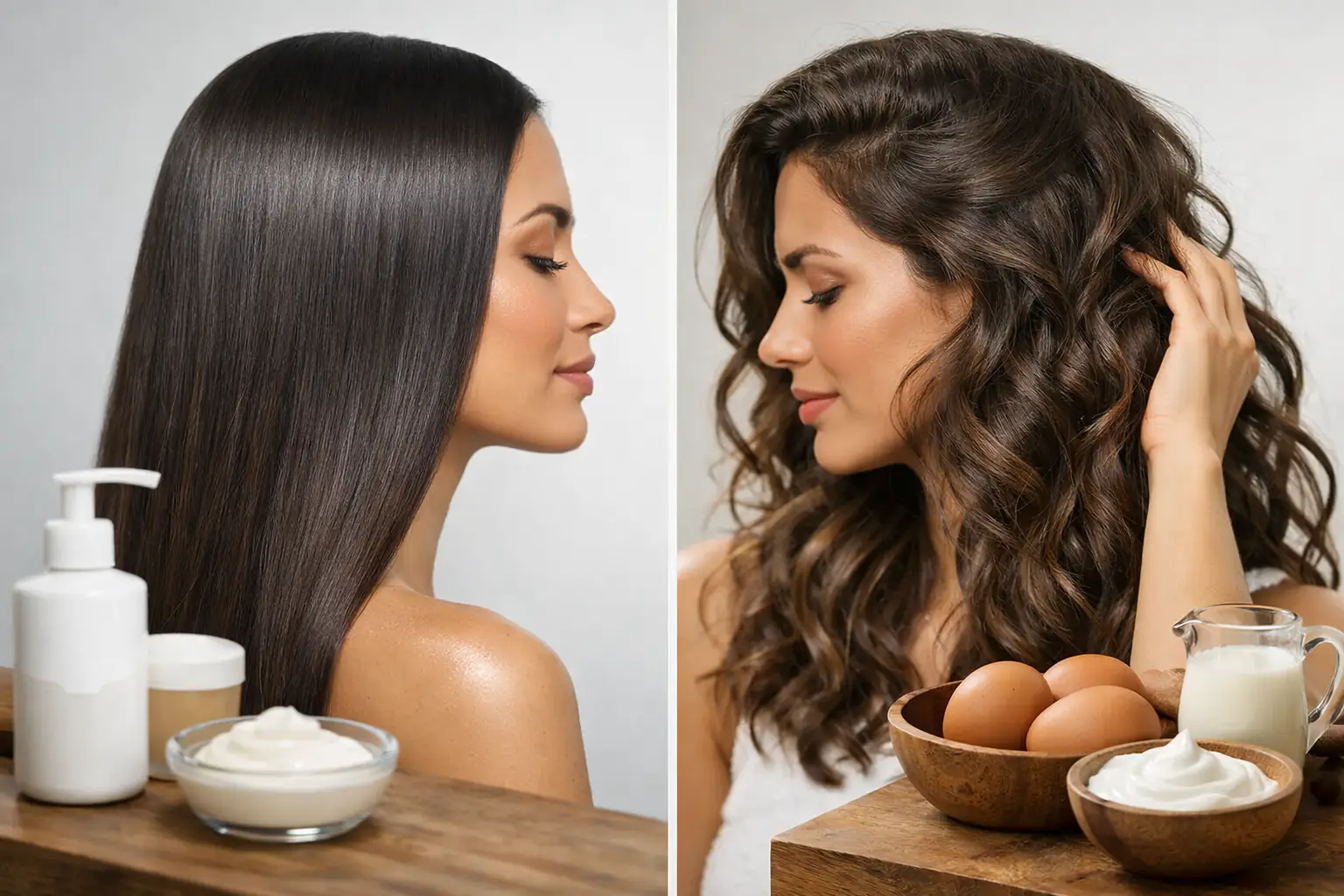
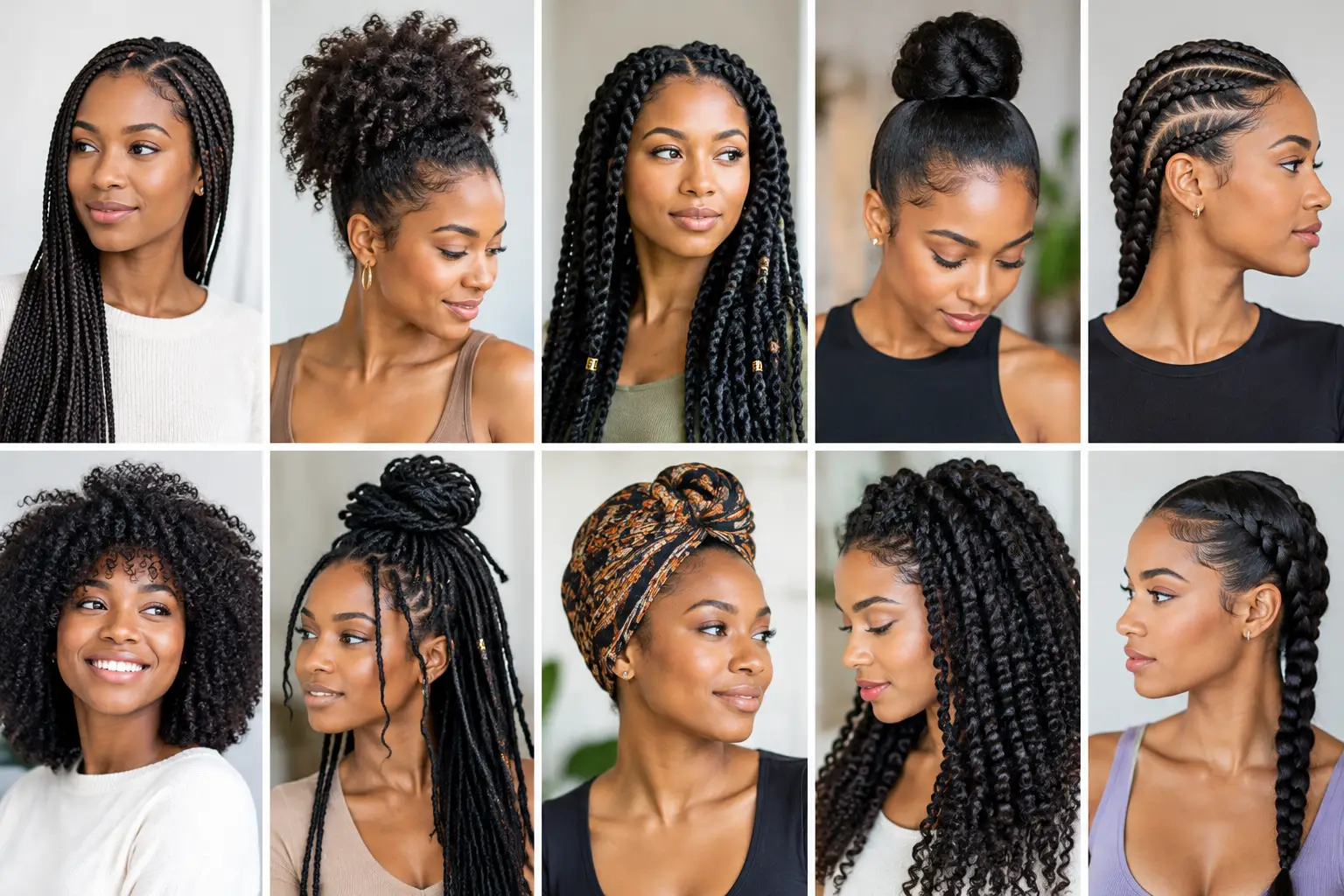

Find the best protective hairstyles for your texture, lifestyle, and comfort, with practical care tips for braids, wigs, twists, and low-tension looks.


A smooth, glossy finish can be tempting when your hair feels dry, frizzy, overprocessed, or difficult to style. But keratin vs protein treatment is not simply a choice between two salon services. Each treatment addresses a different concern, creates a different finish, and asks different things of your at-home routine. The right choice should support your hair’s condition, your texture, and the way you want to wear it.
If you wear extensions, a wig, or a protective style, this decision also deserves a closer look. A treatment may be best for the hair growing from your scalp, while your hairpiece may need a completely separate care plan. A private consultation can help you make a confident choice without guessing.
A keratin treatment is primarily a smoothing service. It coats and helps fill rough areas along the hair shaft, then uses heat to seal the treatment into place. The result is usually less frizz, softer movement, more shine, and easier blow-drying.
Keratin is a protein that naturally exists in hair, which is why the name can be confusing. A salon keratin service is not the same as applying a standard strengthening mask. Its main purpose is to improve manageability and create a smoother surface, not just to repair weak strands.
For many clients, the biggest benefit is time. Hair that normally takes a long time to blow-dry and flat iron may dry faster and need less daily heat styling. Curls and waves may look looser, depending on the formula, application technique, and your natural texture. The effect is temporary, often lasting for several weeks to a few months with proper care.
That said, a keratin treatment is not a one-size-fits-all answer. Some formulas contain ingredients that can release strong fumes during the heating process, and heat is an essential part of most services. If your hair is extremely fragile, heavily bleached, or breaking, smoothing it first may not be the safest starting point. Your stylist should assess elasticity, density, color history, and scalp comfort before recommending it.
Keratin treatments often suit people whose hair is healthy enough for heat but prone to humidity-related frizz, puffiness, and difficult detangling. They can also be helpful if you love a polished blowout but want it to last beyond a single wash day.
A keratin service may be a good fit when your goal is a smoother version of your existing hair, not pin-straight hair. If you enjoy wearing your natural waves or curls sometimes, ask about a formula and technique that reduces frizz without flattening all of your texture.
A protein treatment focuses on strength. Hair is made largely of keratin protein, and chemical coloring, bleaching, frequent heat styling, tight styling, and everyday wear can weaken its structure. When hair lacks strength, it may feel overly soft, stretchy when wet, limp, or prone to snapping.
Protein treatments temporarily reinforce damaged areas of the hair shaft. Depending on the product and service, they may contain hydrolyzed proteins, amino acids, or bond-supporting ingredients that help hair feel stronger and more resilient. They are especially useful when your hair has lost its ability to hold a style, breaks during detangling, or feels mushy after washing.
Unlike a keratin smoothing service, a protein treatment does not usually straighten hair or protect it from humidity in the same way. You may notice less breakage and better structure, but your curl pattern, wave pattern, and natural volume remain largely the same.
Protein services range from light conditioning treatments to more intensive salon-strength formulas. The level matters. Hair with mild dryness may only need a gentle protein mask, while severely compromised hair may need a carefully planned series of strengthening and moisturizing appointments.
A few signs can point toward a protein-focused service: excessive shedding or breakage, limp strands that will not hold a curl, hair that stretches too far while wet, or damage after bleaching and repeated color changes. A professional assessment is especially helpful because dryness and protein loss can feel similar at first.
Hair that needs moisture can also feel rough and fragile. Adding more protein to dry, stiff hair can make it feel worse, which is why diagnosis matters more than choosing the strongest treatment on the menu.
The clearest way to compare keratin vs protein treatment is by goal. Keratin treatment is about smoothing, shine, and easier styling. Protein treatment is about reinforcing weakened strands and reducing the appearance of damage-related weakness.
A keratin service can make hair feel healthier because it looks sleek and reflects more light. Still, that visual improvement does not automatically mean the internal structure is fully repaired. Protein can help compromised hair feel stronger, but it will not necessarily give you the silky, humidity-resistant finish associated with a smoothing service.
There is also a difference in maintenance. After a keratin service, you may be advised to use gentle, sulfate-free products and avoid washing too soon, depending on the formula used. Saltwater, chlorine, frequent shampooing, and high-heat styling can shorten the life of the smooth finish.
After a protein treatment, balance is the priority. Your hair still needs moisture, slip, and gentle handling. Repeating intense protein treatments too frequently can lead to stiffness, tangling, or brittle ends. Your stylist may recommend alternating a strengthening treatment with moisturizing masks and regular trims.
Yes, but timing and hair condition are everything. Someone with color-damaged, frizzy hair may need a protein-focused plan first, followed by a keratin treatment once the hair has regained enough strength for heat-based smoothing. Another person may receive a keratin service and then use light protein care occasionally to maintain resilience.
The safest order depends on what your hair is telling you. If it breaks easily, feels elastic when wet, or has been recently lightened, prioritize repair and gentle care. If it is strong but constantly frizzes in humidity and requires too much heat to style, smoothing may be the more practical solution.
Avoid layering multiple strong services at home in an attempt to get instant results. A box treatment cannot account for your color history, porosity, or the condition of your ends. Overlapping chemical processing and high heat can turn a manageable concern into breakage that takes months to grow out.
Human hair extensions and human hair wigs need thoughtful care, but they do not receive natural oils from the scalp the way growing hair does. They are also often color-treated before you purchase them. A keratin or protein treatment may be possible on certain human hair pieces, but it should be approached carefully and performed by someone who understands the hairpiece construction.
Heat and chemicals can affect the texture, color, and lifespan of extensions or a wig. They may also compromise knots, lace, adhesive areas, clips, or the cap if applied incorrectly. Synthetic hair should not receive standard keratin or protein salon services. It requires products and heat settings designed specifically for synthetic fibers.
At Hair A La Mode, a stylist can assess whether your own hair, extensions, or wig would benefit from conditioning, restyling, repair, or a different maintenance approach. The goal is always natural-looking hair that feels comfortable and remains wearable.
Start with your main frustration. If your hair is strong but takes too long to style, expands in humidity, and feels coarse on the surface, keratin may offer the polished, lower-maintenance finish you want. If it feels weak, overly stretchy, or breaks after color and heat exposure, protein may be the better first step.
Then consider your routine. Keratin works best for someone willing to follow the recommended aftercare and protect the results. Protein works best when it is part of a balanced regimen that includes moisture and does not overdo strengthening products.
Your hair does not need to look perfect to deserve professional care. Whether you choose smoother styling, stronger strands, a protective style, or a custom hair solution, the best result is one that helps you feel comfortable, confident, and like yourself every time you look in the mirror.
Find the best protective hairstyles for your texture, lifestyle, and comfort, with practical care tips for braids, wigs, twists, and low-tension looks.
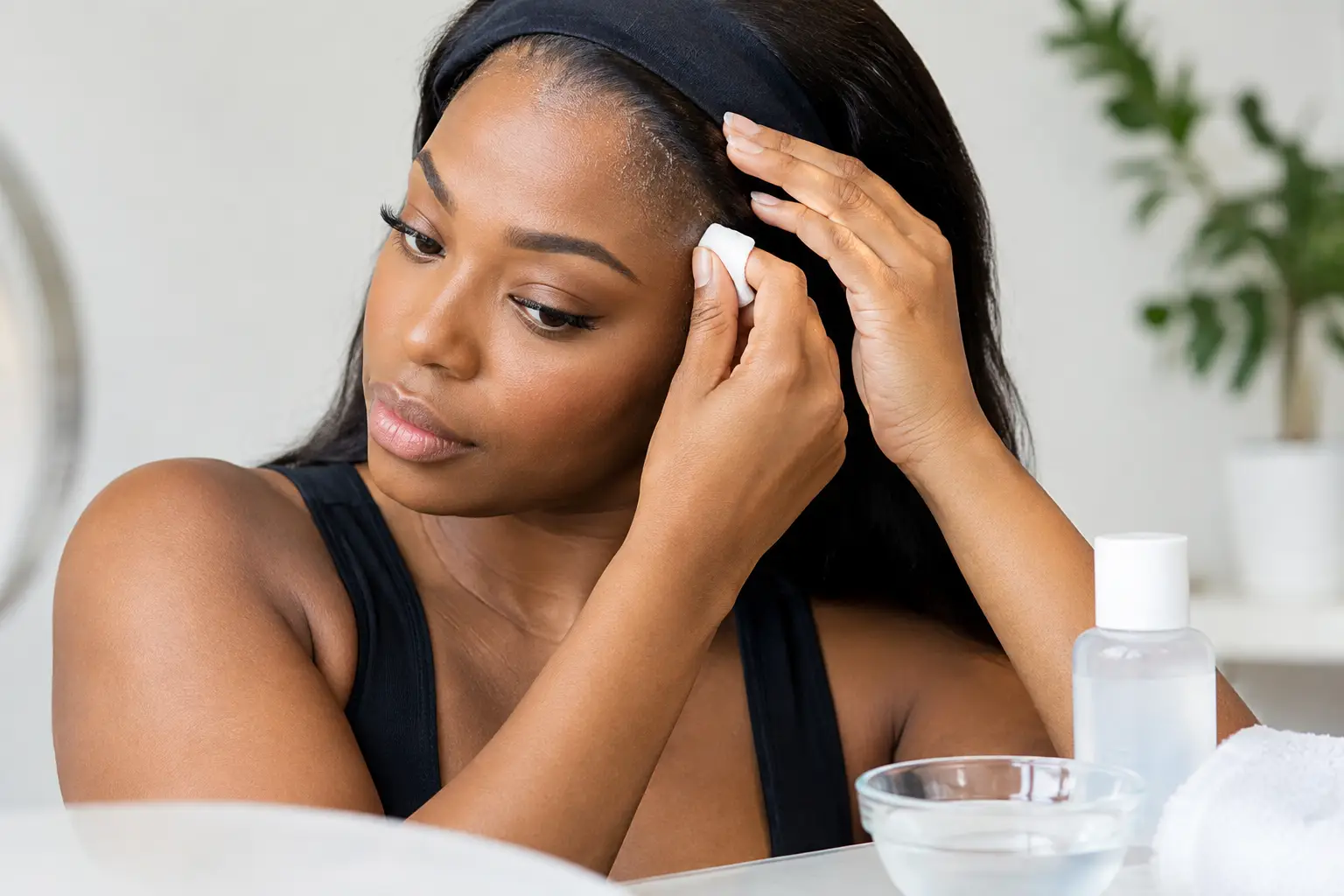
Learn how to remove wig adhesive gently, protect your skin and hairline, and clean your lace wig for a comfortable, confident next wear at...
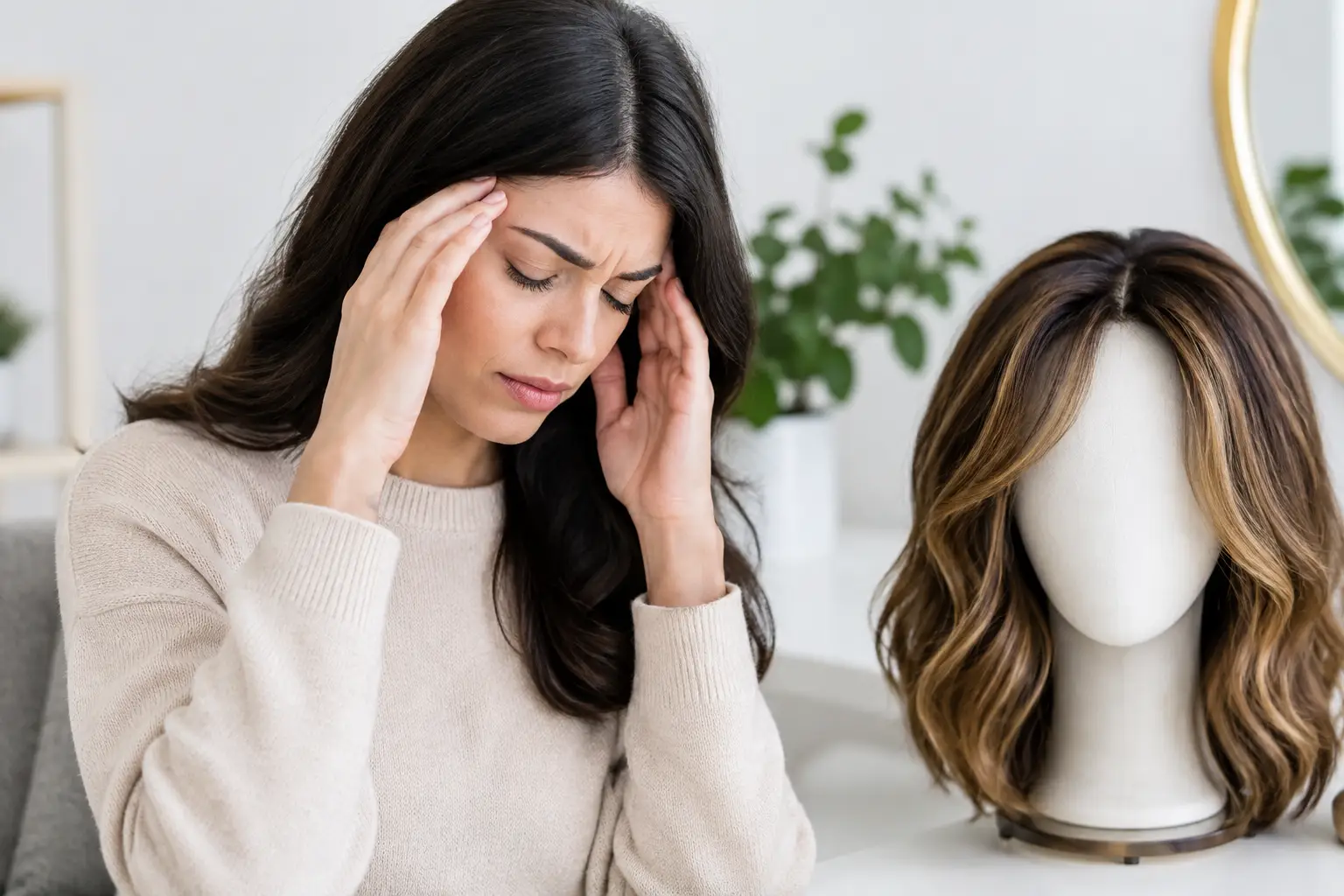
Do wigs cause headaches? Learn how fit, pressure, heat, and styling affect comfort, with practical ways to wear your wig pain-free every day with...
