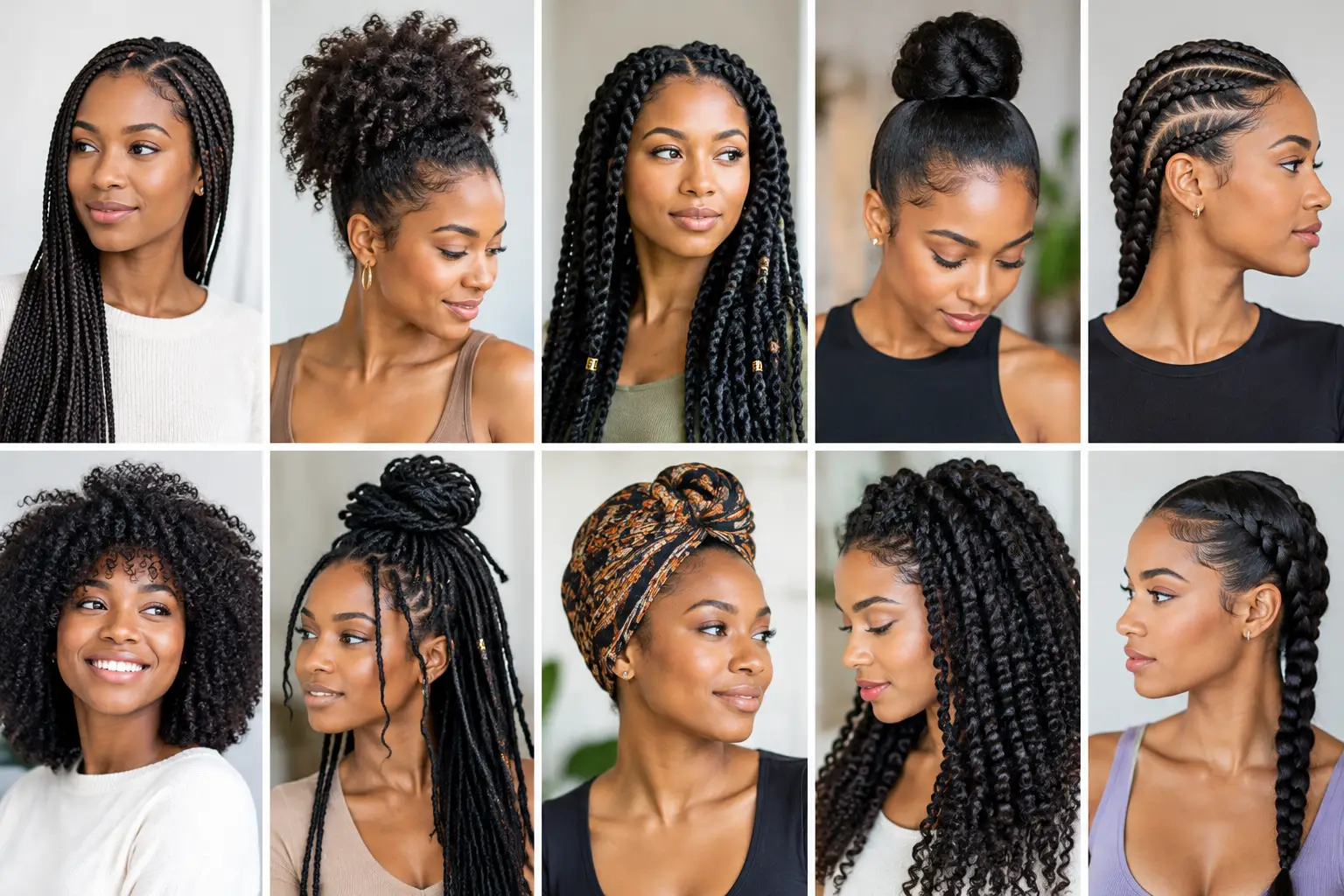

Find the best protective hairstyles for your texture, lifestyle, and comfort, with practical care tips for braids, wigs, twists, and low-tension looks.


When your hair feels rough after coloring, heat styling, extensions, or everyday wear, a keratin treatment for damaged hair can sound like the fast path back to softness and shine. It can be a beautiful option for the right person, especially if frizz, swelling, and difficult styling are making your hair feel less like you. But it is not a cure for split ends or severe breakage, and choosing the right formula and timing matters.
A professional conversation should begin with your hair’s current condition, not just the smooth result you want. Your texture, color history, porosity, density, daily routine, and comfort with heat all help determine whether a keratin service is a good fit.
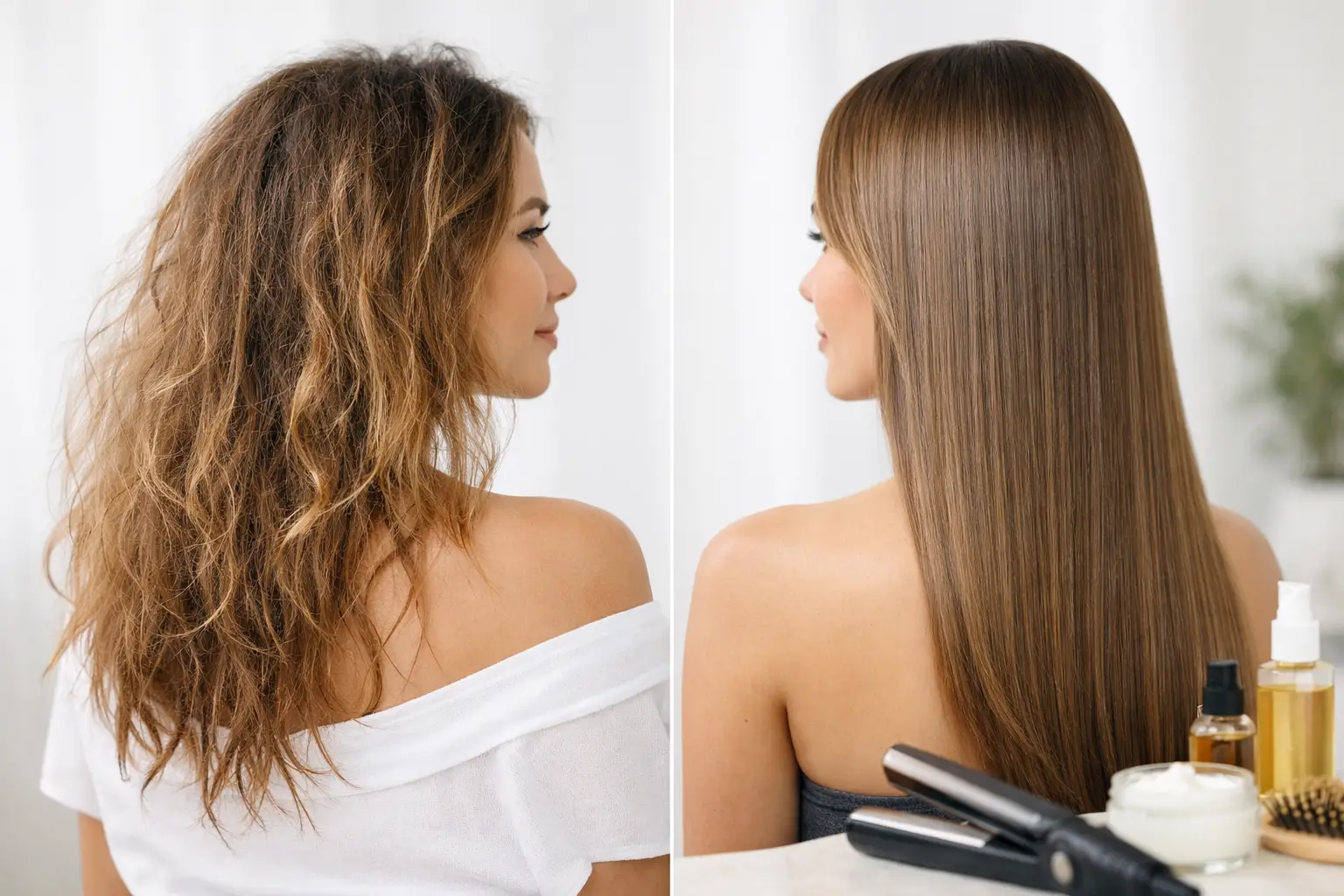
Keratin is a protein naturally found in hair. Salon smoothing treatments use proteins, conditioning ingredients, and heat to coat and temporarily smooth the hair surface. The result is usually hair that looks shinier, feels softer, dries faster, and is easier to blow-dry or style.
The word “repair” can be misleading. Once a hair strand is split or broken, no treatment can permanently fuse it back together. A keratin service can make compromised hair appear and feel more polished by filling rough areas and reducing friction between strands. That can make detangling gentler and styling easier, which may help prevent additional mechanical damage.
Results vary by formula, hair type, and aftercare. Some treatments primarily reduce frizz while keeping your natural wave or curl pattern. Others create a much straighter finish. A stylist should explain which outcome you can realistically expect before any product is applied.
A smoothing treatment may be worth considering when your hair is generally healthy enough to tolerate heat but has become dry, porous, puffy, or hard to manage. It can be especially helpful for hair that expands in humidity, catches during brushing, or requires too much daily flat-ironing to look smooth.
For many clients, the biggest benefit is not pin-straight hair. It is time and ease. Less blow-drying, less tugging with a brush, and fewer passes with a hot tool can make a real difference to a busy routine. Hair may also look more reflective and move more smoothly, helping a color service or fresh cut look more finished.
It can also be a thoughtful option before wearing a wig or hairpiece regularly, if your goal is to make your natural hair easier to cleanse, condition, and style underneath. The service should never feel like a requirement, though. Protective styles, wigs, extensions, and hair-attached hats can all be personalized around the condition of your natural hair.
A keratin treatment is not always the first answer. If your hair stretches excessively when wet, snaps easily, feels gummy after lightening, or has visible breakage throughout the length, a smoothing service may need to wait. The heat required to seal many treatments can be too much for highly compromised strands.
In that situation, a trim, a customized conditioning plan, lower-manipulation styling, or a carefully selected protein and moisture routine may be more appropriate. Hair that has been repeatedly bleached, relaxed, permed, or heavily heat-styled deserves an especially cautious approach.
A good consultation is private, specific, and pressure-free. Be open about every chemical process your hair has had, including at-home color, highlights, relaxers, texture services, and recent toners. Also mention if you wear extensions, have a sensitive scalp, are pregnant, experience scalp irritation, or have had a reaction to salon products before.
Ask what brand and type of smoothing treatment will be used, how long the result typically lasts, and how much heat is involved. The answer should be clear, not vague. Keratin services are not identical, and formulas can differ greatly in their ingredients, processing steps, scent, ventilation needs, and straightening effect.
You should also ask whether the service is compatible with your current color. Some treatments can shift the tone of blond, gray, or fashion-colored hair, while others are designed to work more gently with color-treated hair. If you are protecting an investment in highlights, a custom wig, or extensions, planning matters even more.
At Hair A La Mode, the best approach is to match the service to your hair goals and your real-life routine, rather than promising one finish for everyone. A smooth result should still feel comfortable, natural-looking, and manageable for you.
Some keratin and smoothing treatments may release formaldehyde or formaldehyde-related compounds when heated. This is why professional application, proper salon ventilation, and honest product information are essential. If you are sensitive to strong scents or fumes, have respiratory concerns, or simply prefer to avoid certain ingredients, say so before booking.
Do not assume that labels such as “natural,” “organic,” or “formaldehyde-free” automatically tell the whole story. Ask your stylist to discuss the specific formula and whether it is appropriate for your needs. A patch test may also be advisable for clients with a history of allergies or product sensitivity.
Safety also includes respecting the condition of your hair. Applying a smoothing treatment too soon after aggressive bleaching or layering it repeatedly without evaluation can lead to more dryness or breakage. The goal is never to force an immediate glossy finish at the expense of healthy hair over time.
Most keratin treatments last for weeks or months, depending on the service, your texture, and how often you wash. Follow the care instructions given for your specific treatment. Some formulas have a waiting period before washing, while others allow you to shampoo soon after the appointment.
Use a gentle shampoo and conditioner recommended for chemically treated or smoothed hair. Avoid harsh cleansing too often, especially if your hair is dry or color-treated. When you do wash, focus shampoo on the scalp and let the lather move through the lengths instead of aggressively scrubbing the ends.
Heat protection still matters. A keratin service can reduce your styling time, but it does not make your hair heat-proof. Use a heat protectant before blow-drying or hot tools, keep temperatures appropriate for your hair type, and avoid passing a flat iron over the same section again and again.
Moisture remains important, too. Alternate a nourishing mask with your regular conditioner when needed, but do not overload your hair with protein-heavy products. Hair that feels stiff, dry, or straw-like may need more moisture and less added protein. This balance is personal, which is why one person’s favorite mask may not be right for another person’s hair.
Clients often use these terms interchangeably, but they serve different purposes. A keratin smoothing treatment is a salon service designed to reduce frizz and improve manageability for a period of time. A protein treatment is usually intended to support weak or overly processed hair, while moisturizing care focuses on softness, flexibility, and hydration.
Damaged hair often needs both strength and moisture, but not necessarily in equal amounts. If your strands feel limp and stretch too much, targeted protein may help. If they feel brittle and stiff, moisture may be the priority. A professional assessment can prevent the common mistake of treating every concern with more protein.
The right keratin service should make your routine easier without asking your hair to become something it is not. Some people want a sleek, straighter finish. Others want to keep their curls and simply reduce the halo of frizz. Both goals are valid, and both require a clear plan before the appointment begins.
If your hair is fragile, give yourself permission to choose care over speed. A trim, protective style, conditioning schedule, or a temporary wig solution may be the most confidence-building next step while your natural hair recovers. Healthy-looking hair is never one-size-fits-all, and the best choice is the one that leaves you feeling comfortable every time you look in the mirror.
Find the best protective hairstyles for your texture, lifestyle, and comfort, with practical care tips for braids, wigs, twists, and low-tension looks.
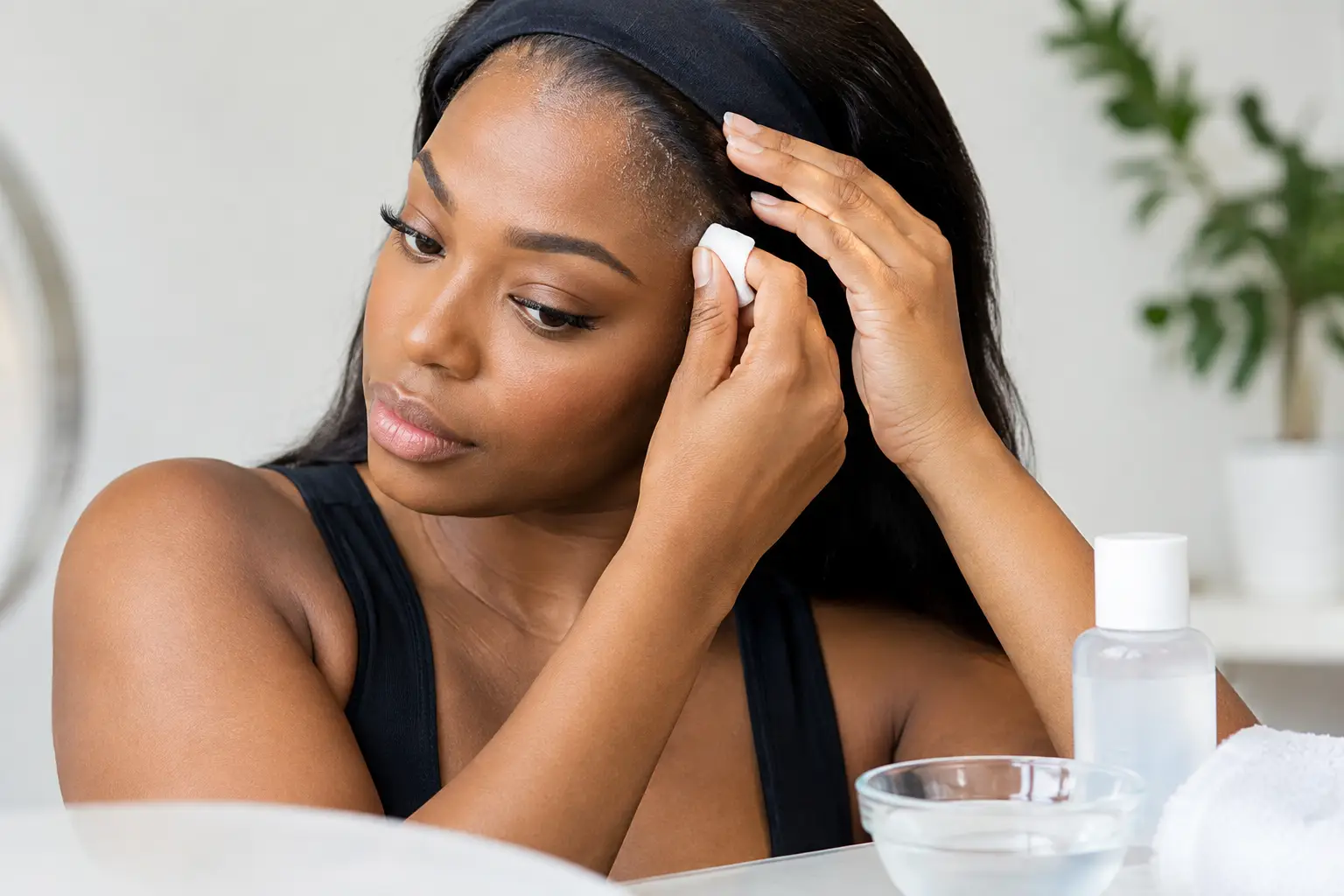
Learn how to remove wig adhesive gently, protect your skin and hairline, and clean your lace wig for a comfortable, confident next wear at...
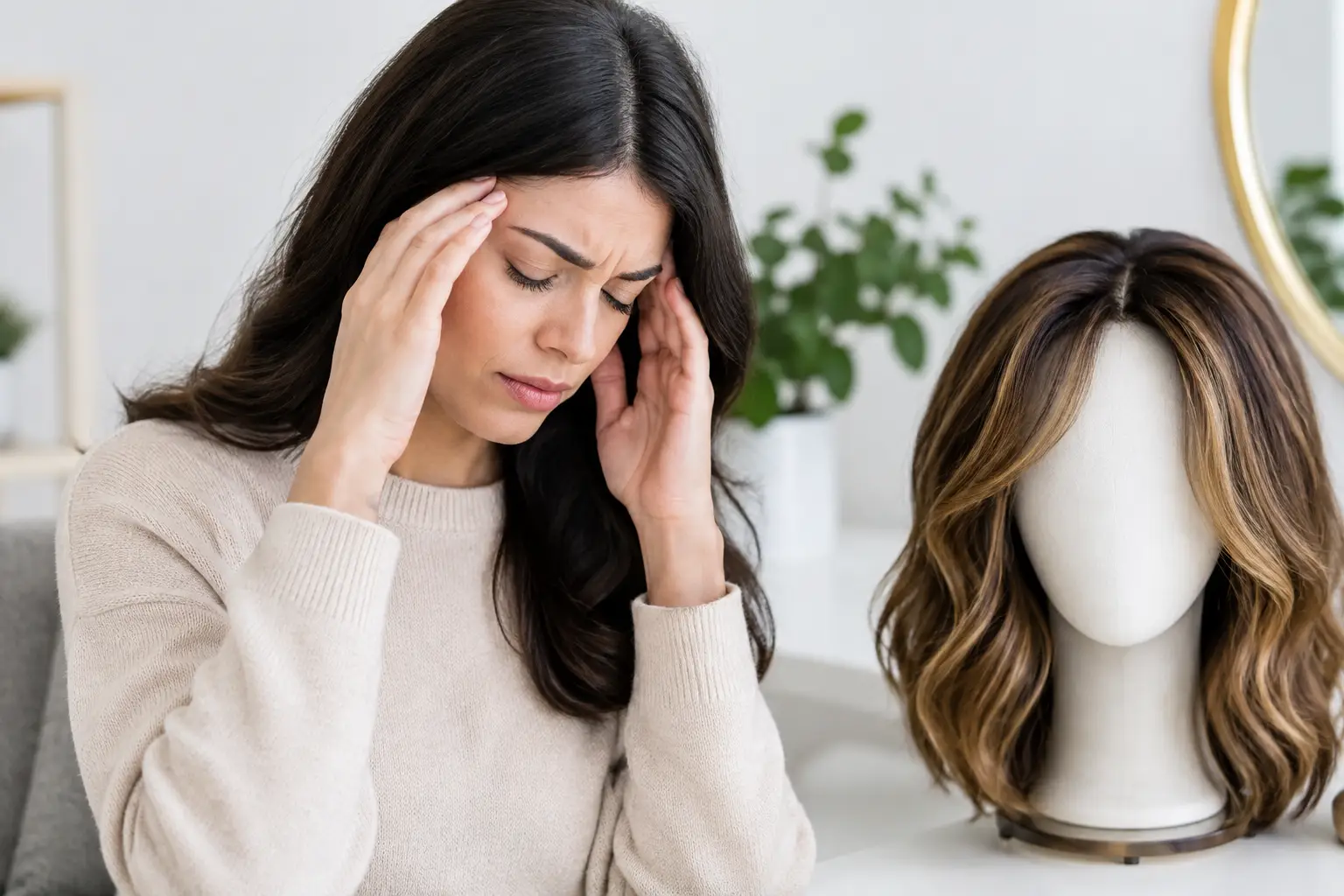
Do wigs cause headaches? Learn how fit, pressure, heat, and styling affect comfort, with practical ways to wear your wig pain-free every day with...
