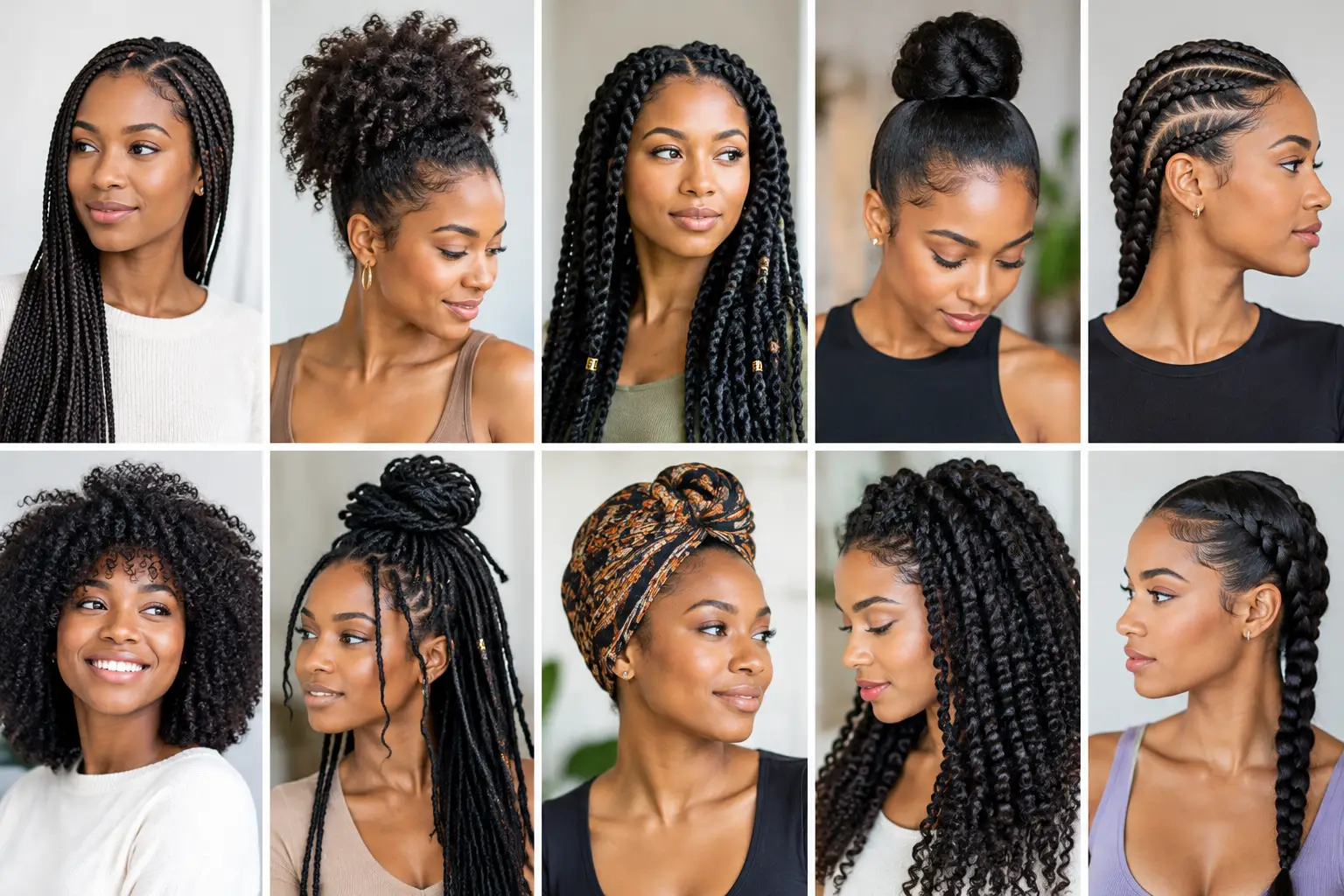

Find the best protective hairstyles for your texture, lifestyle, and comfort, with practical care tips for braids, wigs, twists, and low-tension looks.


Extensions should feel like an enhancement, not a daily worry. The right choice can give you soft fullness, length, color dimension, or a polished style while still feeling comfortable and looking like your own hair. This hair extension types guide explains the main options, who they suit, and the practical details that matter before you commit.
The best extension method depends on more than the look you want. Your natural hair density, texture, lifestyle, budget, and willingness to maintain the installation all matter. A method that is perfect for occasional volume may not be the best fit for someone who wants to swim, work out, or wear extensions every day.
Think first about the result. Do you want fuller hair for special events? Longer hair that stays in place for weeks? A protective style with minimal heat? Or a temporary change in color without processing your natural hair? Once you know the goal, choosing a method becomes much easier.
It is also worth being honest about your hair’s current condition. Fine, fragile, chemically treated, or thinning hair needs a gentle, customized approach. Extensions should never feel painful, pull at the scalp, or leave you afraid to brush your hair. In some cases, a lightweight topper, wig, or band-fall style may offer more coverage and comfort than extensions.
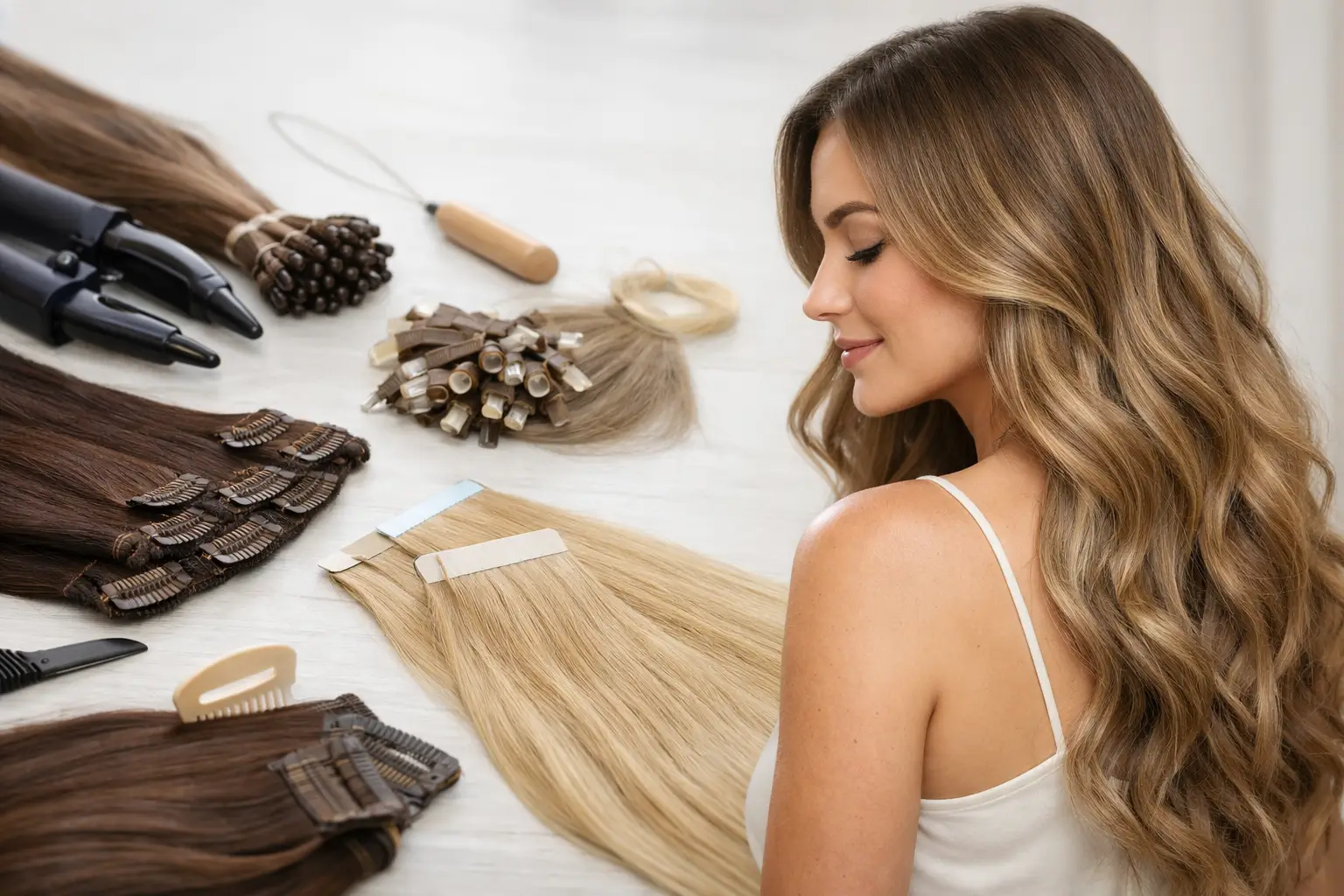
Clip-in extensions are wefts of hair with small pressure-sensitive clips. You apply them at home or have them placed and blended professionally, then remove them before bed. They are a popular choice for weddings, vacations, photos, or anyone who wants the freedom to change their look without a long-term installation.
The biggest benefit is control. You can add one or two pieces for fullness around the sides, or use a full set for dramatic length. Because clip-ins are removed daily, they can be easier on the natural hair when used correctly.
The trade-off is that placement takes practice. Clips must sit securely on healthy hair and be covered well enough to look natural. Wearing them in the exact same place every day can create stress on one area, so vary the placement when possible. Clip-ins are usually not ideal for sleeping, swimming, or people with significant thinning at the crown.
Halo extensions rest on the head with a clear, adjustable wire hidden beneath a layer of your own hair. They are among the quickest temporary options for adding length and fullness, especially if you do not want clips or tape near your scalp.
A halo can be wonderfully comfortable when fitted correctly, but it needs enough natural hair to cover the band and blend with the extension. It is best for occasional wear rather than active workouts or windy, high-movement days.
Tape-in extensions use thin wefts attached with medical-grade adhesive tape. A small section of natural hair is placed between two extension tabs, creating a flat, discreet bond that lies close to the head. For many clients, tape-ins offer a natural-looking result with less bulk than some traditional extension methods.
They work beautifully for adding fullness and moderate length, particularly on fine to medium hair. The panels are thin, so they can blend well when the color and placement are carefully matched. A professional installation also makes it easier to keep the bonds away from areas that need extra protection.
Tape-ins generally need to be moved up as your hair grows, often every six to eight weeks. Oils, heavy conditioners, and some styling products can affect the adhesive, so product placement matters. You also need to avoid applying conditioner directly at the roots and should not pull a brush through the tape area.
Sew-in extensions, also called weaves, are attached by sewing wefts onto a braided foundation. This method is often chosen by clients with textured hair who want lasting fullness, length, or a versatile protective style. Depending on the installation, some of your natural hair may be left out to cover and blend with the wefts, while a closure or frontal can create full coverage.
A well-installed sew-in can offer a secure, beautiful finish that holds up well to daily styling. It can also reduce frequent heat styling on the lengths of your natural hair. Still, secure should never mean tight. Excess tension at the braids can cause discomfort, breakage, and traction-related hair loss.
Your scalp should feel comfortable from the first day. If an installation hurts, causes headaches, or feels too heavy, have it checked promptly. Regular cleansing, thorough drying, and timely removal are essential. Leaving a sew-in in too long can lead to tangling at the roots and make detangling more difficult.
Fusion extensions use small individual strands attached to sections of your natural hair with a keratin bond. The bonds are typically softened with a professional heat tool, then rolled into place. Cold-fusion methods, such as micro links or beads, secure individual strands without heat but still require careful sectioning and maintenance.
Individual extensions can create an exceptionally natural movement because the hair is placed in small sections rather than larger wefts. They are useful for detailed blending, subtle fullness, and customized color placement. They also allow you to wear a range of hairstyles when applied thoughtfully.
These methods take longer to install and are usually a larger investment. They require regular maintenance, gentle brushing, and professional removal. They are not automatically right for every hair type. Very fragile hair, active shedding, or a sensitive scalp may need a lower-tension option instead.
Most long-wear extension methods are created with human hair because it can be washed, styled, and blended more naturally with your own hair. Quality human hair can be curled, straightened, and colored with professional guidance, although repeated heat and lightening will still affect its condition.
Synthetic extensions can be a practical choice for temporary styles, braiding hair, colorful looks, or a lower initial price point. Some heat-friendly synthetic fibers can tolerate low heat, but not all synthetic hair can. Always follow the heat guidance for the specific fiber. A curling iron that is safe for human hair can permanently damage standard synthetic strands.
No matter which material you choose, color matching is just as important as length. A natural-looking installation often uses more than one shade to reflect the dimension already present in your hair. Texture matters, too. Straight extensions placed in naturally curly hair will require more styling work and may not blend as easily between wash days.
Choose clip-ins or a halo if you want a removable style for events, occasional volume, or flexible length. Consider tape-ins if you want lightweight, flat bonds that can be reused and maintained on a regular schedule. Sew-ins may suit clients looking for a secure, longer-lasting style on textured hair, as long as the braid foundation is healthy and comfortable. Fusion or micro-link methods can be a fit when you want highly customized, strand-by-strand blending and are prepared for detailed upkeep.
The installation is only part of the decision. A good extension plan includes your at-home routine, salon maintenance, and a safe removal process. Use a soft extension brush, support the hair near the roots as you detangle, and start brushing from the ends. Keep heavy oils and masks away from bonds or tape. Before bed, wear the hair in a loose braid or low ponytail if recommended for your method, and never go to sleep with wet extensions.
A private consultation can make the process feel much less overwhelming. At Hair A La Mode, the focus is not simply on adding hair. It is finding a solution that respects your natural hair, matches your lifestyle, and helps you feel polished without sacrificing comfort.
The most flattering extensions are rarely the ones that look the biggest in the package. They are the ones that blend with your texture, sit comfortably at the scalp, and let you move through your day feeling like yourself, only with a little more of the hair you love.
Find the best protective hairstyles for your texture, lifestyle, and comfort, with practical care tips for braids, wigs, twists, and low-tension looks.
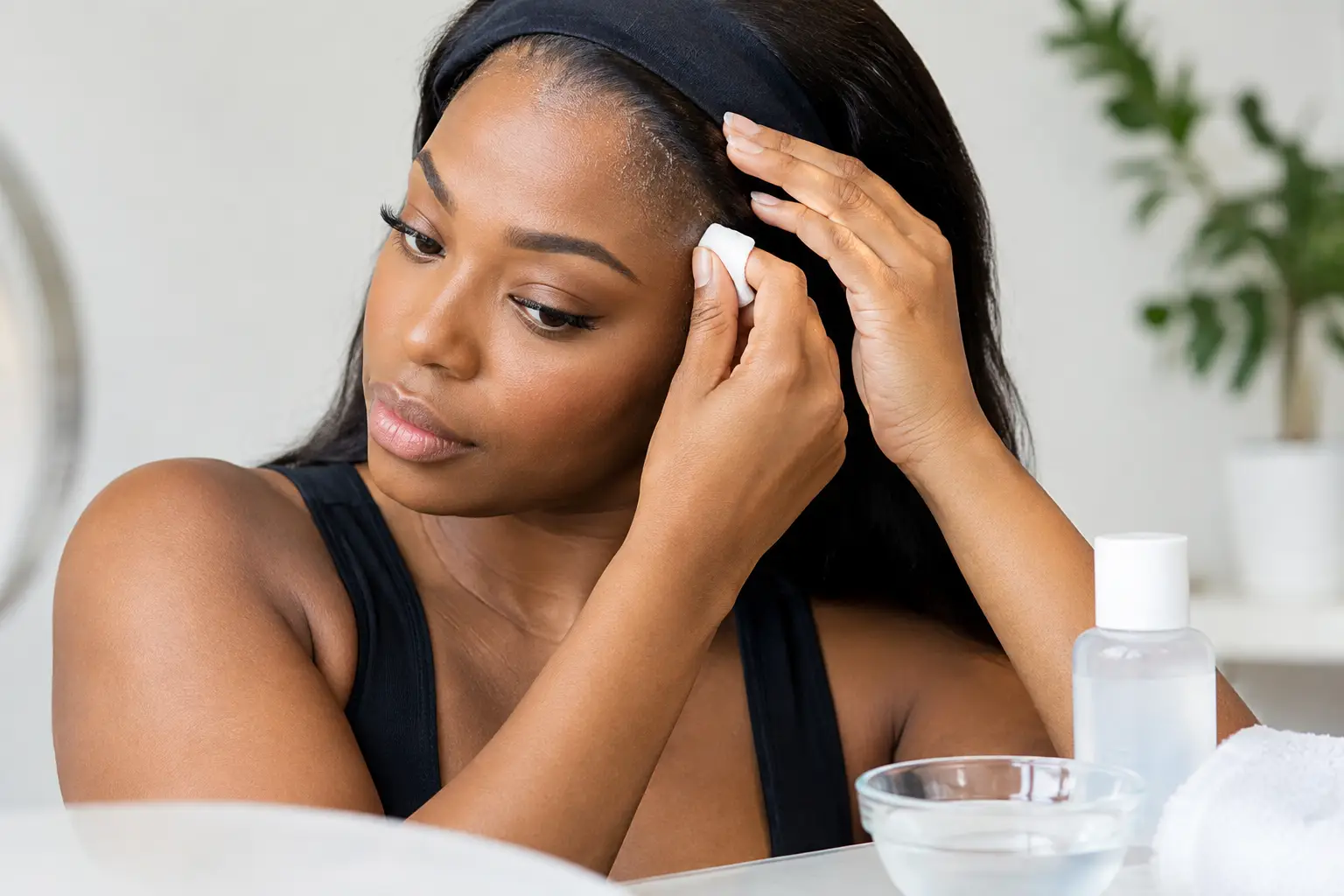
Learn how to remove wig adhesive gently, protect your skin and hairline, and clean your lace wig for a comfortable, confident next wear at...
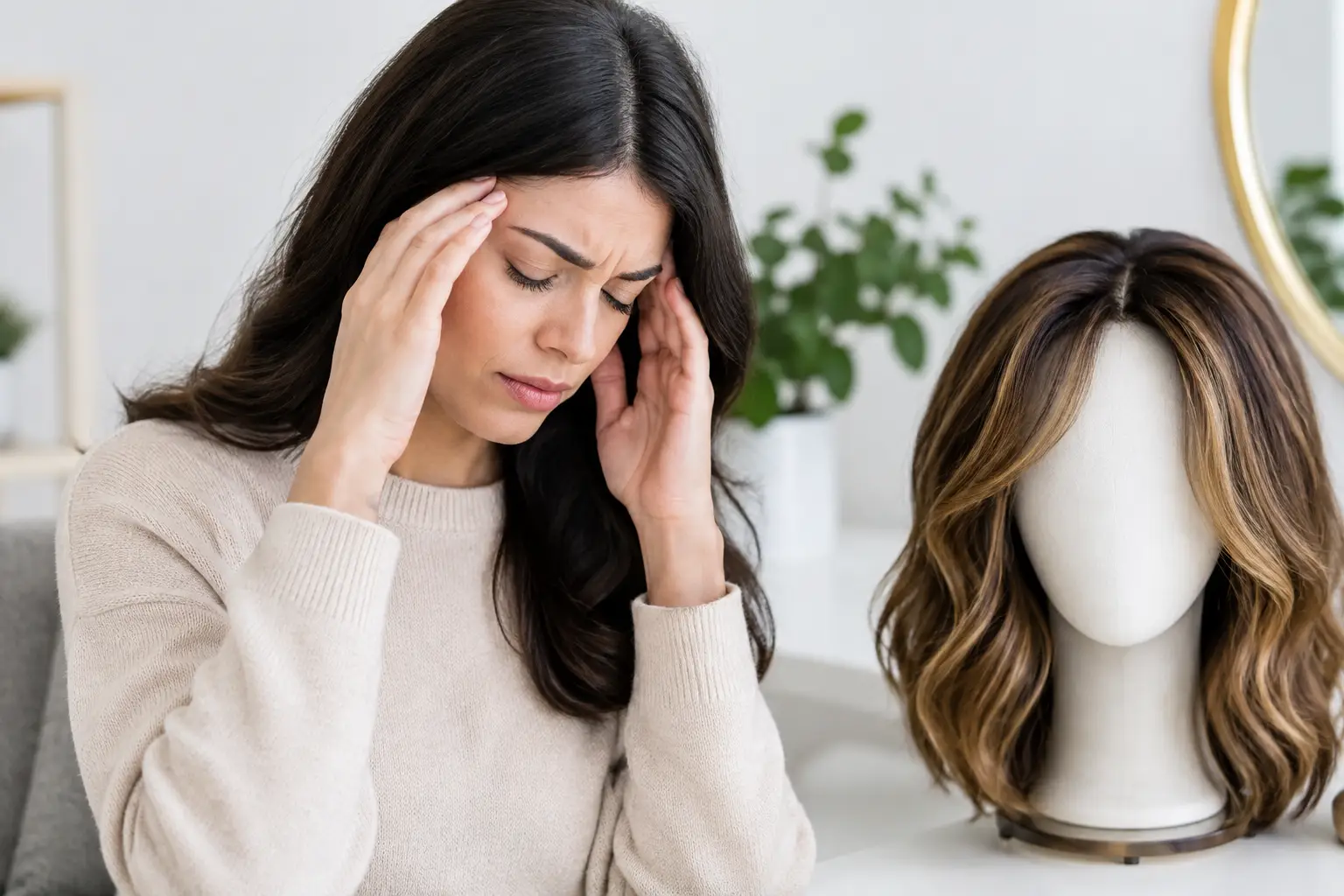
Do wigs cause headaches? Learn how fit, pressure, heat, and styling affect comfort, with practical ways to wear your wig pain-free every day with...
