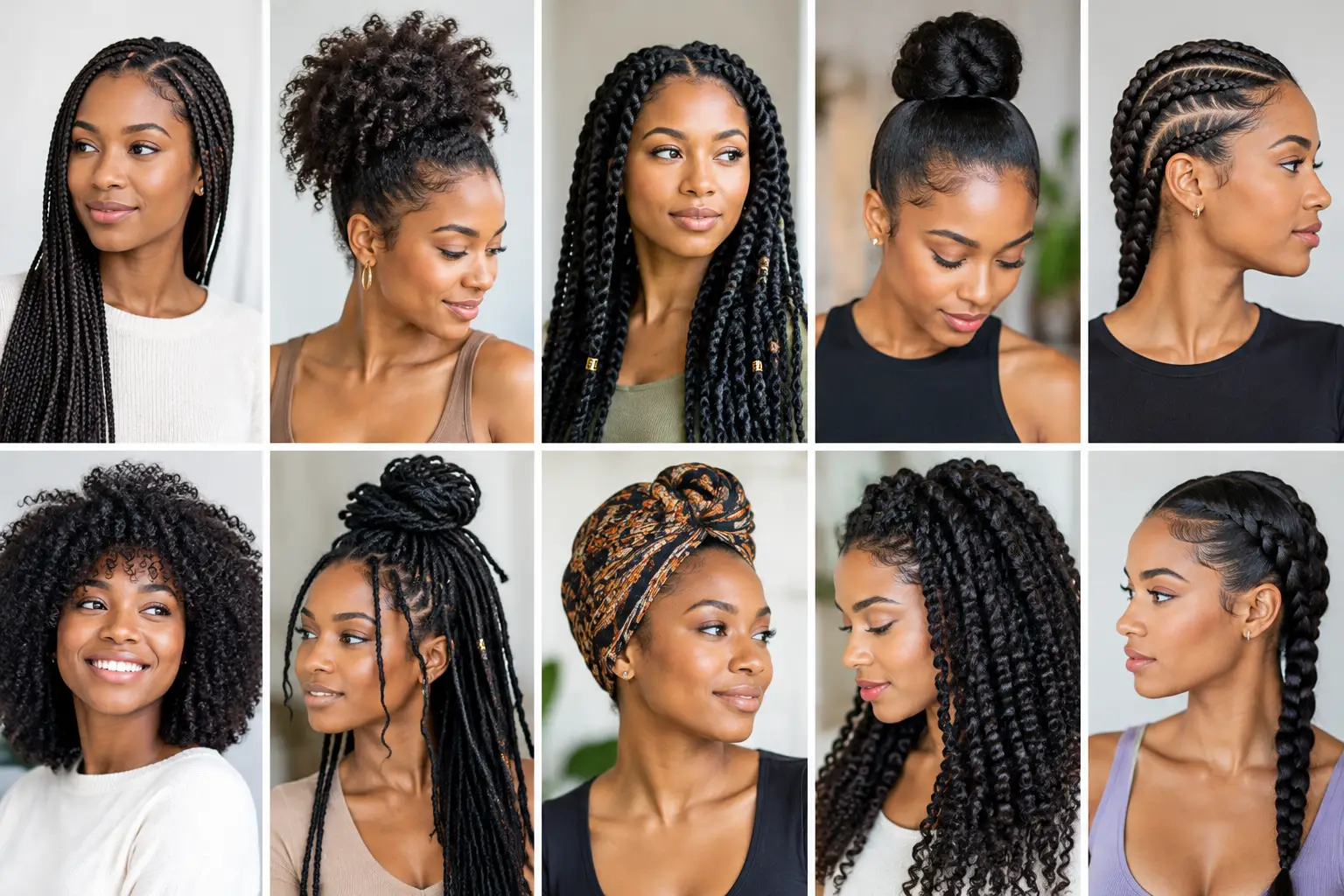

Find the best protective hairstyles for your texture, lifestyle, and comfort, with practical care tips for braids, wigs, twists, and low-tension looks.


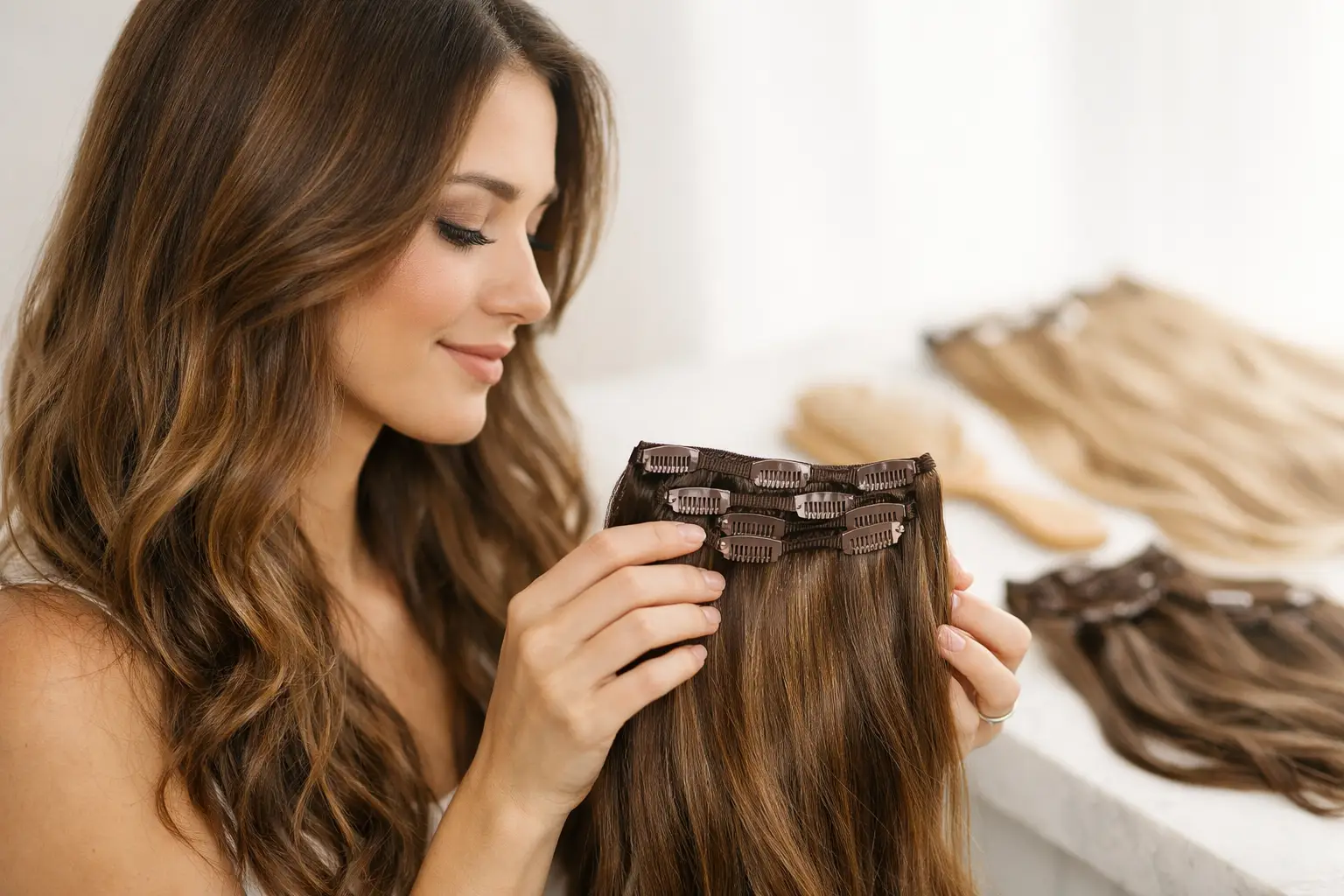
A set of clip-ins can change the way your hair looks in minutes, but the best clip in extensions are not simply the longest or thickest set available. They are the ones that blend with your natural hair, feel comfortable through the day, and give you the fullness or length you want without putting unnecessary stress on your strands.
For some women, clip-ins are a fun option for a fuller ponytail or a special occasion style. For others, they offer a flexible way to create coverage around areas that feel thin, damaged, or slow-growing. The right choice is personal. A beautiful result starts with matching the extension to your hair, not forcing your hair to match the extension.
Natural-looking clip-in extensions come down to five things: hair quality, texture, color match, weft placement, and fit. A set can be made from excellent hair and still look unnatural if the shade is too flat, the texture is too different, or too much hair is clipped into a small section.
Human hair extensions usually offer the most flexibility. They can be heat styled, curled, straightened, and shaped to blend with your own hair. They are a strong choice if you want to wear extensions often or prefer to change your style. Quality human hair also tends to move more naturally, which matters when you want your length and volume to look like it belongs to you.
Synthetic clip-ins can be a practical choice for occasional wear, a specific ready-made style, or a lower-maintenance option. However, not every synthetic fiber can handle heat, and some fibers have more shine than natural hair. If you choose synthetic extensions, check the heat-styling guidance before reaching for a curling iron or flat iron.
The best option depends on how often you plan to wear them, how much styling you do, and what feels comfortable within your budget. A shorter, well-matched set worn confidently will always look better than extra-long extensions that feel heavy or difficult to blend.
Extension length is measured when the hair is straight. Once it is curled or textured, it will look shorter. That is why someone with naturally wavy or curly hair may need a longer set than someone with straight hair to achieve the same visual length.
If you are wearing clip-ins for fullness, choosing a length close to your own hair is usually the easiest route. A set that is two to four inches longer can create a polished, layered finish without a dramatic line between your natural hair and the extensions. If you want a noticeable length change, your stylist may recommend a cut or soft layers after the extensions are in place so everything moves together.
Very long extensions can be beautiful, but they require enough natural hair to blend over the wefts. They may also feel heavier, especially if you have fine hair or a sensitive scalp. More length is not automatically more flattering. Balance is what creates a natural result.
A lighter set can add subtle fullness to fine or medium-density hair. A fuller set is often better for thick hair, blunt cuts, or anyone creating a more dramatic style. If your natural hair is very fine, a heavy set may be difficult to conceal and can pull at the roots.
Rather than using every weft in the package, start with the pieces that give you the most benefit. Many people need the wider wefts at the back and one or two smaller pieces at the sides. Leaving out unnecessary pieces often makes clip-ins more comfortable and easier to blend.
Color matching is where a good set becomes a convincing one. The goal is not always to find one solid color that matches every strand on your head. Most natural hair has dimension, with slightly deeper roots, lighter ends, highlights, or subtle warmth throughout.
Match the extensions to the mid-lengths and ends of your hair rather than the roots. Your roots are often naturally darker, especially between color appointments, while the extensions will sit through the lower part of your hair. If you are between two shades, a slightly lighter or more dimensional shade can often blend more softly than a color that is too dark and solid.
Highlights, balayage blends, rooted shades, and mixed-tone extensions can make blending easier. They are especially helpful when your hair has several tones or when you want a softer grow-out look. If you are unsure, seeing the hair in person can make the decision much easier. Lighting in a bathroom, car, or online photo can change the way a shade appears.
At Hair A La Mode, a private consultation can help you compare color, texture, density, and placement before making a choice. That guidance is valuable when you want a discreet result or are purchasing extensions for the first time.
Straight extensions rarely disappear into naturally curly hair, even when the color is perfect. Likewise, a loose wave may not blend well with very straight, silky hair unless both are styled together. Texture matching gives you less work and a more believable finish.
Choose straight extensions for sleek blowouts and smooth styles. Choose body wave or loose wave when your hair has soft movement or you like to curl your hair regularly. If your natural hair has a defined curl pattern, look for extensions designed to resemble that pattern rather than trying to make your hair behave differently every day.
You can style human hair extensions alongside your natural hair, but use heat thoughtfully. Apply heat protectant, use the lowest effective temperature, and avoid repeatedly passing a hot tool over the same section. Extensions do not receive natural scalp oils, so frequent high heat can dry them out faster than your own hair.
Correct placement matters as much as the extensions themselves. Begin with clean, dry hair. If your hair is very silky or fine, lightly teasing the root where each clip will sit can give the clips a more secure base. A small amount of texture spray can help too, as long as it does not leave the hair stiff or tangled.
Create a clean horizontal part at the nape and attach the widest weft first. Move upward in sections, leaving enough natural hair between the top weft and your part line to cover the clips. Place smaller wefts around the sides only where needed for fullness. Do not place extensions too close to the hairline or temples, where they are more likely to show or feel uncomfortable.
Before closing each clip, make sure it is sitting flat against the scalp. The clip should feel secure, never painful. If you feel pinching, headaches, or pulling, remove the piece and adjust the section. A clip-in style should feel stable enough to move through your day, but light enough that you forget it is there.
For the final blend, release your natural hair over the wefts and gently comb or brush the surface. Style the extension hair and your own hair together, not in separate layers. A few soft waves or a face-framing bend can hide any difference in texture and create a more polished finish.
Clip-ins are not right for every hair situation. If you have active scalp irritation, significant breakage, very fragile hair, or areas of hair loss where clips would need to grip, it is best to speak with a trained professional before wearing them. The pressure from clips can be uncomfortable and may worsen already stressed areas.
They also may not be the most practical choice if you want to wear added hair every day and do not want to remove it nightly. Depending on your needs, a topper, wig, band-fall, custom hairpiece, or another protective solution may offer more comfortable coverage. There is no one correct option. The right solution should support your confidence without asking too much from your natural hair.
Remove clip-ins before sleeping, showering, swimming, or exercising heavily. Sleeping in them can cause tangling, strain on your roots, and unnecessary wear on the clips. Gently brush from the ends upward before and after each use, holding the hair near the top so you are not tugging on the weft.
Wash extensions only when they have product buildup, feel less soft, or no longer move freely. Use a gentle shampoo, follow with conditioner through the lengths, and let them air dry flat whenever possible. Avoid applying conditioner directly to the clips or weft base. For human hair, a lightweight serum through the ends can help maintain softness between washes.
Store them clean, dry, and brushed in a box, pouch, or on a hanger designed for extensions. Keeping them away from moisture and friction will help them stay smoother and easier to install.
The most flattering extensions should feel like an option, not an obligation. Give yourself permission to choose the amount of length, fullness, and coverage that feels right for you, then let a careful color match and comfortable fit do the rest.
Find the best protective hairstyles for your texture, lifestyle, and comfort, with practical care tips for braids, wigs, twists, and low-tension looks.
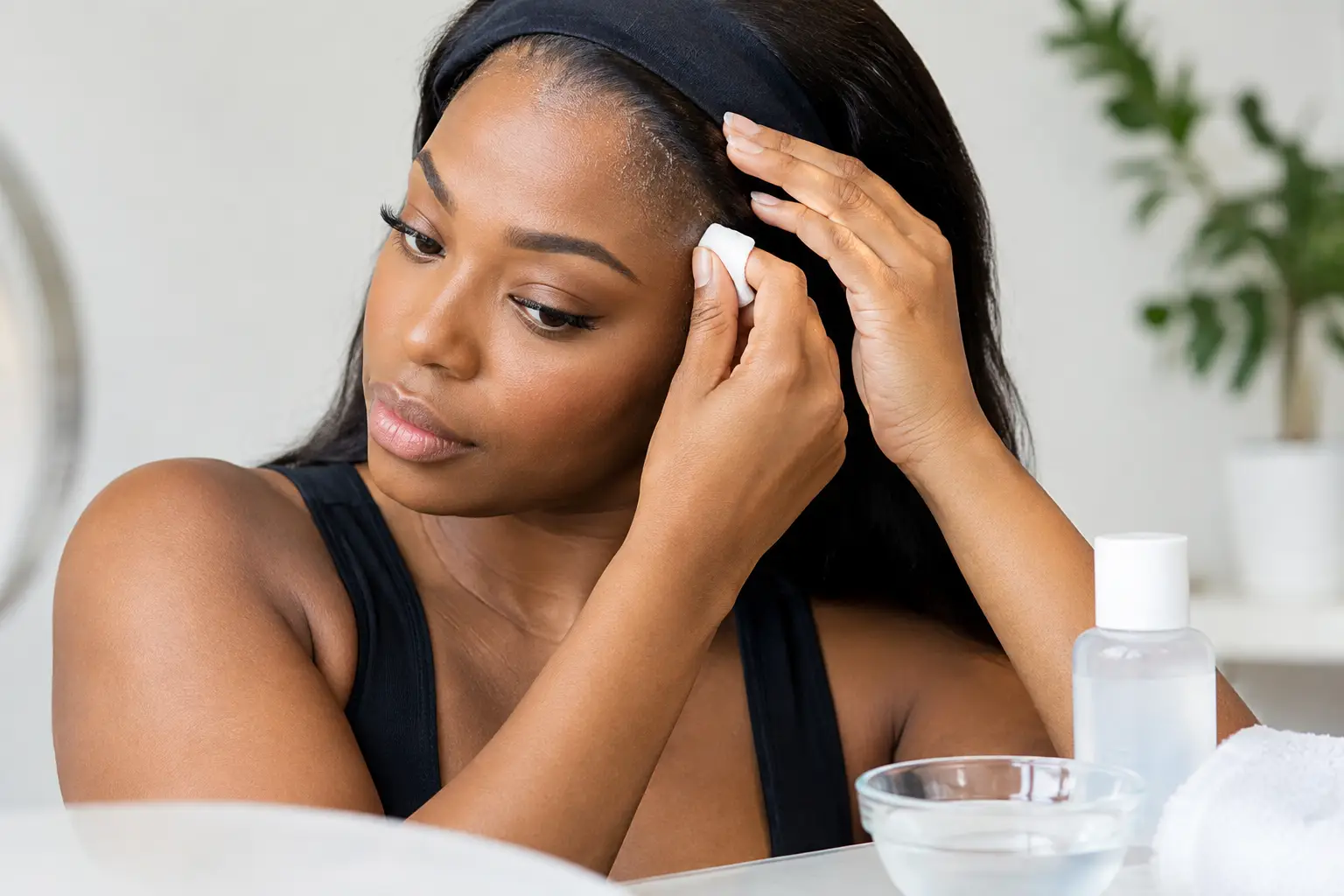
Learn how to remove wig adhesive gently, protect your skin and hairline, and clean your lace wig for a comfortable, confident next wear at...

Do wigs cause headaches? Learn how fit, pressure, heat, and styling affect comfort, with practical ways to wear your wig pain-free every day with...
