
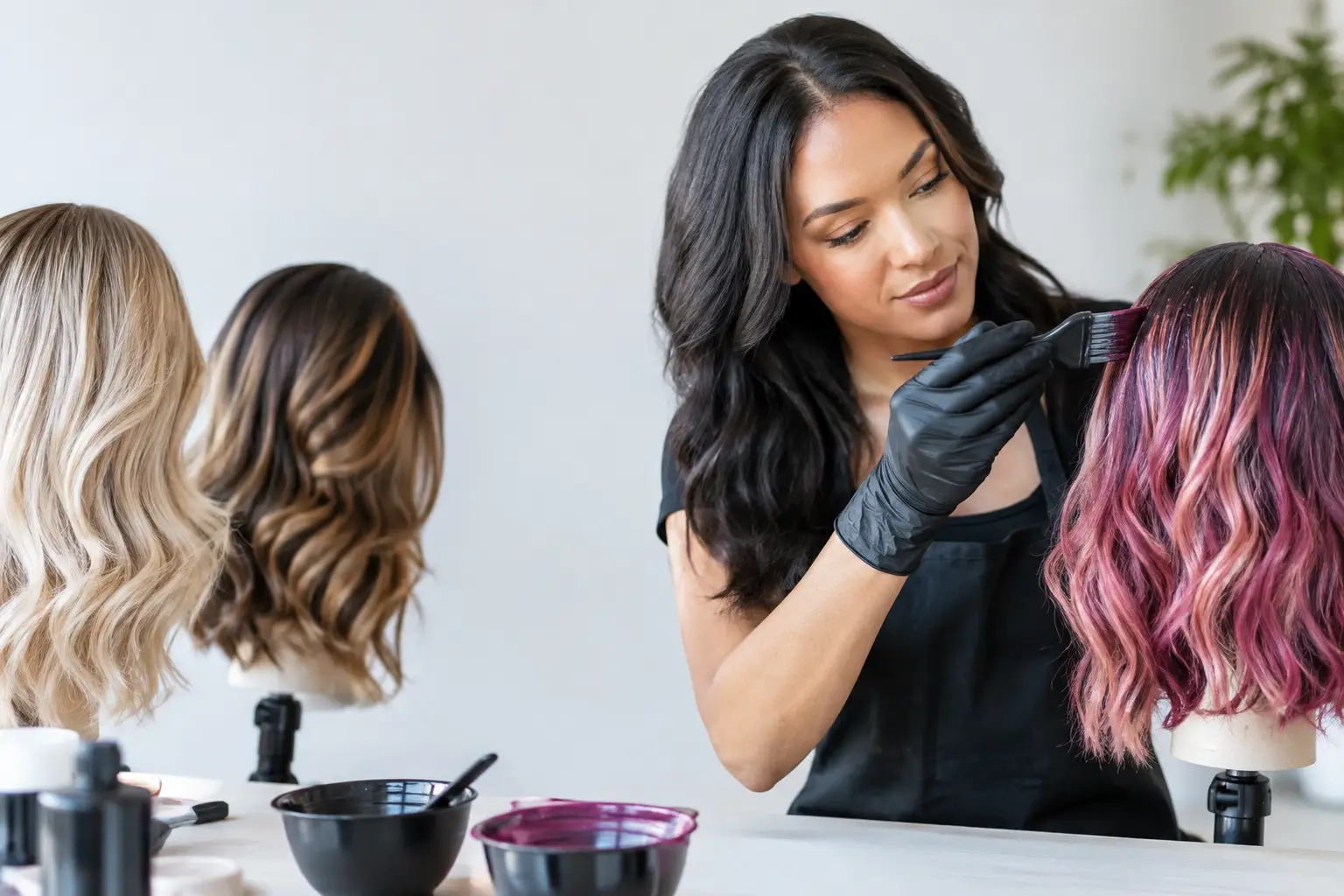

Can wigs be colored without damage? Learn which wigs can be dyed, how to protect the fibers, and when professional color services are the...


Hair loss can make even familiar routines feel different – getting dressed, meeting friends, looking in the mirror before work. The right chemotherapy wig options are not about hiding who you are. They are about choosing comfort, privacy, and a look that still feels personal during a time when you deserve more ease.
A wig does not need to be chosen all at once or worn every day. Some people want a polished, ready-to-go style for appointments and outings. Others prefer a soft cap at home and a wig only when the mood feels right. There is no single correct choice, only the option that supports your comfort and confidence.
During chemotherapy, the scalp may become tender, dry, sensitive, or prone to temperature changes. That makes the inside of the wig just as important as the cut, color, and length. A lightweight cap with soft materials can make a major difference when you plan to wear your wig for several hours.
Look for features such as smooth cap construction, low-friction seams, adjustable straps, and breathable sections. A monofilament top can create the appearance of hair growing naturally from the scalp while also allowing flexible parting. A lace front offers a softer-looking hairline, especially when you want to wear the hair away from your face.
These features can be worth the investment, but they are not necessary for every person. If you expect to wear your wig occasionally, a well-fitted basic cap may be the better value. If the wig will become part of your daily routine, extra comfort and a more natural hairline may matter more.
A wig should sit securely without pressure around the forehead, ears, or nape. Many wigs include adjustable tabs, and a professional fitting can help determine whether a standard size works or whether a custom adjustment is needed. If your head size changes after hair loss, the fit may change too.
Avoid assuming that tighter means safer. A cap that grips too firmly can become uncomfortable quickly on a sensitive scalp. A soft wig grip band, cap adjustment, or tailored fit can provide stability without sacrificing comfort.
The fiber you choose affects the price, styling routine, movement, and amount of care your wig will need. Both human hair and synthetic wigs can look beautiful and natural. The better choice depends on how you want to live in it.
Human hair wigs provide soft movement and can usually be cut, colored, blow-dried, and curled by an experienced professional. They are an excellent choice for someone who wants a customized look, prefers changing styles, or wants the wig to closely match their usual hair texture.
They also require more care. Human hair wigs need washing, conditioning, styling, and protection from excess heat, just like natural hair. They tend to cost more upfront, and professional maintenance helps preserve the hair and cap over time. For many clients, that investment feels worthwhile because the wig can be personalized so precisely.
A quality synthetic wig arrives with its style already set. After washing, it generally returns to its original shape, which can be especially helpful when energy and time are limited. Modern synthetic fibers can have very natural density, texture, and movement, from sleek bobs to layered waves and soft curls.
The trade-off is less styling flexibility. Standard synthetic fiber should not be exposed to heat unless it is specifically labeled heat-friendly. Heat-friendly synthetic wigs allow more restyling, but they still require the right temperature and products. A salon professional can help you understand what your particular fiber can safely handle.
For some women, a synthetic wig is the ideal first choice: easy, polished, and dependable. Others choose one synthetic wig for everyday wear and one human hair wig for special occasions or a familiar signature style.
There is no need to select the exact hairstyle you had before treatment. Some clients feel most confident in a wig that closely matches their natural color, part, texture, and length. That familiarity can make the transition feel gentler. Others see this period as a chance to try a shorter cut, brighter highlights, fuller curls, or a style they have always admired.
If you are unsure, begin with what already suits your face and lifestyle. Think about whether you usually wear a center part or side part, how much volume feels natural to you, and whether you prefer hair off your neck. A slightly lighter density often looks more realistic than an overly full style, particularly around the hairline.
Color is equally personal. Matching your previous color can feel reassuring, but a softer shade or subtle rooted color can create dimension and make regrowth easier to blend with later. In a private consultation, trying on several tones under natural-looking light can reveal more than a product photo ever will.
A full wig is not the only solution. Having a few comfortable alternatives can help you dress for your energy level, the weather, and the occasion.
Hair-attached hats combine a soft hat or cap with hair around the sides and back. They are a practical choice for casual errands, walks, travel, or days when you want coverage without wearing a full cap. Pre-tied bandanas offer a gentle, stylish option with no complicated tying required. They can also be layered with a soft liner when extra scalp comfort is needed.
Band-fall wigs are another versatile choice. They pair a headband with attached hair and can feel lighter and easier to wear than a traditional full wig. Coverage at the top depends on the headband style, so they may suit someone who likes the look of a headwrap or wants a relaxed everyday option.
These pieces do not replace a full wig for everyone, but they can make a wardrobe feel more flexible. Many clients feel more prepared when they have one polished wig, one easy casual hair piece, and a soft head covering for rest days.
If possible, choose your wig before hair loss begins. This gives you time to compare styles without pressure and lets a specialist see your natural color, density, and usual haircut. A photo of a favorite hairstyle can also be useful if you are shopping after hair loss has started.
Hair loss timing varies by treatment plan, so your oncology team is the best source for medical expectations. Some clients choose to cut their hair shorter before shedding begins because it makes the transition feel more manageable. Others prefer to wait. Both choices are valid.
When trying on wigs, wear a soft wig cap if your scalp is sensitive and take a few moments to move naturally. Turn your head, look down, smile, and notice how the wig feels near the ears and nape. A beautiful wig that you cannot wait to remove is not the right wig.
A ready-to-wear wig can often be adjusted to look more like it was made for you. Trimming bangs, shaping the layers around the face, refining the part, or lightly thinning density can transform the result. Custom wigs offer even more control over cap size, color placement, hair texture, density, and construction.
At Hair A La Mode, private wig consultations allow you to try styles in a supportive setting and discuss fit, comfort, and the amount of maintenance you want. Ongoing services can also help with restyling, cap adjustments, repairs, and guidance on caring for human hair or synthetic fibers.
Use products designed for your wig type, and avoid treating it like your natural hair. Synthetic fibers need synthetic-safe care, while human hair benefits from appropriate cleansing, conditioning, and heat protection. Store your wig on a stand when possible to help it keep its shape, and bring it in when it needs professional attention rather than trying to repair the cap or hairline at home.
The best wig is the one you can put on and recognize yourself in – whether that means your familiar style, something beautifully new, or simply a comfortable option for the day ahead.
Can wigs be colored without damage? Learn which wigs can be dyed, how to protect the fibers, and when professional color services are the...
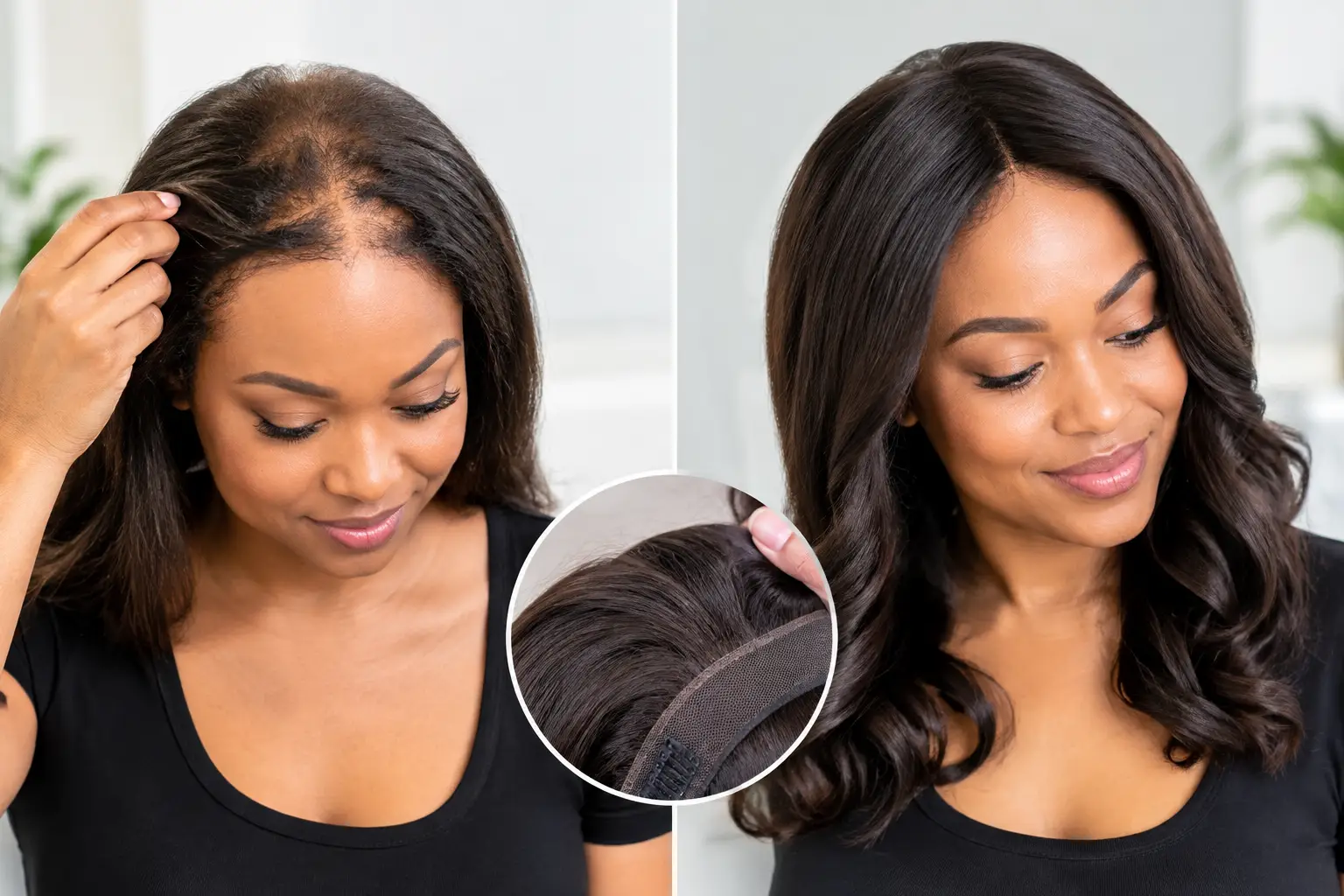
See how wig repair transformations restore comfort, fit, and natural movement with cap, hair, and attachment repairs tailored to your favorite piece today.
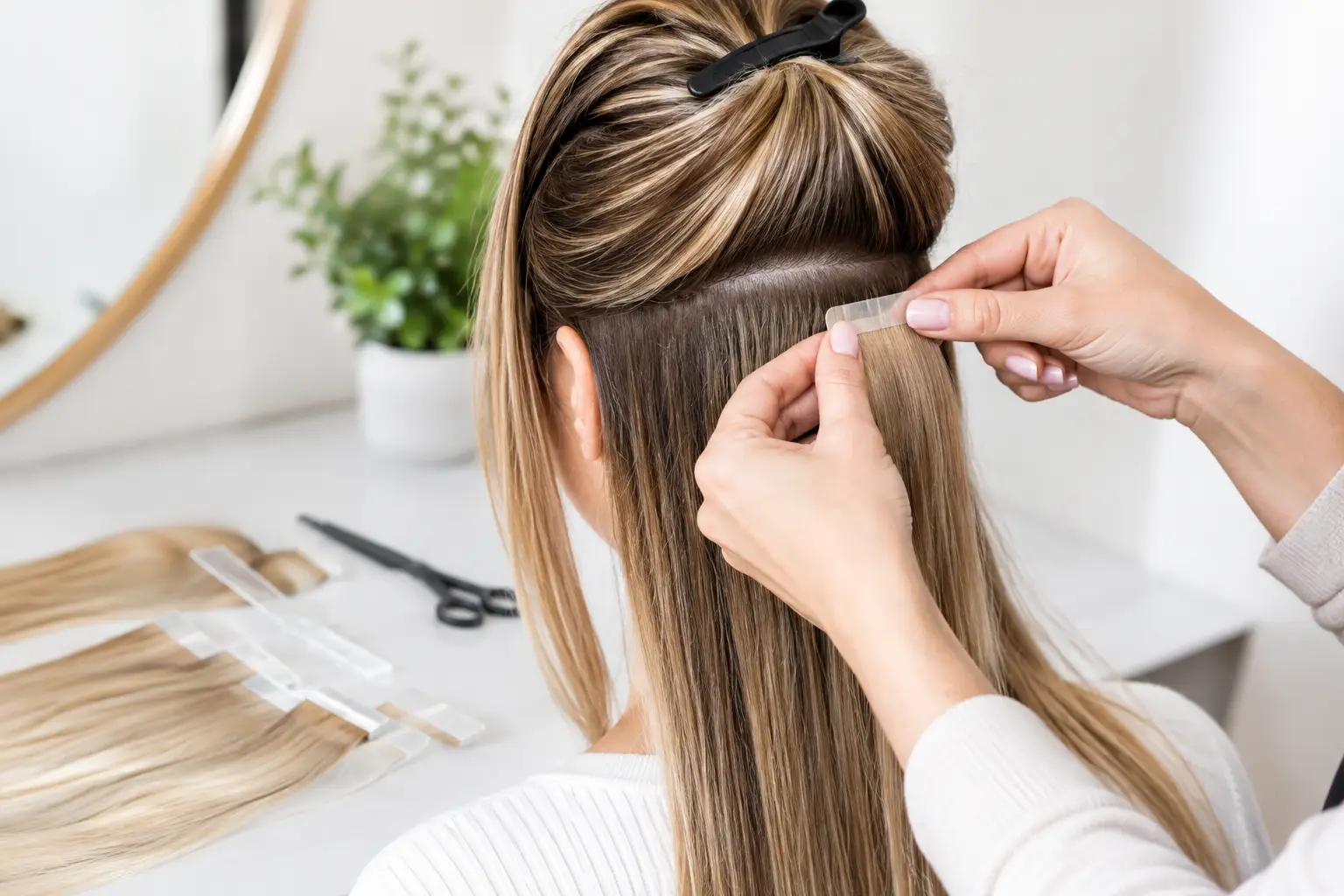
Learn how to install tape extensions with clean sections, secure sandwiches, and care tips for a natural, comfortable result that protects your hair.
