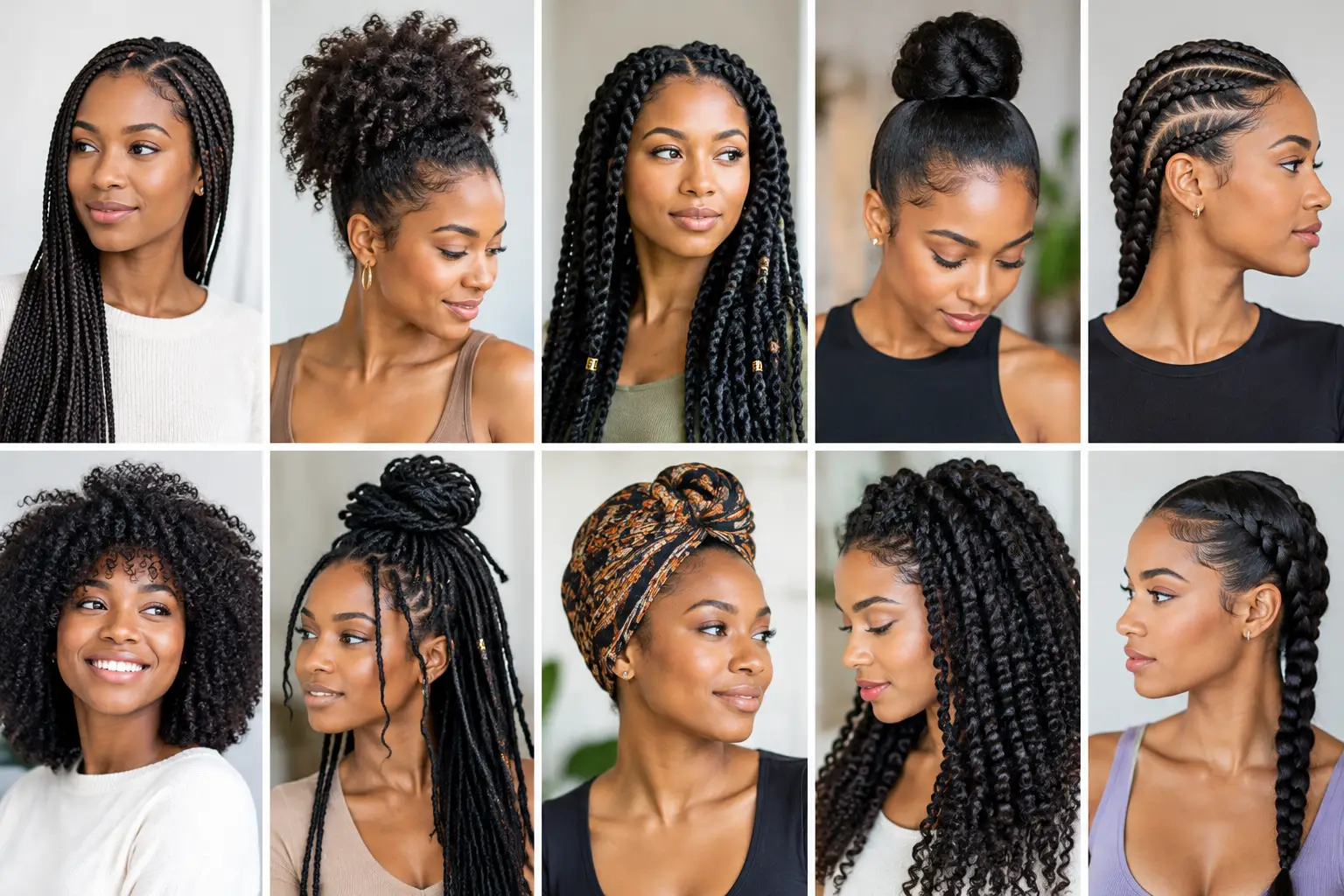

Find the best protective hairstyles for your texture, lifestyle, and comfort, with practical care tips for braids, wigs, twists, and low-tension looks.


A great extension service should feel like it was chosen for your real life, not just for a photo. When deciding between sew in versus tape extensions, the best choice comes down to your natural hair, scalp comfort, styling habits, budget, and how often you want to return for maintenance. Both can create beautiful length and fullness. They simply get there in very different ways.
A private consultation is the right place to start, especially if your hair is fine, color-treated, prone to breakage, or you are new to extensions. A professional can assess your density, discuss the look you want, and help you choose an installation that protects the hair you already have.
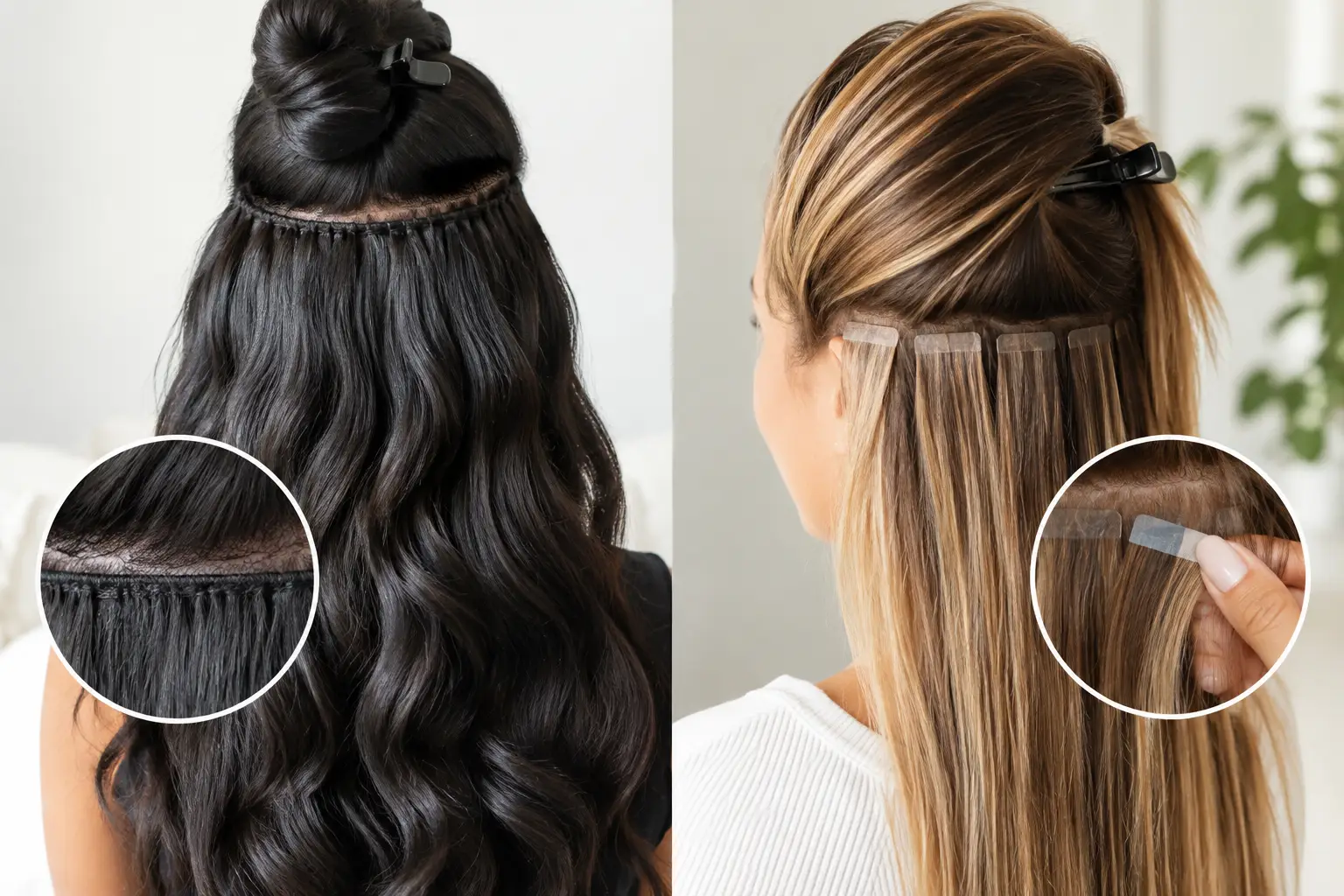
Sew-in extensions are installed by creating a braided foundation with your natural hair and sewing wefts of extension hair onto those braids with thread. Depending on the desired result, a sew-in can be a partial installation for added fullness or a more complete installation for major length, volume, and styling versatility.
Tape extensions use thin, pre-taped hair wefts. Small sections of your own hair are placed between two adhesive extension pieces, creating a flat “sandwich” that sits close to the scalp. The goal is a discreet, flexible result that blends into the natural hair without a braided base.
Neither method is automatically better. The better method is the one that suits your hair’s condition and your willingness to maintain it.
A sew-in is often a strong option for clients with thicker, textured, or dense hair that can support a braided foundation comfortably. It can also be ideal when you want a fuller transformation, prefer to keep your natural hair tucked away, or enjoy wearing your hair in a consistent style for several weeks.
Because the extension wefts are securely sewn in, a sew-in can handle a lot of volume. It is a popular choice for glamorous curls, bouncy blowouts, sleek straight styles, and protective styling routines. With the proper installation, it can give you the feeling of having a completely different head of hair while still looking natural at the hairline and part.
The trade-off is that sew-ins may feel heavier than tape extensions, particularly during the first few days. The braids must not be too tight, and the amount of added hair needs to match what your natural hair can safely carry. Tightness, headaches, scalp tenderness, or bumps are not something to ignore. Comfort matters. If an installation feels painful, contact your stylist promptly.
Sew-ins generally need to be removed, cleansed, and reinstalled after about six to eight weeks, though the ideal timing varies based on your hair growth, scalp condition, and home care. Waiting too long can lead to tangling at the roots and make takedown more difficult.
Sew-ins may suit you if you want substantial fullness, prefer a protective style, have enough healthy hair for a braided base, and do not mind a slightly more structured feel. They are also helpful for clients who want to give daily heat styling a break, provided the natural hair underneath is still properly cleansed and moisturized.
Tape extensions are known for their flat, lightweight appearance. They can be especially appealing if you have fine to medium-density hair and want fuller-looking hair without the bulk of traditional wefts. When color-matched and placed correctly, the tapes can blend beautifully with natural hair for a soft, polished finish.
Because tape-ins lie close to the head, they are a favorite for clients who like to wear their hair down, create loose waves, or add length while keeping movement natural. They can also be useful for adding strategic fullness around the sides or back rather than creating an all-over dramatic change.
A tape extension installation must be very precise. The sections cannot be too large or too small, and the tapes should not be placed too close to the hairline or areas that receive heavy tension. Product buildup near the adhesive can cause slipping, while oils, masks, and conditioners applied too high on the hair can weaken the bond.
Most tape extensions are moved up every six to eight weeks as your natural hair grows. The hair itself may often be reused for more than one installation if it remains in good condition and is cared for correctly. During maintenance, the extensions are gently removed with the proper solution, cleaned, re-taped, and reinstalled.
Tape extensions may be a good fit if you want a lightweight feel, a flatter installation, or subtle-to-noticeable fullness that moves naturally with your own hair. They can be an excellent choice for someone who wants a refined everyday look and is comfortable following specific at-home care instructions.
Your day-to-day routine can be the deciding factor in sew in versus tape extensions. Sew-ins require careful access to the scalp so you can cleanse between the braided sections and dry the base completely. Leaving the braids damp for long periods can cause odor, irritation, and unnecessary stress on the hair.
Tape extensions need gentle brushing and thoughtful product placement. Use a loop brush or extension-safe brush, begin at the ends, and hold the hair near the roots as you detangle. Avoid applying conditioner, oil, or serum directly at the tape tabs. These products belong through the mid-lengths and ends, where they can soften the hair without interfering with adhesion.
Both methods benefit from sleeping with the hair protected. A satin pillowcase, satin scarf, or loose low braid can reduce friction and tangling. Never go to bed with wet extensions, and always dry the root area thoroughly after washing.
Heat styling is possible with both options, but it should be used with care. Use a heat protectant, choose a moderate temperature, and keep hot tools away from tape tabs and sewn areas. Human hair extensions can be styled much like natural hair, but they do not receive oils from the scalp in the same way your own hair does. Regular conditioning through the lengths is essential.
Extensions do not have to damage your hair, but an incorrect installation or neglected maintenance can. The most common problems come from too much tension, an installation that is too heavy, skipped maintenance appointments, aggressive brushing, or trying to remove extensions at home without the right technique.
If your hair is actively shedding, extremely fragile, or recovering from chemical damage, a full extension installation may not be your best next step. A lighter option, a custom wig, a topper, or a treatment-focused plan may better support your hair goals while you rebuild strength. There is no pressure to choose the biggest transformation. The healthiest choice is always the most beautiful one in the long run.
It is also worth being honest about your scalp. If you have sensitivity, flaking, frequent itching, or a history of traction-related hair loss, tell your stylist before your appointment. A skilled professional can adjust the sectioning, weight, placement, and method to prioritize comfort.
The initial price for either service depends on the amount and quality of hair, the desired length, color matching, installation complexity, and whether the extension hair can be reused. A sew-in may require more time during installation and takedown. Tape extensions may require regular move-up appointments and replacement adhesive. Neither is a one-time purchase if you want the result to remain polished and safe.
Think beyond the first appointment. Plan for professional maintenance, extension-safe cleansing products, brushing tools, and occasional trimming or styling. Choosing quality hair and expert application can make a meaningful difference in how naturally your extensions wear and how confidently you feel in them.
At Hair A La Mode, consultations are designed to make this decision feel clear, not overwhelming. You can discuss your desired length, color, texture, lifestyle, and any concerns about thinning or damage before committing to an installation.
The right extensions should support the way you want to show up: comfortable at work, confident at an event, and still like yourself when you look in the mirror.
Find the best protective hairstyles for your texture, lifestyle, and comfort, with practical care tips for braids, wigs, twists, and low-tension looks.
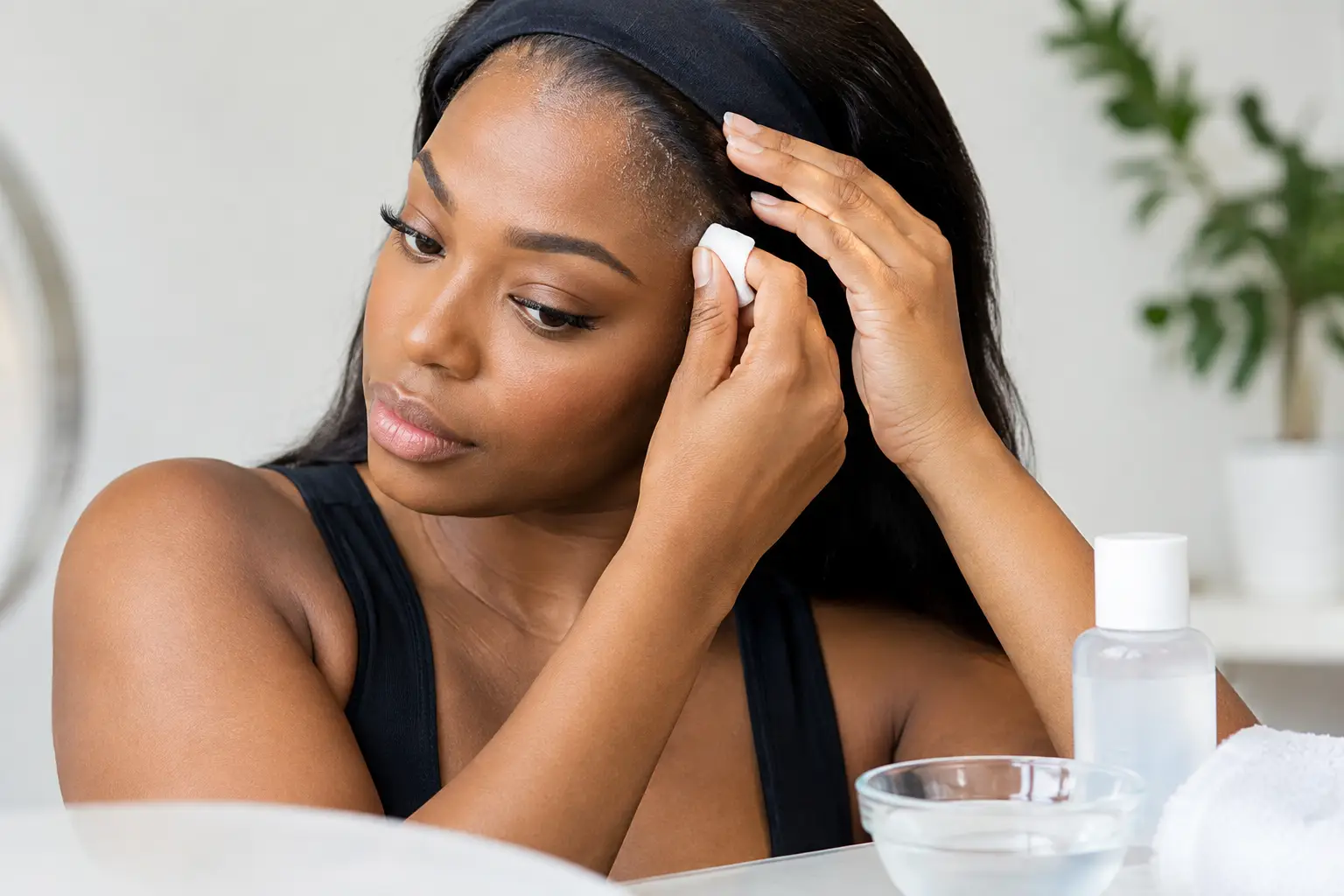
Learn how to remove wig adhesive gently, protect your skin and hairline, and clean your lace wig for a comfortable, confident next wear at...
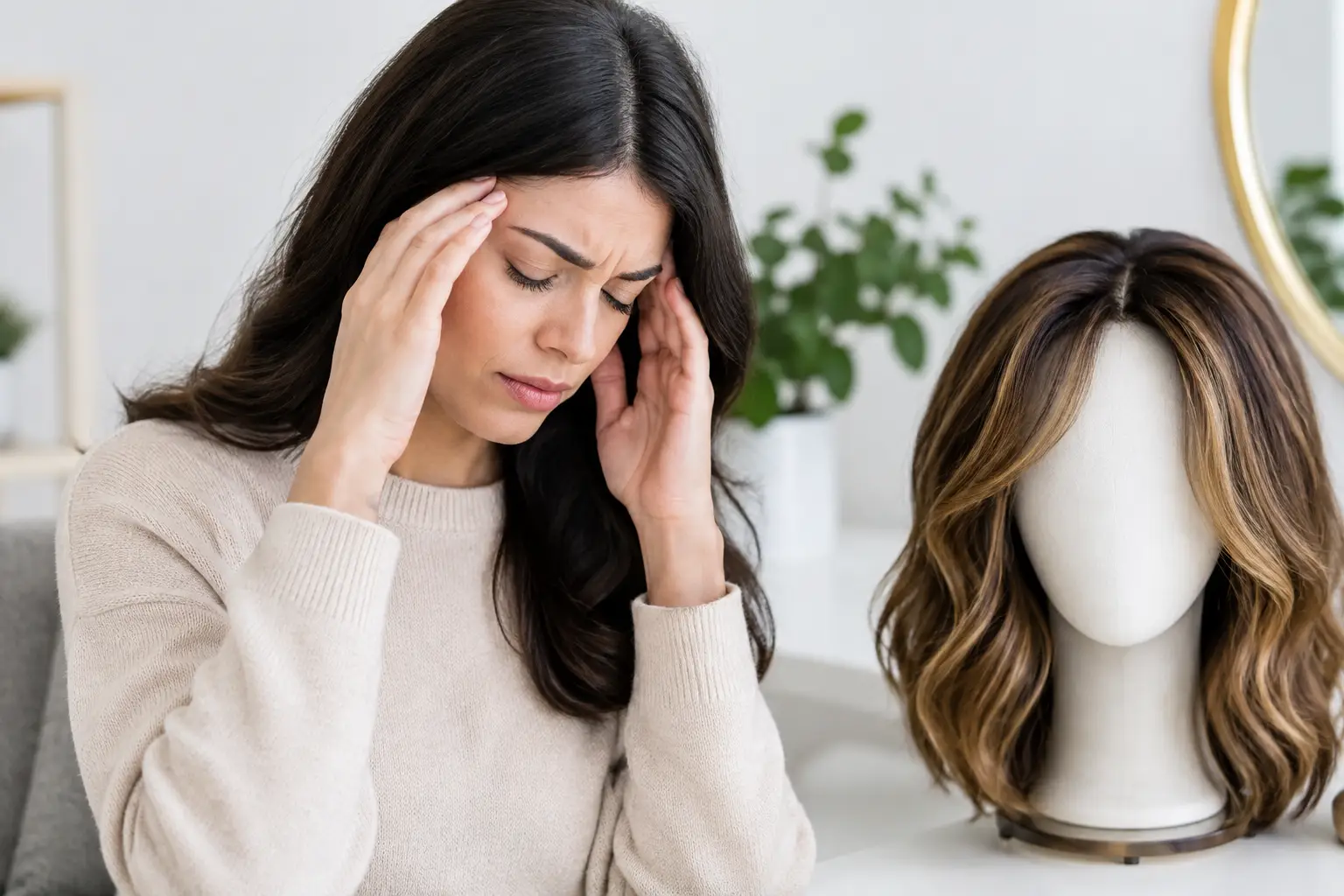
Do wigs cause headaches? Learn how fit, pressure, heat, and styling affect comfort, with practical ways to wear your wig pain-free every day with...
