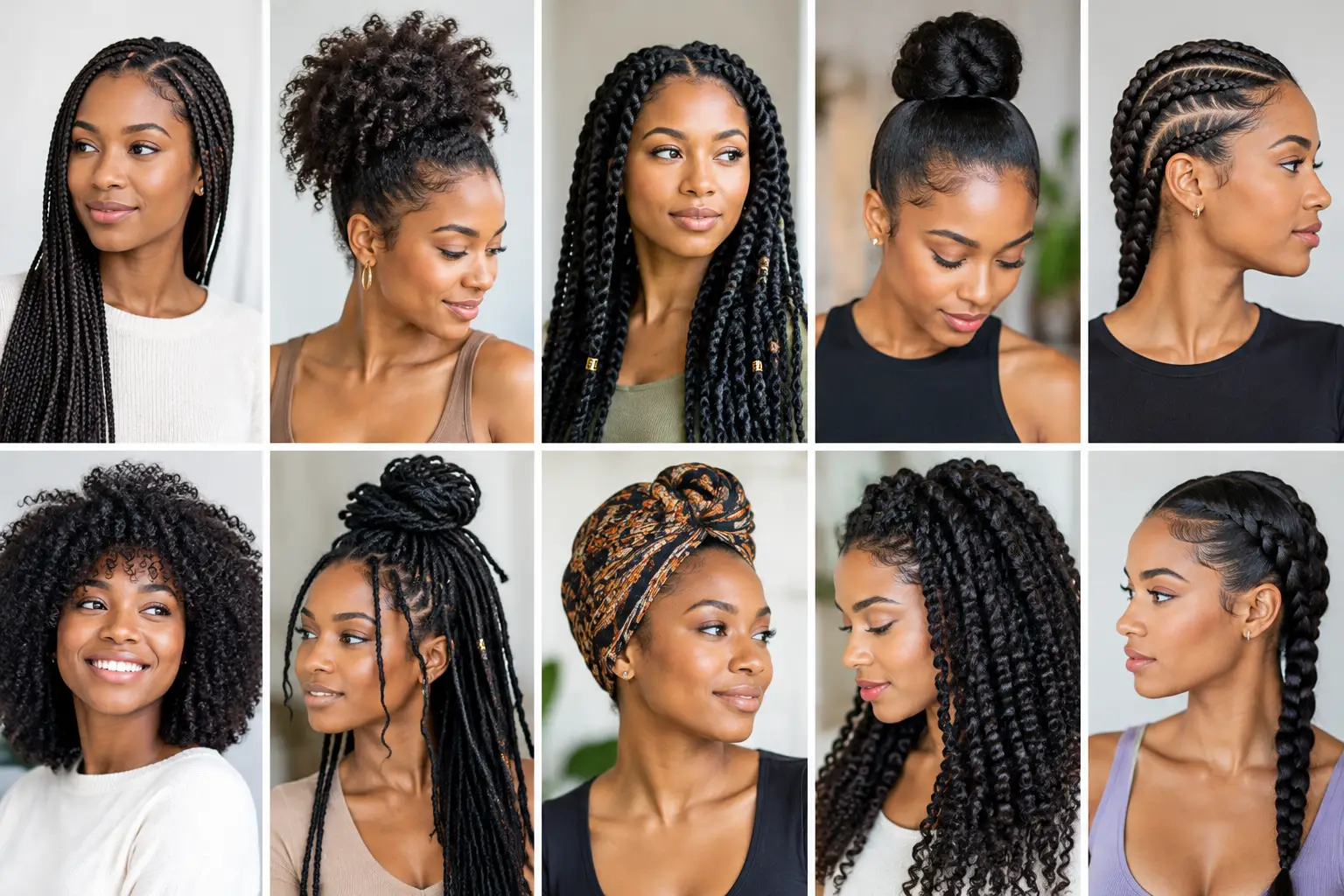

Find the best protective hairstyles for your texture, lifestyle, and comfort, with practical care tips for braids, wigs, twists, and low-tension looks.


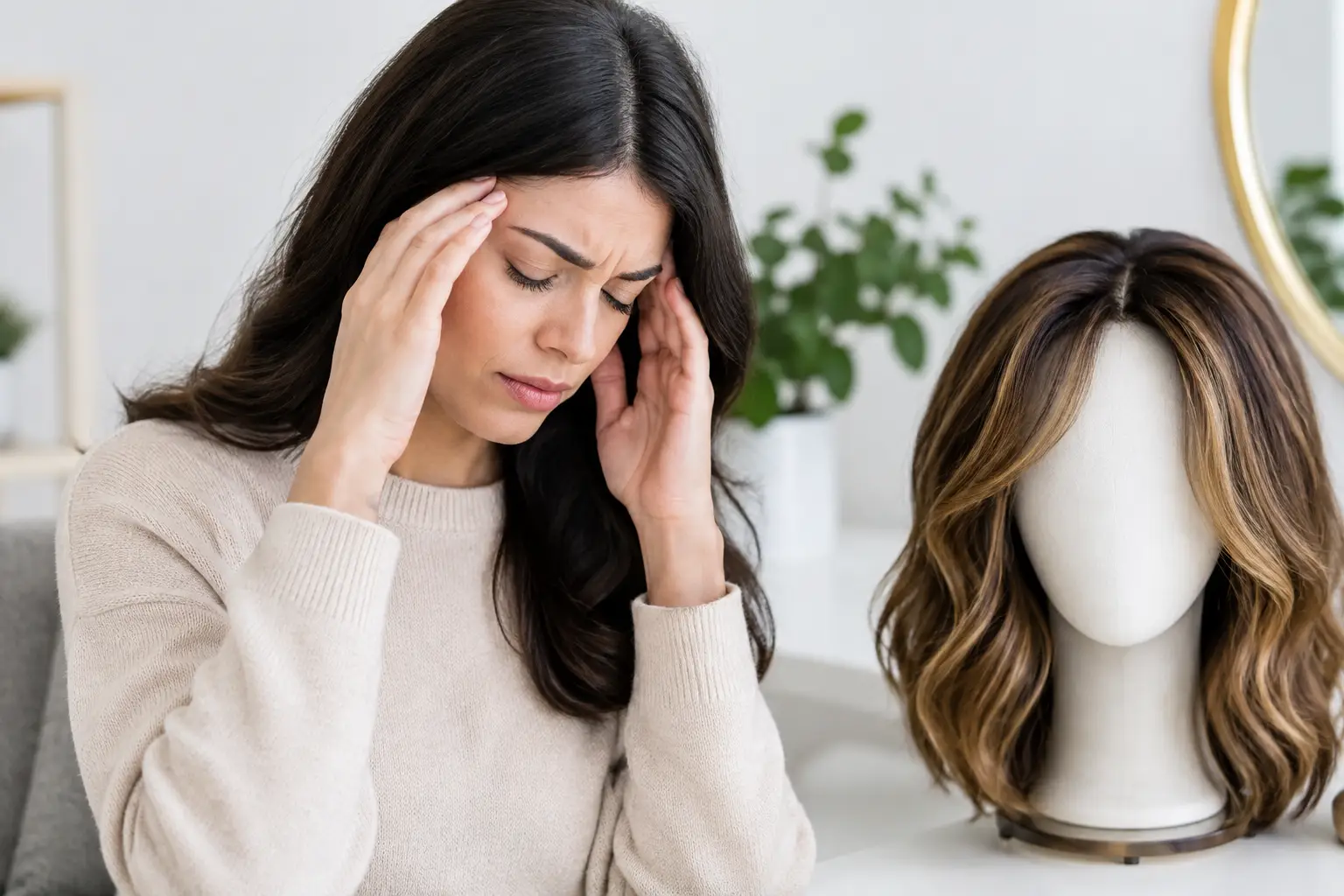
A wig should help you feel polished, protected, and like yourself – not leave you counting down the minutes until you can take it off. So, do wigs cause headaches? They can, but a headache is usually a sign that something about the fit, attachment method, scalp condition, or styling needs attention. It is not something you simply have to accept.
A comfortable wig should feel secure without creating pressure. Whether you wear a wig for hair loss, thinning hair, protective styling, or a new look, small adjustments can make a dramatic difference in how it feels throughout the day.
The most common cause is a cap that is too tight. Wig caps are designed to sit snugly enough to stay in place, but a cap that compresses the temples, forehead, behind the ears, or the base of the skull can trigger tension-type headaches. This can happen with an off-the-shelf wig, but it can also happen when adjustable straps are pulled too tightly in an effort to make the wig feel more secure.
Pressure is not always obvious at first. You may put on a wig in the morning and feel fine, then develop soreness after a few hours of talking, driving, working, or being out in warm weather. If you feel relief as soon as you remove the wig, the fit or attachment is likely contributing.
A wig can also feel uncomfortable if your natural hair is braided, pinned, or wrapped too tightly underneath. Thick braids, a high bun, bulky clips, or a tight stocking cap create uneven pressure points beneath the wig. The wig may be the last thing you put on, but the foundation underneath it matters just as much.
A correctly fitted wig should not regularly cause headaches. You may need a short adjustment period when wearing a wig for the first time, especially if you are not used to having anything on your head. Still, ongoing pain, throbbing, tingling, or scalp tenderness means it is worth reassessing the fit.
Cap size is a major factor. Many wigs are labeled average size, but average does not mean universal. Head circumference, front-to-nape measurement, ear-to-ear width, and hair density can all affect how a cap sits. A wig that is technically the right circumference may still feel restrictive if the cap is shallow, the ear tabs sit too high, or the nape does not align properly.
A professional fitting can help identify whether you need a petite, average, large, or custom-sized cap. It can also reveal whether a different cap construction would be more comfortable. Lightweight open-weft caps can feel more breathable, while monofilament tops, hand-tied caps, and soft-lined options may be especially helpful for sensitive scalps or hair loss.
The way you secure your wig can make a comfortable cap feel painful. Wig grips, combs, clips, adhesive, tape, and adjustable bands can all work beautifully when used correctly. But each method has trade-offs.
Clips and combs need enough hair to anchor into, and they can pull if they are placed in the same spot every day. If your hair is fine, fragile, or thinning, repeated tension may cause tenderness and breakage. A wig grip band can offer stability without relying on clips, but it should sit comfortably rather than squeeze around the entire head.
Adhesive and tape can also create discomfort if the hairline is pulled too taut, the skin is irritated, or removal is rushed. Never force tape or glue off your skin. Gentle removal products and patient cleansing help protect the delicate skin around the hairline.
If you are tightening every strap and adding every available comb because you are worried about the wig shifting, the answer may not be more tension. It may be a better fit, a cap adjustment, or a different attachment method. At Hair A La Mode, a fitting or repair appointment can help determine whether a wig-grip-band attachment, replaced clips, or cap adjustment would give you better security with less pressure.
Warm weather, long days, and indoor heat can make any wig feel heavier. Synthetic fibers and human hair both hold warmth around the scalp, although cap construction and hair density affect breathability. When you are overheated, you may unconsciously tense your neck, jaw, and shoulders, which can add to a headache.
Sweat can make the scalp itchy or irritated, particularly if there is product buildup underneath the wig. A clean scalp and clean wig cap make a difference. If you wear a wig often, give your scalp regular breaks when possible, wash away oils and residue gently, and allow the wig cap to dry completely between wears.
Sensitive skin, eczema, psoriasis, migraines, and hair-loss-related scalp tenderness can change what feels comfortable. In these cases, look for soft materials and reduce friction where you can. A bamboo or soft cotton liner may provide a gentler barrier, but make sure it does not make the fit too tight. Adding a liner to an already snug wig can create more pressure rather than less.
Start by loosening the adjustable straps one notch. Many people set them too tight because they assume a secure wig must feel firm. It should stay in place when you move naturally, but it should not leave deep marks on your forehead or cause aching near your ears.
Next, simplify what is underneath. Keep braids flat and comfortably loose, avoid stacking several caps or bands, and do not place bobby pins where they will press into your scalp. If your natural hair is very short or you have little to no hair, a smooth, lightweight liner or professionally selected grip can create comfort without bulk.
Pay attention to where the discomfort begins. Pain at the temples often points to a tight circumference. Soreness at the crown can come from clips or a bulky hairstyle underneath. Tenderness at the nape may mean the cap is riding up or the straps are over-tightened. This is useful information when choosing your next wig or having your current one adjusted.
Try wearing a new wig for shorter periods at first. Wear it at home for an hour, then gradually increase your time as you fine-tune the straps and placement. This is particularly helpful with a new custom wig, a different cap style, or a new attachment method.
For a quick comfort check, look for these four signs:
Not every headache that happens while wearing a wig is caused by the wig. Dehydration, skipped meals, eye strain, sinus pressure, stress, poor sleep, neck tension, and migraine conditions can all be part of the picture. If you have frequent headaches even on days when you do not wear a wig, it is a good idea to speak with a healthcare professional.
Seek medical guidance promptly if headaches are severe, sudden, new and persistent, or accompanied by dizziness, vision changes, weakness, nausea, scalp rash, swelling, or signs of an allergic reaction. If you are undergoing medical treatment or experiencing active hair loss, your scalp may need extra care and a gentler wig solution.
The best wig does more than look natural in the mirror. It lets you move through a workday, dinner, appointment, or special event without constantly touching your hairline or reaching for pain relief. A secure fit should feel balanced, breathable, and personal to you.
If a wig gives you headaches, listen to that signal. A small change in sizing, cap style, placement, or attachment can turn a wig you avoid wearing into one you feel genuinely confident wearing.
Find the best protective hairstyles for your texture, lifestyle, and comfort, with practical care tips for braids, wigs, twists, and low-tension looks.

Learn how to remove wig adhesive gently, protect your skin and hairline, and clean your lace wig for a comfortable, confident next wear at...
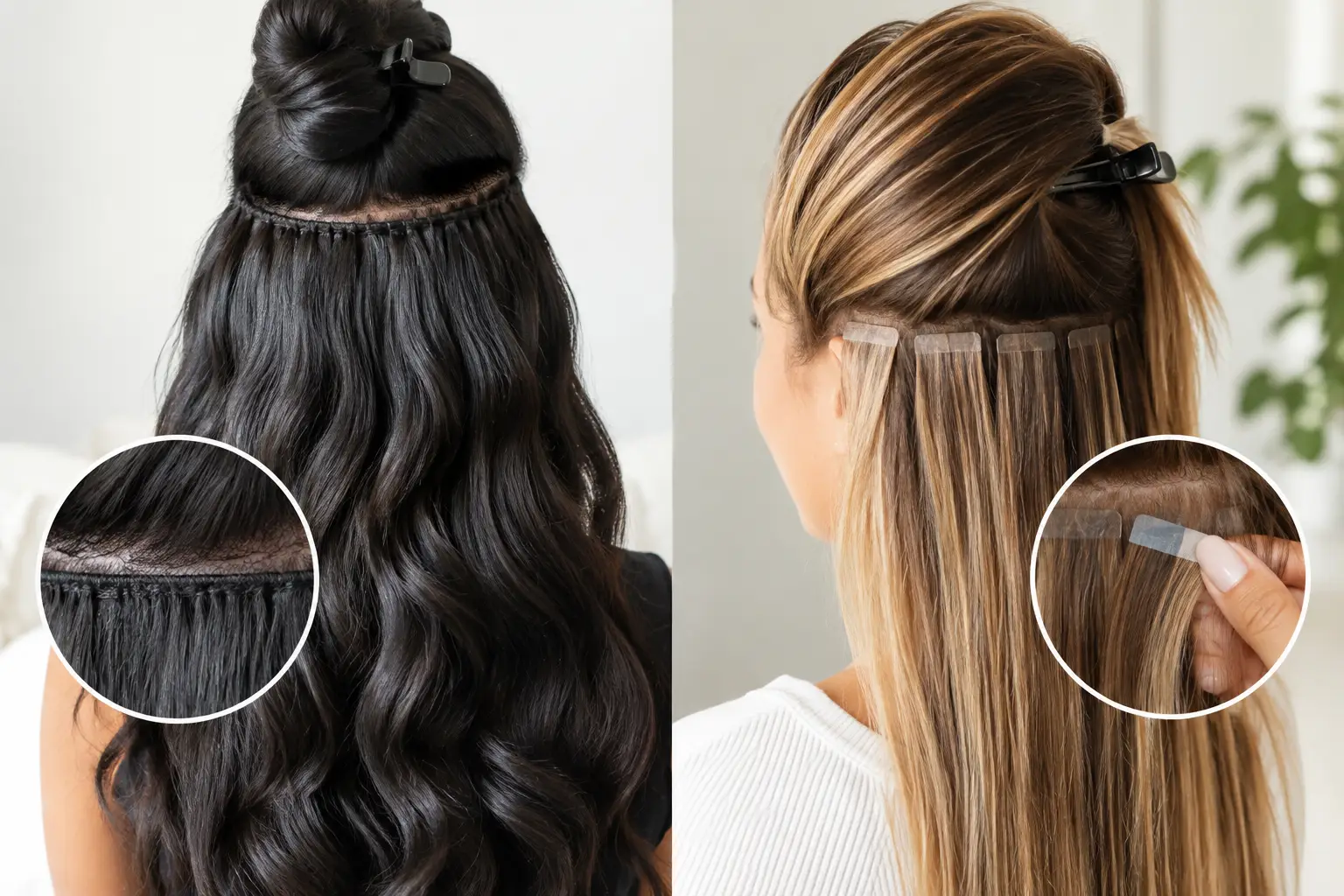
Comparing sew in versus tape extensions? Learn the differences in wear time, comfort, upkeep, cost, and hair health to choose your fit with confidence.
