
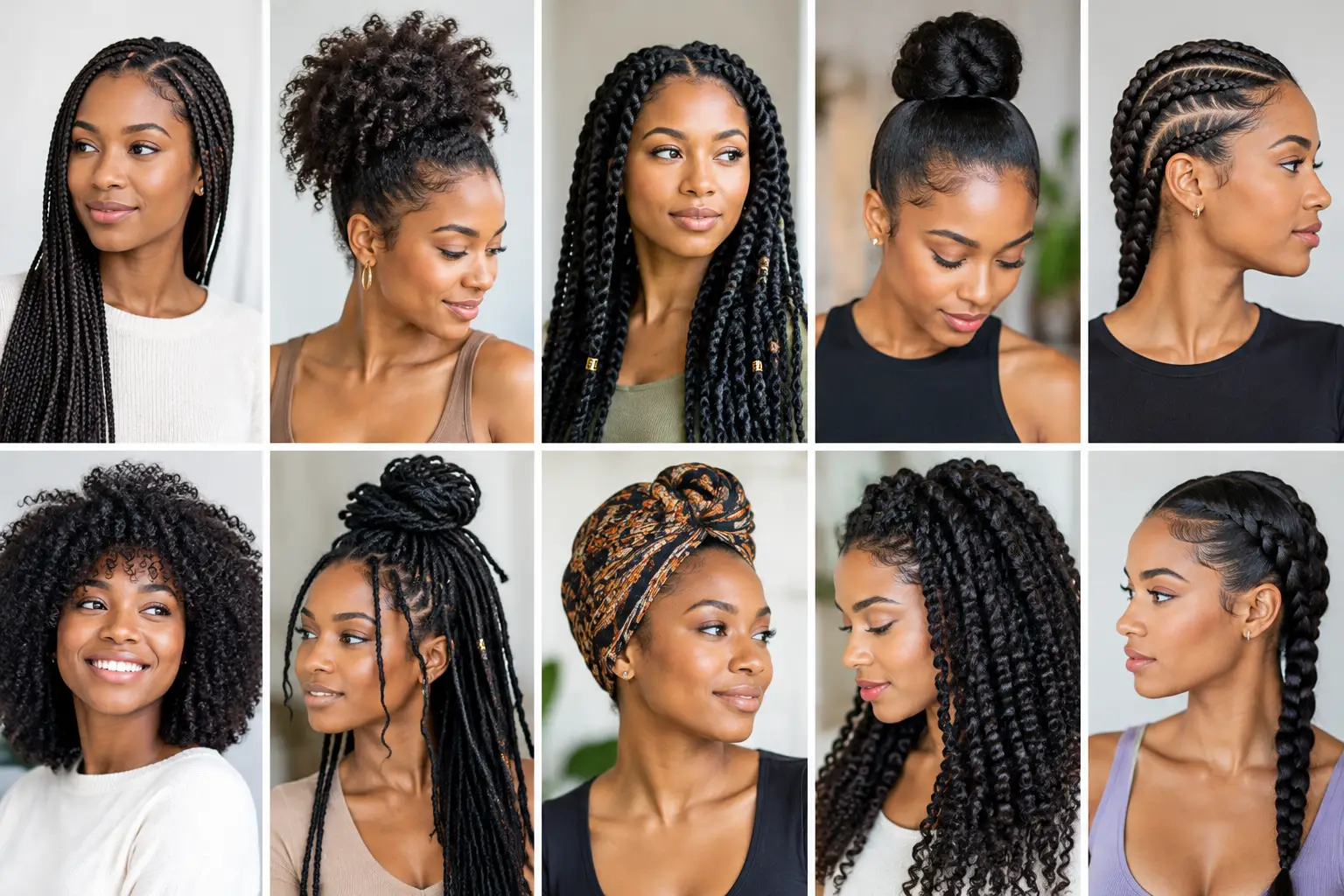

Find the best protective hairstyles for your texture, lifestyle, and comfort, with practical care tips for braids, wigs, twists, and low-tension looks.


A wig can change how you feel before you leave the house, but the right choice is rarely just about finding a pretty style. The question “how to choose wig” options comes down to your comfort, your daily routine, the look you want, and how much styling or maintenance feels realistic for you. A beautiful wig should feel secure, flatter your features, and give you confidence without asking you to become a hair expert overnight.
Begin with why you want a wig. Are you looking for coverage during hair thinning or hair loss? Do you want a protective style while your natural hair rests? Are you adding fullness for special occasions, or do you simply want the freedom to change your look?
Your answer shapes every other decision. Someone who wants an easy, polished style for work may prefer a ready-to-wear bob with minimal daily effort. Someone experiencing hair loss may prioritize a soft, secure cap, a realistic hairline, and a private fitting. If you love changing your part, curling your hair, or wearing updos, construction and fiber matter more than choosing the first style that catches your eye.
It also helps to think about when you will wear it. A wig for occasional dinners and events can be more fashion-forward and lower maintenance than one you plan to wear most days. There is no single “best” wig. There is only the wig that works best for your life.
Fit is what turns a wig from something you are aware of wearing into something you can forget about. A cap that is too loose may shift throughout the day. One that is too tight can create pressure, headaches, or irritation, especially if you have a sensitive scalp.
Measure the circumference of your head around the natural hairline, from the forehead to the nape and around the ears. Most wigs are available in average sizing, while petite and large caps may be needed for a more comfortable fit. Adjustable straps can help fine-tune the fit, but they cannot completely correct a cap that is the wrong size.
Cap construction affects both appearance and comfort. A basic cap is a practical option for everyday volume and value. A lace front creates a softer-looking hairline, especially when the hair is brushed away from the face. A monofilament top gives the appearance that hair is growing from the scalp and lets you change the direction of the part. Hand-tied caps are especially lightweight and natural-moving, though they usually require a larger investment.
If you have little or no natural hair, a wig grip band or properly fitted cap can add security without relying on adhesive. If you have natural hair underneath, consider how you will prepare it. Smooth braids, a low flat bun, or a wig cap can help prevent bulk and create a cleaner silhouette.
Human hair wigs offer movement, versatility, and the ability to style with heat when the hair is in good condition. They can be curled, straightened, colored with professional guidance, and restyled in many ways. They are an excellent choice if you want a long-term piece that can be customized around your preferred look.
That flexibility comes with responsibility. Human hair needs washing, conditioning, careful detangling, and regular styling. Humidity can affect it, just as it affects natural hair. It may also need a professional trim, color refresh, or repair over time.
Synthetic wigs are often easier for first-time wearers because they hold their style after washing. A synthetic bob, layered cut, or soft wave can be shaken out and worn with very little effort. Modern synthetic fibers can look remarkably natural, particularly when the cut, color, and cap are well chosen.
The trade-off is that standard synthetic hair cannot be heat-styled unless it is specifically heat-friendly. Even heat-friendly fiber requires a low temperature and a careful hand. Synthetic wigs can also develop friction at the nape over time, especially with frequent wear. The right fiber is not about which one is more luxurious. It is about which one fits your lifestyle and care habits.
Many shoppers choose a color that is close to their natural shade, but “close” does not always mean one flat color. Natural hair usually has dimension. A soft root, subtle highlights, lowlights, or blended tones can make a wig look more believable and help it blend with your eyebrows and complexion.
If you are uncertain, start with a shade that is within one or two levels of your natural color. Going dramatically lighter can be beautiful, but it may require more attention to makeup, brows, and wardrobe colors. A rooted blonde, warm brunette, deep black, or dimensional auburn often feels more wearable than a solid, highly saturated shade.
Face-framing color also matters. Warm gold, honey, copper, and caramel tones can brighten some complexions, while ash brown, cool beige, espresso, and blue-black shades may suit others. The most reliable way to decide is to see the color near your face in natural light. A private wig try-on makes this much easier than judging a shade from a screen.
The right cut should make getting ready easier, not create another styling task. A chin-length bob offers structure and polish. Long layers give movement and can be styled in several ways. A pixie or cropped cut is light, modern, and especially comfortable in warm weather. Soft curls create fullness, while straight styles often look sleek and refined.
Consider your face shape, but do not treat it as a rulebook. If you love a style, that confidence will show. Instead, use proportion as a guide. Layers around the cheekbones can soften the face, side-swept bangs can add balance, and a little crown volume can create a more lifted look.
Be honest about your daily habits as well. If you exercise often, spend time outdoors, or live in a humid climate, a shorter synthetic style may be more practical than long human hair that needs frequent heat styling. If you regularly wear your hair up, ask whether the wig’s density, nape, and hairline support ponytails or updos.
More hair is not always more natural. A density that is too heavy can make a wig feel warm and look less believable, particularly around the hairline and temples. Medium density is often a flattering starting point for everyday wear because it creates fullness without looking overly thick.
Length affects maintenance. Long wigs are glamorous and versatile, but they tangle more easily against coats, scarves, and car seats. Short and medium lengths usually need less detangling and are easier to refresh. If you are new to wigs, a shoulder-length style is often a comfortable middle ground.
A professional can also customize the density and shape. Thinning bulky ends, adding face-framing layers, trimming bangs, or adjusting a part can make a ready-to-wear wig feel much more personal. Custom wig creation may be the better option when you need a specific cap size, color blend, hairline, or level of coverage.
Your budget should include more than the initial purchase. Think about the products and services that help keep the wig looking its best: a proper stand, wide-tooth comb, wig-safe shampoo and conditioner, detangling spray, and occasional professional styling or repair.
Human hair wigs generally cost more upfront but can be refreshed and restyled over a longer period with proper care. Synthetic wigs are often more accessible and convenient, making them a smart choice for a second style, travel wig, or first purchase. Some clients choose both: a human hair wig for frequent wear and a synthetic option for quick, ready-styled days.
When a favorite wig begins to show wear, replacement is not always the only answer. Cap repair, comb or clip replacement, wig-grip-band attachment, and hair restoration services may extend its life. Hair A La Mode can help assess whether a wig needs a refresh, a repair, or a completely new solution.
Photos are helpful, but they cannot tell you whether a cap feels comfortable at your temples or whether a fringe sits correctly on your forehead. Trying on several styles often reveals surprises. The cut you expected to love may feel too full, while a style you had not considered may instantly feel like you.
Give yourself permission to take your time. Ask to see the hairline from different angles, move your head, sit down, and look in a mirror under natural light. If privacy matters to you, a one-on-one consultation offers a comfortable space to discuss hair loss, fit concerns, styling limitations, and your personal goals.
The best wig is not the one that makes you look like someone else. It is the one that lets you recognize yourself, feel comfortable in your own reflection, and move through your day with a little more ease.
Find the best protective hairstyles for your texture, lifestyle, and comfort, with practical care tips for braids, wigs, twists, and low-tension looks.

Learn how to remove wig adhesive gently, protect your skin and hairline, and clean your lace wig for a comfortable, confident next wear at...

Do wigs cause headaches? Learn how fit, pressure, heat, and styling affect comfort, with practical ways to wear your wig pain-free every day with...
