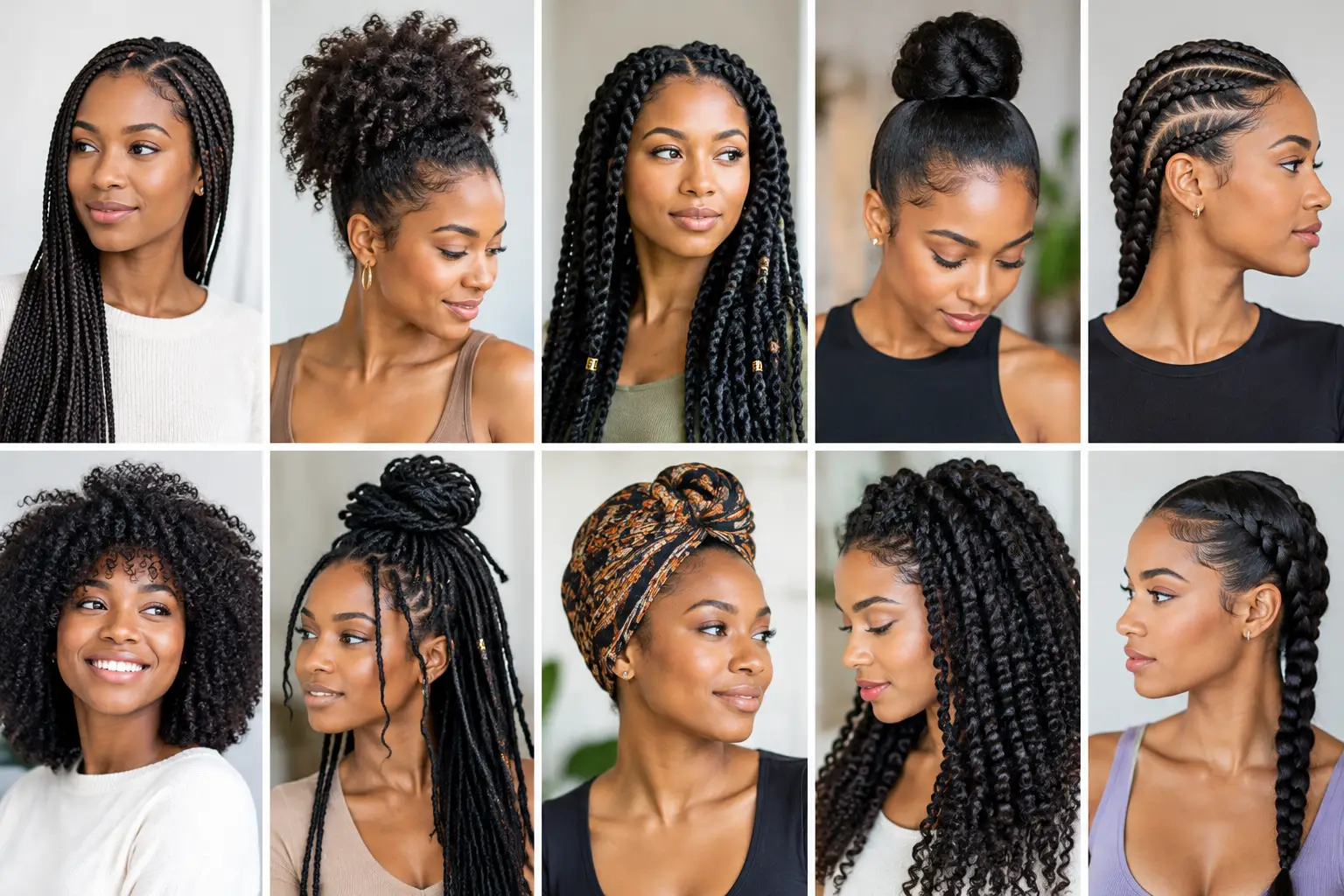

Find the best protective hairstyles for your texture, lifestyle, and comfort, with practical care tips for braids, wigs, twists, and low-tension looks.


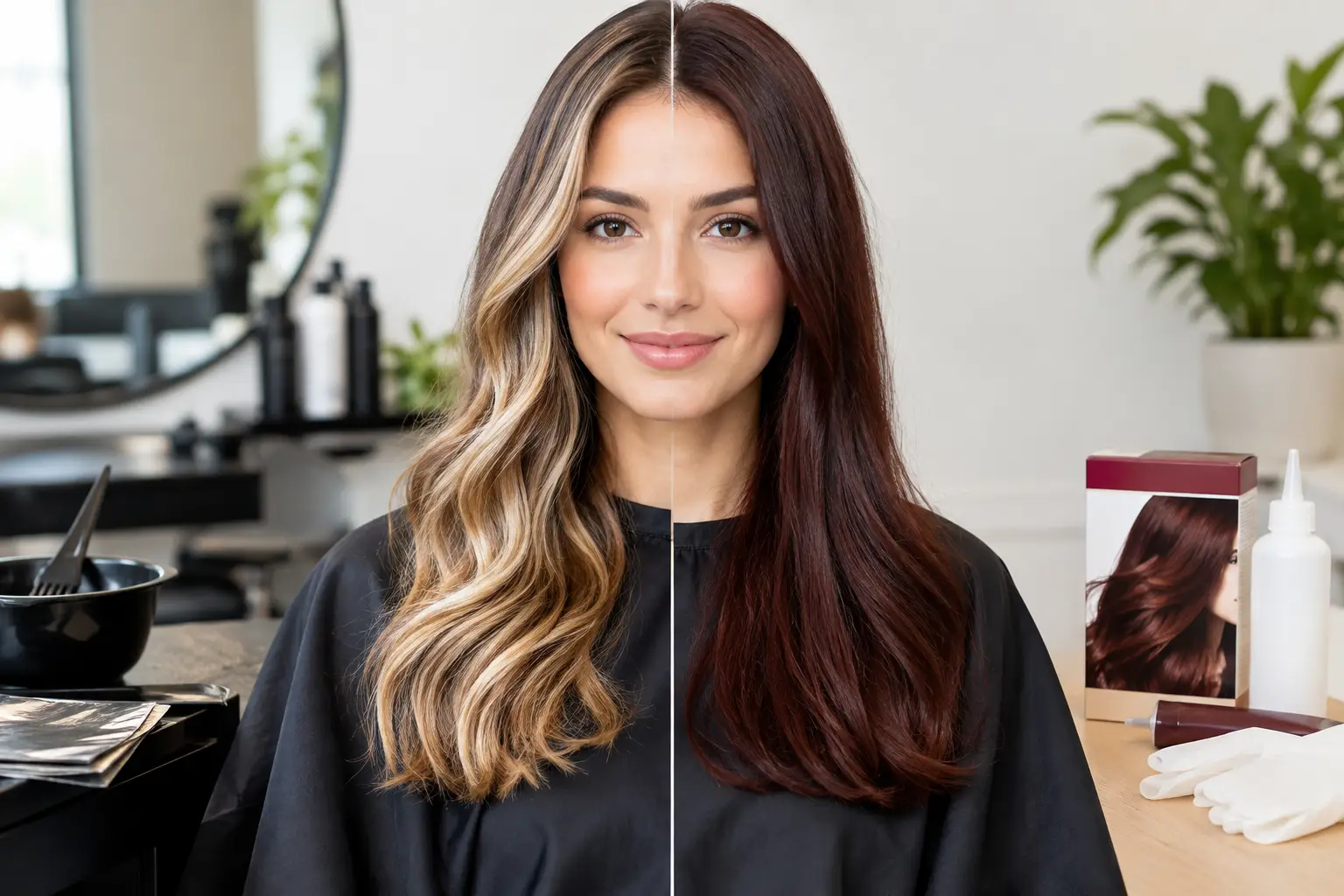
A color change can feel like a fresh start – until the shade turns too dark, too warm, or uneven around your hairline. When weighing salon color versus box dye, the real question is not simply which option costs less. It is which choice gives you the result, comfort, and level of hair care you need right now.
For some people, a box kit can be a practical touch-up. For others, especially anyone managing breakage, texture changes, extensions, wigs, or previous color, professional color is the safer path to a result that still feels like you.
Salon color is customized. A professional looks at your starting level, undertones, porosity, gray coverage, hair density, previous chemical services, and the result you want to wear every day. They can choose a formula, developer strength, placement technique, and processing time based on what your hair can handle.
Box dye is made for broad use. One kit has to work for many hair types and histories, so its formula cannot account for the color already on your ends, a recent keratin treatment, fragile areas near the crown, or the way your natural texture absorbs pigment. The instructions are straightforward, but the outcome can still be unpredictable.
This does not mean every box-dye experience ends badly. If your hair is healthy, uncolored, and you are staying close to your natural shade, you may get a wearable result. The risk grows when you are lightening hair, covering multiple tones, correcting a past color, or trying to achieve a specific dimensional look.
Natural-looking color is rarely one flat shade from roots to ends. Hair often has subtle variation: a deeper root, softer warmth through the mids, and brightness where the hair catches light. Salon techniques can recreate that movement with highlights, lowlights, glosses, root melts, balayage, or strategically placed face-framing pieces.
A stylist also adjusts for what the eye sees. If your complexion is warm, a very ashy brunette can look dull. If you have gray around the temples, a formula may need extra coverage there without making the rest of your hair look heavy. These details are why salon color can feel polished rather than simply dyed.
This matters even more for wigs, toppers, and extensions. A color that appears close in the box may not blend under daylight. Human-hair pieces can often be professionally toned or colored with care, while synthetic hair requires different methods and cannot be treated like natural hair. A consultation can help protect the investment you have made in your hair solution.
Professional color includes application control. A stylist can keep permanent color off already-colored lengths, protect delicate ends, and avoid overlapping bleach during a retouch. They can also use different formulas in different areas when your roots, mids, and ends need different support.
At home, it is easy to apply color heavily to the front hairline and under-apply it at the back, especially with long, thick, curly, or textured hair. Uneven saturation is one reason box color can leave bands, darker patches, or stubborn gray coverage.
Box dye is less expensive at checkout. For someone doing a simple root refresh, that savings can be meaningful. A salon appointment costs more because it includes professional products, color mixing, application, timing, rinsing, conditioning, and the skill to make adjustments along the way.
But the lower initial price is not always the lower overall cost. Correcting overly dark color, orange roots, patchiness, or bleach damage often takes more than one appointment. It can also require a gradual plan to preserve the condition of your hair. In some cases, damaged hair needs trims, restorative treatments, or a temporary change in color goals while it recovers.
Think about the value of predictability. If you have an event, professional photos, a vacation, or simply want to feel confident at work, the ability to discuss your goal beforehand may be worth more than the convenience of a quick kit.
Coloring changes the hair, even when it is done carefully. Permanent color and lightener can make hair feel drier, particularly when used repeatedly. The difference is that a salon professional can assess whether your hair is ready for another chemical service and recommend a more gentle alternative when it is not.
Box dye is most risky when it is used to lighten previously colored hair. Color generally does not lift color in a clean, controlled way. Applying a lighter box shade over dark dye may expose warm red, orange, or yellow tones while leaving the hair uneven. Reapplying another kit right away can increase dryness and breakage.
If your hair has been relaxed, permed, heavily highlighted, heat-damaged, or is shedding more than usual, pause before coloring it at home. The same caution applies if you wear extensions regularly or rely on a wig while growing out damaged hair. Your natural hair and scalp deserve a plan that supports comfort, not just a faster shade change.
A box kit can be a reasonable choice when you have healthy, untreated hair and want to go slightly darker or refresh a shade you already know works for you. It may also suit a small, temporary experiment, provided you follow the directions, complete the patch test, and do not expect a dramatic transformation.
Choose a shade close to your current level. Do not use permanent color to repeatedly pull dark ends darker, and do not expect a single kit to turn dark hair blonde. If your goal is brightness, a major correction, gray blending with dimension, or a color match for extensions and a hairpiece, book professional help instead.
Start with an honest look at your hair history. Ask yourself whether you have colored your hair in the past year, used henna or metallic dyes, had smoothing or texture services, experienced breakage, or worn a shade that needs correcting. These details change the answer.
Also consider how precise your goal is. “I want to cover a few grays and stay brunette” is very different from “I want a cool beige blonde with soft roots.” The more specific your vision, the more useful a salon appointment becomes.
At Hair A La Mode, a private consultation can make the decision feel less overwhelming. You can discuss your desired shade, your current hair condition, and whether a custom wig, topper, extensions, or a salon color service will give you the most natural-looking result.
Usually, yes, but correction may take time. A stylist may need to remove or fade artificial pigment gradually, balance unwanted warmth, and rebuild softness before pursuing your final target shade. Bring the box or a photo of the product if you still have it, and be honest about every color application.
Not automatically. Any chemical service can affect the hair. Professional color is safer because the formula, placement, and timing are tailored to your hair, and the stylist can stop or adjust the service when needed. Your home routine also matters after the appointment.
It is possible, but it is not always advisable. Wig hair may be processed differently from your own hair and can absorb color quickly or unevenly. The cap, knots, lace, and construction also need protection. Synthetic wigs should not be colored with standard hair dye.
The best color choice is the one that lets you look in the mirror and feel comfortable, polished, and like yourself. If there is any doubt about your hair’s condition or your desired result, give your color a little more care before making the change.
Find the best protective hairstyles for your texture, lifestyle, and comfort, with practical care tips for braids, wigs, twists, and low-tension looks.
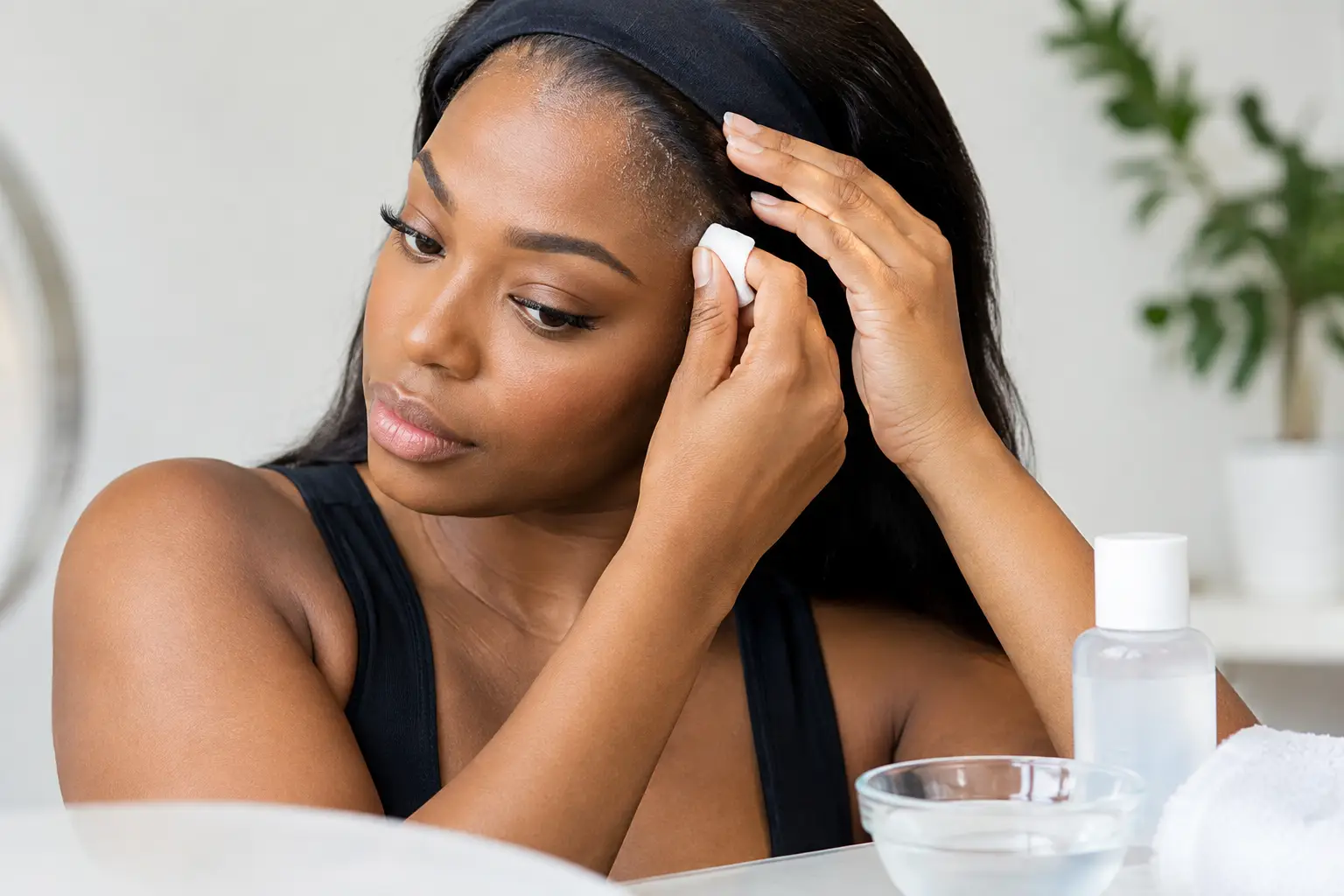
Learn how to remove wig adhesive gently, protect your skin and hairline, and clean your lace wig for a comfortable, confident next wear at...

Do wigs cause headaches? Learn how fit, pressure, heat, and styling affect comfort, with practical ways to wear your wig pain-free every day with...
