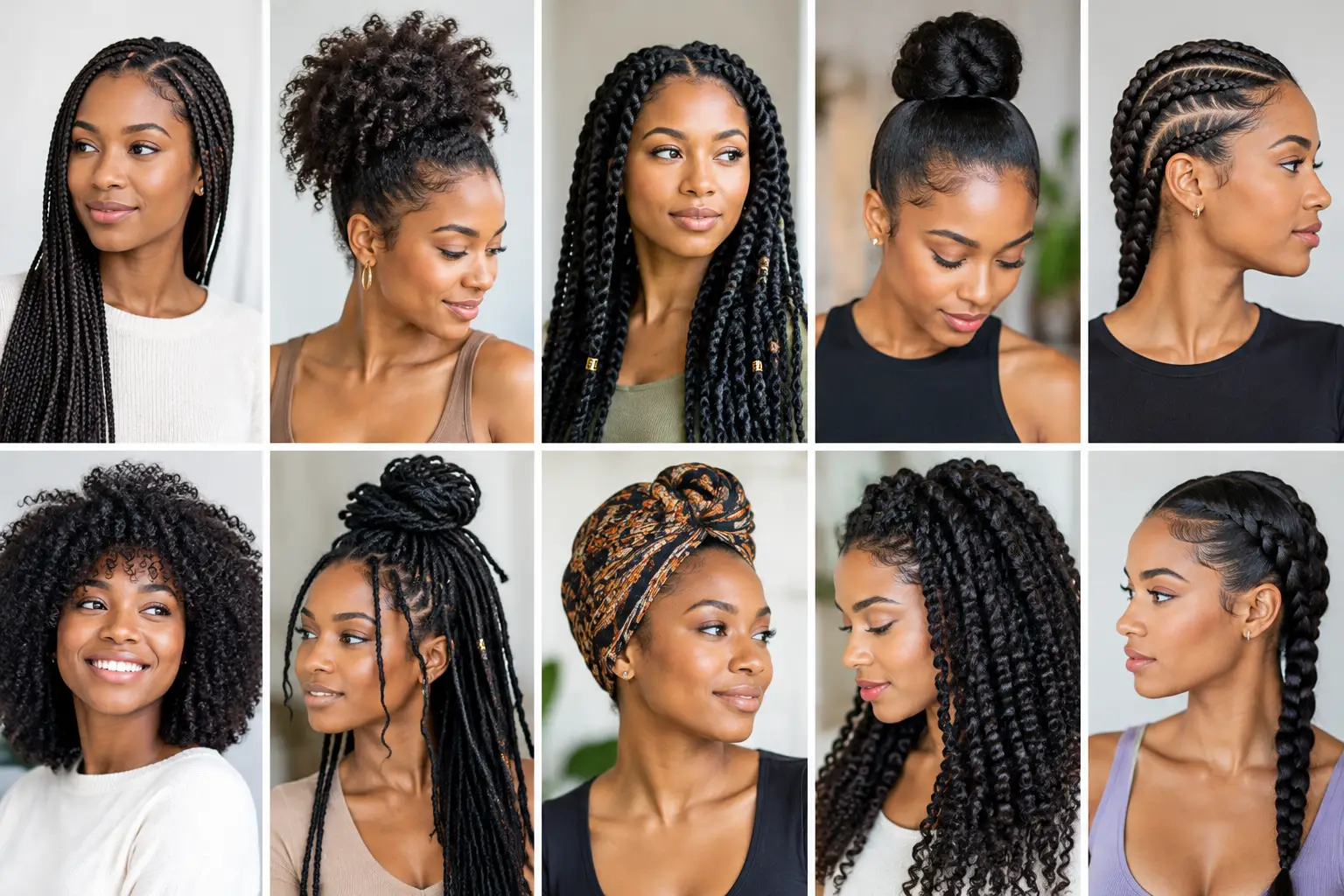

Find the best protective hairstyles for your texture, lifestyle, and comfort, with practical care tips for braids, wigs, twists, and low-tension looks.


A beautiful extension result should not announce itself when you turn your head. The right hair extensions move naturally, match your texture, feel comfortable at the scalp, and give you the fullness or length you have been missing. Whether you want a fuller ponytail for special occasions, a protective style that gives your natural hair a break, or a longer-lasting everyday transformation, the best choice begins with your real lifestyle, not just a photo.
Extensions are not one-size-fits-all, and more hair is not always better hair. Before choosing a length, color, or attachment method, think about what you want to see in the mirror. Are you looking to fill in thin areas, add volume through the ends, create a longer style, or switch up your look without making a permanent change?
For subtle fullness, a small amount of hair placed where it is needed can look more believable than a full set. If length is the priority, your natural hair needs enough density and strength to blend with the added hair. A dramatic change can be gorgeous, but it often needs more careful blending, styling, and maintenance.
Your daily routine matters too. Someone who wears a low bun, works out often, or prefers a quick morning routine may need a different option from someone who enjoys heat styling and changing hairstyles throughout the week. A private consultation is useful because it turns those details into a plan that looks good and feels realistic to maintain.
The best hair extensions are the ones that complement your own hair texture instead of fighting against it. Straight extensions paired with a naturally textured or curly pattern may require frequent heat styling to blend. That can add time to your routine and may put unnecessary stress on both your natural hair and the extension hair.
Human hair extensions offer the most flexibility. They can usually be curled, straightened, and styled much like natural hair, provided you follow the recommended heat settings and aftercare. They are a strong choice for clients who want a realistic finish, frequent styling options, and longer-term wear. Quality matters here: well-selected human hair has better movement, a more natural sheen, and less tangling than lower-grade options.
Synthetic hair can be a practical and beautiful option, especially for a ready-to-wear look, a fashion color, or occasional use. Many synthetic styles hold their shape well, so you may spend less time styling them. The trade-off is less heat flexibility unless the fiber is specifically heat-friendly. Synthetic hair also requires products designed for synthetic fibers, not the same products used on natural hair.
Neither choice is automatically better. The right decision depends on how often you will wear the hair, how you prefer to style it, and the level of maintenance that feels comfortable for you.
Look at your hair after it has been styled the way you normally wear it. Is it sleek and straight, lightly wavy, curly, coily, relaxed, or silk pressed? Choose extensions that meet your hair where it is. The closer the texture match, the less manipulation you need every morning.
Texture matching is especially important around the crown, hairline, and nape, where a mismatch is easiest to notice. A stylist can cut, layer, and shape the extensions so they sit naturally with your own hair. This final customization often makes the difference between hair that simply looks added on and hair that looks like it grew from your scalp.
A perfect match is not always one flat shade. Natural hair usually has dimension, with slightly lighter ends, deeper roots, or soft variation throughout. If your hair is highlighted, colored, or transitioning between shades, choosing extensions with similar depth can make the blend much softer.
When deciding between two colors, it is often wiser to choose the shade that matches your mid-lengths and ends rather than the newest growth at the root. Your extensions will live beside the lengths of your hair, and that is where the match needs to work. A professional color service can further refine the overall look when appropriate for the extension type.
Avoid choosing solely from a heavily filtered photo or a screen image. Lighting changes color dramatically. Seeing the hair in person, or working with clear photos taken in natural light, gives you a much better starting point.
The attachment method should feel secure without pain, pulling, or constant awareness. If extensions hurt, feel too heavy, or cause headaches, they need attention. Discomfort is not something to push through for the sake of a style.
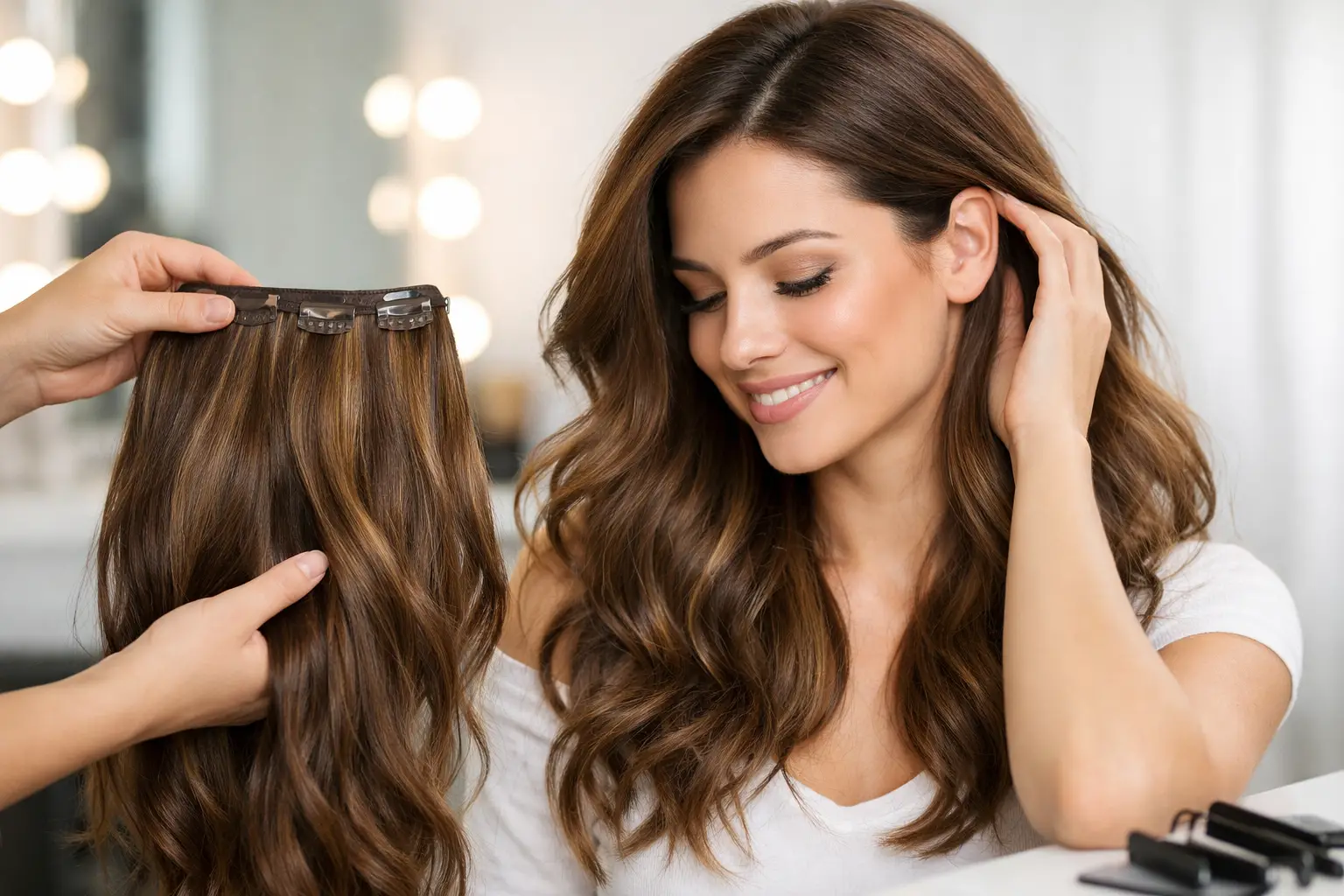
Clip-in extensions are a flexible choice for occasional fullness or weekend styling. You can put them in and remove them at home, which gives you control and helps you avoid sleeping in them. They work best when placed carefully and when your natural hair can support the clips without tension.
Tape-in, bonded, sewn-in, and other salon-installed methods can offer a more continuous look, but they require professional application, maintenance appointments, and proper removal. These methods may be ideal for clients who want to wake up with their added hair in place, but they are not suitable for every hair density or scalp condition.
Braided or weft-based installations can be beautiful for textured hair, yet the foundation must not be too tight. Tension at the hairline and scalp can lead to breakage over time. A good installation protects the health of the hair underneath rather than asking it to carry more than it can handle.
At Hair A La Mode, the conversation can include the look you want, your natural hair condition, and how much daily maintenance works for you, so the solution is personal rather than generic.
Extensions last longer when they are handled gently. Brush or detangle them before washing, beginning at the ends and working upward. Hold the hair near the attachment area while brushing so you are not pulling at your own roots.
Use sulfate-free, extension-friendly shampoo and conditioner when recommended for your hair type. Keep heavy oils, masks, and conditioner away from tape, bonds, clips, or other attachment points unless your stylist has advised otherwise. Those products can cause slipping or buildup around the base.
For human hair, use heat protectant before blow-drying, curling, or flat ironing. Keep the temperature moderate. Extensions do not receive natural oils from the scalp in the same way your own hair does, so excessive heat can dry them out quickly. A light serum or smoothing spray through the mid-lengths and ends can help maintain shine without weighing the hair down.
Never sleep in clip-in extensions. For installed extensions, a loose braid or low ponytail and a satin or silk pillowcase can reduce tangling overnight. After swimming, rinse promptly and follow your stylist’s guidance, especially if you have been in chlorinated or salt water.
Your natural hair continues to grow, even when extensions look great on the surface. Installed methods gradually move farther from the scalp, which can make them harder to conceal and may increase tension or tangling at the roots. Regular maintenance is part of wearing extensions safely, not an optional extra.
Watch for matting near the attachment points, unusual shedding, slipping, scalp tenderness, or difficulty brushing close to the roots. These signs do not always mean the extensions have failed. They often mean it is time for an adjustment, removal, reinstall, or a closer look at your at-home routine.
Extensions should also be removed if your scalp becomes irritated or if your natural hair feels fragile. Beautiful hair should support your confidence, not make you worry about damage.
The most natural-looking result is built patiently: choose hair that matches your texture, use an attachment method your hair can comfortably support, and give yourself permission to ask for help with the fit, blend, and care. When your extensions feel like they belong to you, confidence tends to follow.
Find the best protective hairstyles for your texture, lifestyle, and comfort, with practical care tips for braids, wigs, twists, and low-tension looks.
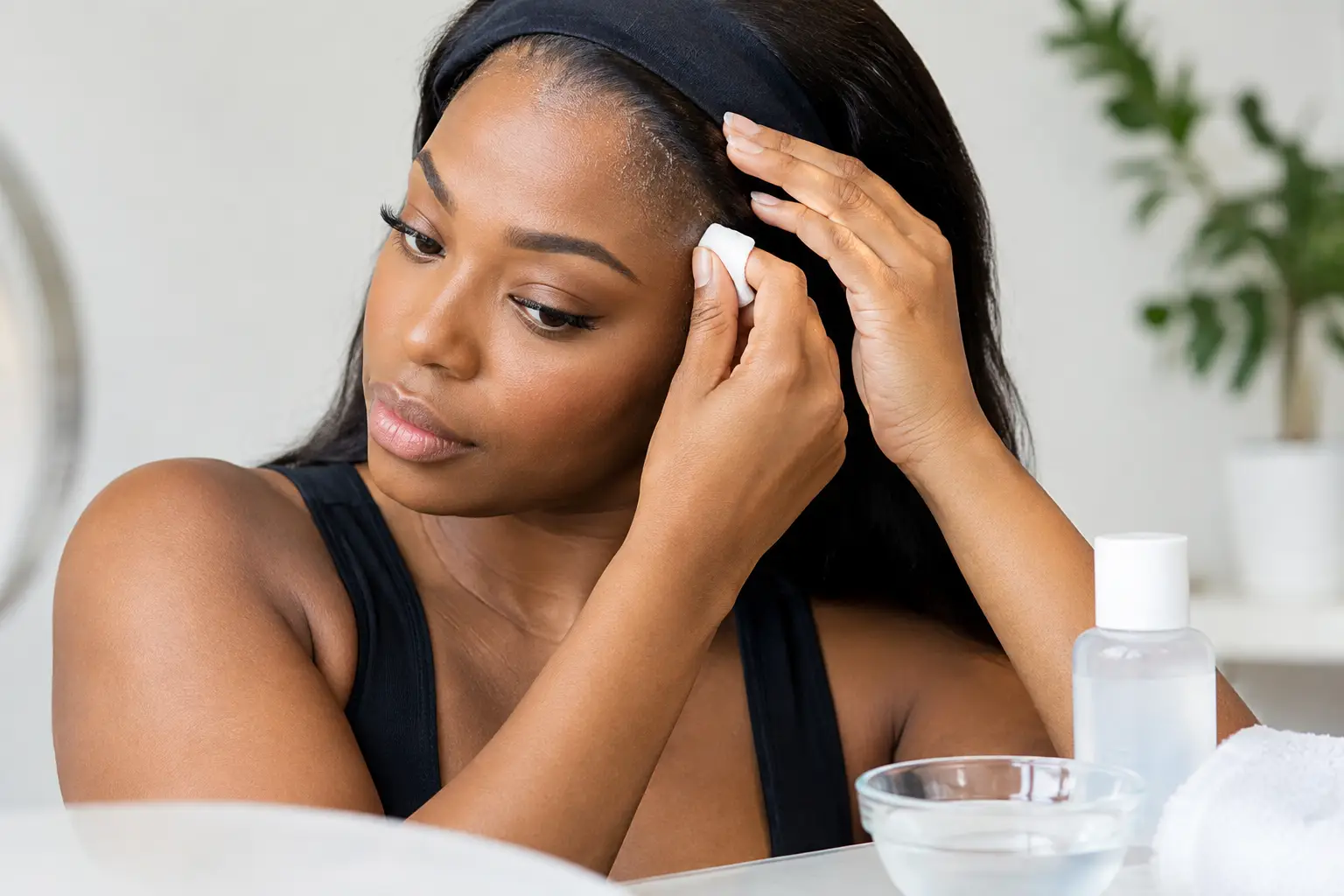
Learn how to remove wig adhesive gently, protect your skin and hairline, and clean your lace wig for a comfortable, confident next wear at...
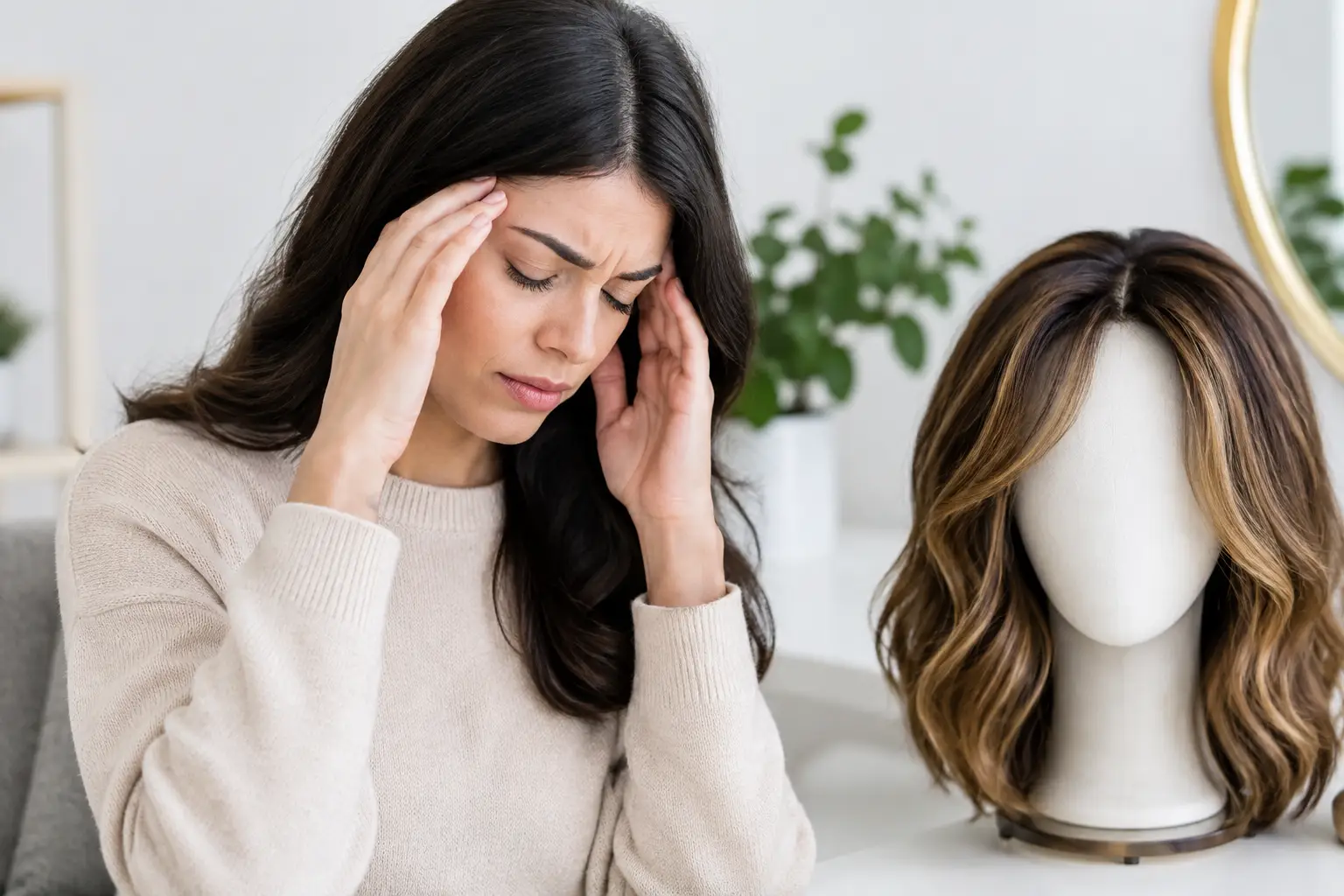
Do wigs cause headaches? Learn how fit, pressure, heat, and styling affect comfort, with practical ways to wear your wig pain-free every day with...
