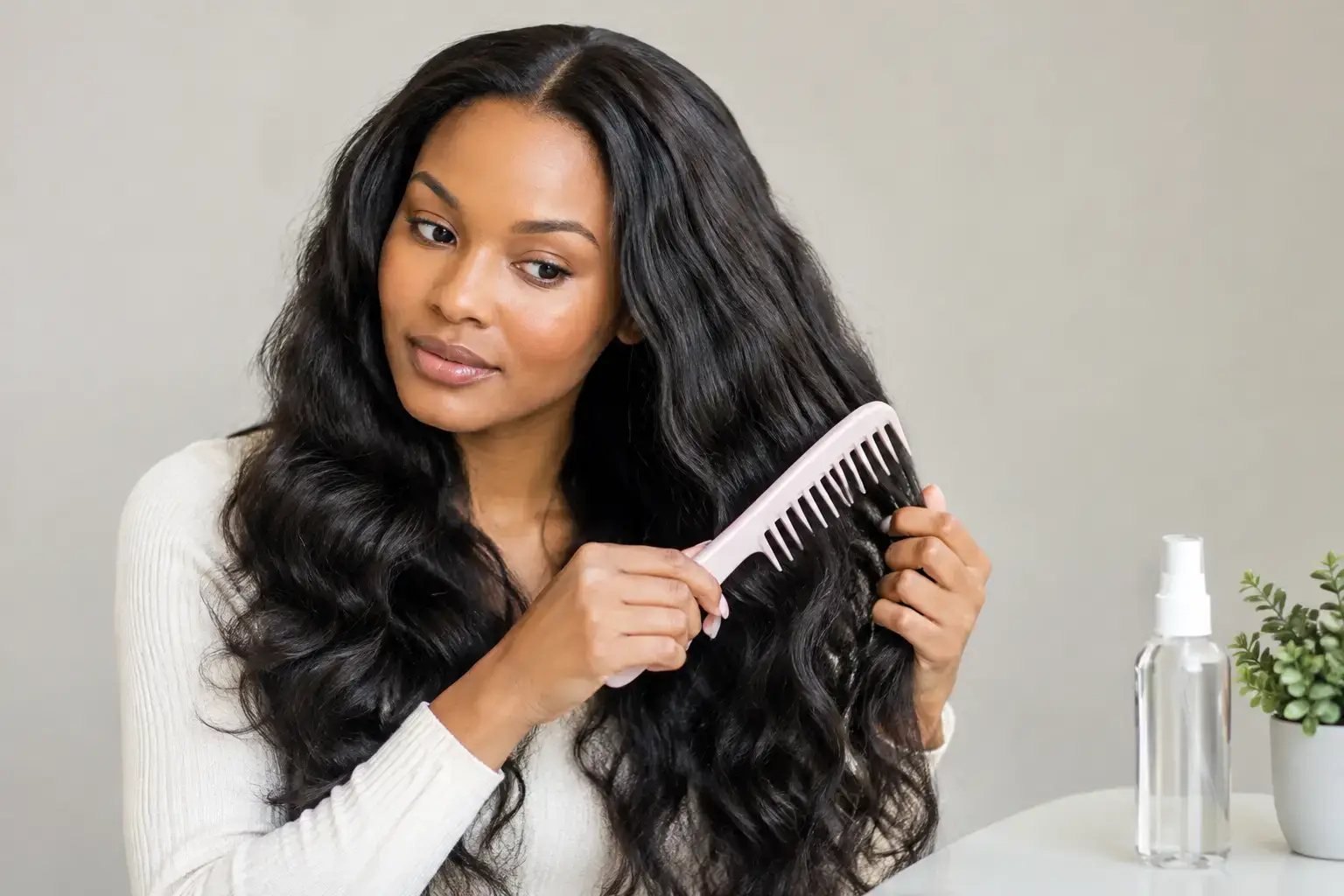

Learn how to fix wig frizz safely with simple care steps for synthetic and human hair wigs, plus signs it is time for a...


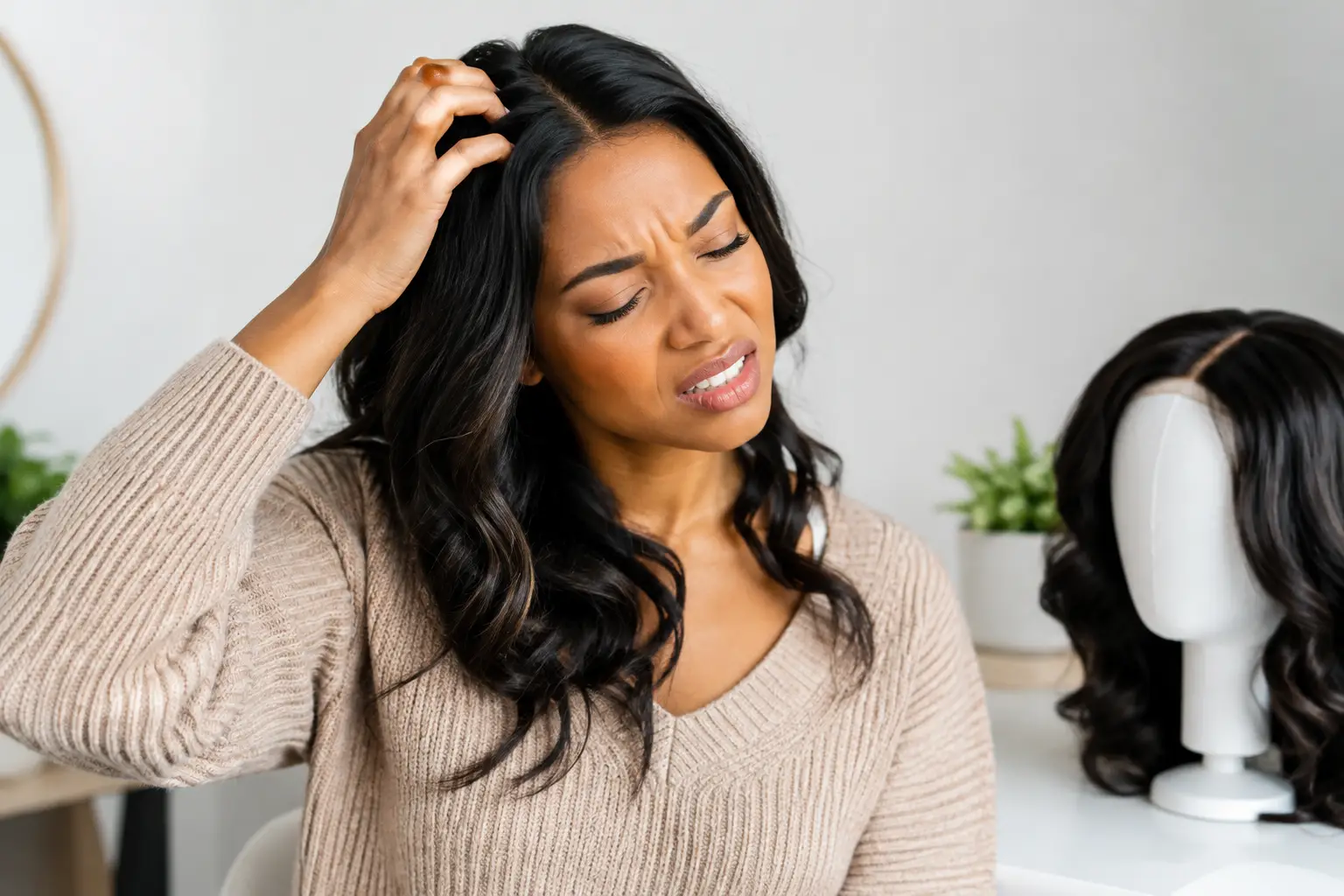
A wig should help you feel polished, protected, and like yourself – not distracted by an itchy scalp. If you have ever wondered, “why does wig itch?” the answer is usually not that wigs are inherently uncomfortable. It is more often a matter of fit, heat, friction, scalp sensitivity, or a cap that needs a little more care. The good news is that most wig-related itching can be improved with a few practical adjustments.
Itching is your scalp’s way of reacting to something it does not like. Sometimes that reaction is minor, such as warmth under a cap after a long day. Other times, it points to rubbing around the hairline, product buildup, or an ingredient sensitivity. Identifying when and where the itch begins makes it much easier to solve.
A wig that itches immediately after you put it on may be too tight, have a rough seam, or be irritating a sensitive area of your scalp. If it becomes itchy later in the day, sweat, heat, and trapped oil may be contributing. Itching that appears after several wears can also mean the wig cap, your scalp, or both need cleaning.
A secure wig should not feel like it is pulling at your temples, pressing deeply behind your ears, or leaving marks on your forehead. When a cap is too small, its elastic, combs, clips, or lace can rub the same spots repeatedly. That friction can cause itching, tenderness, and even breakage if you have natural hair underneath.
This is especially common with a new wig. Some caps feel snug at first, but discomfort should not be something you simply tolerate. Adjustable tabs, a different cap construction, or a professional fitting can make a significant difference. For some wearers, adding a soft wig grip band provides security without over-tightening the cap.
Your scalp naturally produces oil and sweat, particularly during warm weather, exercise, errands, or a long commute. A wig cap can hold that moisture close to the skin. When sweat dries under the cap, salt and oil can leave the scalp feeling itchy or irritated.
Dense hair, a full cap, and styles with limited airflow may feel warmer than lightweight options. Human hair wigs can be comfortable and natural-looking, but their density and cap construction still matter. A breathable cap, a lower-density style, or a shorter cut may be a better choice if you tend to run warm.
Dry shampoo, edge control, hairspray, scalp oils, leave-in conditioners, and adhesive residue can all collect under a wig. Even products that work beautifully on your natural hair may feel uncomfortable when they are trapped beneath a cap for hours.
The wig itself can also accumulate styling products, makeup around the lace, perspiration, and environmental debris. When the cap is not cleaned regularly, it may feel less fresh against your scalp. Gentle, consistent washing is often more helpful than applying extra oil or fragrance to cover the problem.
Some people have a sensitivity to latex, silicone, certain dyes, adhesives, fragrance, or synthetic fibers. A reaction may feel like itching, burning, redness, small bumps, or flaking. Lace can also feel scratchy around the hairline when it is stiff, dry, or not sitting properly.
If you use wig tape or glue, the adhesive may be the source of the irritation rather than the wig. Do not keep reapplying a product that causes burning or a rash. Remove it carefully, allow your skin to recover, and consider a different attachment method after checking with a qualified professional or healthcare provider.
Comfort starts before you put your wig on. Begin with a clean, dry scalp. If your scalp is prone to dryness, use a light, non-greasy moisturizer that absorbs fully before wearing your wig. Heavy oils can transfer to the cap, attract buildup, and make the wig shift.
If you have natural hair, make sure it is completely dry before braiding, wrapping, or placing it under a wig. Damp hair beneath a cap can create an uncomfortable environment for your scalp. Keep braids flat and tension-free, especially around the hairline and nape of the neck.
Many people respond to a loose wig by tightening every strap. That can stop movement temporarily, but it may also create the itching you are trying to avoid. The goal is even, gentle contact around the head – not pressure in one area.
Start by loosening the adjustment tabs slightly and checking how the cap sits at the nape and temples. If the wig slides, a wig grip band, properly placed clips, or a cap alteration may be a better solution than a tighter setting. A cap that is the wrong size or shape for your head may need professional customization rather than another at-home fix.
Pay attention to the exact location of the itch. Itching at the front often relates to lace, adhesive, or hairline friction. Itching at the crown may point to heat or a tight cap. Itching at the nape can happen when the wig rubs against skin, clothing collars, or the ends of your natural hair.
How often you wash depends on how often you wear your wig, how active you are, and the products you use. A daily wearer may need to cleanse the scalp every few days and wash the wig as needed to remove buildup. Someone who wears a wig occasionally can usually wash it less often.
Use products made for your wig type. Synthetic fibers need gentle synthetic-wig care, while human hair wigs benefit from appropriate shampoo, conditioner, and conditioning treatments. Avoid applying conditioner directly to a wig cap, because it can leave a residue that feels slippery or irritating against the skin.
Between washes, wipe adhesive residue from the hairline carefully and let the area dry completely. If you wear a wig cap underneath, wash that cap regularly too. A fresh, clean liner can be a simple comfort upgrade, particularly in humid weather.
A wig cap can protect your natural hair and create a smoother foundation, but not everyone needs one every time. If a nylon cap makes you sweat or itch, try a softer bamboo, mesh, or moisture-wicking option. Some people are most comfortable wearing their wig directly on a clean scalp, while others prefer a thin liner to reduce friction.
There is no single best method. The right choice depends on your scalp, your natural hair, the weather, and the wig’s construction. If you are experiencing hair loss or scalp sensitivity, a soft, lightweight cap with minimal seams is often worth prioritizing over a heavier, more structured design.
Mild itching that improves after adjusting the cap or washing the wig is usually manageable. Persistent itching, however, should not be ignored. Remove the wig and avoid adhesives if you experience burning, swelling, oozing, painful bumps, significant redness, or a spreading rash.
Those symptoms can indicate contact dermatitis, follicle irritation, infection, or another scalp condition that needs medical guidance. If you have a history of eczema, psoriasis, allergies, or a sensitive scalp, introduce new wig products one at a time. This makes it easier to identify what your skin tolerates well.
It is also wise to give your scalp regular breaks. Even the most beautiful style should not stay on so long that your skin cannot be cleaned, cooled, and checked. Taking off your wig at night, unless you have been specifically advised otherwise, helps prevent unnecessary friction and buildup.
The cap matters as much as the hair. A wig can have a beautiful color blend and natural movement but still feel wrong if the cap does not suit your needs. Look for features such as adjustable straps, soft ear tabs, breathable sections, smooth interior seams, and a size that matches your head measurements.
For frequent wear, a professional consultation can save you from repeatedly buying caps that almost work. At Hair A La Mode, personalized wig fittings, custom wig work, and repairs can help address practical issues such as cap sizing, wig-grip-band attachment, clip replacement, and worn interior components. Small construction changes can make a favorite wig feel wearable again.
A comfortable wig should let you focus on your day, your plans, and how confident you feel in the mirror. If itching keeps interrupting that feeling, treat it as useful feedback from your scalp: a gentler fit, a cleaner routine, or a better cap may be all it takes to make your style feel as good as it looks.
Learn how to fix wig frizz safely with simple care steps for synthetic and human hair wigs, plus signs it is time for a...
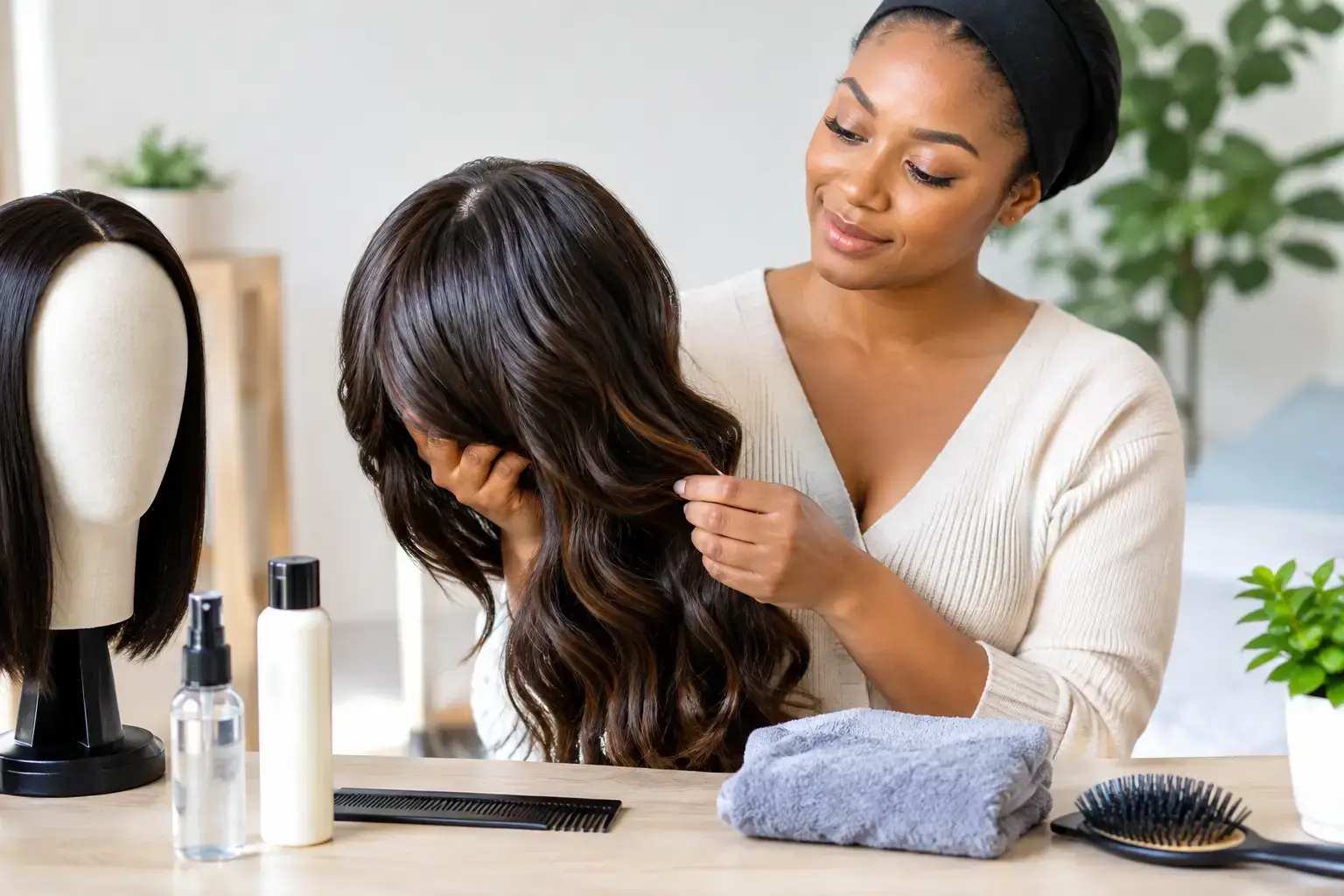
Get practical synthetic wig care tips for washing, detangling, storing, and heat styling so your wig stays comfortable, polished, and natural-looking, too.

Protective style trends favor lighter tension, flexible wear, and natural finishes. Find a comfortable look that supports hair health and daily confidence.
