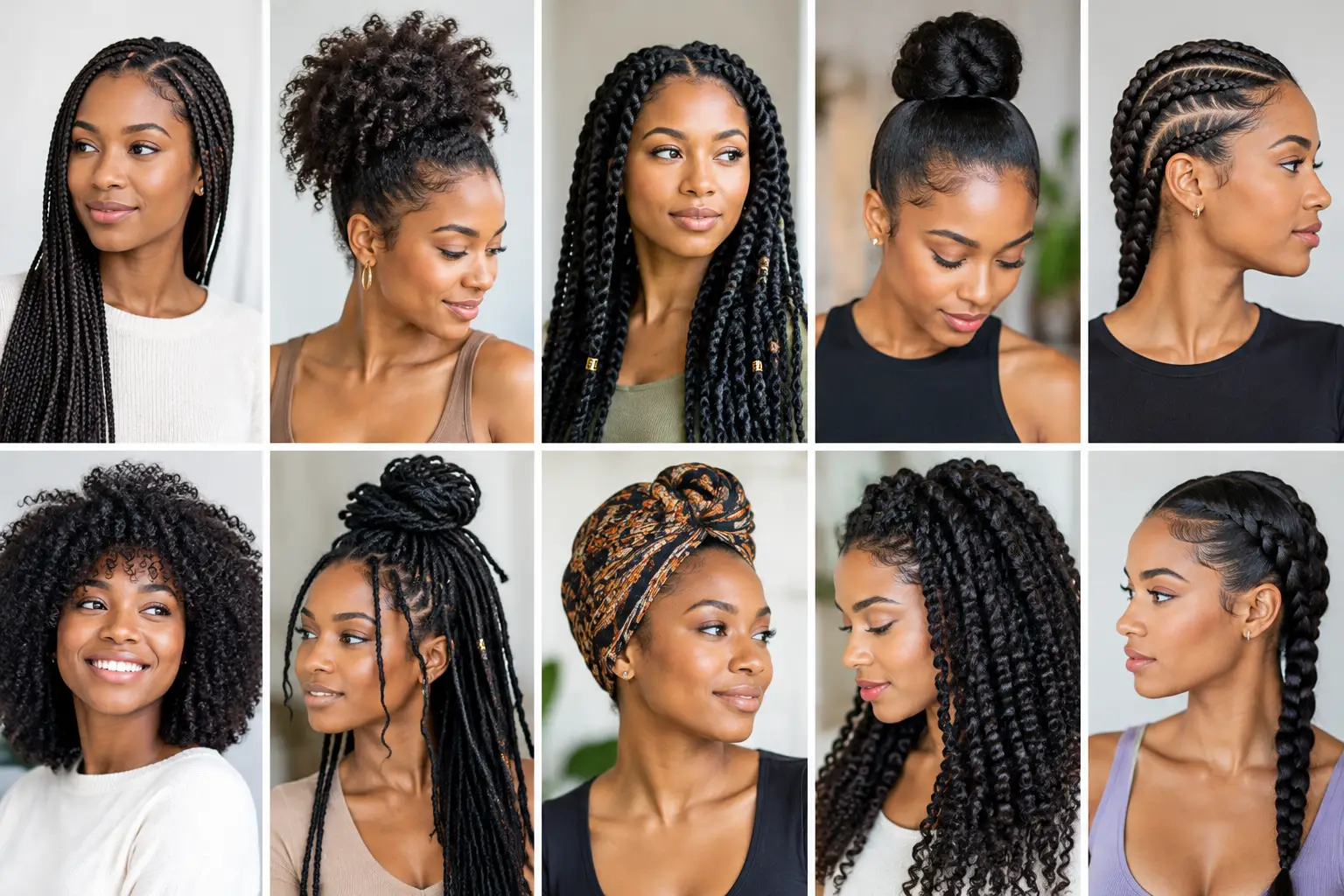

Find the best protective hairstyles for your texture, lifestyle, and comfort, with practical care tips for braids, wigs, twists, and low-tension looks.


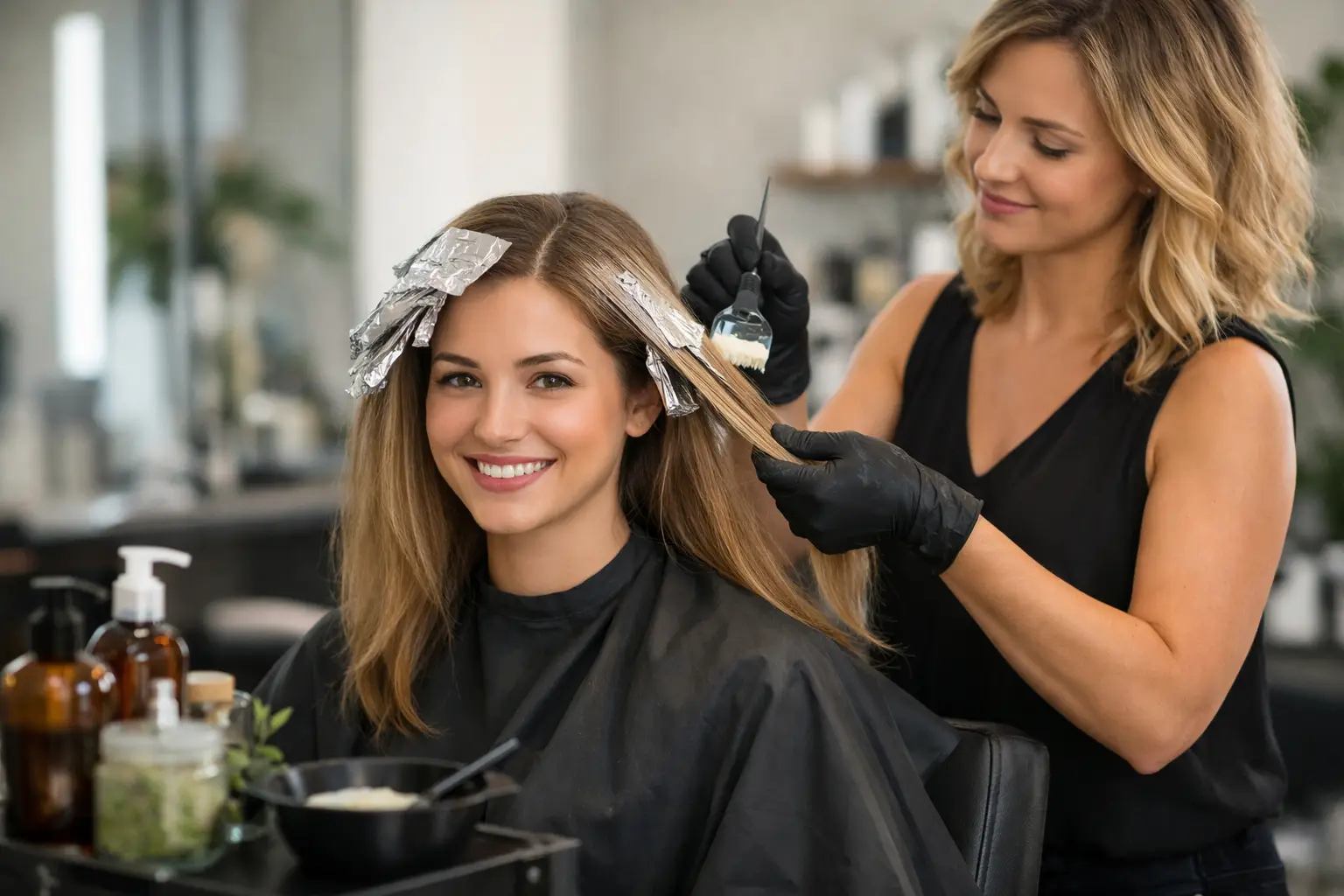
Color should feel like a confidence boost, not something you have to endure. At an ammonia free hair color salon, your appointment begins with the condition of your hair, your scalp comfort, and the result you want to see in the mirror. Whether you are blending grays, refreshing faded ends, adding dimension, or making a meaningful change, the right formula and application plan matter as much as the shade itself.
Traditional permanent hair color often uses ammonia to raise the hair cuticle so color molecules can move inside the hair shaft. Ammonia-free color uses an alternative alkaline ingredient to help the formula process. This can reduce the sharp odor many clients associate with coloring services and may feel more comfortable for people who are sensitive to strong salon smells.
However, ammonia-free does not mean chemical-free, allergy-proof, or damage-proof. Hair color still needs to alter or deposit pigment, and the developer, your hair history, and the technique used all affect the final result. A professional colorist will explain what a specific formula can realistically do for your hair instead of promising that every ammonia-free service will feel identical.
For many clients, the biggest benefit is a more pleasant color experience. You may notice less odor during processing, while still receiving rich tones, gray blending, glossing, or dimension tailored to your look.
Your best color is personal. A shade that looks beautiful on a swatch or in a photo may need to be adjusted for your natural level, previous color, hair texture, skin tone, and maintenance preference. This is especially true if your hair is dry, thinning, relaxed, highlighted, or recovering from a previous chemical service.
During a private consultation, your stylist should ask about recent color services, at-home dye, henna, relaxers, keratin treatments, medication changes, and scalp sensitivity. These details are not small talk. They help determine which products, techniques, and processing times are appropriate.
Bring up your real routine, too. If you shampoo daily, heat-style often, swim, wear extensions, or cover your hair with a wig or hairpiece, your color plan may need extra protection. A beautiful result should also fit comfortably into your life.
If you are changing your color significantly, have heavily processed hair, or are unsure what was used on your hair before, a strand test is a smart step. It gives your stylist a preview of lift, tone, and hair condition before committing to a full service.
A patch test may also be recommended, particularly if you have had itching, swelling, burning, or a rash from color products in the past. Never ignore a prior reaction because a formula is labeled ammonia-free. Sensitivities can be linked to several ingredients, not ammonia alone.
Ammonia-free formulas can create a wide range of polished results, from soft brunette warmth and bright blondes to deep black, vibrant reds, and natural gray blending. The result depends on the color line, the developer strength, and whether your service is designed to deposit, lift, tone, or correct color.
For gray coverage, some ammonia-free permanent options offer strong coverage, while others create a softer blend that lets a little natural variation show through. Full coverage can be ideal when you want a more uniform finish. Gray blending may be the better choice when you prefer less obvious grow-out and a more natural transition between appointments.
If your goal is to go substantially lighter, expectations should be especially realistic. Lightening dark or previously colored hair often requires multiple sessions, even with professional products. Trying to force dramatic lift in one visit can compromise the condition of your hair. A gradual plan protects your strands and usually produces a more refined tone.
A color appointment is not one-size-fits-all. Your stylist may choose an all-over application, root retouch, face-framing highlights, balayage, lowlights, gloss, or toner based on your goal. Placement matters. Fine highlights can add movement to flat color, while carefully placed lowlights can restore depth to hair that has become too light or brassy.
Your scalp should be assessed before color is applied. If there are open areas, active irritation, severe flaking, or tenderness, it may be safer to postpone the service and seek appropriate medical guidance. Salon color should never be applied over a compromised scalp simply to meet a schedule.
At Hair A La Mode, the focus is on a result that looks polished while respecting your comfort. That may mean choosing a softer color change, adjusting the formula, or building a multi-appointment plan when your hair needs more time.
If your hair feels fragile, ammonia-free color may be part of a gentler approach, but it is not a substitute for an honest hair health assessment. Bleach, heat, frequent coloring, tight styling, medical hair loss, and hormonal changes can all affect how your hair responds.
A skilled stylist may recommend a root-focused service rather than repeatedly pulling permanent color through the ends. This helps avoid unnecessary overlap, which can make porous lengths look dull or feel rough. A color gloss or demi-permanent refresh may be enough to revive faded ends without asking them to process as intensely.
For thinning areas, the goal is often to create visual fullness with dimensional color and a thoughtful cut rather than placing harsh contrast near the scalp. If you wear a topper, wig, or extensions, your stylist can also help create a natural color relationship between your own hair and your hairpiece.
Human-hair wigs and extensions can sometimes be professionally toned or colored, depending on their condition, prior processing, construction, and desired result. Synthetic hair should not be treated like natural hair. Standard salon color will not process correctly on synthetic fibers and can damage the piece.
Before coloring any wig, extension, topper, or hair-attached accessory, ask for an evaluation. A professional can advise whether restyling, toning, replacement, or a custom color match is the better solution. This protects both your investment and the natural appearance you want.
Arrive with hair that is reasonably clean and free from heavy oils, dry shampoo buildup, temporary root sprays, or thick styling products unless your stylist gives you different instructions. Product buildup can interfere with even color placement and makes it harder to assess your natural tone.
Share photos of colors you like, but use them as a starting point rather than a guarantee. Lighting, filters, hair density, and styling can make the same shade appear very different. The most helpful reference photos show both the overall depth you want and the amount of warmth or dimension you prefer.
Be clear about your maintenance comfort level. A high-contrast blonde, vivid red, or dark root-to-light-end transformation may require regular toning and more frequent visits. If you want a lower-maintenance routine, ask for a lived-in blend, a shade close to your natural root, or a gloss that fades softly.
The first days after your service set the tone for longevity. Use shampoo and conditioner recommended for color-treated hair, and keep water lukewarm rather than very hot. Heat protectant is essential before blow-drying, curling, or flat-ironing, especially on lightened or porous hair.
Sun exposure, chlorine, mineral-heavy water, and frequent washing can shift tone over time. Blondes may become warmer, brunettes may look flat, and reds may fade fastest. A toner or gloss appointment between major color services can restore shine and rebalance your shade without starting over.
If you notice unusual burning, swelling, itching, or a persistent rash after any color service, rinse as directed by a medical professional and seek medical care promptly. Comfort is never something to push through.
The right color service should leave you feeling seen, not rushed into a formula that does not fit your hair. When your stylist understands your history, listens to your goals, and protects the condition of your hair, your color can become one more way to feel like yourself – only more refreshed.
Find the best protective hairstyles for your texture, lifestyle, and comfort, with practical care tips for braids, wigs, twists, and low-tension looks.
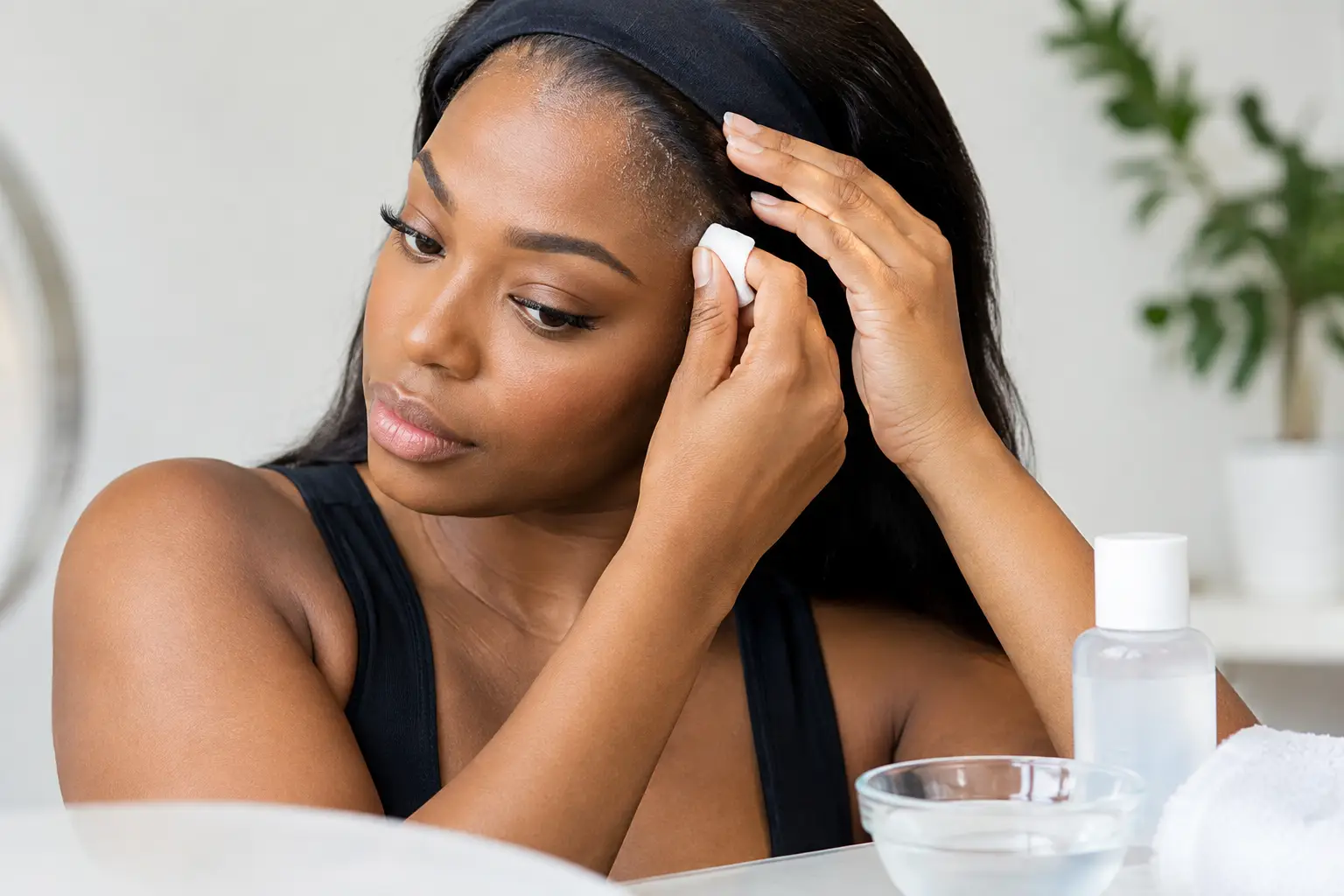
Learn how to remove wig adhesive gently, protect your skin and hairline, and clean your lace wig for a comfortable, confident next wear at...

Do wigs cause headaches? Learn how fit, pressure, heat, and styling affect comfort, with practical ways to wear your wig pain-free every day with...
