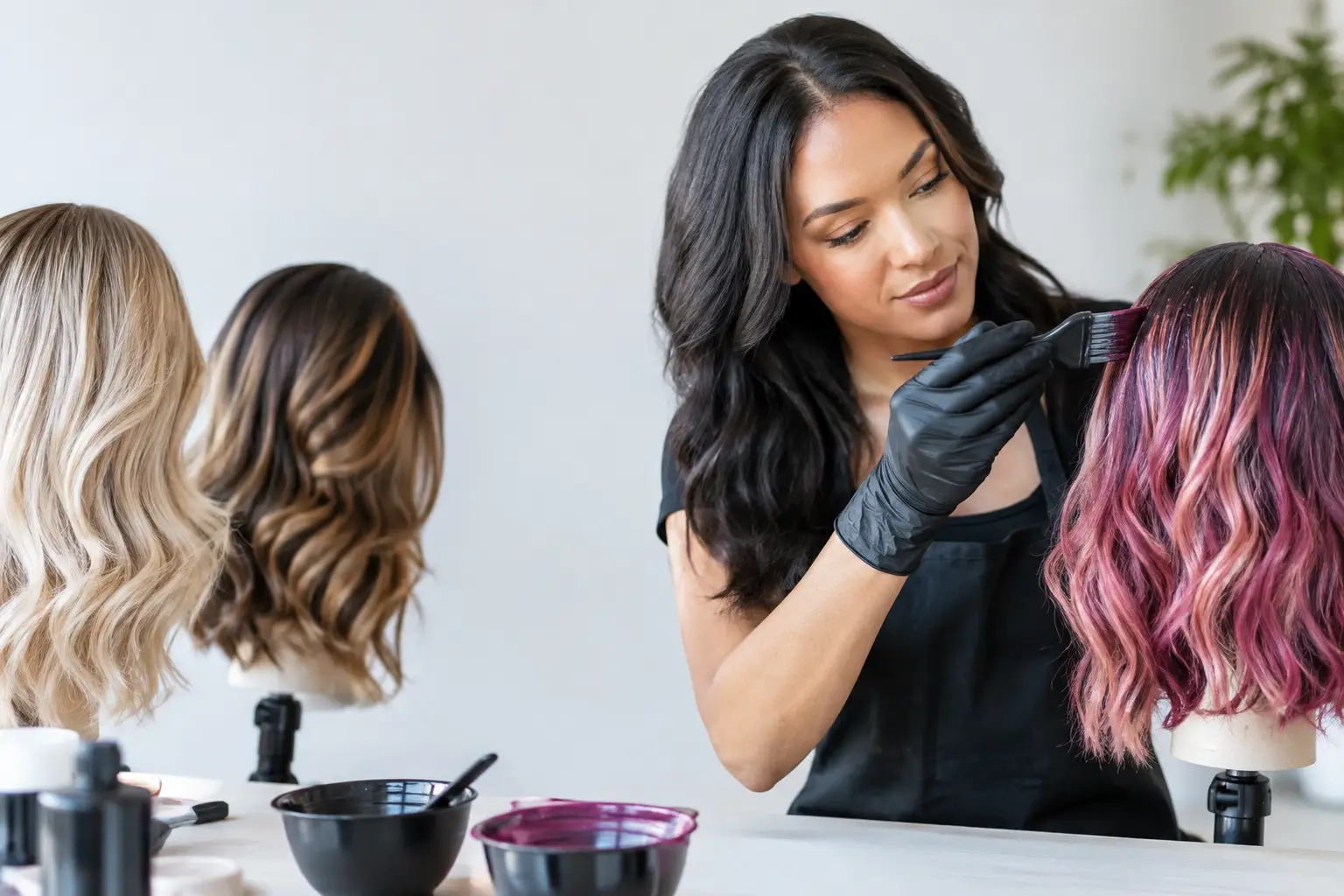

Can wigs be colored without damage? Learn which wigs can be dyed, how to protect the fibers, and when professional color services are the...


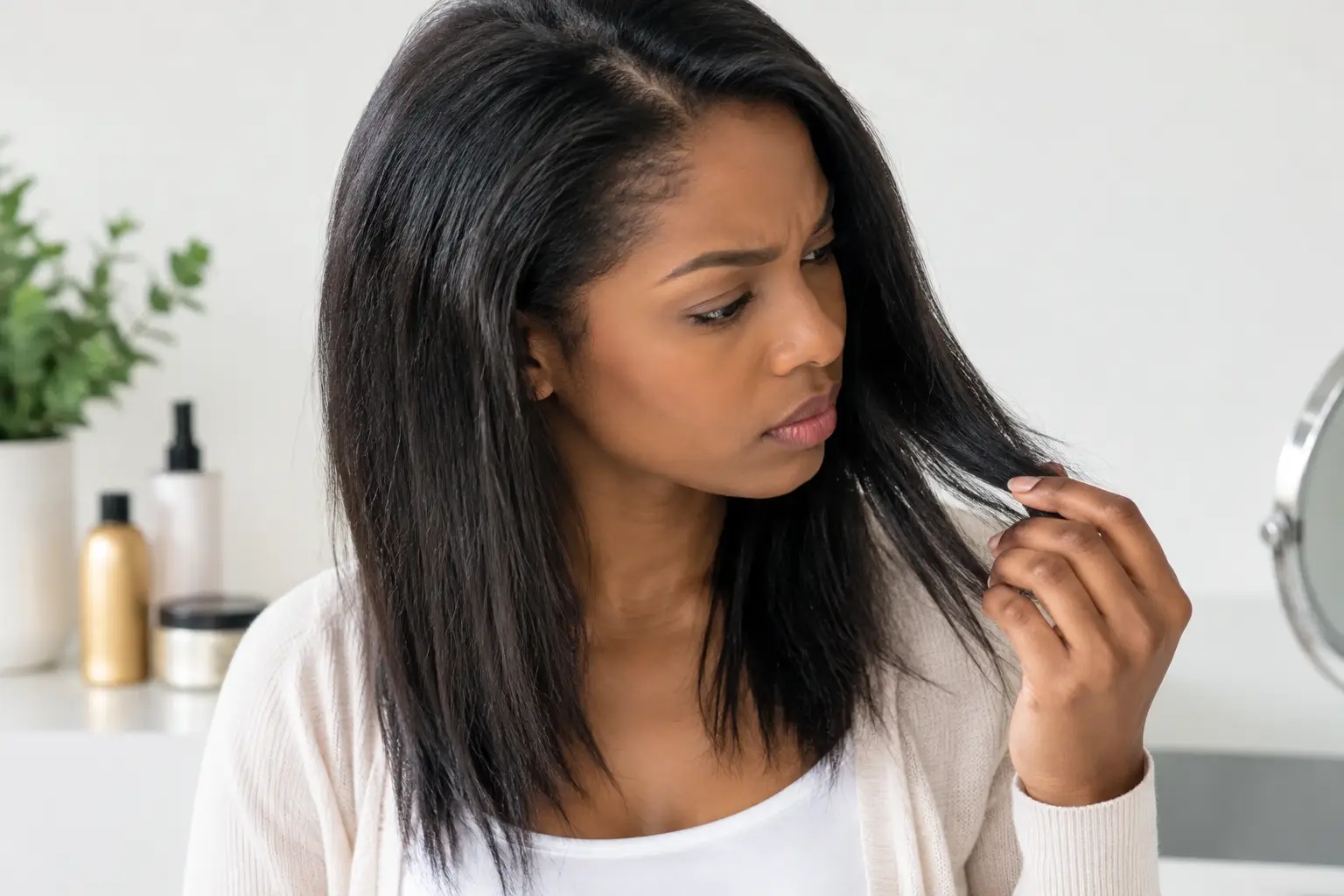
That clean, smooth finish after a relaxer can feel like a fresh start – until short pieces begin collecting in your comb, around the sink, or on your pillow. So, can relaxers break hair? Yes. A relaxer can contribute to breakage when it weakens the hair shaft, irritates the scalp, or is applied over already compromised hair. But breakage is not inevitable. The difference often comes down to hair condition, application technique, timing, and what happens between appointments.
Relaxed hair can be beautiful, versatile, and easy to style when it is treated as chemically processed hair that needs consistent, thoughtful care. If your hair has started to feel fragile, the goal is not to panic or cover it up. It is to identify the source of stress and create a plan that protects your comfort, your scalp, and your confidence.
Relaxers change the structure of the hair. The formula breaks down some of the bonds that give naturally textured hair its curl pattern, allowing the hair to be reshaped into a straighter form. This process also makes the hair more vulnerable to dryness, rough handling, heat damage, and further chemical exposure.
Hair is most likely to break when the relaxer is left on too long, applied to previously relaxed hair, or used on hair that is already weakened by color, bleach, heat, tight styles, extensions, or frequent manipulation. Even a professional-strength formula can cause problems if it is not matched to your texture, density, scalp sensitivity, and history of chemical services.
Overlapping is one of the most common causes of breakage. A retouch should be applied only to new growth. When a relaxer is repeatedly placed on hair that has already been processed, that older section can become overly softened and fragile. It may not break immediately, but it can begin snapping during detangling, washing, or styling weeks later.
Some shedding is normal. Hair naturally releases strands every day, especially during wash day. Breakage looks different: the hairs are often shorter, uneven in length, and may not have a tiny white bulb at the root.
Pay attention if your hair feels unusually limp when wet, rough when dry, or tangles more than it used to. Split ends moving upward, see-through ends, uneven patches, and a sudden loss of fullness can also point to breakage. If your scalp burns during a service, stays sore afterward, flakes heavily, or develops scabs, stop using chemical treatments and seek advice from a licensed professional or dermatologist. Scalp discomfort is not something to push through for a straighter result.
Breakage can also show up at the line where relaxed hair meets new growth. This is often called the line of demarcation. It is a naturally delicate area because two different textures are meeting on the same strand. Rough combing, tight ponytails, and frequent touch-ups put extra pressure there.
They can, particularly if your hair has other stressors. Proper application lowers the risk, but it does not make chemically processed hair indestructible. Fine strands, previously colored hair, a sensitive scalp, and a history of breakage all call for extra caution.
The products you use afterward matter, too. A relaxer is not the only factor. High heat without protection, daily flat ironing, aggressive brushing, sleeping without protecting your hair, and skipping conditioning can slowly turn manageable dryness into visible breakage.
Protein treatments can be helpful when hair feels weak, stretchy, or overly soft, but more protein is not always better. Too much can leave hair stiff and prone to snapping. Most relaxed hair benefits from a balanced routine: moisture to improve softness and flexibility, plus occasional strengthening care chosen for its current condition. If you are unsure which your hair needs, a professional consultation can prevent the trial-and-error cycle that often makes damage worse.
Start by giving your hair enough time between touch-ups. New growth does not need to be relaxed the moment it appears. Waiting until there is enough new growth for clear, precise application helps reduce overlap on processed lengths. Your ideal schedule depends on your growth rate, style preferences, and hair health, but rushing frequent retouches is rarely kind to fragile hair.
Before a relaxer appointment, be honest about everything your hair has been through. Mention recent color services, bleach, keratin treatments, heat damage, braids, extensions, or scalp sensitivity. Do not scratch or irritate your scalp before the service, and avoid applying chemical treatments to a scalp that is already inflamed.
At home, treat detangling as a gentle process, not a race. Work in sections on damp, conditioned hair, beginning at the ends and slowly moving upward. Use a wide-tooth comb or a detangling tool suited to your hair, and do not force through knots. If a tangle will not release, add slip with conditioner and take your time.
Your ends need special attention because they are the oldest part of the strand. Regular conditioning, low-tension styles, careful trims when ends become thin or split, and limiting high heat can preserve fullness. A satin or silk scarf, bonnet, or pillowcase can also reduce friction overnight.
If you want a polished look while you give your natural hair a break, a well-fitted wig, topper, or protective style can be a practical option. The fit matters. A style that is too tight, too heavy, or secured with excessive tension can create a different kind of breakage. Choose a solution that feels comfortable at the hairline and allows your scalp and natural hair to be cared for underneath.
Sometimes the safest decision is to postpone your next retouch. Consider a break from chemical relaxing if your hair is breaking in large amounts, your scalp is tender, your ends are noticeably thinning, or you have recently lightened or heavily colored your hair. A pause does not have to mean giving up on a smooth, finished style. Blowouts with careful heat use, roller sets, wraps, wigs, and custom hair solutions can help you maintain the look you enjoy while your hair recovers.
If breakage is focused around the edges or crown, look beyond the relaxer itself. Tight braids, glued installations, ponytails, clips, frequent brushing, and headwear friction may be contributing. Hair loss that is sudden, patchy, painful, or accompanied by scalp changes should be assessed by a dermatologist. A salon professional can support healthy styling decisions, while a medical professional can help rule out scalp conditions or health-related causes.
There is no single relaxer routine that works for every woman. One person may do well with carefully spaced professional touch-ups and regular conditioning, while another may find that their hair thrives with less chemical processing and more protective styling. The best choice is the one that respects your hair’s current condition and helps you feel comfortable in your look.
At Hair A La Mode, a private consultation can help you look at your texture, scalp comfort, styling habits, and goals before choosing your next step. Whether you want to maintain relaxed hair, transition gradually, or add fullness with a natural-looking hair solution, you deserve care that feels tailored rather than rushed.
Healthy hair is not defined by one texture or one style. Give your hair the support it is asking for, and let your next look be one that feels as good as it looks.
Can wigs be colored without damage? Learn which wigs can be dyed, how to protect the fibers, and when professional color services are the...
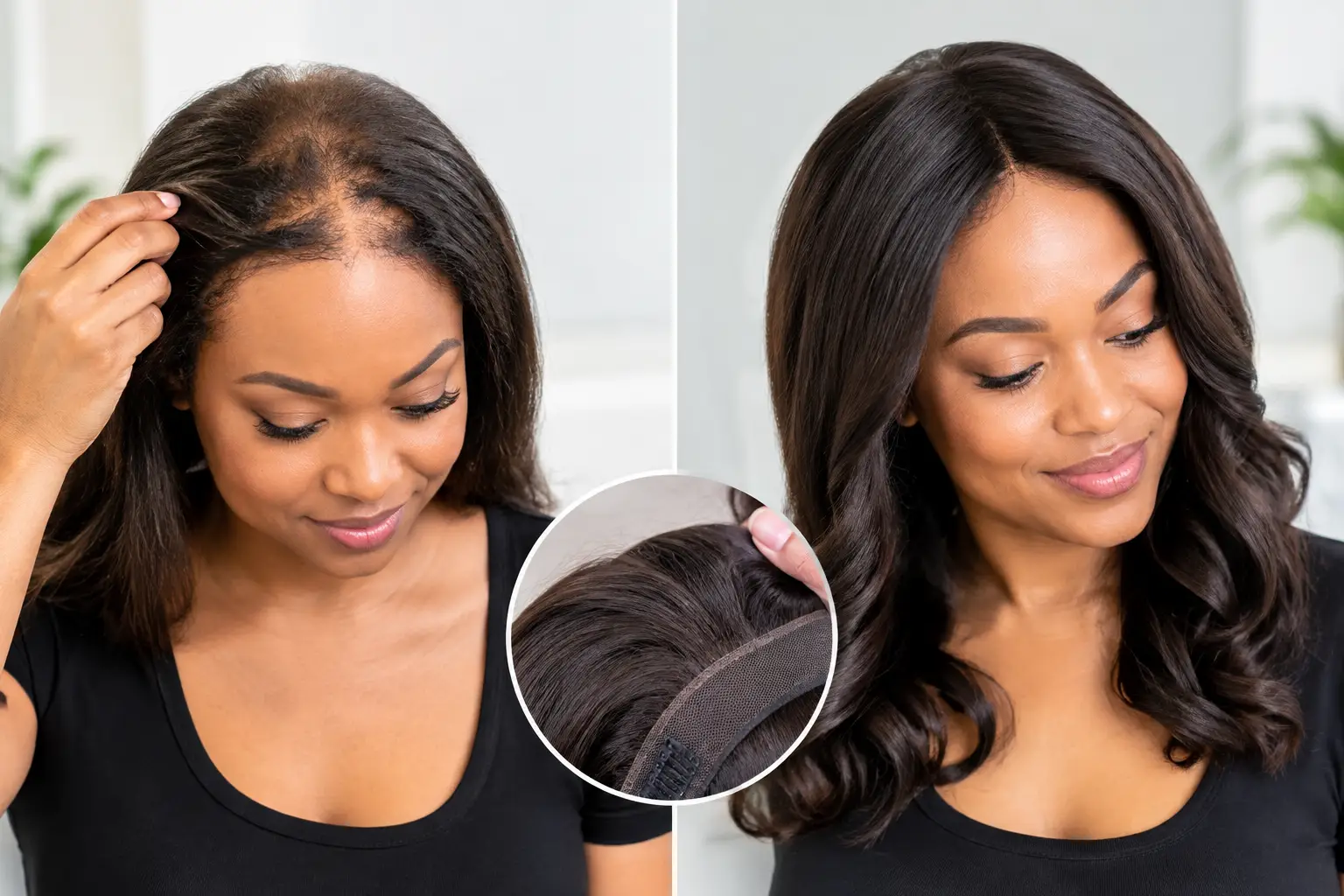
See how wig repair transformations restore comfort, fit, and natural movement with cap, hair, and attachment repairs tailored to your favorite piece today.
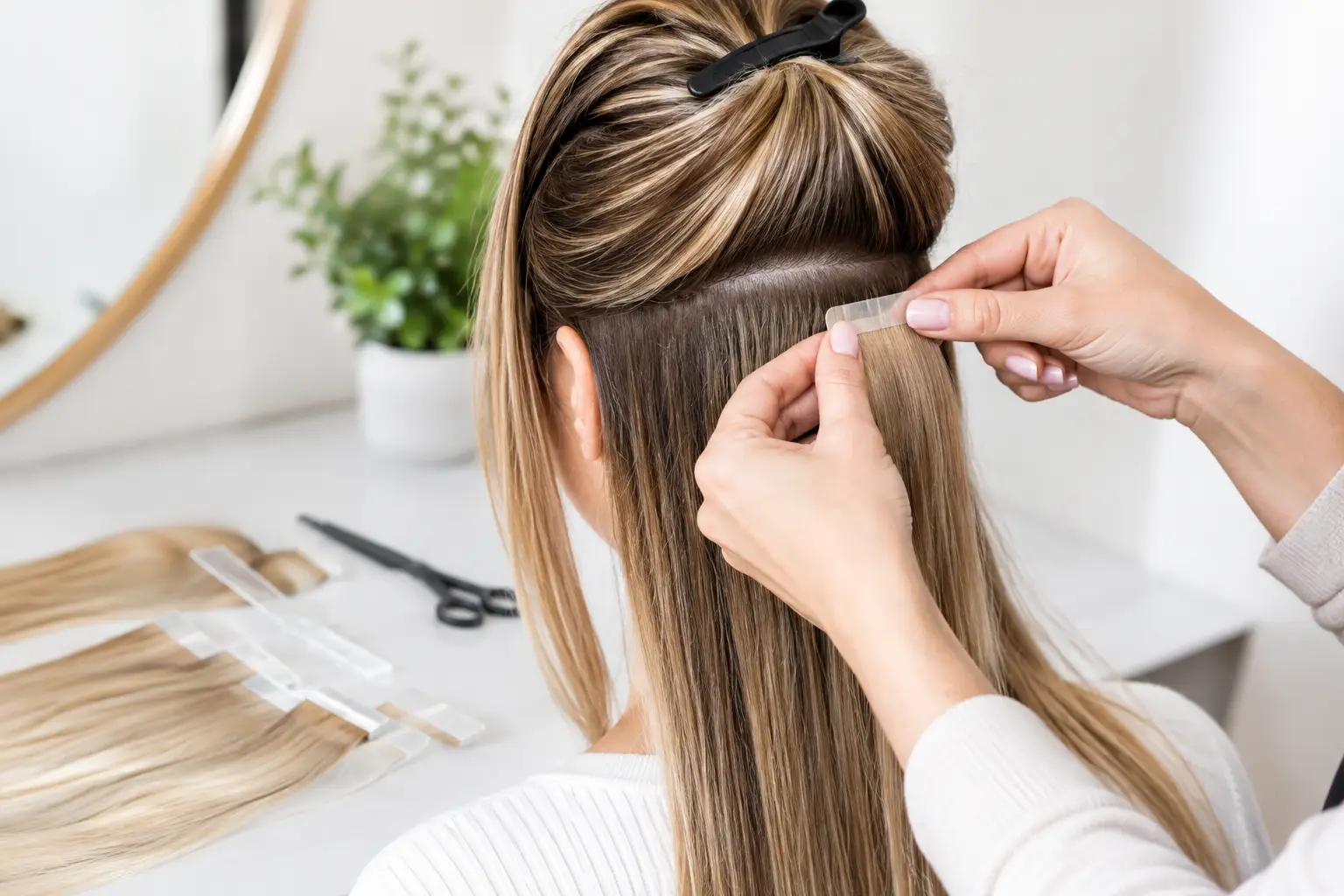
Learn how to install tape extensions with clean sections, secure sandwiches, and care tips for a natural, comfortable result that protects your hair.
