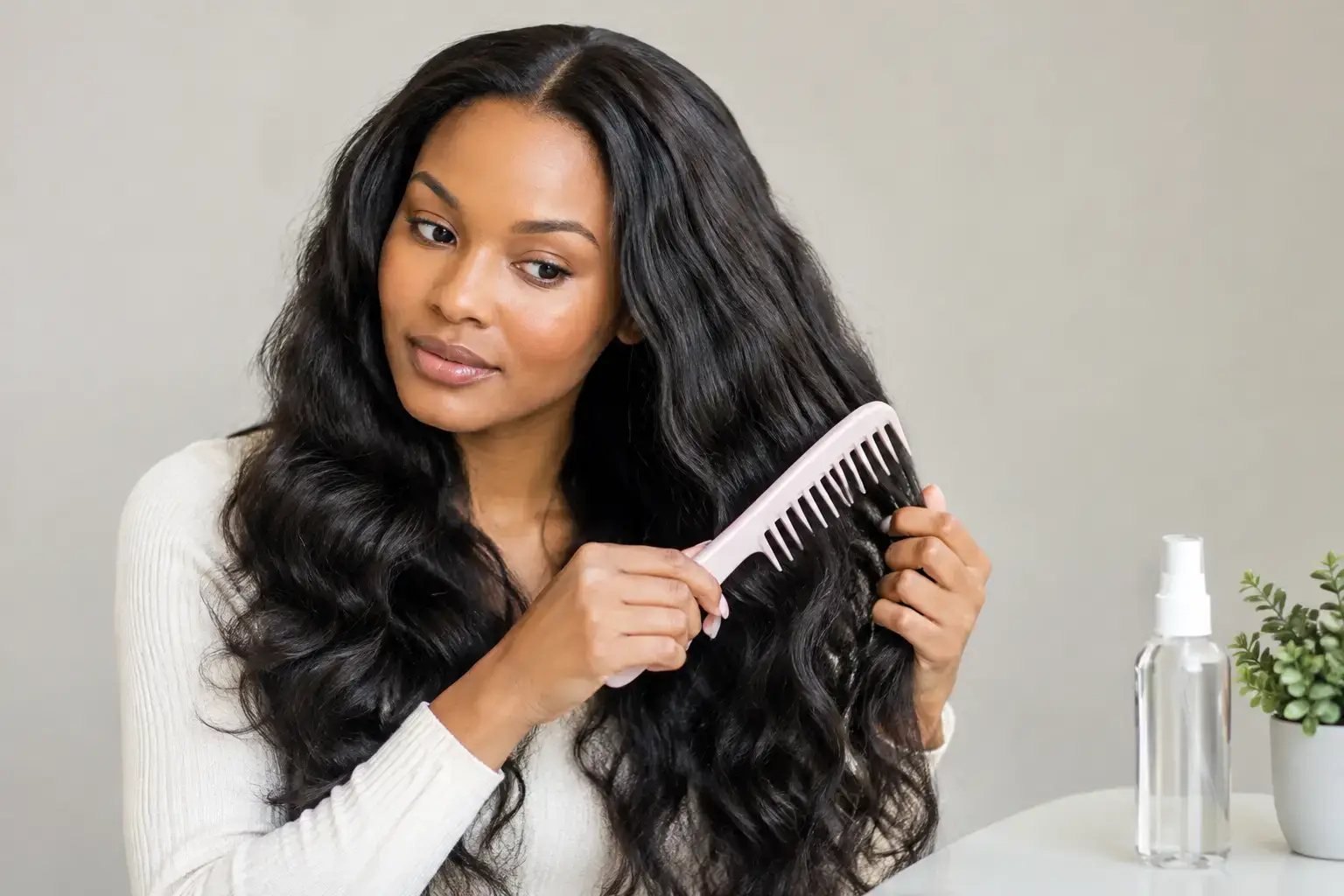

Learn how to fix wig frizz safely with simple care steps for synthetic and human hair wigs, plus signs it is time for a...


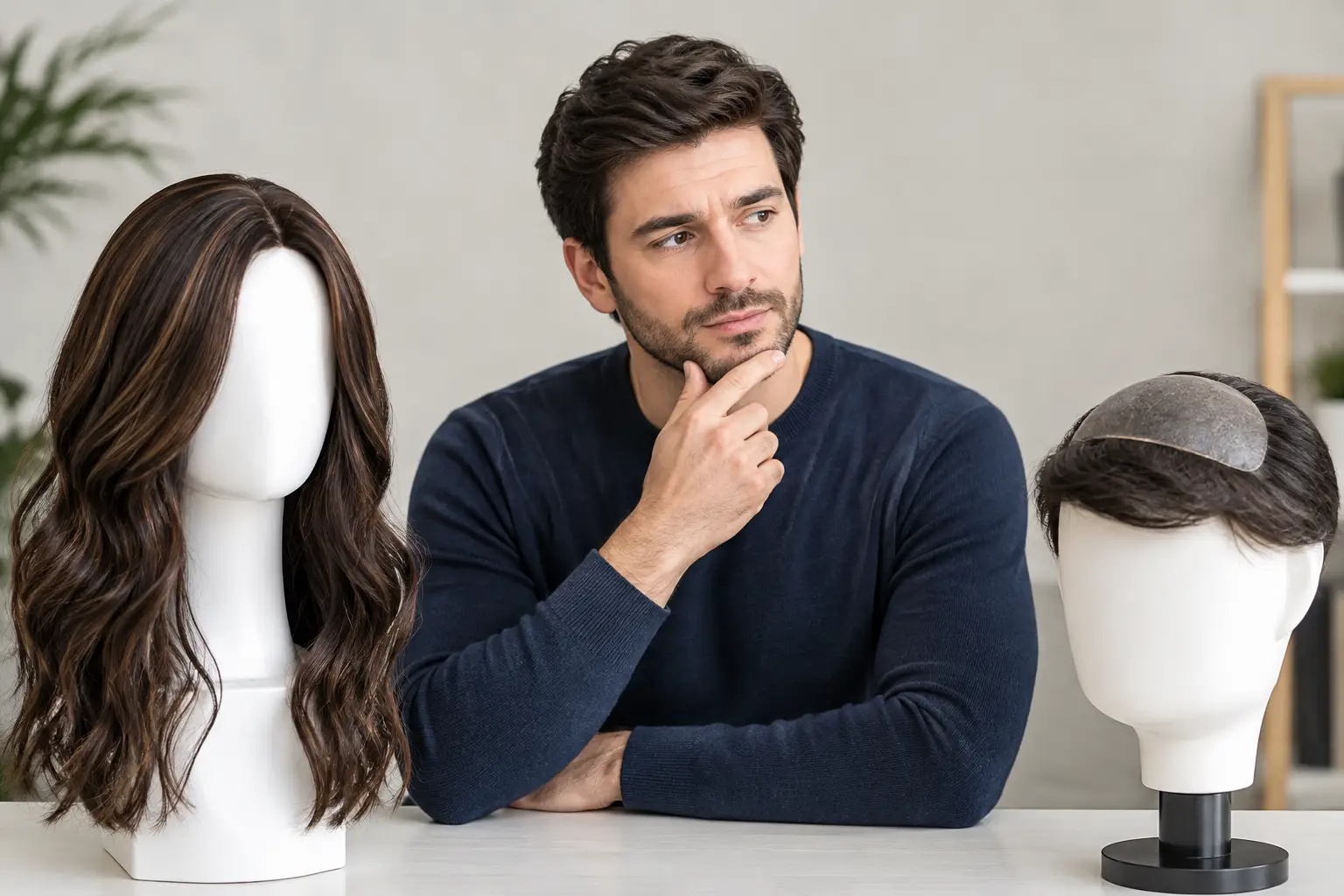
A beautiful hair solution should fit more than your head – it should fit your routine, comfort level, and the way you want to feel when you look in the mirror. When comparing wigs versus hair systems, the best choice is rarely about which option is “better.” It is about the amount of coverage you need, how often you want to wear it, how involved you want maintenance to be, and whether you want the freedom to change your hair whenever you choose.
For women experiencing thinning, hair loss, breakage, or simply wanting a fuller style, both options can create a polished, natural-looking result. The difference is in how they are built, worn, and maintained.
A wig is a complete hairpiece designed to cover the entire head. It may be made with human hair or synthetic fiber and can range from a ready-to-wear style to a fully custom piece made around your measurements, preferred density, color, texture, and part placement. Wigs are generally removable, allowing you to take them off at the end of the day or switch styles with ease.
A hair system is a broad term for a partial or more integrated hair replacement solution. For women, it may refer to a topper, a crown piece, a partial coverage unit, or a custom system designed to blend with existing hair. Depending on the construction, a hair system can be secured with clips, tape, adhesive, a sewn-in method, or another professional attachment approach.
The language can be confusing because some people use “hair system” to mean any alternative-hair piece. The practical distinction is simple: a wig replaces or covers all of the hair, while a hair system usually works with the hair you still have.
Coverage is often the first deciding factor. A full wig can be especially helpful when hair loss is widespread, when you want to protect fragile natural hair, or when you prefer not to worry about blending your own hair into the style. A properly fitted wig can offer consistent coverage from morning to evening, including around the crown, sides, and nape.
A hair system may feel like a more natural next step if your thinning is concentrated at the top, along the part, or around the crown. A topper or partial system adds density where it is needed while letting your own hair remain visible around the perimeter. This can create a very believable finish, particularly when the color, texture, and density are carefully matched.
Neither option should look bulky or overly dense. The most convincing result comes from choosing a realistic density for your face, age, lifestyle, and natural hair pattern. More hair is not always the answer. Sometimes a softer, lighter piece with the right cut and part looks far more natural than a high-density style.
A wig can be a strong choice if you want full coverage without relying on your remaining hair to complete the look. It is also ideal for anyone who enjoys variety. You can wear a sleek bob one day, loose curls the next, and a longer layered style for a special event without chemically processing your own hair.
For clients going through medical hair loss, a wig may also offer privacy and simplicity. You can choose a comfortable cap construction, a secure fit, and a style that feels familiar to you. If scalp sensitivity is a concern, professional guidance is valuable, especially before using tapes, adhesives, or wig grips.
Human hair wigs provide the most styling flexibility. They can often be heat styled and professionally colored with the right care. Synthetic wigs are lower maintenance and can hold their style well, but heat tolerance varies by fiber. Always follow the care guidance for your specific wig before using a hot tool.
A hair system can make sense when you still have healthy hair around the sides and back and want added fullness in a specific area. It is often chosen by clients who want their natural hair to remain part of the final style rather than wear a complete cap.
The trade-off is blending. Your own hair and the added hair need to work together in color, curl pattern, texture, and movement. A professional cut after fitting can make a major difference. The piece may need to be trimmed, layered, or shaped to connect naturally with your existing hair.
Attached systems can also require a more consistent maintenance schedule. As your natural hair grows and your scalp produces oils, clips, adhesives, or attachment points may need attention. This is not necessarily difficult, but it is a commitment worth understanding before you choose.
A common concern is whether wigs or hair systems feel hot, tight, or noticeable. The honest answer is that comfort depends heavily on construction and fit. A lightweight cap with good ventilation may feel barely there, while a poorly sized piece can cause pressure, shifting, or irritation regardless of whether it is a wig or system.
For a wig, measurements matter. Head circumference, front-to-nape length, ear-to-ear placement, and the shape of the hairline all affect how secure the wig feels. Adjustable straps, combs, clips, wig grip bands, and customized cap alterations can improve stability without creating discomfort.
For a hair system, comfort often comes down to the attachment method. Clips may be convenient for occasional wear, while tape or adhesive may be selected for a more secure hold. The right choice depends on your scalp condition, activity level, natural hair strength, and how long you plan to wear the piece between maintenance appointments.
If you exercise frequently, live in humid weather, or spend time at the beach or pool, discuss that early in the consultation. A solution that looks beautiful in a salon chair should also make sense for your real life.
A removable wig gives you a clear separation between hair care and wig care. You can remove the wig, care for your scalp, and store the piece properly when not wearing it. This flexibility is appealing for first-time buyers and for anyone who wants a lower-commitment option.
That does not mean wigs require no upkeep. Human hair wigs need gentle washing, conditioning, detangling, and careful heat styling. Synthetic wigs need products suited to synthetic fiber and should be kept away from heat unless they are specifically heat-friendly. Cap repairs, replacement clips or combs, ventilation work, and restyling may help extend the life of a quality piece.
Hair systems may require more frequent professional support because they interact directly with your natural hair and scalp. If the system is secured for longer wear, cleaning, removal, reattachment, and scalp care become part of the routine. A partial system may also need regular color matching as your own hair changes with the seasons or grows out.
The right answer is not always the lowest-maintenance option. Some clients are happy to book regular maintenance because they love the security and blended effect of their system. Others prefer the independence of removing a wig at night. Both are valid choices.
Start with the area you want to address. If you need full coverage or want a complete style change, a wig is usually the more straightforward option. If your concern is localized thinning and you want to preserve a visible blend of your own hair, a hair system may be worth considering.
Then think about your daily routine. Ask yourself whether you want to remove your hairpiece each night, whether you are comfortable with scheduled maintenance, and how much styling you want to do at home. Be honest about your lifestyle rather than choosing based on a photo alone.
A private try-on or consultation can take away much of the guesswork. You can feel different cap constructions, see how shades work against your skin tone, and discuss whether a custom wig, topper, or integrated system will give you the most natural result. At Hair A La Mode, that conversation can also include customization, cutting, styling, repair, and practical aftercare – because the right piece should continue to work for you after you leave the salon.
Your hair solution does not need to be permanent to be meaningful. Choose the option that lets you get dressed, step out, and focus on your day with comfort and confidence.
Learn how to fix wig frizz safely with simple care steps for synthetic and human hair wigs, plus signs it is time for a...
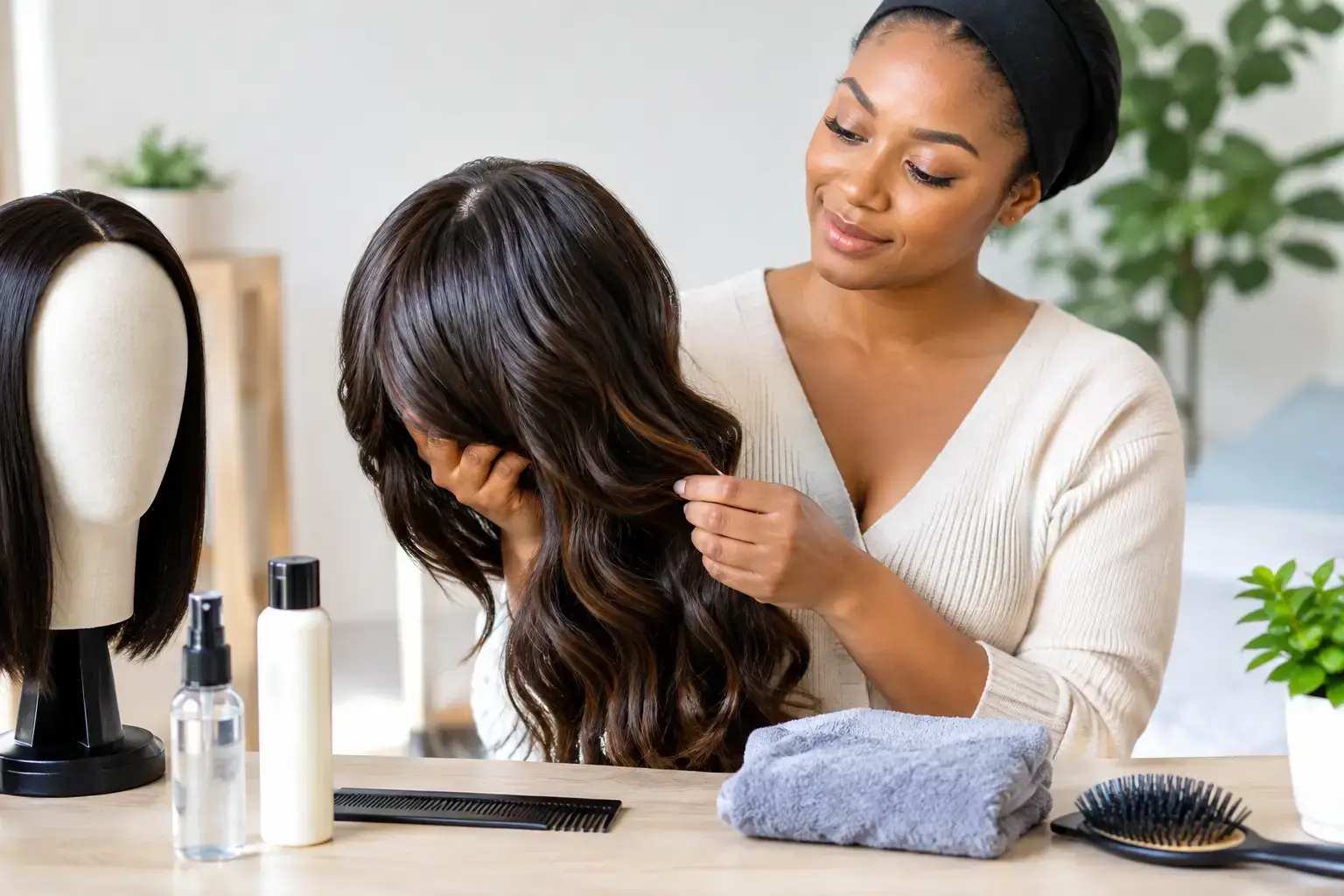
Get practical synthetic wig care tips for washing, detangling, storing, and heat styling so your wig stays comfortable, polished, and natural-looking, too.

Protective style trends favor lighter tension, flexible wear, and natural finishes. Find a comfortable look that supports hair health and daily confidence.
