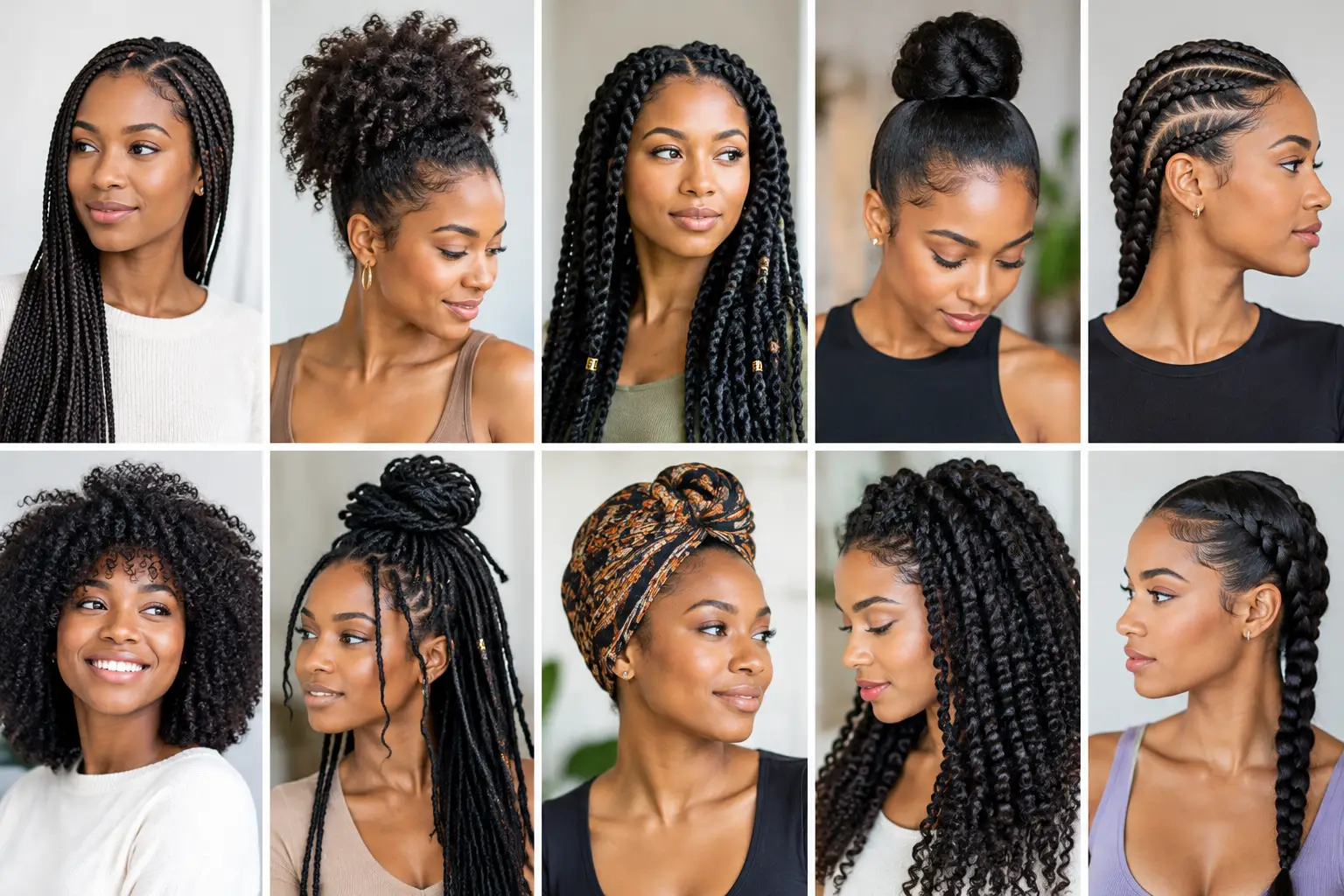

Find the best protective hairstyles for your texture, lifestyle, and comfort, with practical care tips for braids, wigs, twists, and low-tension looks.


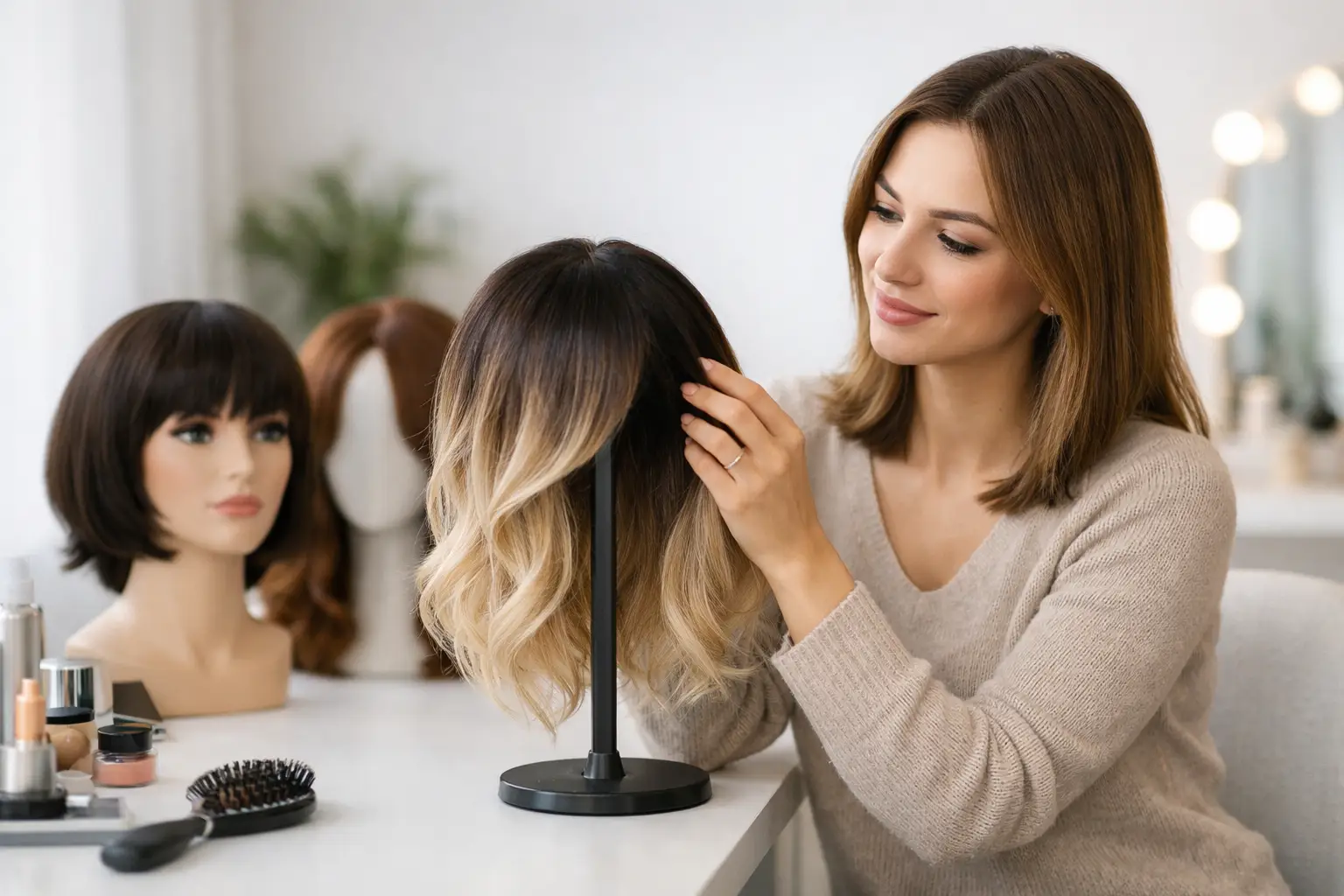
Your first wig should not feel like a costume, a compromise, or a guessing game. This beginner wig buying guide starts with the details that make the biggest difference when you look in the mirror: a comfortable fit, believable movement, a color that feels like you, and a style you can realistically care for.
Whether you are shopping because of thinning hair, hair loss, breakage, texture changes, or simply because you want more styling freedom, the right wig can be a personal solution. There is no single “best” wig for everyone. Your lifestyle, scalp sensitivity, budget, and desired level of maintenance all matter.
Before comparing lengths or scrolling through colors, think about when and where you plan to wear your wig. A polished shoulder-length bob for work has different needs than a long, glamorous style for evenings, travel, or special occasions. If you are new to wigs, choosing a look close to your current haircut can make the transition feel more comfortable. It also gives you a familiar frame around the face.
Be honest about your routine. Do you want to wash, style, and occasionally heat-style your wig? Or do you need a dependable piece that is ready to wear with minimal effort? A beautiful wig is only a good purchase when it fits into your real life.
It helps to bring a few reference photos to a consultation, but treat them as inspiration rather than an exact blueprint. Face shape, skin tone, density, and hairline preferences affect how a style will look on you. A professional try-on can show you options you may not have considered, including a softer density, a different part placement, or a shorter length that feels more natural.
The most common first question is whether human hair or synthetic hair is better. The answer depends on what you want from the wig.
Human hair wigs offer movement, styling flexibility, and a very natural finish. They can usually be curled, straightened, colored, and cut by a trained professional, although repeated processing can affect the hair over time. They are often a strong choice if you like changing your style, want a custom color blend, or prefer the feel of natural hair. They also require more care, much like your own hair, including proper washing, conditioning, drying, and heat protection.
Synthetic wigs are often easier for beginners because many styles hold their shape after washing. A synthetic bob, layered cut, or loose wave can save time in the morning because the style is built into the fiber. Modern synthetic fibers can look remarkably natural, but they have limitations. Standard synthetic hair can be damaged by heat, while heat-friendly synthetic hair allows low-temperature styling but may need more frequent restyling.
Price is part of the decision, but it should not be the only factor. A synthetic wig may be ideal for an occasional look or a low-maintenance daily option. A human hair wig may be worth the investment for someone who wants a long-term piece with more versatility. Ask about the fiber type before using any hot tool, even if the wig looks like human hair.
A natural-looking wig begins with the cap, the foundation that sits against your head. If the cap is uncomfortable, too loose, or too tight, even the most beautiful hair will not feel right.
Basic caps are often lightweight and budget-friendly, with wefts of hair sewn onto a structured base. They can provide good coverage and are a practical starting point for many wearers. Lace front caps create the appearance of hair growing along the forehead, allowing you to wear the hair away from your face with a softer-looking hairline. Monofilament tops give the illusion that hair is growing from the scalp and may allow you to change the part.
For customers with scalp sensitivity or complete hair loss, comfort features deserve special attention. Look for soft cap materials, smooth seams, adjustable tabs, and secure but gentle construction. Some people prefer a wig grip band for added security without relying on clips or combs. Others need a cap customized to their measurements for a better fit.
Do not assume one size will work because it is labeled average. Measure around your head at the hairline, from front to nape, and ear to ear across the crown. Measurements help, but trying on a wig remains the best way to understand how a cap feels after more than a few minutes. A piece that slips at the nape or presses at the temples may need adjustment, not replacement.
Many first-time buyers choose too much hair because they are focused on volume. A very dense wig can look dramatic and beautiful, but it may not feel like your everyday self. Natural density is often what makes a wig believable, especially around the hairline and part.
If your biological hair was fine or medium density, a softer-density wig may make the transition easier. If you have always worn full hair, you may prefer more volume. The right choice is personal, but the goal is balance. The wig should complement your features rather than overwhelm them.
Length also changes the overall effect. Shorter wigs can feel lighter and easier to manage, while longer styles offer more styling options but require more detangling and care. Consider where the hair will rest against your shoulders, clothing, and neck. Friction can shorten the life of any wig, particularly at the nape.
Pay close attention to the hairline. Pre-plucked lace, a properly placed part, and subtle baby hairs can create a softer result, but more is not always better. A natural hairline is slightly irregular, not perfectly straight or overly thick. If you are unsure, have the wig fitted and styled professionally instead of trimming lace or altering the front yourself.
Wig color can look different under bathroom lights, daylight, office lighting, and photographs. If this is your first wig, staying within one or two shades of your natural color is often the simplest place to begin. You can still add dimension with soft highlights, rooted colors, or lowlights that prevent the shade from looking flat.
If you are choosing a wig after hair loss, you do not have to recreate your previous color exactly. Some clients find this is an opportunity to choose a gentler shade around the face or a color that better suits their current skin tone. Bring photos of your own hair in natural light if you have them.
A custom color service can be especially helpful when you want a specific blend, gray coverage effect, or a shade that matches your brows and overall look. Human hair is generally more suitable for color customization, while synthetic color cannot be safely altered in the same way.
A wig should feel secure enough for normal movement without causing tension or headaches. Adjustable tabs can refine the fit, while wig grips, clips, combs, and adhesive methods each serve different needs. If you have hair underneath, braiding or smoothing it flat can help reduce bulk. If you have little or no hair, a soft wig cap or grip may feel more comfortable.
Avoid making your first installation overly complicated. Adhesives can be useful for certain lace-front looks, but they require correct application, removal, and scalp care. A glueless option is often a more approachable first choice, particularly if you want to take your wig off at night or change styles often.
Once you have your wig, arrange a professional cut or styling session if possible. Even a ready-to-wear piece can look more personal after the fringe, layers, or face-framing sections are adjusted. Hair A La Mode can also help with fitting, custom wig creation, repairs, cap adjustments, and guidance on safe styling for your specific fiber.
Every wig lasts longer with appropriate care. Human hair needs products chosen for wigs or hair extensions, gentle cleansing, conditioning, careful detangling, and controlled heat. Synthetic hair needs products formulated for synthetic fibers and should be kept away from standard hot tools unless it is specifically heat-friendly.
Store your wig on a stand or in its box away from direct sunlight, humidity, and heat. Detangle from the ends upward, especially with longer styles. Wash only when needed, based on how often you wear it, product buildup, perspiration, and environmental exposure. Overwashing can create unnecessary dryness and wear.
A maintenance plan is valuable because wigs are wearable hair pieces, not disposable accessories. Over time, you may need a trim, restyle, cap repair, replacement clips, or help refreshing the hairline. Knowing that support is available can make an investment feel much less intimidating.
Your first wig does not need to answer every style need at once. Choose the piece that feels comfortable, looks like a version of you that you enjoy seeing, and gives you confidence to walk out the door without overthinking it.
Find the best protective hairstyles for your texture, lifestyle, and comfort, with practical care tips for braids, wigs, twists, and low-tension looks.

Learn how to remove wig adhesive gently, protect your skin and hairline, and clean your lace wig for a comfortable, confident next wear at...

Do wigs cause headaches? Learn how fit, pressure, heat, and styling affect comfort, with practical ways to wear your wig pain-free every day with...
