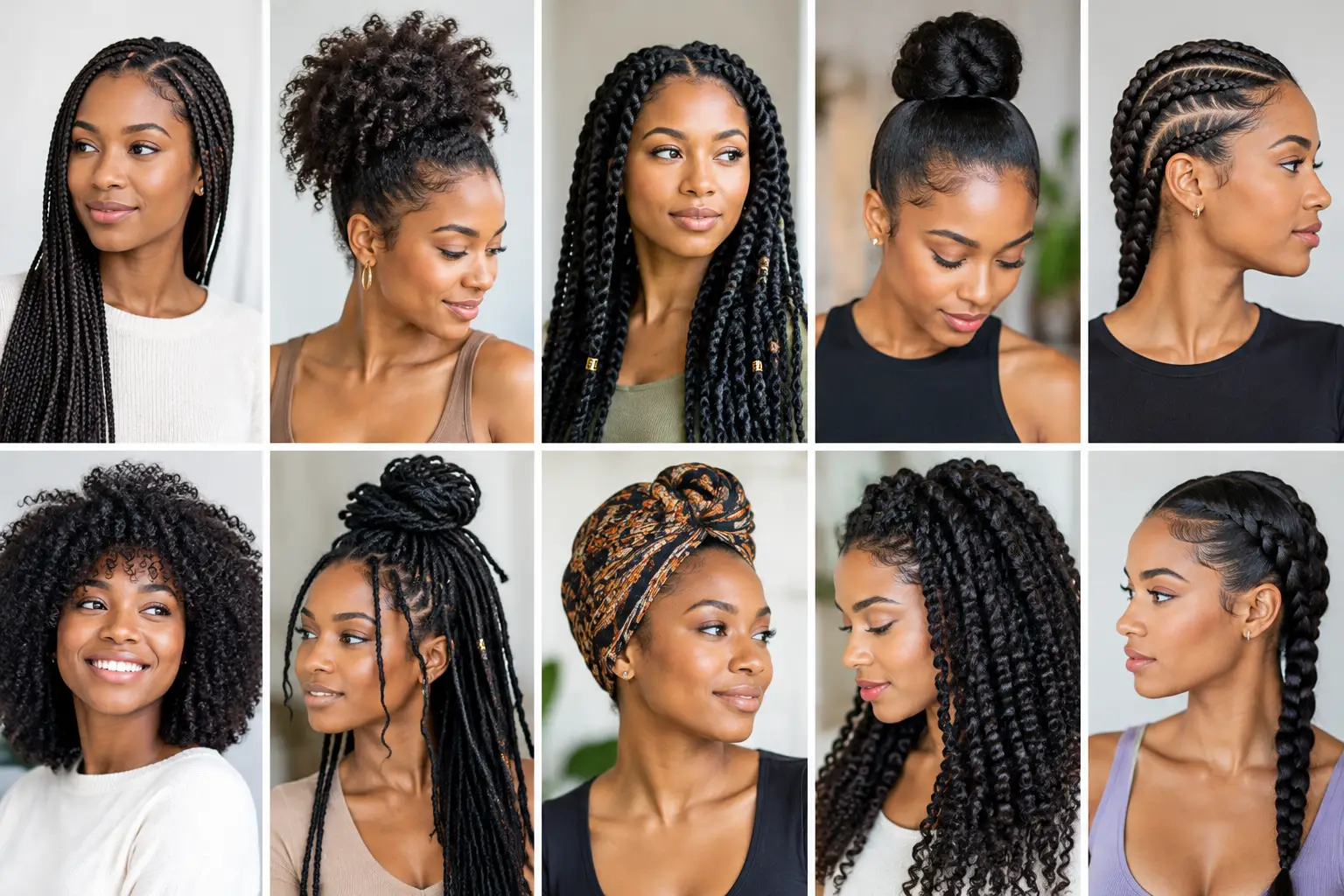

Find the best protective hairstyles for your texture, lifestyle, and comfort, with practical care tips for braids, wigs, twists, and low-tension looks.


A wig can have a beautiful color, soft texture, and a flattering cut, yet still feel slightly off if the fullness is not right. Wig density is one of the details that makes the difference between hair that simply looks good and hair that feels believable, comfortable, and truly your own.
Density is not about choosing the most hair possible. It is about choosing the amount of hair that suits your face, lifestyle, preferred style, and the natural volume you want to see in the mirror. For someone new to wigs, a lighter density may feel easier and more familiar. For someone who loves full curls, glamorous styling, or dramatic length, a higher density may be the better fit.
Wig density refers to how much hair is added to the wig cap. It is often shown as a percentage, with higher percentages indicating more hair and a fuller overall appearance. Density affects how much scalp visibility the wig has, how it moves, how warm it feels, and how easily it can be styled.
A density percentage is helpful, but it is not a universal rule. One brand’s 130% density may not look identical to another brand’s 130%, especially when cap construction, hair texture, length, and layering are different. That is why looking at the finished style matters just as much as the number on the product description.
For a natural result, density should also be balanced across the wig. Most people do not have the same amount of hair at the hairline as they do through the crown and back. A well-designed wig often has a softer, lighter-looking front with enough fullness behind it to create a realistic shape.
The right density depends on your desired look, but these general ranges can help you understand what you may see when shopping or discussing a custom wig.
Light-density wigs create a soft, delicate look with more natural scalp visibility. They can be a lovely option for fine hair, petite features, warm weather, or anyone who prefers an understated amount of volume. They are also often lighter to wear, which can make a difference if comfort is a priority.
The trade-off is that light density may not hold a very full blowout, large curls, or an elaborate updo as easily. Longer styles can also appear thinner at the ends unless they are carefully layered or trimmed.
For many wearers, this is the most versatile range. It resembles the fullness of healthy, average-density hair and works well for straight styles, loose waves, bobs, lobs, and everyday layered cuts. It gives enough coverage for a polished appearance without looking heavy at the roots.
If you are buying your first wig and are unsure where to begin, a natural density is often a comfortable starting point. It can be styled with body and movement while still looking appropriate for daily wear, work, social events, and casual outings.
Full-density wigs offer more volume and are popular for long hair, fuller curls, textured styles, and anyone who enjoys a more glamorous finish. This range can create a beautiful result for special occasions or for people whose natural hair was always thick and full.
More density does not always mean more natural. On a short, sleek bob, for example, 180% density may look bulky rather than luxurious. It can also feel warmer, take longer to dry after washing, and require more effort when detangling and styling.
Extra-full wigs are designed for dramatic volume. They can be striking for very long lengths, big curls, stage looks, and statement styles, but they are not the best choice for every face shape or everyday routine. They may be heavier and can need skilled thinning, layering, or shaping to prevent the hair from looking too dense around the perimeter.
The same wig density can look completely different depending on the hair length. A 130% density wig in a chin-length bob may appear thick and polished, while 130% density at 28 inches may look more airy through the ends. Long hair distributes the same amount of hair over a larger area, so it often benefits from additional density or a thoughtful cut that preserves fullness.
Texture matters too. Straight hair lies close to the head, which makes density more visible. Curly, kinky curly, and coily textures naturally create more volume because the strands expand outward. A lower density in curly hair can look surprisingly full, while the same percentage in silky straight hair may look much lighter.
This is one reason it helps to choose density based on the finished hairstyle rather than the number alone. If you want smooth, long, straight hair, you may prefer more fullness. If you want soft curls or textured volume, a moderate density may be all you need.
A natural-looking hairline is usually more important than maximum density. The front of a wig should not look like a thick wall of hair sitting across the forehead. A well-made lace front, hand-tied top, or carefully ventilated hairline creates gradual density, with finer placement around the front and more fullness as the hair moves back toward the crown.
If you plan to wear your wig pulled away from your face, in a side part, or in a half-up style, ask about the hairline and parting area as well as overall density. The cap construction determines how naturally you can change the part and how much scalp-like visibility is available.
For custom wigs, density can be adjusted in specific areas. Some clients prefer more coverage at the crown, a softer front, or additional fullness at the sides. This type of personalization is especially helpful for people experiencing thinning hair or hair loss, because comfort and confidence depend on more than a standard size or style.
A fuller wig can feel luxurious, but it can also feel warmer and heavier. This is particularly relevant in South Florida heat, during workouts, or if you wear a wig for long days. Cap size, breathability, adjustable bands, and secure placement all affect comfort, but density plays a meaningful role too.
If you are sensitive to weight or heat, consider a lighter density, a shorter length, or a cap designed with breathable sections. If you want a fuller look without adding too much weight, layers and professional styling can create lift and movement more effectively than adding density everywhere.
The same idea applies to synthetic and human hair wigs. Synthetic fibers can hold their style beautifully, but a dense synthetic wig may feel less airy than a comparable human hair wig. Human hair offers more flexibility for restyling, yet it requires regular care to maintain its softness and shape. Your best choice depends on how often you want to style, wash, and maintain your hairpiece.
A ready-to-wear wig is a wonderful solution for many people, especially when you want a beautiful style quickly. A custom option may be worthwhile when you need a specific cap size, have a distinct hairline preference, want a precise color blend, or cannot find the right balance of fullness and comfort in standard options.
Custom density is also valuable when repairing or refreshing a favorite wig. Over time, hair can shed, ends can become thin, and the top area may need new ventilation. Skilled wig services can add hair where needed, replace a cap or attachments, adjust fit, and reshape the style so the wig continues to feel like yours.
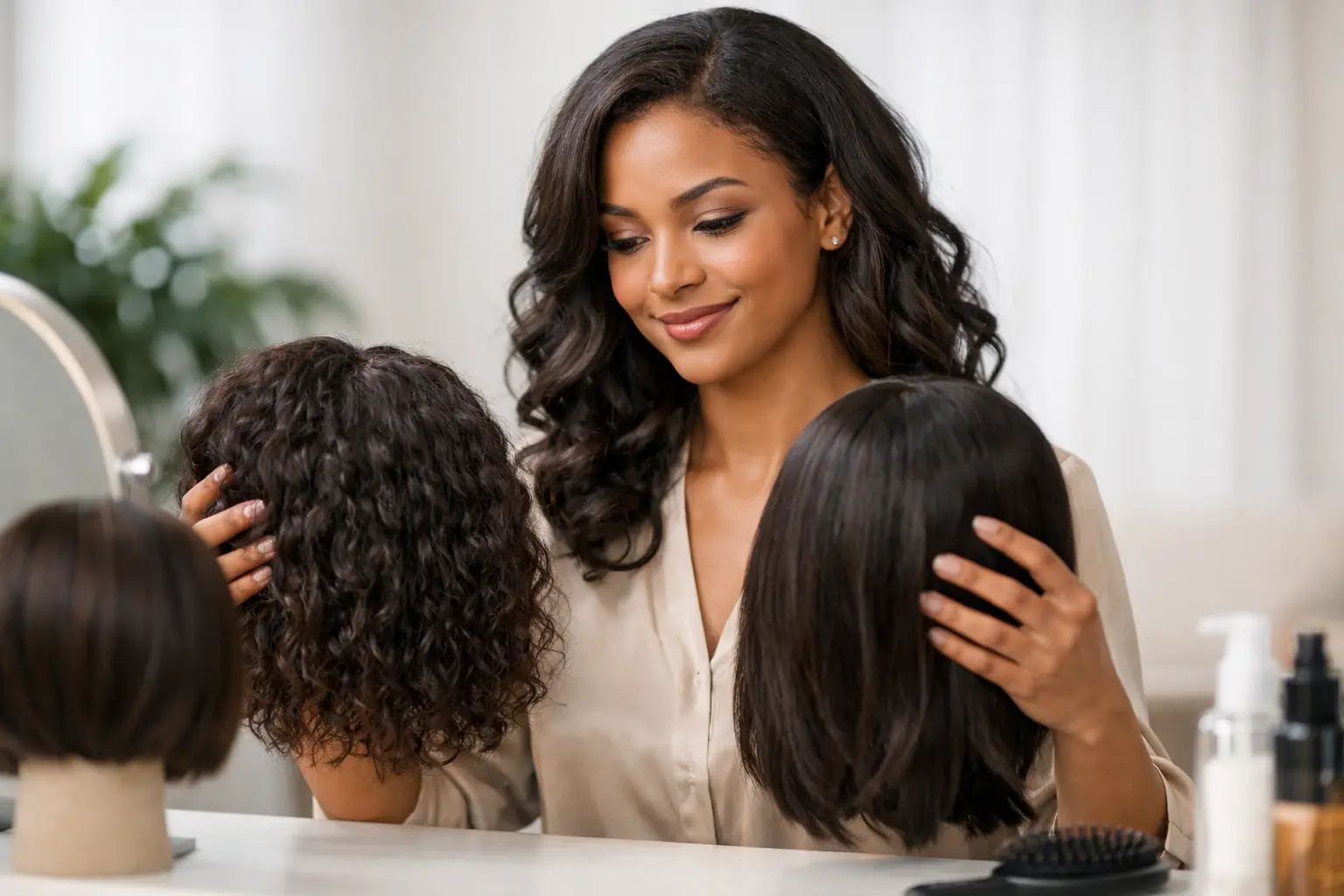
At Hair A La Mode, private consultations and wig try-ons make it easier to compare density in person. Seeing a wig against your skin tone, trying different part placements, and feeling the weight on your head can answer questions that product photos cannot.
Start with the look you want on an ordinary day, not only the look you want for a special event. Think about whether your natural hair was fine, medium, or thick, how often you wear your wig, your climate, and whether you prefer straight, wavy, curly, short, or long styles.
If you want a soft everyday result, moderate density is usually a beautiful place to begin. If you want long, lush hair or defined curls with strong volume, a fuller density may suit you better. Most importantly, give yourself permission to choose what makes you feel comfortable. The best wig density is the one that gives you the freedom to move through your day feeling polished, secure, and like yourself.
Find the best protective hairstyles for your texture, lifestyle, and comfort, with practical care tips for braids, wigs, twists, and low-tension looks.

Learn how to remove wig adhesive gently, protect your skin and hairline, and clean your lace wig for a comfortable, confident next wear at...

Do wigs cause headaches? Learn how fit, pressure, heat, and styling affect comfort, with practical ways to wear your wig pain-free every day with...
