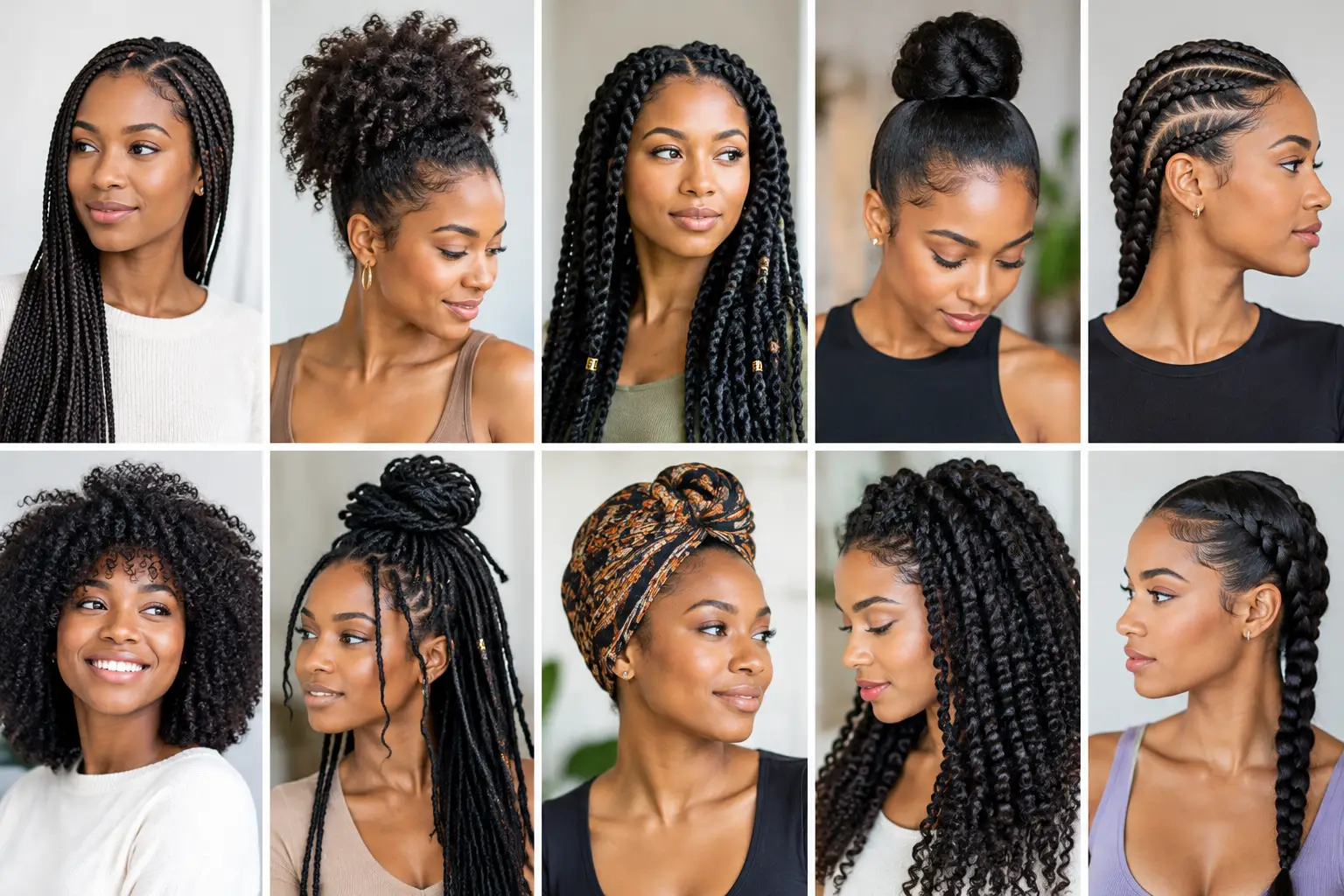

Find the best protective hairstyles for your texture, lifestyle, and comfort, with practical care tips for braids, wigs, twists, and low-tension looks.


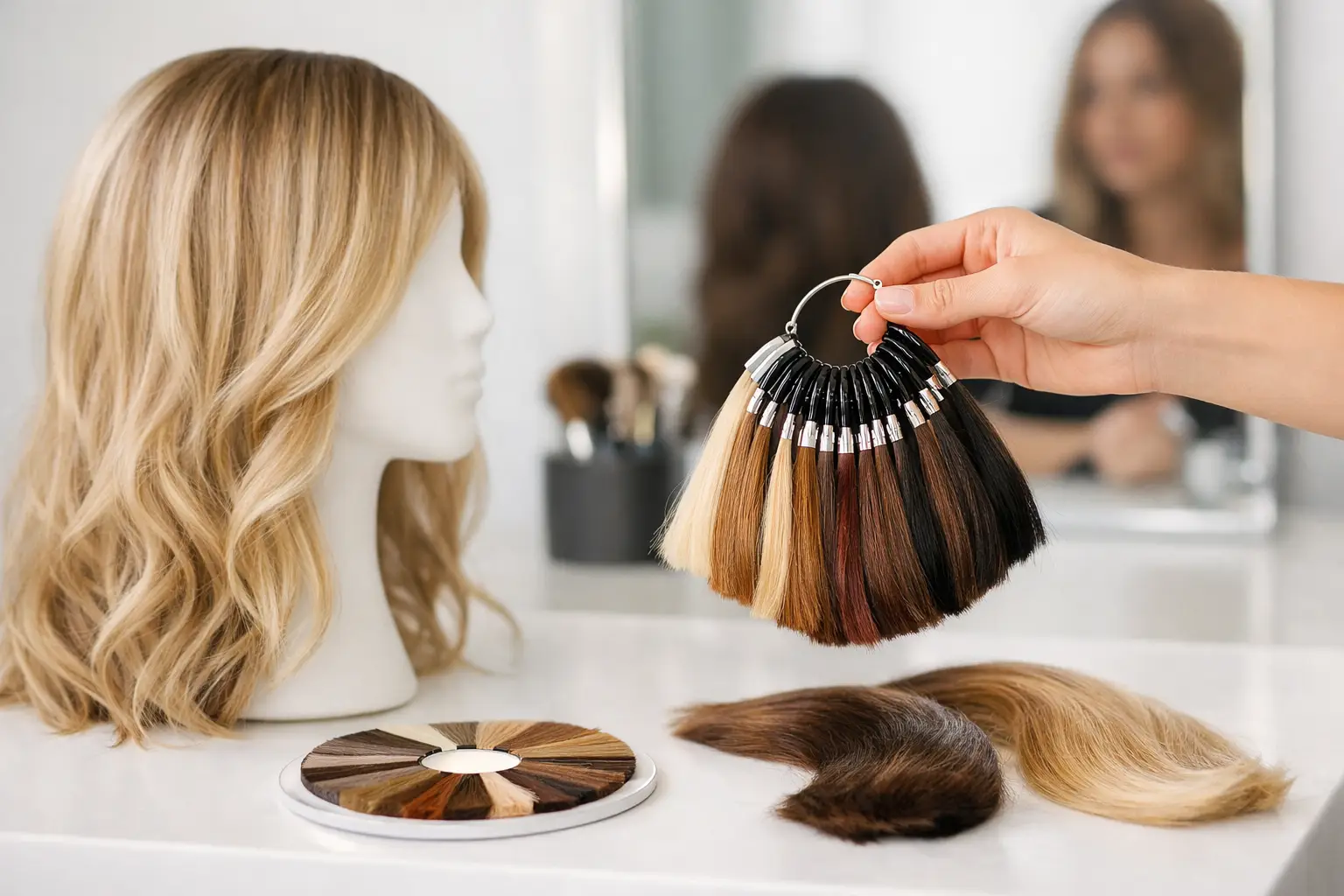
A wig can be beautifully made, perfectly fitted, and still feel slightly off if the color does not feel like you. The right shade can brighten your complexion, soften the look of thinning areas, and make a custom piece feel natural from every angle. This custom wig color guide explains how to choose a color that works with your skin tone, lifestyle, natural hair, and comfort level – without treating color as a one-size-fits-all decision.
Before choosing a shade number or showing inspiration photos, decide what “natural” means for you. For some clients, it means matching their current hair as closely as possible. For others, it means recreating the rich brunette color they wore before gray hair appeared, adding the blonde dimension they have always wanted, or choosing a polished color that needs less maintenance than salon color.
A custom wig gives you room to make that choice intentionally. You do not have to match every strand of your bio hair, especially if you plan to wear the wig full time or do not leave your own hair visible. The goal is a believable, confidence-building result that looks right against your face and fits the way you want to show up each day.
Bring reference photos if you have them, but use them as a starting point rather than a strict formula. Lighting, filters, and editing can make a warm caramel brown look ashier or turn a neutral blonde almost platinum. A professional color conversation looks beyond the photo to identify the base color, dimension, root depth, and overall effect you are drawn to.
The base shade is the dominant color of the wig. It is the foundation beneath any highlights, lowlights, balayage, or rooted effect. Choosing the right base matters more than choosing the trendiest highlight because it is the color you will see most often.
A helpful first question is whether you feel best in dark, medium, or light hair. Darker shades can create beautiful contrast and richness, but a flat, very dark color may look stronger against fair skin or bring attention to the hairline if it is not softened with dimension. Medium browns are often versatile because they can be warmed up with caramel, cooled with beige, or deepened with lowlights. Blondes can look luminous and soft, though very light shades usually require more thoughtful root blending to feel realistic.
If you are replacing hair after thinning or hair loss, do not feel pressured to choose the color you had at a younger age. Skin tone, brows, and personal style change over time. A slightly softer version of a former shade can often feel more flattering and easier to wear.
Undertone is what makes two wigs in the same general color family look completely different. A warm brown may contain golden, copper, red, or honey reflects. A cool brown may lean ash, mocha, or smoky. Neutral shades sit between the two and tend to work well when you like a balanced, natural appearance.
There is no rule that says warm skin must wear warm hair or cool skin must wear cool hair. Contrast can be striking, and personal preference matters. Still, undertone affects how rested, bright, or washed out your complexion appears. If you usually notice that orange-toned blondes feel too bold or that ash brown makes your skin look dull, that response is valuable information.
Look at the jewelry, makeup, and clothing colors you reach for most often. If soft gold, olive, cream, and coral make you feel vibrant, you may enjoy warmth in your wig color. If silver, jewel tones, crisp white, and berry shades are your favorites, cool or neutral tones may feel more natural. This is guidance, not a restriction.
Natural hair is rarely one solid shade from roots to ends. Even untreated hair has subtle changes caused by sun exposure, growth pattern, and texture. Custom wigs can recreate that lived-in depth through carefully placed highlights, lowlights, face-framing brightness, and gradual color transitions.
A dimensional brunette might begin with a medium chocolate base, add fine caramel ribbons around the face, and include deeper lowlights underneath. A natural blonde may have a darker root, beige mids, and lighter ends. For clients who prefer subtlety, low-contrast dimension can add movement without making the wig look highlighted from across the room.
The placement matters as much as the color itself. Brighter pieces around the face can lift the complexion, while darker roots can make the part area look more realistic. Too much contrast, however, may feel less natural if you want a discreet everyday wig. Your preferred hairstyle also matters. A color pattern that looks beautiful in loose waves may need adjustment if you wear your hair sleek, in an updo, or tucked behind the ears often.
A rooted wig has a deeper shade at the scalp that gradually blends into the rest of the color. This technique can create the appearance of natural regrowth and add visual density around the part. It is especially useful for blondes, high-lift brunettes, and fashion-forward shades that might otherwise look too uniform at the scalp.
Root depth is not always necessary. If you are ordering a dark brown or black wig close to your natural color, a visible root may add little benefit. A root that is too dark or too wide can also look harsh, especially on a lighter wig. The most natural result usually comes from a root color that relates to the base shade and fades softly instead of stopping in a blunt line.
For wigs with lace fronts or lace tops, color work near the hairline should be considered carefully. The goal is soft realism, not a heavy band of darkness. This is one reason custom color and professional styling work best together.
A custom color should suit your life, not create another obligation. If you want to wear your wig daily with minimal styling, a natural brunette, rooted blonde, or softly blended highlight pattern may be easier to maintain visually than a bright platinum or high-contrast fashion color.
Human hair wigs can often be professionally colored, toned, and refreshed, although every coloring service should be approached with care. Hair that has already been processed may not respond the same way as virgin hair. Lightening generally carries more risk than deepening or toning, and repeated processing can affect softness and longevity.
Synthetic wigs have different limits. Many synthetic fibers cannot be conventionally colored like human hair, and heat-friendly fiber still requires the right temperature and technique. If you have your heart set on a very specific custom shade, it is best to choose a wig designed for that color from the beginning or discuss suitable fiber options before ordering.
Sun exposure, heat tools, styling products, and everyday friction can also shift how color looks over time. Blonde and gray tones may need toning to prevent unwanted warmth, while rich brunettes can benefit from color-safe care that protects shine. A professional can help you choose products and heat settings appropriate for the wig fiber.
Online swatches are useful, but they cannot replace seeing hair color in natural light. Screens vary, indoor lighting can add yellow or blue casts, and product photographs may show a shade differently depending on the camera background. If you are between two colors, choosing based on a single screen image can be frustrating.
Use several clear photos of your natural hair, taken in daylight near a window rather than under bathroom lighting. Include a photo from the front and one from the back, and avoid filters. If you color your bio hair, say so. The visible color may be different from your natural regrowth, and both can influence the right wig choice.
It also helps to share whether you want a true match, a softened version of your current color, or a complete change. A first-time wig wearer often feels safest staying close to familiar territory. An experienced wearer may prefer more dimension, a brighter face frame, or a color that gives them flexibility without committing their own hair to chemical processing.
The best custom wig color is not always the one that follows the most rules. It is the one that supports the image you see for yourself, whether that means a quiet salt-and-pepper blend, a glossy espresso bob, a warm honey blonde, or soft waves with sunlit dimension.
At Hair A La Mode, a private consultation can make the decision feel much less overwhelming because color, cap fit, density, and styling are considered together. Take your time with the mirror, ask to compare shades against your face, and pay attention to the color that makes you sit a little taller. That reaction is often the most useful guide of all.
Find the best protective hairstyles for your texture, lifestyle, and comfort, with practical care tips for braids, wigs, twists, and low-tension looks.
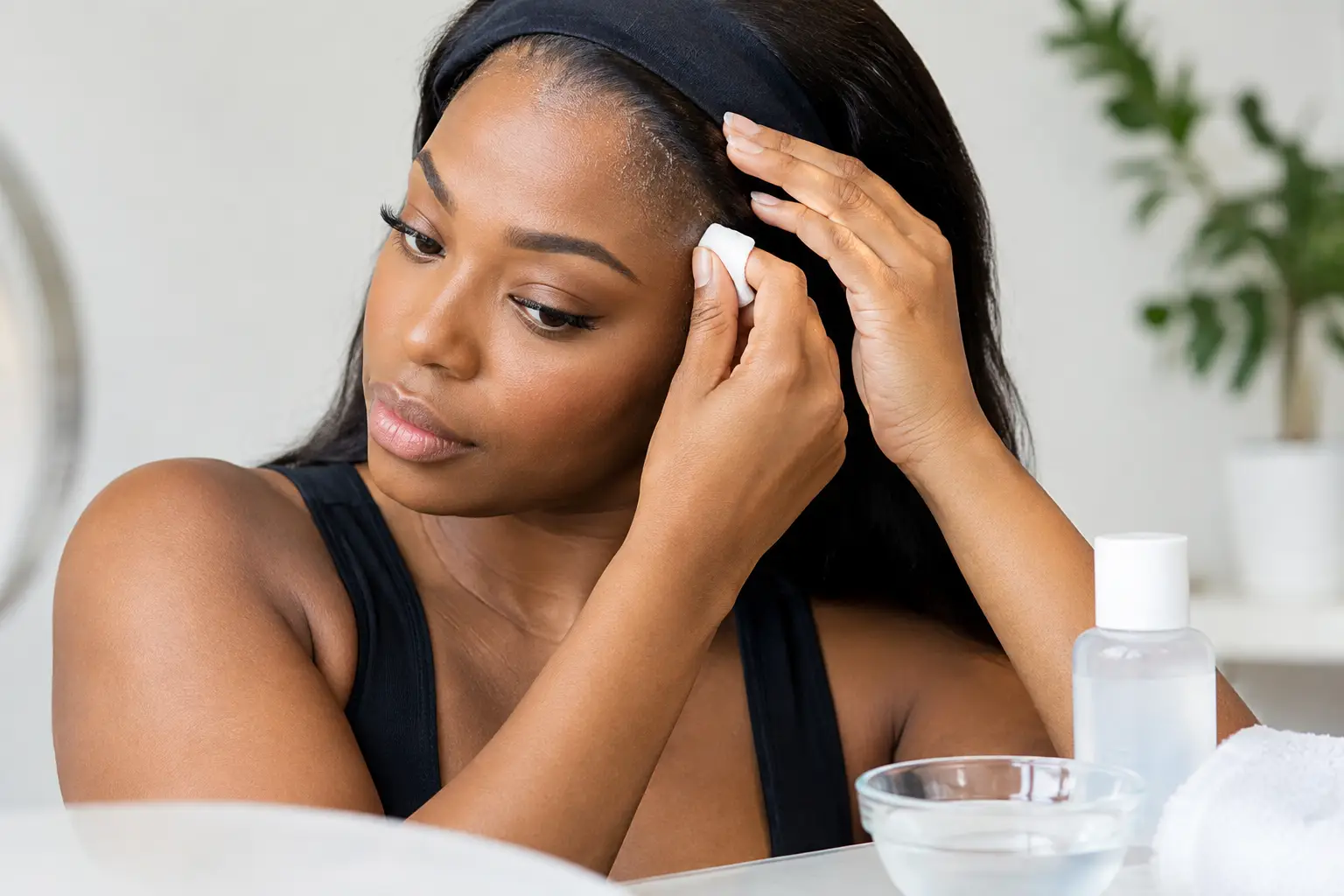
Learn how to remove wig adhesive gently, protect your skin and hairline, and clean your lace wig for a comfortable, confident next wear at...

Do wigs cause headaches? Learn how fit, pressure, heat, and styling affect comfort, with practical ways to wear your wig pain-free every day with...
