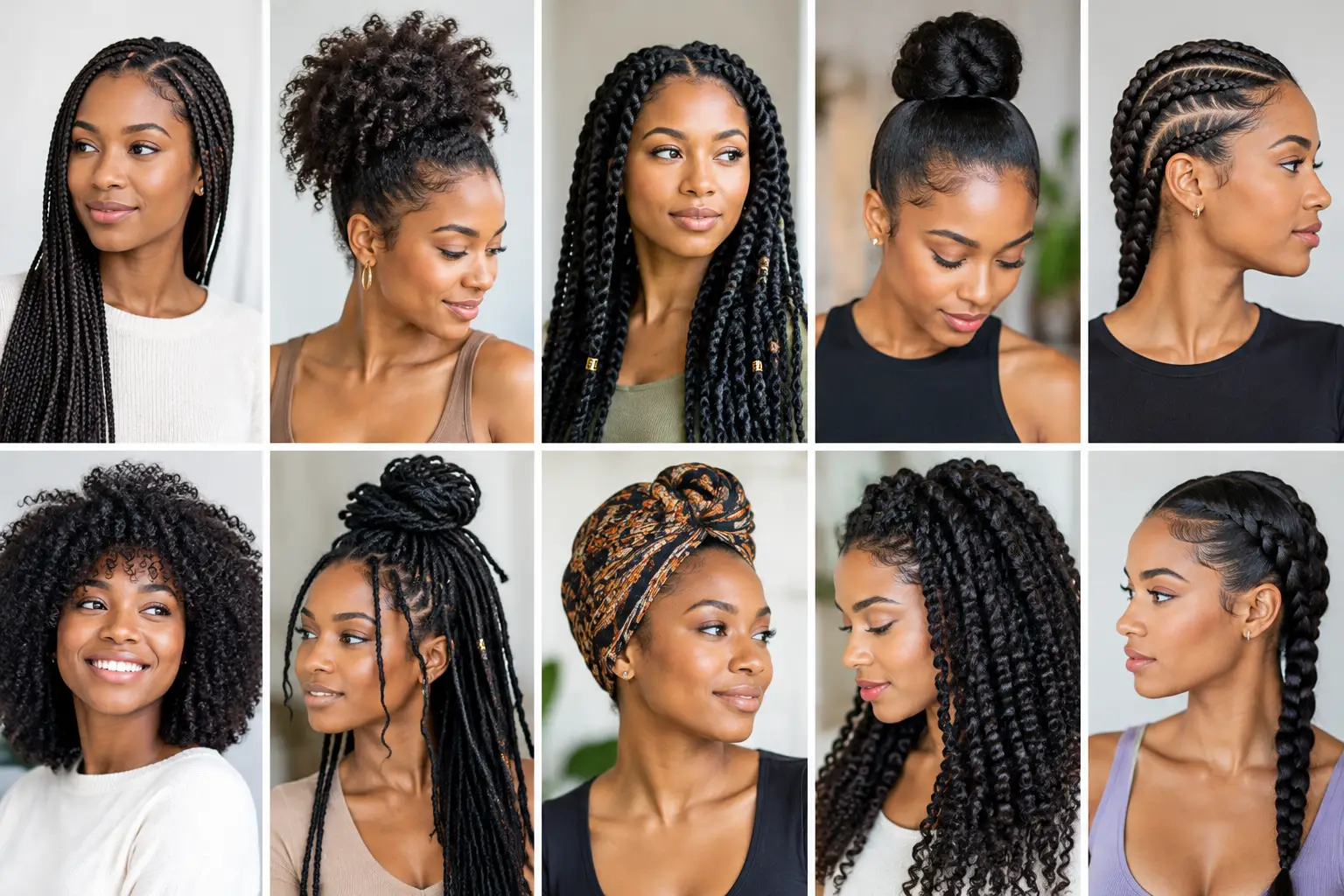

Find the best protective hairstyles for your texture, lifestyle, and comfort, with practical care tips for braids, wigs, twists, and low-tension looks.


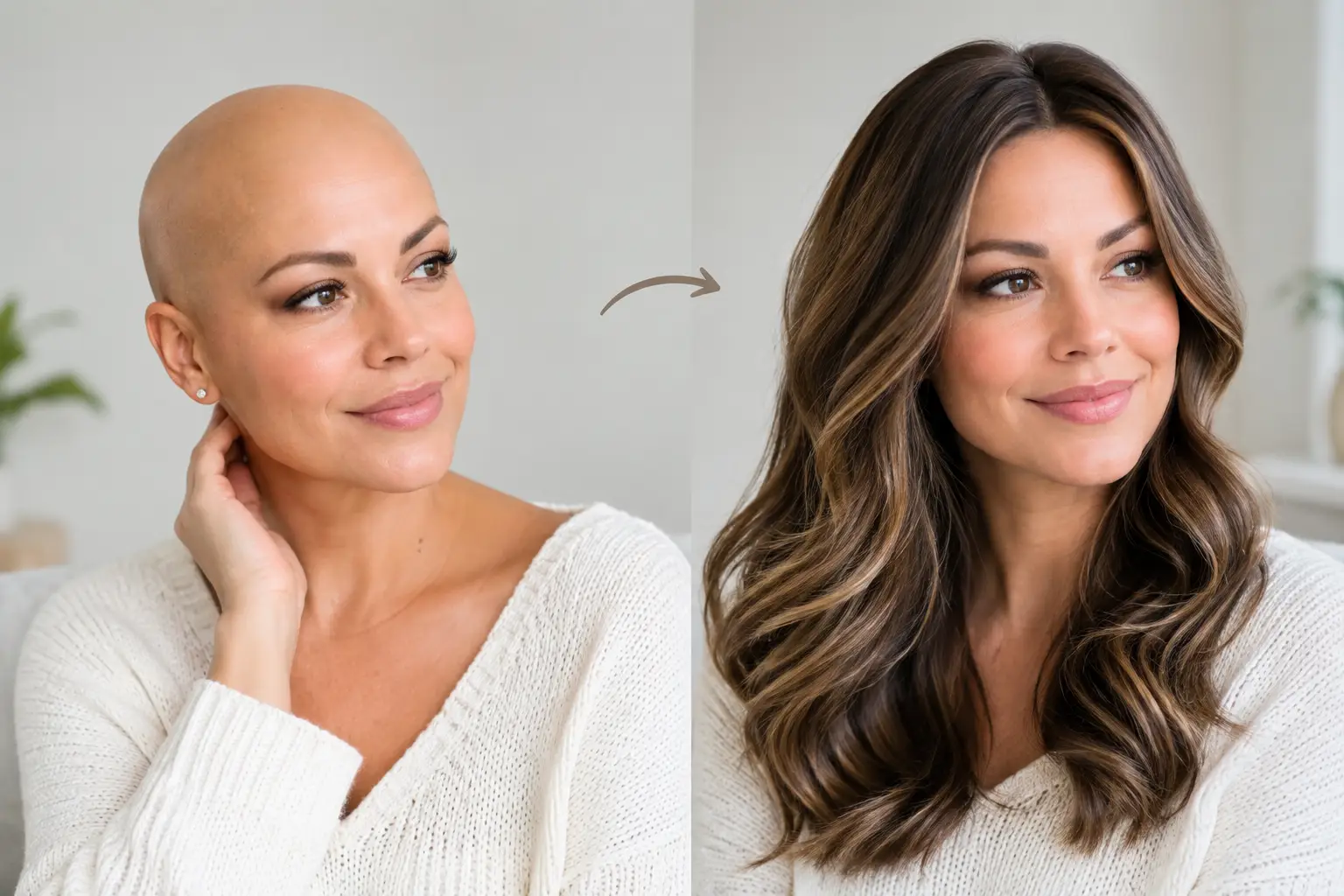
The most meaningful alopecia wig transformation is not about becoming unrecognizable. It is about seeing yourself in the mirror and feeling that your hair looks believable, feels comfortable, and suits the life you actually live. Whether hair loss is recent, long-term, patchy, or more advanced, the right wig can offer privacy, flexibility, and a polished sense of normalcy on your own terms.
A beautiful result starts with more than choosing a hairstyle from a photo. Cap construction, fit, density, hairline design, color placement, and professional styling all affect how a wig looks and how confidently you wear it. There is no single “best” wig for alopecia. The best choice is the one built around your scalp sensitivity, coverage needs, daily routine, and personal style.
For many women, hair loss changes everyday decisions. You may hesitate before making plans, avoid wind or bright overhead lighting, or spend extra time trying to conceal sparse areas. A wig does not have to erase those feelings overnight, but it can make getting ready feel simpler and more familiar again.
The transformation is often practical before it is visual. A secure, well-fitted wig can reduce the need to arrange remaining hair around thinning areas. A comfortable cap can make all-day wear easier. A flattering cut and color can restore the finishing touch that makes an outfit, makeup look, or professional appearance feel complete.
It also helps to set an honest expectation: a wig should look natural, but it should not feel like a costume or require constant worry. If it shifts, pinches, feels heavy, or has a hairline that does not suit you, the answer may be an adjustment rather than simply accepting discomfort.
Alopecia can look different from one person to the next. Some clients have diffuse thinning, while others have distinct patches or total hair loss. Your amount of remaining hair, scalp condition, and sensitivity should guide the cap style and attachment method.
A lightweight cap can be a good option for a sensitive scalp or warmer climate, especially when breathability is a priority. Monofilament tops create the appearance of hair growing from the scalp and allow part changes, making them especially appealing for clients who want versatility. Lace-front wigs can give a soft, realistic hairline when they are correctly fitted and styled.
If you have little or no hair underneath, security may come from a properly sized cap, a wig grip band, or carefully selected adhesive options. If you still have hair, clips or combs may be useful, but they are not right for everyone. Clips can pull on fragile strands, so a professional should help assess whether they are appropriate for your hair and scalp.
Comfort is not a small detail. A wig that looks beautiful for 20 minutes but causes pressure by lunchtime is not a successful choice. During a private try-on, pay attention to the nape, temples, ear tabs, and crown. Move your head naturally. Look down, turn side to side, and imagine wearing it through errands, work, dinner, or a special event.
Fit affects appearance as much as comfort. When a cap is too large, it may slide or bunch at the crown. When it is too tight, it can create tension and an unnatural hairline placement. The front of the wig should sit where a natural hairline would begin, not too far forward or too far back.
A professional fitting can also identify whether a standard size will work or whether custom sizing is worth considering. For clients with an uneven head shape, complete hair loss, or particular comfort concerns, a custom wig can provide a more secure and natural foundation.
Both human hair and synthetic wigs can create a convincing alopecia wig transformation. The right option depends on the amount of styling flexibility you want, how much maintenance feels realistic, and your budget.
Human hair offers movement, softness, and the ability to restyle with heat when the hair is properly protected. It can be curled, smoothed, or customized with a cut that frames your face. This flexibility is valuable if you like changing your look or want the wig to behave more like natural hair. Human hair wigs generally require more routine care and can be affected by humidity, just like biological hair.
Synthetic wigs are often easier for daily wear because many styles hold their shape after washing. A well-made synthetic wig can look remarkably natural and can be a practical option for a second wig, travel, or a low-maintenance routine. Standard synthetic fibers should not be heat styled unless the wig is specifically heat-friendly. Using hot tools on the wrong fiber can permanently damage it.
Density matters, too. More hair does not automatically mean a more realistic result. Many women dealing with hair loss prefer a medium or lighter density that resembles everyday hair rather than an overly full style. A stylist can thin, shape, and soften a wig so it sits more naturally around the face and neckline.
A wig can be technically well made and still feel unfamiliar if the color or cut does not reflect you. That is why trying on several shades and silhouettes is often more helpful than selecting the style you think you “should” wear.
If you want a natural transition, begin close to the color you wore before hair loss. Soft roots, dimensional highlights, and blended lowlights can prevent a flat, uniform appearance. A rooted shade may also make the hairline look less stark, particularly in a lace-front style.
The cut should suit your face shape, lifestyle, and comfort level. A shoulder-length layered style can feel feminine and easy to wear, while a textured bob may offer a polished, lighter option. Bangs can soften the forehead and create an immediate sense of familiarity, but they are not required to make a wig look natural.
Professional trimming is often the step that turns a new wig into your wig. Small changes around the fringe, face frame, nape, and part can make a factory-finished piece look intentionally chosen. At Hair A La Mode, wig styling and customization can be approached as part of the fitting process, not as an afterthought.
The first few wears can feel emotional, even when you love the result. Give yourself time to get used to the feeling of a cap and the sight of a new silhouette. Wear the wig at home for short periods, practice putting it on, and learn where the ear tabs and front hairline should sit.
A few care habits can protect the investment and keep the style looking fresh. Store the wig on a stand or in its box when it is not being worn. Use products designed for the fiber type. Brush or comb gently from the ends upward, especially with longer hair. For human hair wigs, use heat protection before blow-drying or using hot tools. For synthetic wigs, avoid heat unless the fiber is labeled heat-friendly.
Do not assume a worn wig has reached the end of its life. Stretching caps, loose combs, damaged straps, thinning areas, and tired hairlines can often be repaired. Services such as cap replacement, wig grip band attachment, clip and comb replacement, and hand-tied top hair ventilation can extend the life and comfort of a favorite piece. The repair approach depends on the wig’s construction and condition, but a professional assessment can clarify what is possible.
Many clients eventually choose more than one wig, not because their first choice was wrong, but because life has different demands. A lighter synthetic style can be useful for everyday errands and warm weather, while a human hair wig may be reserved for work, evenings, photographs, or occasions when styling versatility matters.
Having a backup also reduces pressure on a single wig. It gives you time to wash, dry, repair, or restyle one piece without feeling rushed. If budget is a concern, start with the wig that meets your most frequent need, then add a second option later.
Your hair solution can change as your preferences, scalp needs, and lifestyle change. The goal is not to force yourself into a style that feels safe but unlike you. It is to find a fit, color, and finish that lets you leave the house with less adjustment, less second-guessing, and more room to focus on the day ahead.
Find the best protective hairstyles for your texture, lifestyle, and comfort, with practical care tips for braids, wigs, twists, and low-tension looks.

Learn how to remove wig adhesive gently, protect your skin and hairline, and clean your lace wig for a comfortable, confident next wear at...

Do wigs cause headaches? Learn how fit, pressure, heat, and styling affect comfort, with practical ways to wear your wig pain-free every day with...
