
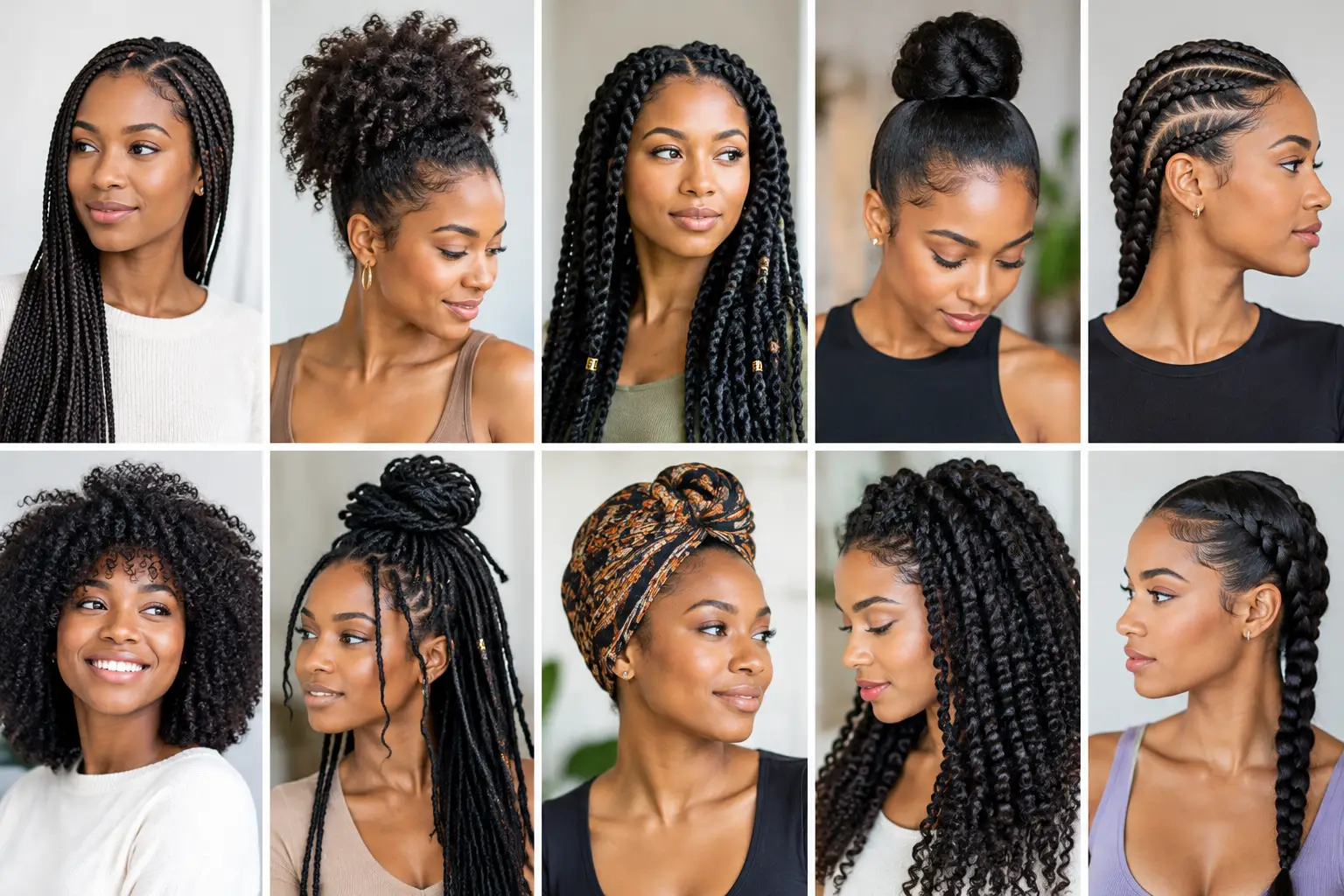

Find the best protective hairstyles for your texture, lifestyle, and comfort, with practical care tips for braids, wigs, twists, and low-tension looks.


A wig should not feel like a compromise you have to manage all day. When hair loss changes from week to week, or has already progressed to full loss, the best wigs for alopecia are the ones that feel secure, look like you, and fit comfortably enough to support your real routine. That can mean a polished human-hair style for work, an easy synthetic wig for everyday wear, or a custom solution designed around a sensitive scalp and your preferred look.
Alopecia is personal, and so is the right hair solution. There is no single wig that works best for every person. The most flattering option depends on the type and pattern of hair loss, scalp sensitivity, lifestyle, budget, and how much styling you want to do at home.
For many women with alopecia, cap construction matters even more than hair length or color. A beautiful wig can still feel distracting if it rubs, shifts, or creates pressure on a tender scalp.
A lightweight, soft cap is often a comfortable starting point for complete hair loss. Look for smooth interior materials, minimal bulky seams, and adjustable features that let the wig sit securely without feeling tight. If you experience scalp sensitivity, avoid relying on rough clips or combs directly against bare skin. A wig grip band or a properly fitted silicone-based support can offer stability without pulling.
For alopecia areata or thinning that leaves some natural hair in place, a cap with adjustable straps can be helpful because it can accommodate changing density. Some women prefer to wear a soft liner beneath the wig for added comfort and a clean, secure feel. Others find that a well-fitted cap alone is enough. The right choice comes down to your scalp, not a one-size-fits-all rule.
A hand-tied cap is a strong choice when softness and movement are priorities. Individual hairs are tied into the cap, which helps the hair move more naturally and can reduce the feel of a heavy, structured base. These wigs are often especially appreciated by clients with total hair loss, though they can cost more because of the detailed construction.
Lace-front wigs create a more natural-looking hairline, particularly when you want to wear hair away from the face. They are ideal for styles with a side part, soft bangs, or a swept-back front. The lace needs gentle handling, and the best fit should sit in the right place without constant adjusting.
A monofilament top gives the appearance of hair growing from the scalp and allows more flexibility in parting. It is a worthwhile feature if a realistic part is important to you. A full hand-tied or monofilament wig may be an investment, but for many women, daily comfort and natural movement make that investment feel worthwhile.
Both human-hair and synthetic wigs can be among the best wigs for alopecia. The better option is the one that fits your lifestyle, styling habits, and budget.
Human-hair wigs offer the most flexibility. They can be blow-dried, curled, straightened, and restyled with the right professional care. They also tend to have a very natural feel and movement. If you enjoy changing your look, prefer a customized cut, or want a style that can be refreshed over time, human hair may be the right fit. It does require more maintenance, much like natural hair, and needs appropriate shampoo, conditioning, heat protection, and styling.
Synthetic wigs are lighter on maintenance and hold their style through humidity and daily wear. A quality synthetic style can look remarkably natural, especially when paired with a realistic hairline and a flattering cut. They are a practical choice for women who want to put on their hair, make a few small adjustments, and get on with their day. Keep in mind that standard synthetic fibers should not be heat-styled unless they are specifically heat-friendly. Even heat-friendly fibers require low, controlled temperatures.
Many clients choose both: a human-hair wig for frequent wear, special occasions, or maximum styling flexibility, and a synthetic wig as an easy second option. Having a backup can also reduce wear on your favorite piece and make wash days less stressful.
Hair loss can make it tempting to choose a style that hides everything. But the most confidence-building wig is usually one that reflects how you want to be seen, whether that is close to your previous hairstyle or a fresh change you have always wanted to try.
Start with the features you know you love. Maybe it is a soft layered bob, face-framing highlights, full curls, a shoulder-length blowout, or a sleek straight style. If you are new to wigs, staying close to your familiar color and shape can make the transition feel easier. If you want a different look, try it in a length and density that still feels balanced with your features.
Density deserves attention. More hair does not always look more natural. A moderate density can be softer, lighter, and easier to wear, especially if you are used to fine or medium-density hair. Higher density can create a more glamorous result, but it may feel warmer and need more styling. A professional can thin, layer, or reshape a wig so it better suits your face and personal style.
Even the finest wig will not look its best if the fit is off. A cap that is too large can slide, bunch at the nape, or create an unnatural hairline. One that is too small can cause pressure and discomfort. Measure your head before ordering online, and whenever possible, try on several cap styles in person.
During a private wig consultation, pay attention to more than the mirror. Move your head, look down, smile, and gently touch the hairline. Notice whether the wig feels stable and whether the ear tabs sit comfortably. Ask how the wig can be secured for your specific hair-loss pattern. A few fit adjustments can make an enormous difference in how relaxed you feel wearing it.
At Hair A La Mode, clients can explore wig options with personal guidance, then arrange custom fitting, cutting, styling, repair, or cap adjustments as their needs change. This kind of ongoing support is particularly valuable when alopecia is unpredictable.
Alopecia-friendly wig care is about preserving the wig and keeping the wearing experience comfortable. Human hair should be washed with products made for wigs or extensions, conditioned carefully, and dried without excessive heat. Synthetic hair needs products designed specifically for synthetic fibers. Regular shampoo or hairspray can leave buildup that makes fibers dull or difficult to manage.
Store your wig on a stand when possible, away from direct sunlight and heat. Brush from the ends upward with the appropriate wig brush or wide-tooth comb, especially with longer styles. If you wear your wig often, professional washing and restyling can help preserve the shape, softness, and realistic finish.
Watch for signs that your wig needs service: stretched elastic, a loose comb, a torn lace edge, thinning hair at the crown, or a cap that no longer feels secure. Many issues can be repaired before they become a reason to replace a wig. Cap replacement, wig-grip-band attachment, ventilation work, and careful restyling can extend the life of a piece you love.
Before choosing, think through four practical questions:
The answers can guide you toward the right balance of comfort, realism, and care. There is no pressure to choose the most expensive construction or the longest hair. The right wig is the one you can wear with ease.
Give yourself permission to try on more than one style and to ask for adjustments. A well-chosen wig can offer privacy when you want it, polish when you need it, and a familiar sense of self every time you look in the mirror.
Find the best protective hairstyles for your texture, lifestyle, and comfort, with practical care tips for braids, wigs, twists, and low-tension looks.

Learn how to remove wig adhesive gently, protect your skin and hairline, and clean your lace wig for a comfortable, confident next wear at...

Do wigs cause headaches? Learn how fit, pressure, heat, and styling affect comfort, with practical ways to wear your wig pain-free every day with...
