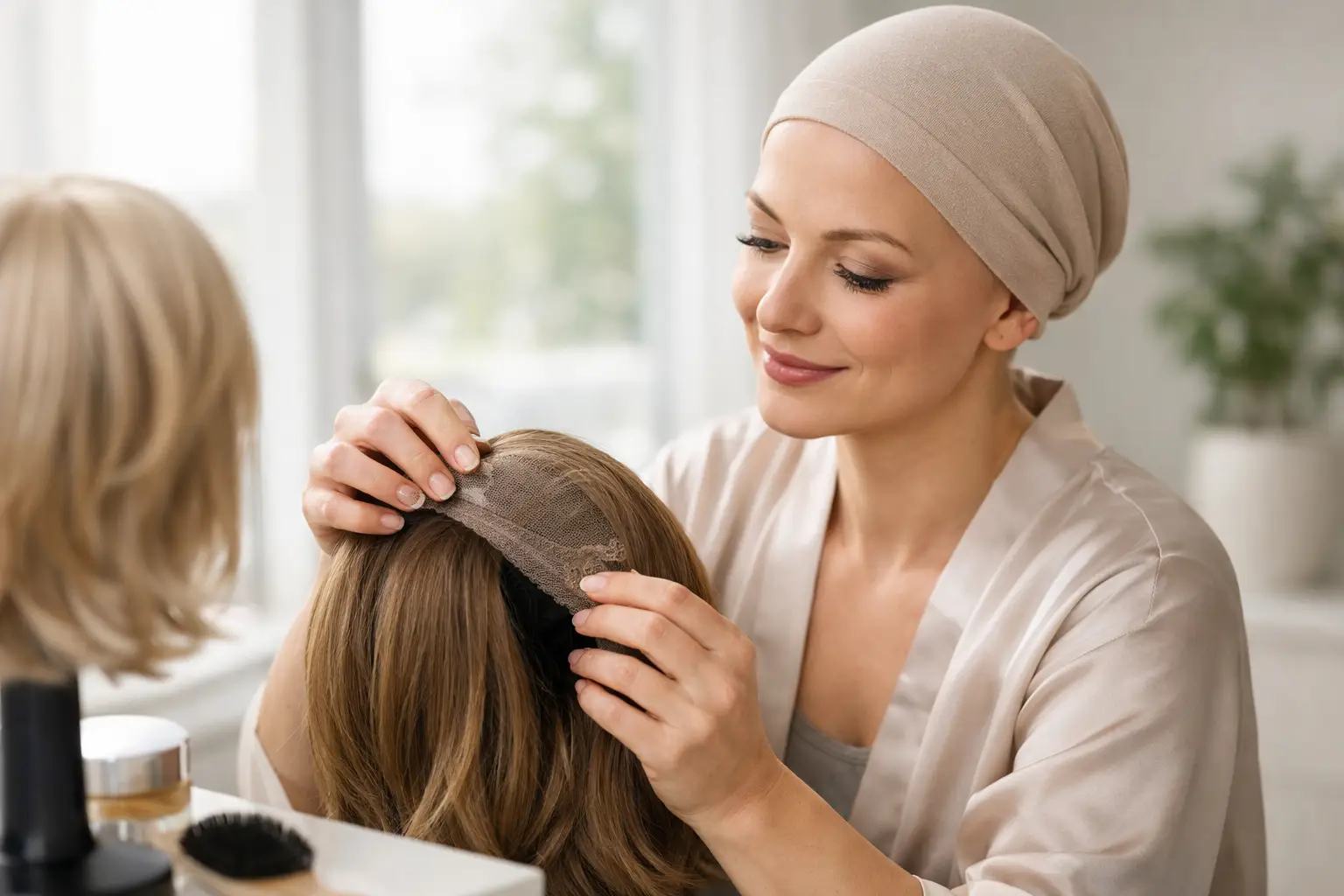

Use this scalp friendly wig guide to choose breathable caps, gentle materials, secure fits, and care routines that protect comfort and confidence daily.


A fuller ponytail, a longer bob, or added volume at the crown can change how you feel when you look in the mirror. But can extensions damage hair? They can, if they are too heavy, too tight, poorly installed, or left in without proper care. The good news is that extensions are not automatically damaging. With the right method, a healthy scalp, professional fitting, and consistent maintenance, they can be a beautiful part of your routine.
Extensions place extra weight and tension on your natural hair. That is not necessarily a problem. Your hair and scalp can comfortably support a properly selected amount of added hair, especially when the weight is distributed evenly and the installation suits your density, texture, and lifestyle.
Damage usually happens when the extension method does not match the person wearing it. Someone with fine or thinning hair may need a lighter, lower-tension option than someone with thick, dense hair. A person who wears their hair up for work or exercises often may need placement that stays comfortable with movement. The goal is never simply to add as much hair as possible. It is to create a natural-looking result that feels secure without pulling.
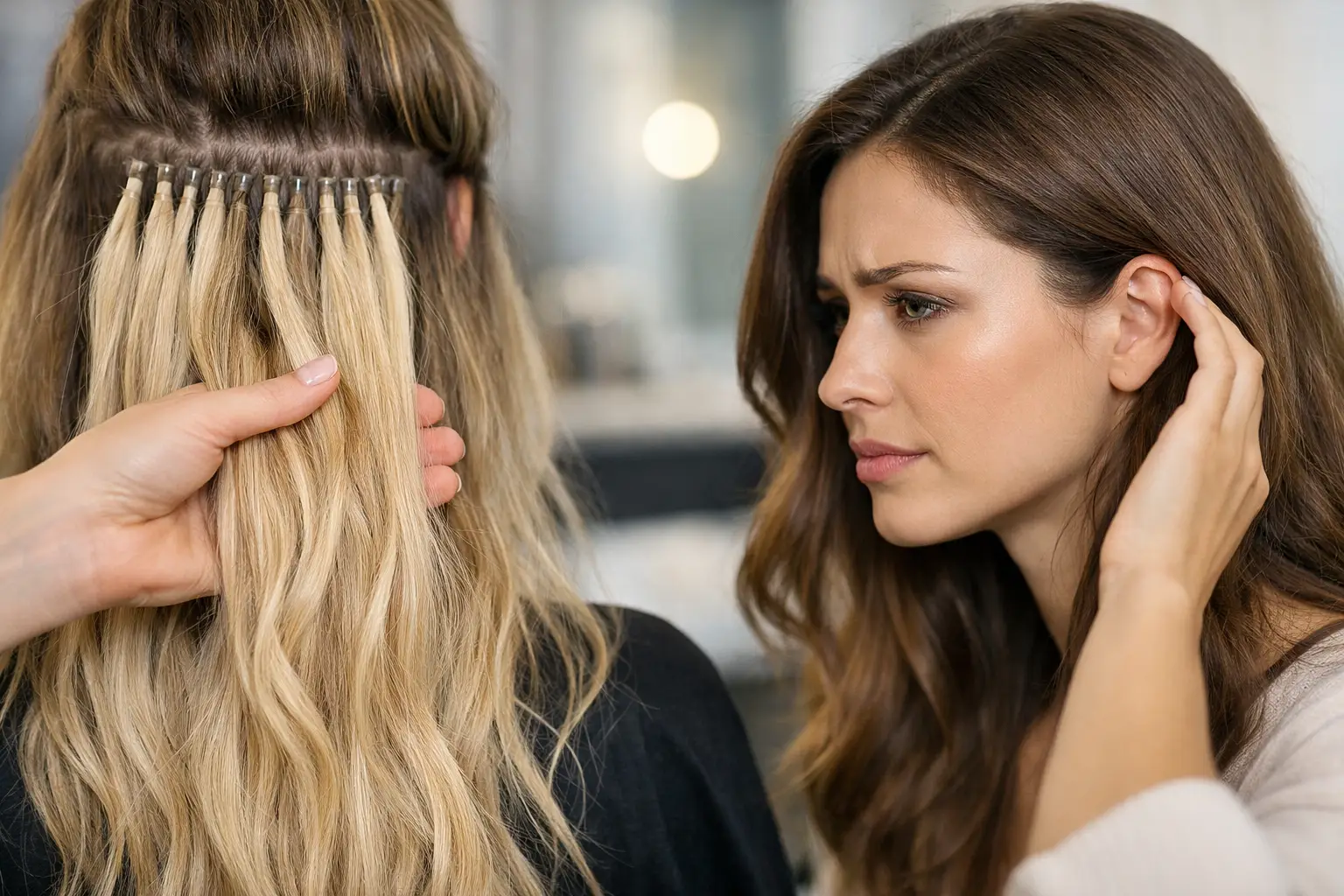
Tension is the biggest concern. If your scalp feels sore, tight, tender, or itchy after an installation, that feeling should not be ignored. A few hours of awareness while you adjust to a new style can happen, but ongoing discomfort is a sign that the extensions may be too tight, too heavy, or placed incorrectly. Pain is not the price of beauty.
Extension-related damage is usually preventable, but it can build gradually. Hair may break where a bond, bead, tape tab, clip, or braid repeatedly pulls against the same section. It can also become tangled near the roots when shedding hair is not removed during maintenance. Once tangling becomes matting, detangling can put even more stress on fragile strands.
The most common causes include excessive tension, wearing extensions longer than recommended, skipped maintenance appointments, and attempting removal at home without the proper technique. Heat damage can also play a role, particularly when natural hair and added hair are repeatedly curled or straightened at high temperatures.
Chemical services require extra thought, too. Coloring, relaxing, perming, keratin treatments, and protein treatments may be suitable in some situations, but they should be planned around your extensions and the condition of your natural hair. Applying strong chemical services to already stressed strands can increase dryness and breakage. A professional consultation can help determine the safest order and timing for any service.
Extensions should not be used to cover up a scalp issue without first addressing it. Flaking, inflammation, open areas, persistent itching, or sudden shedding deserve attention before an installation. Tight styles on an irritated scalp can make discomfort worse and may interfere with healthy hair growth.
If you are experiencing thinning, hair loss, or tenderness, there are still beautiful options available. A lightweight topper, a wig, a band-fall wig, or a hair-attached hat may offer the fullness you want without placing tension on vulnerable areas. The best solution is the one that supports both your confidence and your hair health.
Every method has trade-offs. There is no single “best” extension type for everyone.
Clip-in extensions are temporary and can be a good option for occasional volume or a special event. They should be removed before sleeping and should not be clipped into the exact same spot every day. Repeated clipping in one fragile area can cause breakage, especially around the hairline and crown.
Tape-in extensions lie flat and can look very natural, but they need clean sectioning, proper placement, and timely move-up appointments. Oil-based products near the adhesive can cause slippage, while delayed maintenance can lead to tangling at the roots.
Beaded, sew-in, fusion, and bonded methods can offer longer wear, but they need expert installation and careful follow-up. These methods may not be the right choice when hair is extremely fine, actively shedding, or sensitive to tension. The amount of hair in each section, the spacing, and the weight of each attachment all matter.
Braided installations can be versatile and protective for some textures, yet they can become harmful when braids are installed too tightly or worn for too long. Hairline breakage and traction-related thinning are real risks when the scalp is constantly under strain. A style should feel comfortable from day one, not painful for the first week.
Healthy extension wear begins before the installation. Be honest about your hair history, including color, bleach, heat damage, shedding, thinning, and recent chemical services. This helps your stylist recommend an option based on what your hair can comfortably handle, not just the look you want to achieve.
During your appointment, ask how long the installation should stay in, how to wash it, and when to return for maintenance. Different methods have different timelines. Waiting until extensions are visibly loose, tangled, or uncomfortable is usually too late.
At home, treat the hair near your roots gently. Brush in sections, starting at the ends and moving upward. Hold the hair near the attachment area while detangling so you are not pulling directly on your scalp. Use a brush designed for extensions or a wide-tooth comb when appropriate for your texture and installation method.
Wash thoroughly but carefully. Focus shampoo on the scalp, and avoid rough circular scrubbing that can create tangles around attachment points. Apply conditioner mainly through the mid-lengths and ends unless your stylist recommends otherwise. Rinse completely, then dry the root area well. Going to bed with wet extensions can encourage tangling and make the hair more difficult to manage the next day.
Sleeping habits make a difference. A loose braid or low ponytail can help reduce friction, depending on your extension method. A smooth pillowcase or sleep wrap may also help preserve the hair and reduce tangles. Never sleep in clip-ins.
Do not wait for obvious breakage if something feels off. Book a check or removal appointment if you notice:
Early adjustment can often prevent a small issue from becoming a recovery period for your natural hair.
Many extension problems begin at removal. Adhesive tabs, keratin bonds, beads, and sewn methods should be removed with the correct products and tools. Pulling, cutting, or peeling extensions out at home can take your own hair with them.
Professional maintenance also gives your stylist a chance to assess your scalp, remove naturally shed hairs that have collected at the root, and decide whether your hair needs a break. Taking breaks from longer-wear methods is not a failure. It can be a smart part of maintaining stronger, more comfortable hair over time.
At Hair A La Mode, a private consultation can help you compare extension options with wigs, toppers, and other hair solutions based on your goals, daily routine, and current hair condition. Sometimes the most flattering choice is not the one that stays attached the longest. It is the one that gives you the look you love while allowing your natural hair to rest.
Extensions should feel like a confidence boost, not a source of worry. Choose a method that respects your hair, speak up at the first sign of discomfort, and give your natural strands the same care you give the style you are creating.
Use this scalp friendly wig guide to choose breathable caps, gentle materials, secure fits, and care routines that protect comfort and confidence daily.
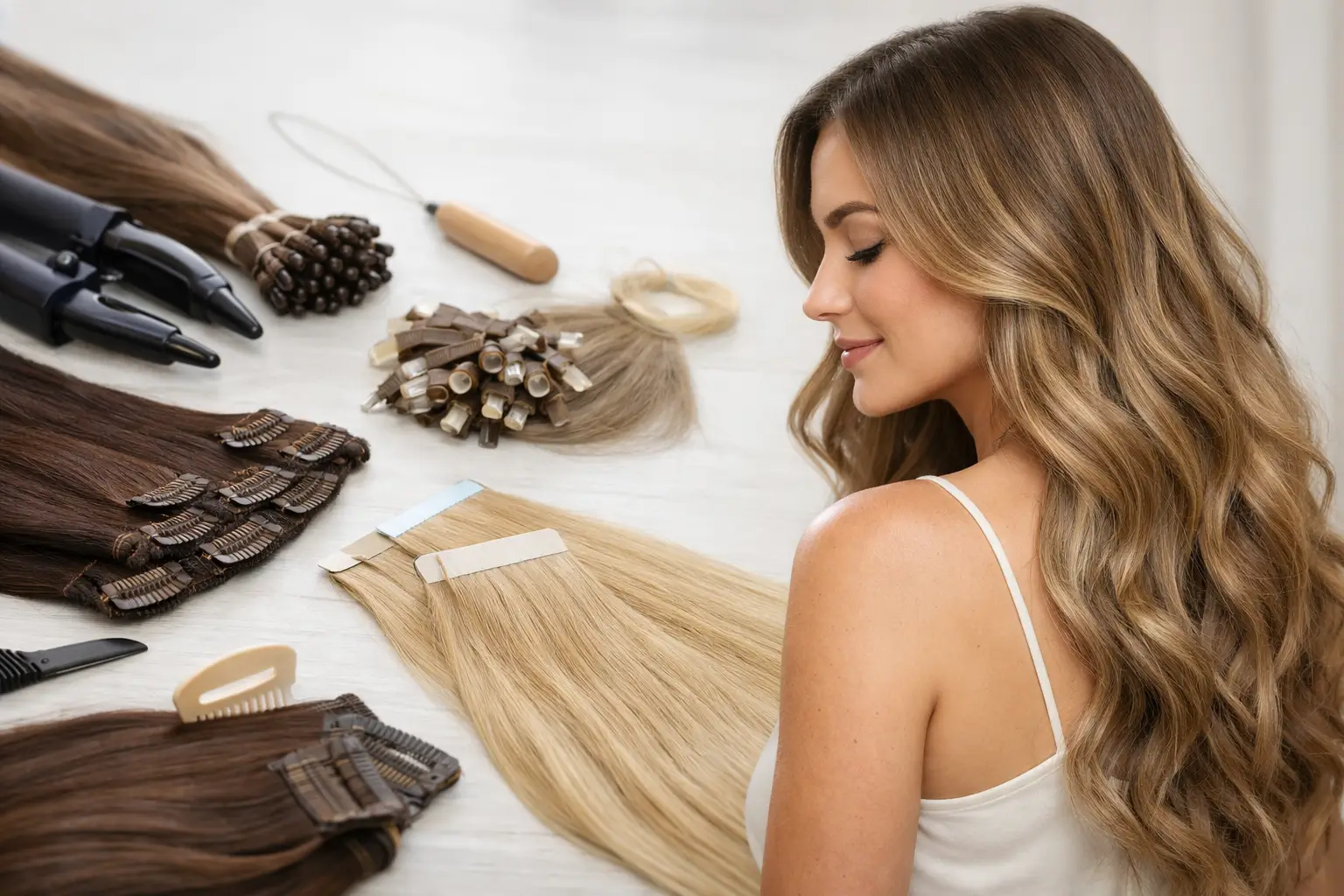
Our hair extension types guide helps you compare clips, tape-ins, sew-ins, fusion, and halos for natural-looking length, fullness, and comfort every day.
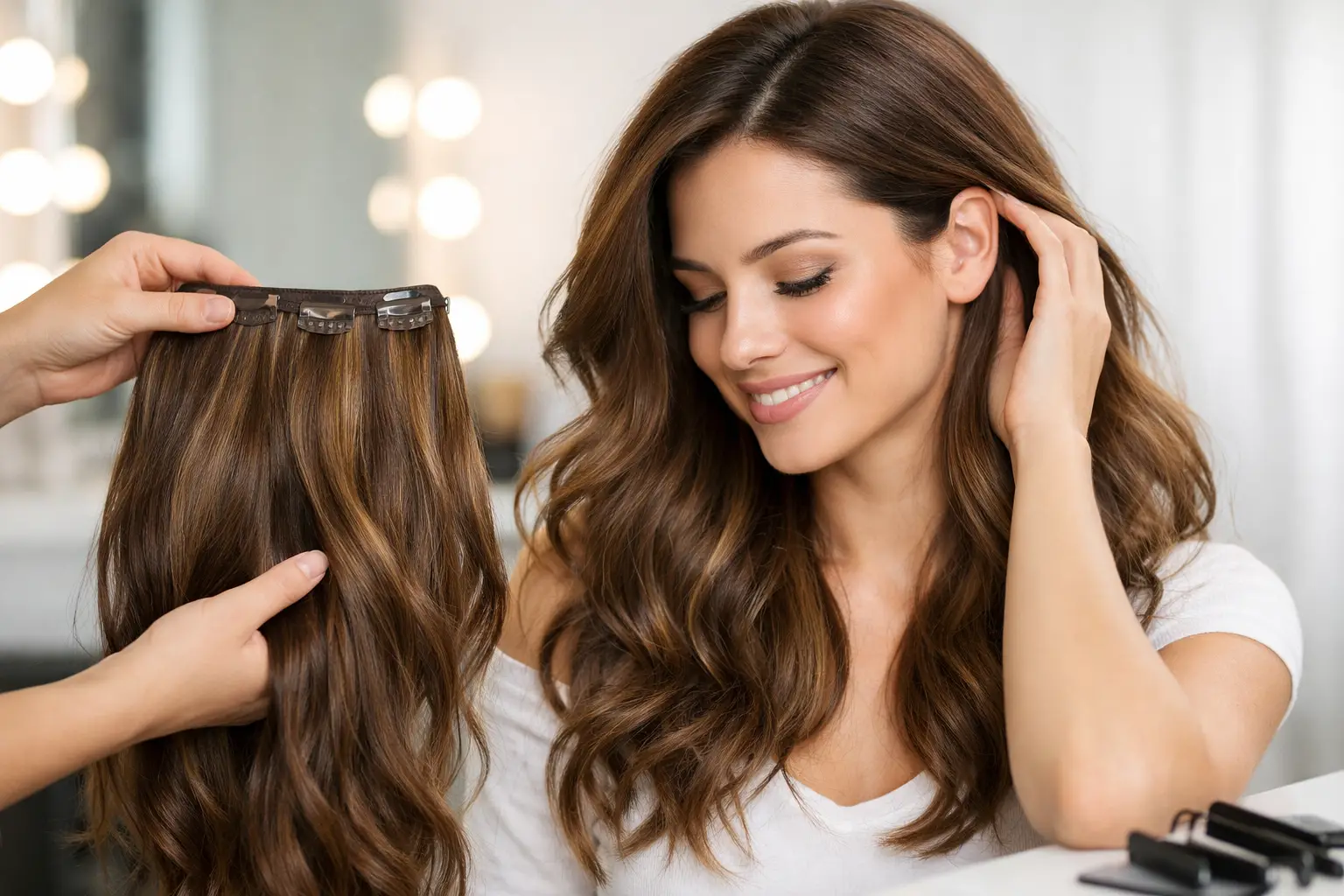
Choose hair extensions for fullness, length, and confidence. Learn how to match type, texture, color, and care to keep your style natural and comfortable.
