
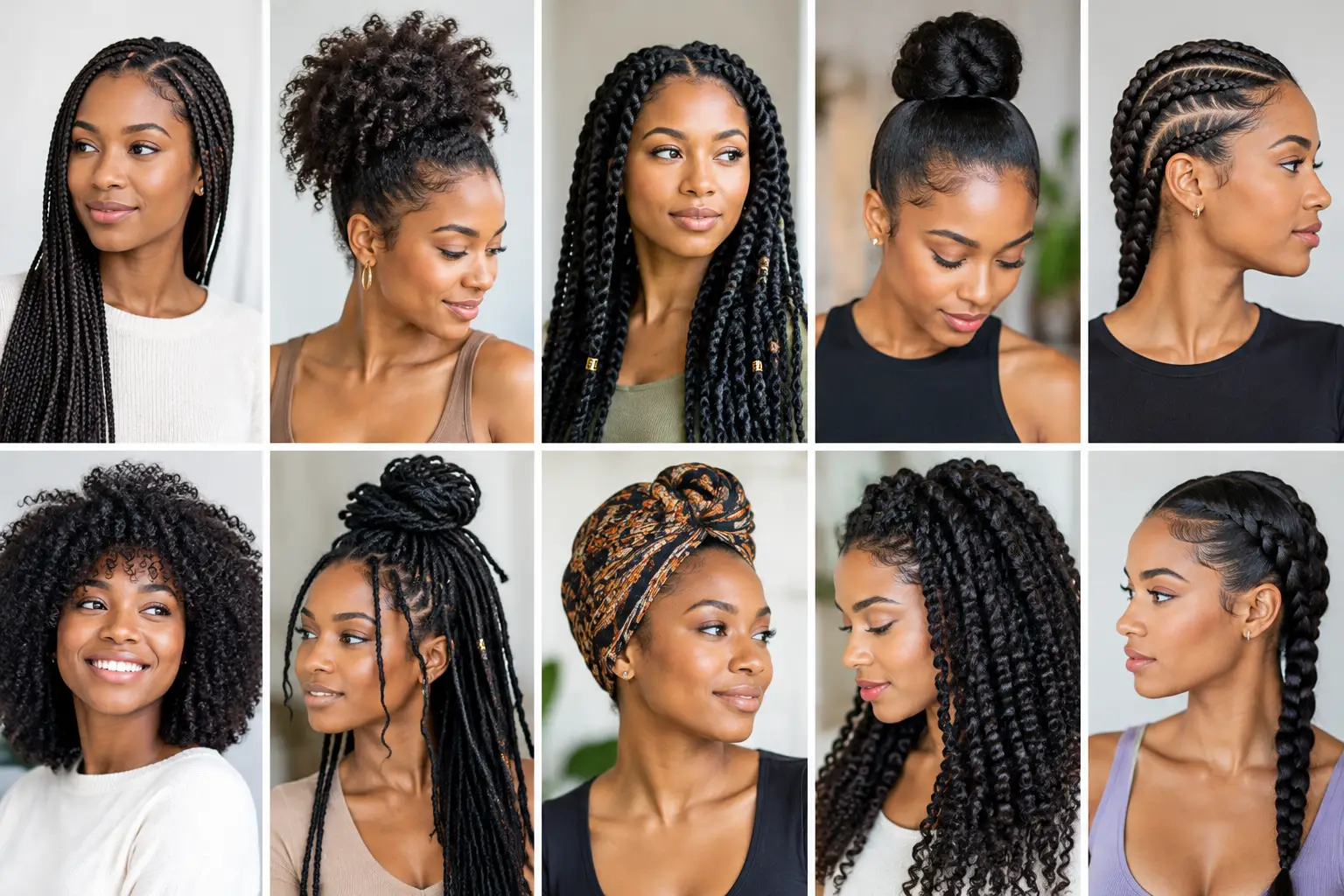

Find the best protective hairstyles for your texture, lifestyle, and comfort, with practical care tips for braids, wigs, twists, and low-tension looks.


A great extension before after is not about making your hair look like someone else’s. It is about seeing more of the style you want: fuller ends, added length, a more balanced shape, or coverage that helps you feel comfortable wearing your hair down again. The most beautiful results still look like they belong to you.
Hair extensions can create a dramatic change in a single appointment, but the best transformation begins with realistic expectations. Your natural hair, texture, haircut, lifestyle, and the extension method all affect the final look. A professional consultation helps turn inspiration photos into a result that feels natural, wearable, and right for your daily life.
Before extensions, many clients feel limited by fine hair, uneven length, breakage, a short haircut they are growing out, or ends that do not hold a style the way they would like. Extensions can add density through the mid-lengths and ends, create a longer silhouette, or give an updo more body without requiring you to wait months for growth.
The after result can be subtle or noticeable. For some clients, the goal is simply to make a ponytail look fuller or help curls appear more polished. For others, it is a complete length transformation with layers, volume, and customized color placement. Neither approach is better. The right result is the one that blends well and feels comfortable from morning to night.
Extensions can also be an option when you want a protective styling break from frequent heat, coloring, or manipulation. That said, extensions are not a cure for active scalp concerns or significant hair loss. If your hair is fragile, shedding heavily, or recovering from damage, a gentler approach, a wig, topper, or treatment plan may be the better choice. Your hair solution should support your comfort and hair health, not work against it.
Length alone does not create a convincing extension result. Blending does. A natural-looking after photo usually comes from several details working together: the right density, a close texture match, a thoughtful color match, strategic placement, and a haircut that connects your natural hair with the added hair.
A small amount of extension hair can make fine or medium-density hair look healthier at the ends. Adding too much, however, may make the extension hair appear separate from your natural hair. If you want dramatic volume, your stylist can build it gradually and place the hair in a way that still moves naturally.
Your natural density matters just as much as the length you choose. Very long extensions on a short, fine haircut may require more blending and layering than medium-length extensions. Sometimes choosing a slightly shorter length creates the more believable, luxurious result.
Straight hair, loose waves, curls, and coily textures each need their own approach. Even a perfect color match can look unnatural if the extension texture does not behave like your own hair. Human hair extensions generally offer more flexibility for heat styling and can be shaped to match your preferred finish. Synthetic options can be practical for certain looks, but many require lower heat or no heat at all.
If you regularly wear your hair curly, show up to your consultation with your natural curl pattern visible if possible. If you normally blow-dry your hair smooth, that is useful information too. The goal is not just to match your hair on appointment day, but to choose hair that fits the way you actually style it at home.
A blunt line between natural hair and extensions is one of the most common reasons a result looks obvious. Light layering, face-framing pieces, and careful trimming can help the hair blend when it moves. This is especially important for clients adding length to a shorter cut or working with breakage around the front.
A stylist should also consider where you part your hair and how you wear it most often. If you always tuck one side behind your ear, pull your hair into a ponytail, or wear a deep side part, placement needs to account for that. A beautiful extension result should work in real life, not only in the salon chair.
There is no single best extension method for every client. The right choice depends on your hair condition, desired result, budget, maintenance routine, and how often you want to change your look.
Clip-in extensions are a flexible choice for occasional fullness, special events, and clients who prefer to remove their hair at the end of the day. They can be especially helpful if you are trying extensions for the first time. Proper placement is essential, since clips should not be attached to hair that is too fragile or placed too close to the hairline.
Tape-in, bonded, sewn, and other semi-permanent methods offer a more consistent day-to-day result. They can feel wonderfully natural when professionally selected and installed, but they also require regular maintenance appointments. Your natural hair grows, and extension placement must be adjusted before it starts to pull, tangle, or become difficult to conceal.
For clients who want hair coverage, a custom wig, band-fall wig, or hair-attached hat may provide more freedom than extensions. These options can add the appearance of fullness and style without attaching hair directly to vulnerable areas. They are also ideal when privacy, easy removal, or a complete style change is the priority.
A consultation is where the best decisions happen. Rather than choosing hair based only on a photo, your stylist should assess your current length, density, texture, color, scalp comfort, and styling habits. Be honest about chemical services, heat use, recent shedding, and whether you are willing to maintain the hair as recommended.
Bring a few inspiration photos, but also explain what you like about them. Is it the length, the fullness, the color dimension, or the way the hair moves? Two photos can look similar but require very different amounts of hair and different methods to achieve.
At Hair A La Mode, the goal is a personal solution, not a one-size-fits-all installation. A private consultation can help you compare extension options with wigs, custom pieces, and other styling choices so you can move forward with confidence. You should leave knowing what the service involves, what maintenance it needs, and what your result can realistically look like.
The first week after an extension service is often when clients learn how their new hair behaves. Your scalp may need a short adjustment period, but ongoing pain, pulling, headaches, or irritation are not something to ignore. Contact your stylist promptly if the installation does not feel comfortable.
Treat extension hair gently. Brush carefully from the ends upward, supporting the hair near the attachment area. Use professional products recommended for your extension type, and avoid applying heavy oils, conditioners, or masks directly at bonds, tapes, or attachment points unless your stylist says they are safe. Sleep with hair loosely secured and never go to bed with wet hair.
Heat styling can help extensions blend with your natural hair, especially when you want a polished finish. Use a heat protectant and keep tools at an appropriate temperature for the hair type. Human hair extensions may tolerate styling more easily than synthetic fibers, but even human hair benefits from moderation. Repeated high heat can dry out added hair faster than the hair growing from your scalp because extensions do not receive natural scalp oils.
Maintenance appointments are part of the service, not an optional extra. They give your stylist a chance to check attachment points, remove shed hairs, refresh the blend, and protect your natural hair. Waiting too long can turn a simple adjustment into avoidable tangling or stress on the hair.
A true before-and-after result should feel exciting, but it should also feel like you. The most successful extension work gives you options: the confidence to wear your hair down, the fullness to create the styles you have been missing, and the reassurance that your hair looks polished from every angle.
Start with the result you want to feel, then choose the length, volume, texture, and maintenance plan that can support it comfortably. When your extensions are selected and cared for with intention, the after is not just a salon moment. It becomes a look you can enjoy every day.
Find the best protective hairstyles for your texture, lifestyle, and comfort, with practical care tips for braids, wigs, twists, and low-tension looks.
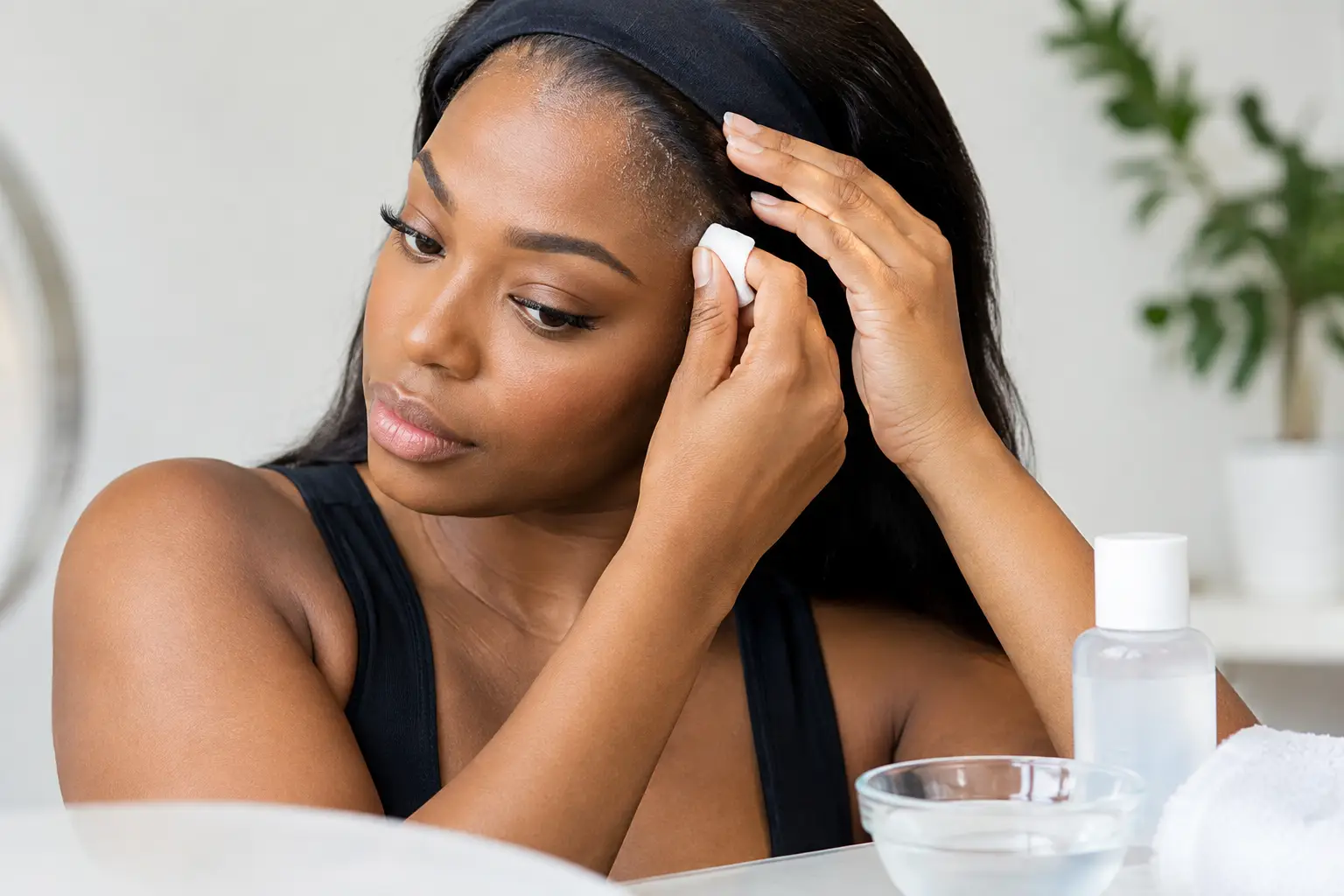
Learn how to remove wig adhesive gently, protect your skin and hairline, and clean your lace wig for a comfortable, confident next wear at...

Do wigs cause headaches? Learn how fit, pressure, heat, and styling affect comfort, with practical ways to wear your wig pain-free every day with...
