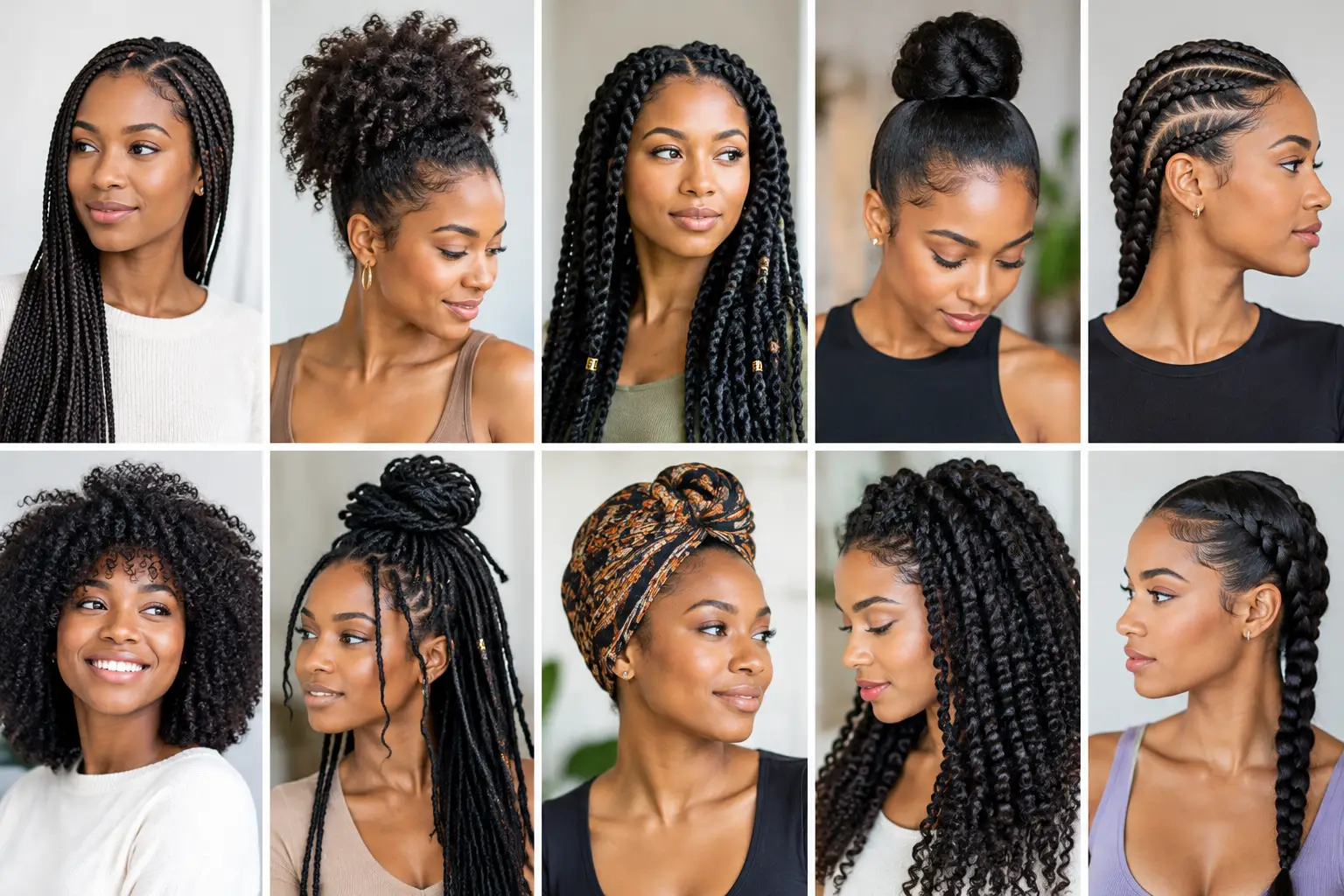

Find the best protective hairstyles for your texture, lifestyle, and comfort, with practical care tips for braids, wigs, twists, and low-tension looks.


A wig can be beautifully made and still not feel quite right when you put it on. The hair may sit too heavily around the face, the part may look too defined, or the length may not suit the way you dress and move through your day. A professional wig styling service turns a wig into a personal hair solution – one that feels more natural, comfortable, and recognizably you.
For some clients, that means a soft trim and face-framing layers. For others, it means reshaping a fashion wig, creating an updo for a special event, or refreshing a favorite piece that has lost its movement. The right styling is not about changing your identity. It is about helping your wig support the confidence you want to carry with you.
Most ready-to-wear wigs are created to suit many people, not one individual face shape, hairline, lifestyle, or personal style. Even a high-quality human hair wig may need cutting, thinning, part adjustment, or heat styling before it has the softness and balance you expect. Synthetic wigs can also benefit from professional shaping, but they require a different approach because not every fiber is heat friendly.
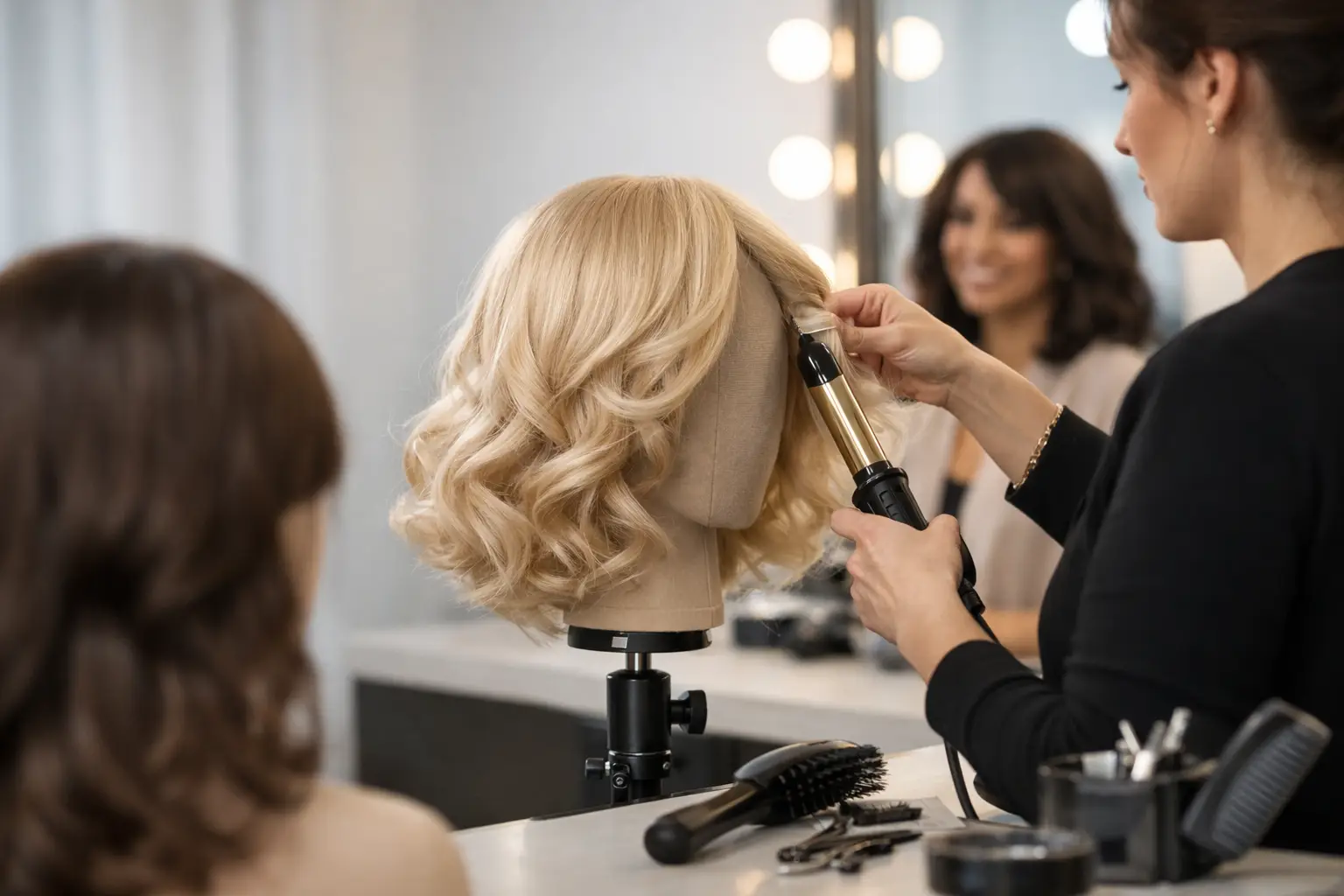
Styling gives your wig intention. A professional can assess where volume should sit, how the fringe or bangs should fall, whether the ends need texture, and how to create movement without taking away too much density. Small adjustments can make the difference between hair that looks placed on the head and hair that appears to belong there.
This matters especially if you are managing thinning hair, hair loss, or a sensitive scalp. Comfort and discretion are just as important as appearance. A style that looks polished but feels bulky, slips, or presses in the wrong areas is not a successful result.
A good appointment begins with a conversation, not scissors. Your stylist should ask how you plan to wear the wig, whether you are new to wigs, how much daily styling you are comfortable doing, and what look you want to achieve. Bring inspiration photos if you have them, but also be open to recommendations based on the wig’s density, cap construction, fiber type, and condition.
The fitting stage is essential. The wig is positioned correctly, the hairline is checked, and the part is placed in a way that flatters your features. If needed, the stylist may recommend a wig grip band, cap adjustment, or replacement clips and combs to improve security. These practical details can have as much impact on your confidence as the finished cut.
Once the fit is established, styling may include trimming the length, adding layers, softening bangs, shaping around the face, reducing excess bulk, or creating curls and waves. A human hair wig can usually be blow-dried, curled, or flat-ironed with appropriate heat protection, much like bio hair. A synthetic wig requires specialized products and controlled techniques. Traditional heat can permanently damage standard synthetic fibers, so it is always best to confirm the wig’s heat tolerance before styling begins.
The appointment should also include simple care guidance. You should leave knowing how to place the wig, preserve the style, brush it safely, and store it between wears. That is particularly helpful when the style includes a specific part, curl pattern, or face-framing shape you want to maintain at home.
Human hair and synthetic wigs can both look natural, but their styling needs are not interchangeable. Human hair offers the most flexibility for changing your look. It can be cut into a bob, layered for softer movement, curled for an event, or smoothed into a sleek finish. It also responds to humidity and may need restyling after washing, just as natural hair does.
Synthetic hair often holds its style well, making it a practical choice for clients who want less daily effort. A synthetic wig that is designed with waves or curls may return to its original pattern after proper washing and drying. The trade-off is that it has less freedom for heat styling, and friction over time can create dryness or tangling around the nape.
A professional stylist can tell you what your specific wig can safely handle. That advice protects your investment. Trying a hot tool, thinning shears, or a strong styling product at home without knowing the fiber type can shorten the life of the wig or change the texture permanently.
Regular maintenance can keep a wig looking fresh, but some changes call for professional attention. If the style has become flat, the ends look worn, the bangs no longer sit properly, or the wig feels different on your head, it may be time for an appointment. A wig that once felt secure may need a new grip band, clips, combs, or cap adjustment rather than replacement.
Repair and restyling often make sense for a wig you already love. Human hair pieces can be refreshed with a trim, deep conditioning treatment, color service when appropriate, or a completely new shape. Synthetic pieces may need detangling, fiber-safe treatment, careful reshaping, or repair work to restore their finish.
More technical needs deserve experienced hands. Cap replacement, hand-tied top hair ventilation, and replacing worn attachments require precision. These services can extend the useful life of a meaningful piece while preserving its comfort and natural appearance.
The most flattering wig style is one you can actually live in. A dramatic long style may be exactly what you want for an evening out, but a shoulder-length layered cut may be easier for work, travel, exercise, and everyday wear. There is no single right choice. It depends on your routine, your comfort with styling, and whether you want one signature look or several options.
Think about your usual wardrobe, makeup, and time in front of the mirror. If you prefer a low-maintenance routine, ask for a shape that falls into place with minimal effort. If you enjoy changing your style, a human hair wig may give you more flexibility. If discretion is your priority, soft layers and a natural part can create an understated result without making the hair look overstyled.
It is also helpful to be honest about what feels like you. Some clients want a style close to the hair they had before thinning or treatment. Others see a wig as a chance to try a new length, color, or texture. Both choices are valid. The goal is not to follow a trend that does not suit your life. It is to create a look that feels comfortable when you see yourself in the mirror.
At Hair A La Mode, wig styling can be part of a more complete experience that includes private consultations, try-ons, custom wig creation, fitting, repairs, and ongoing care. This is especially reassuring for first-time wig wearers who may have questions they do not want to ask in a busy salon setting.
Bring your wig clean and dry unless you have been advised otherwise, and share any concerns before the service begins. Mention if the cap feels loose, if you have scalp sensitivity, if you wear glasses, or if you need the style to work with a hat, headband, or bandana. Those details help shape recommendations that are as practical as they are beautiful.
Your wig should not feel like a compromise. With the right fit, thoughtful styling, and knowledgeable care, it can become one of the easiest parts of getting ready – a reliable reflection of your style, strength, and personal comfort.
Find the best protective hairstyles for your texture, lifestyle, and comfort, with practical care tips for braids, wigs, twists, and low-tension looks.

Learn how to remove wig adhesive gently, protect your skin and hairline, and clean your lace wig for a comfortable, confident next wear at...

Do wigs cause headaches? Learn how fit, pressure, heat, and styling affect comfort, with practical ways to wear your wig pain-free every day with...
