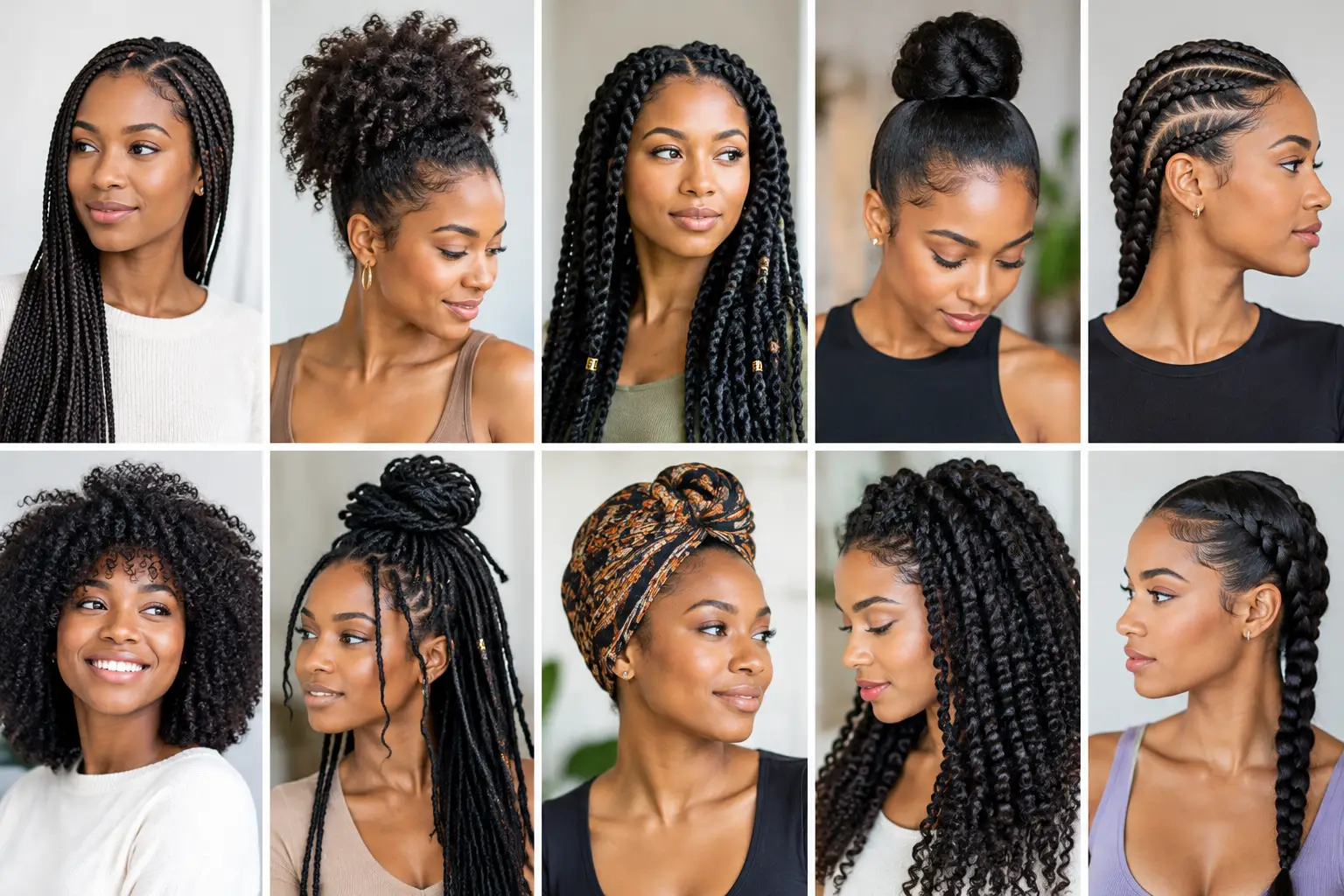

Find the best protective hairstyles for your texture, lifestyle, and comfort, with practical care tips for braids, wigs, twists, and low-tension looks.


A wig can have beautiful hair, the right color, and a flattering cut, yet still feel wrong if the fit is not right. Pressure at the temples, a cap that shifts at the nape, or a hairline that sits too far forward can take attention away from how you look and how you feel. This custom wig fitting guide is designed to help you understand what creates a comfortable, believable fit and when professional adjustments can make all the difference.
A custom fit is not only about head size. It considers your hair situation, daily routine, sensitivity, preferred styling, and how secure you want the wig to feel. Whether you wear your wig every day, occasionally, or while your natural hair grows back, the goal is the same: hair that feels like it belongs to you.
Before measuring, think about how you plan to wear your wig. Someone managing hair loss or scalp sensitivity may need a softer cap and the lightest possible feel. Someone who wears a wig for long workdays may prioritize security and breathability. If you enjoy changing your part, pulling hair back, or wearing a ponytail, construction matters just as much as length and color.
Be honest about what has not worked before. A wig that felt too warm, too tight, too bulky, or difficult to style gives useful information for your next fitting. Your stylist can use those details to recommend a cap construction, attachment method, and adjustment plan that better suits you.
A private consultation is especially helpful for first-time wearers. Trying on different options lets you compare how a traditional cap, lace front, monofilament top, hand-tied cap, or band-fall style feels against your scalp. There is no single best construction for everyone. The best one is the option that supports your comfort, lifestyle, and desired look.
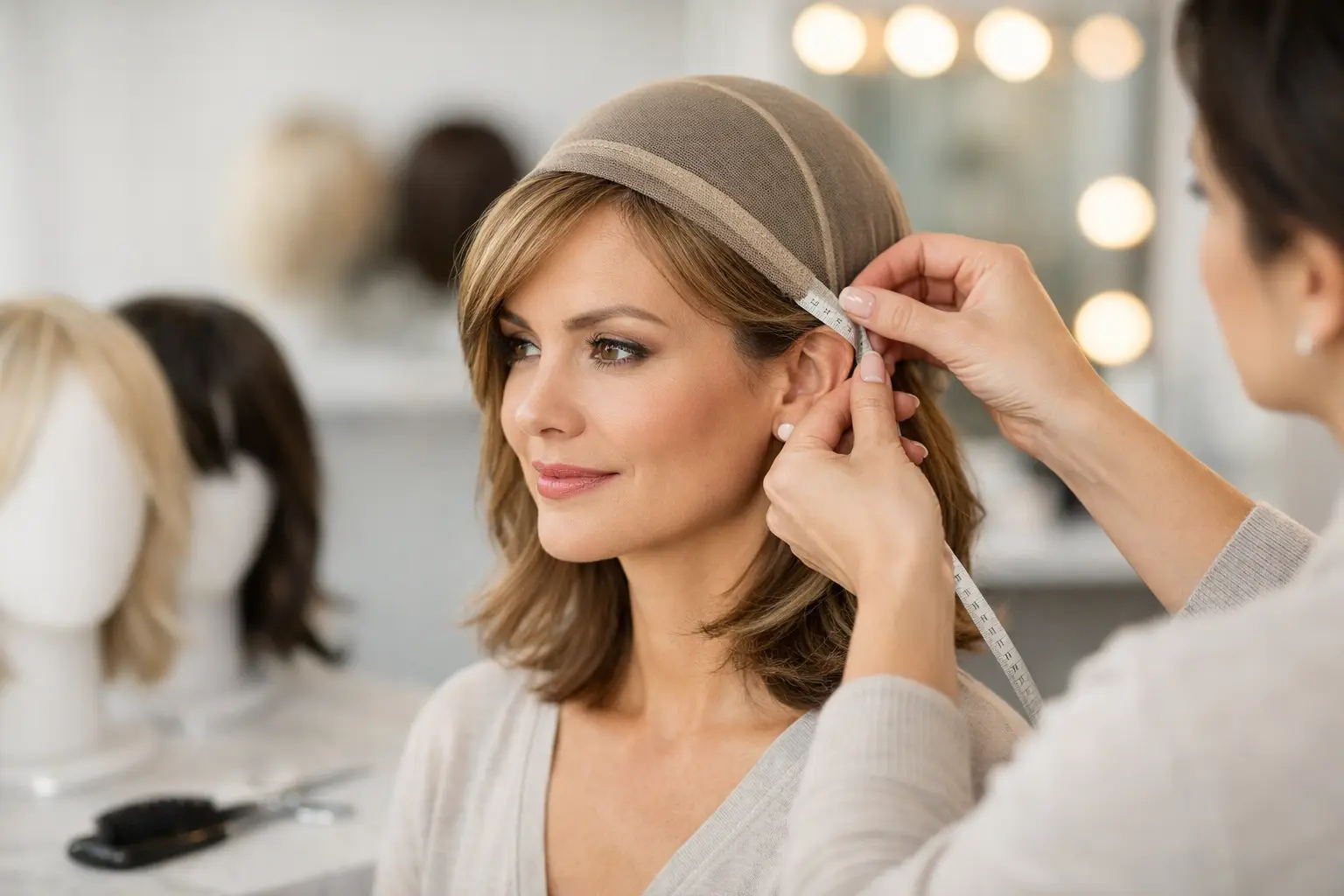
Most wigs come in petite, average, and large sizes, but those labels are only a starting point. Head shapes vary, and an average-size cap can still feel loose in one area or tight in another. For a custom wig, accurate measurements help create a cap that sits securely without excessive pressure.
Use a soft measuring tape with your hair arranged the way you normally wear it underneath the wig. If you use a wig cap, measure with it on. Keep the tape flat against the head, not pulled tight.
The measurements a fitter will typically review include:
These numbers work together. For example, a person may have an average circumference but need more room from front to nape. In that case, simply moving up a cap size may create looseness at the sides. A custom adjustment can address the actual fit issue instead of creating a new one.
Cap construction affects movement, weight, airflow, and styling flexibility. It also affects how the wig can be fitted or repaired later.
A basic wefted cap is often lightweight and budget-friendly, with adjustable tabs at the nape. It can be an excellent choice for occasional wear or for anyone who wants dependable fullness. The trade-off is that it may offer less natural movement at the part than a more detailed cap construction.
A lace front creates a softer-looking hairline and can be a beautiful option when you want hair styled away from the face. The lace must sit in the right place. If it rests too low, it can look unnatural or feel uncomfortable; if it sits too far back, the forehead may appear larger than you prefer. Lace can be trimmed and styled carefully, but it should never be cut aggressively at home.
A monofilament top gives the appearance that hair is growing from the scalp and can allow more natural parting. A hand-tied cap offers exceptionally soft movement because individual hairs are tied into the cap by hand. Both are popular choices for people who want a refined, natural look, but they require gentle handling and may need specialized repair if damaged.
If your scalp is tender, ask about soft-cap options and low-friction materials. If you need added security, a wig-grip band, built-in clips, combs, or silicone features may be appropriate. The right attachment depends on whether you have natural hair underneath, how active you are, and how sensitive your scalp feels.
A wig should feel secure, not restrictive. You should be able to move your head naturally, look down, and go through your day without constantly checking the hairline or pulling at the nape. A mild feeling of snugness is normal, especially with a new cap, but headaches, tingling, soreness, or red marks are signs that the fit needs attention.
Start with the adjustable tabs at the nape. Make small changes, then wear the wig for several minutes before deciding whether it feels right. Tightening both sides too much can make a cap ride upward at the back. If the wig is loose only around the crown or temples, tightening the nape may not solve the problem.
A wig-grip band can help stabilize a wig without adhesive and may be more comfortable than over-tightening the cap. For some wearers, clips or combs add confidence, but they are not ideal for fragile, thinning, or tender hair. Adhesive methods can provide a very secure hold, especially with lace fronts, but they require proper skin preparation, removal, and ongoing care. If you are new to adhesives or have a sensitive scalp, professional guidance is the safer choice.
Fit is also visual. The front hairline should sit where your natural hairline would normally begin, not far down on the forehead. Your ears should fit comfortably within the ear tabs without the cap pulling forward or folding behind them. At the nape, the wig should lie flat rather than lifting when you turn your head.
Stand in natural light and look from more than one angle. If the hairline looks heavy, the part looks too dense, or the wig appears overly round at the crown, the answer may be styling rather than sizing. A professional can thin density where appropriate, reshape the cut, add face-framing layers, or adjust the part for a more personal result.
Color also affects how natural a wig appears. The best match is not always one flat shade. Soft dimension around the face, a rooted color, or subtle lowlights can make the hairline and overall style feel more realistic. This is one reason a custom wig fitting often includes a conversation about cut and color, not only cap measurements.
Some fit concerns can be handled with a grip band or adjustment tabs. Others need hands-on work. If a cap is stretched out, too large through the crown, missing clips, or uncomfortable at specific points, a repair specialist may be able to alter the fit. Hair A La Mode can assess options such as wig-grip-band attachment, clip and comb replacement, cap repair, and other custom adjustments based on the wig’s construction.
Do not force a fit by sewing into the cap, cutting interior materials, or adding glue without knowing how the wig is built. Synthetic and human-hair wigs respond differently to heat, styling, and repair. A modification that seems small can affect ventilation, stretch, comfort, or the way the hair falls.
Your fit can change over time, too. Changes in hair length underneath, scalp treatment, weight fluctuation, or regular wear may make a once-perfect wig feel different. A quick fitting check before a special event, seasonal change, or daily-wear routine can prevent discomfort before it becomes frustrating.
A well-fitted wig should give you the freedom to focus on your plans, your style, and your confidence instead of wondering whether your hair will stay in place. Give yourself permission to ask for adjustments – comfort is part of a beautiful result.
Find the best protective hairstyles for your texture, lifestyle, and comfort, with practical care tips for braids, wigs, twists, and low-tension looks.

Learn how to remove wig adhesive gently, protect your skin and hairline, and clean your lace wig for a comfortable, confident next wear at...

Do wigs cause headaches? Learn how fit, pressure, heat, and styling affect comfort, with practical ways to wear your wig pain-free every day with...
