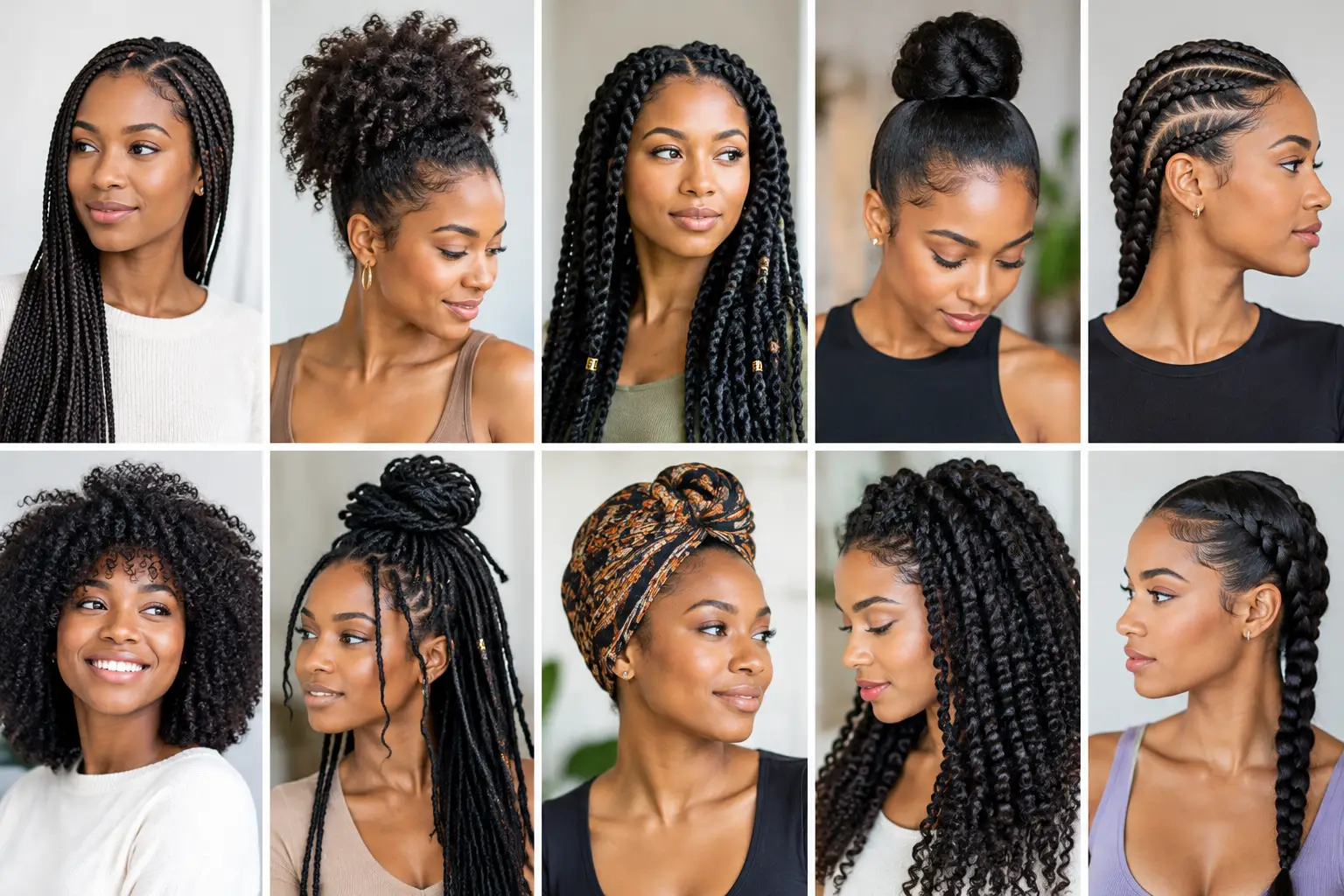

Find the best protective hairstyles for your texture, lifestyle, and comfort, with practical care tips for braids, wigs, twists, and low-tension looks.


A human hair wig can make getting ready feel familiar again – whether you wear it every day, save it for special occasions, or rely on it while your natural hair takes a break. Knowing how to wash a human hair wig properly helps preserve that soft movement, natural shine, and comfortable fit you chose it for. The goal is not to wash it as often as your own hair. It is to clean it gently, without rough handling that can dry out the hair or strain the cap.
Most human hair wigs need washing after about 8 to 10 wears. That timing can change depending on your lifestyle. If you use styling products, wear your wig in humid weather, exercise in it, or notice buildup around the hairline and nape, it may need attention sooner.
Washing too frequently can leave human hair feeling dry, especially if it has been colored, highlighted, or chemically processed. On the other hand, waiting too long allows oils, sweat, and product residue to dull the hair and make styling harder. Let the hair tell you what it needs. When it has lost its bounce, feels coated, or no longer moves naturally, it is usually time for a wash.
Before you begin, make sure the wig has cooled completely if you have used hot tools. Never shampoo a wig while it is still warm from curling or straightening.
Set up your space before wetting the hair. A clean sink or basin, cool-to-lukewarm water, sulfate-free shampoo, a moisturizing conditioner, a wide-tooth comb, and a clean towel are enough for most washes. Choose products designed for human hair or gentle salon-quality formulas that do not contain harsh cleansing agents.
Avoid very hot water. It may feel relaxing, but it can lift the cuticle, fade color faster, and create dryness. Hot water can also affect the shape and longevity of certain cap constructions, including lace-front and hand-tied wigs.
If the wig has a lace front, delicate hand-tied areas, or a custom cap, handle it with extra care. These pieces are beautifully natural-looking because of their detailed construction, but they should never be scrubbed, twisted, or pulled while wet.
Place the wig on a wig stand if possible, or hold it securely at the cap. Begin at the ends and gently work upward with a wide-tooth comb or a wig brush made for human hair. Take your time with knots around the nape, behind the ears, and at the ends.
Do not force a snag. Instead, hold the hair above the knot to reduce tension on the cap, then gently separate the strands. Detangling first prevents knots from tightening once water is added.
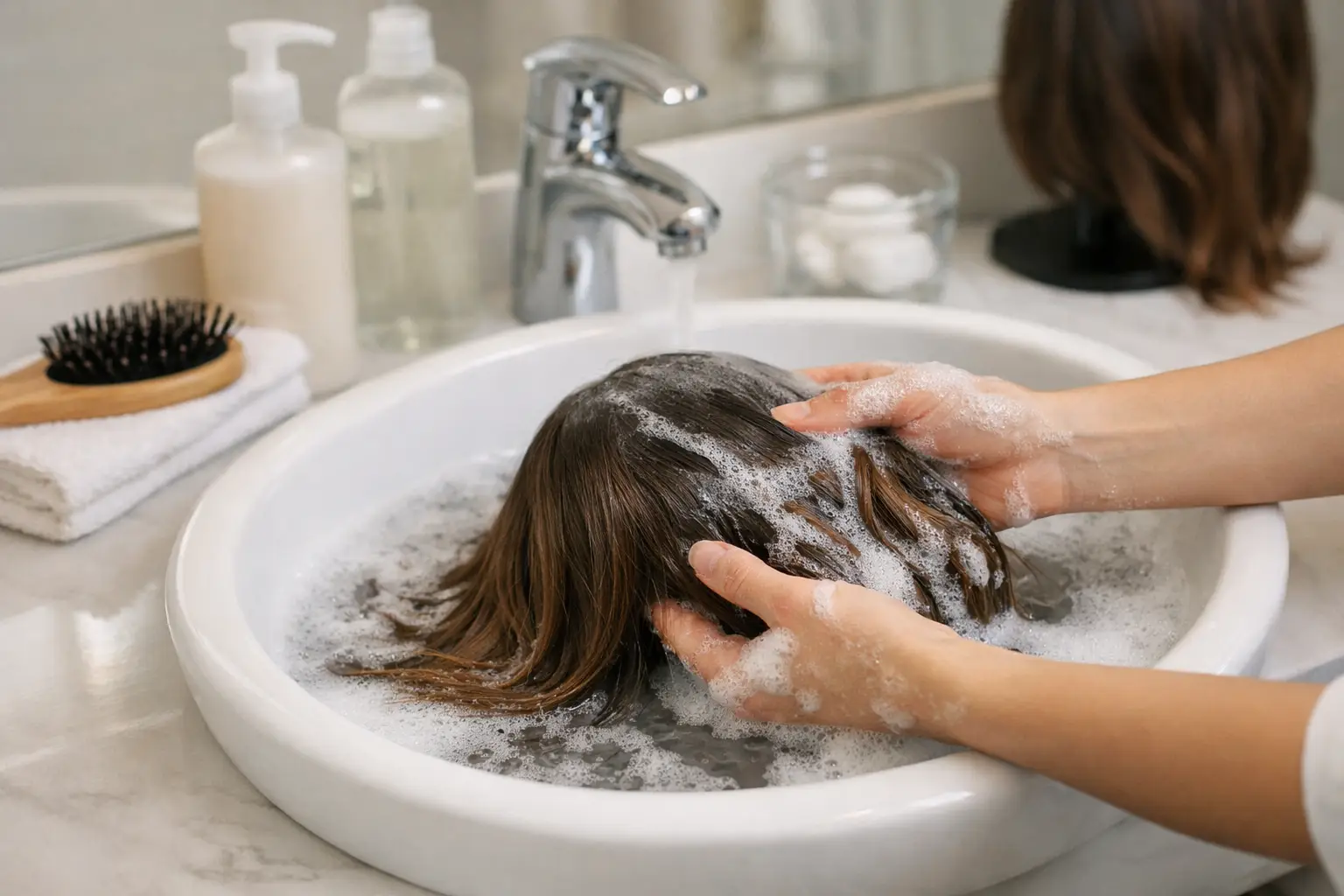
Fill your sink with cool-to-lukewarm water, or hold the wig under a gentle stream. Keep the hair flowing in the same direction from roots to ends. For a lace-front wig, avoid soaking or rubbing the lace area unnecessarily.
Do not bunch the hair into your hands or swirl it around in the water. That motion can cause tangling, particularly with longer lengths, curly styles, and wigs that have been layered or highlighted.
Apply a small amount of sulfate-free shampoo to your palms and distribute it through the hair with downward strokes. Concentrate on areas where residue collects, such as the crown, hairline, nape, and around the ear tabs.
Use your fingertips, not your nails, to lightly cleanse the cap. Think of it as smoothing the shampoo through the hair rather than scrubbing it. If your wig has heavy product buildup, shampooing twice may help, but keep both washes gentle and brief.
Rinse thoroughly with cool-to-lukewarm water until the water runs clear. Leftover shampoo can make the hair feel stiff or dull after drying.
Apply conditioner from the mid-lengths through the ends. The ends are the oldest and most vulnerable part of the hair, so they usually need the most moisture. A rich mask can be helpful when the wig feels dry, but use it occasionally rather than at every wash unless the hair needs intensive hydration.
Avoid applying heavy conditioner directly to the roots, knots, lace, or inside of the cap. Product buildup in these areas can weigh down the style and may affect how securely the wig sits. Let the conditioner rest for a few minutes, then rinse completely.
After rinsing, hold the wig upright and gently press out excess water. Place it on a clean towel and blot the hair in sections. Do not twist, wring, or rub the hair with the towel. Friction is one of the quickest ways to create frizz, tangles, and uneven texture.
For a curly or wavy human hair wig, gently scrunch the curl pattern upward with the towel rather than pulling the hair straight. This helps the texture dry in a more defined, natural shape.
Place the wig on a stand that supports the cap without stretching it. Air-drying is often the gentlest option, especially for lace-front, hand-tied, or custom wigs. Shape the part while the hair is damp and use a light leave-in conditioner or detangling spray only if needed.
If you prefer a smooth blowout, let the wig air-dry until it is partly dry first. Then use a blow dryer on low or medium heat with a heat protectant. Human hair wigs can usually be curled, straightened, and styled much like natural hair, but repeated high heat will gradually reduce softness and shorten the life of the hair.
A good rule is to use the lowest heat setting that gives you the result you want. If you wear your wig often, rotating between heat styling and heat-free styles can make a noticeable difference over time.
The most common mistake is treating a human hair wig exactly like hair growing from the scalp. Your natural scalp produces oils that help replenish your hair. A wig does not have that natural source of moisture, so it needs a gentler routine and thoughtful conditioning.
Avoid sleeping in a wet wig, putting it away before it is fully dry, or brushing it aggressively while soaking wet. These habits can lead to tangling, odor, and unnecessary shedding. Also avoid regular household detergents, clarifying shampoos unless specifically needed, and products with a high alcohol content that can leave hair brittle.
If you wear adhesive, tape, or a wig grip, clean the cap according to the attachment method before storing the wig. Keeping the inside of the cap fresh matters just as much as keeping the hair beautiful. A clean cap feels more comfortable against the scalp and helps your wig sit naturally at the hairline.
At-home washing works well for routine maintenance, but some wigs need more specialized attention. Consider professional care when the hair is severely tangled, has lost its shape, needs a color refresh, or has cap damage. This is especially true for custom wigs, hand-tied pieces, and wigs with lace that needs repair or careful ventilation work.
Professional wig care can also be a reassuring choice if you are new to wearing wigs or managing hair loss. A stylist can assess the hair condition, reshape the cut, restore movement, and show you the right products and techniques for your specific piece. Hair A La Mode offers personalized wig support for clients who want help maintaining a natural-looking, comfortable result.
Your wig is part of how you present yourself, but it should also feel easy to live in. Wash it patiently, give it time to dry properly, and treat small changes in texture as a cue for care. That gentle routine helps every wear feel polished, soft, and confidently your own.
Find the best protective hairstyles for your texture, lifestyle, and comfort, with practical care tips for braids, wigs, twists, and low-tension looks.

Learn how to remove wig adhesive gently, protect your skin and hairline, and clean your lace wig for a comfortable, confident next wear at...

Do wigs cause headaches? Learn how fit, pressure, heat, and styling affect comfort, with practical ways to wear your wig pain-free every day with...
