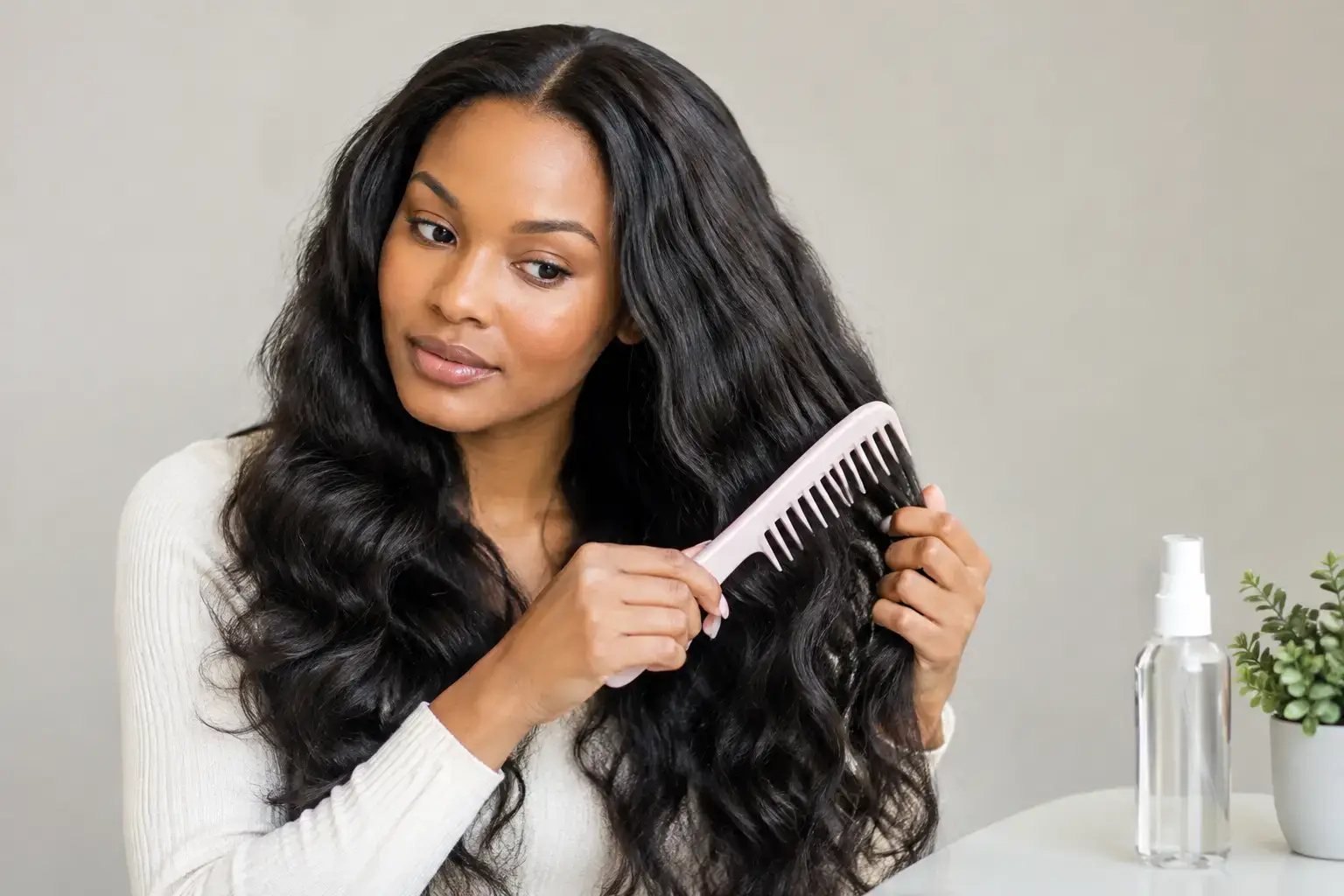

Learn how to fix wig frizz safely with simple care steps for synthetic and human hair wigs, plus signs it is time for a...


A little more fullness at the crown can change how you feel when you catch your reflection. But when comparing partial wigs versus toppers, the right choice is not simply about adding hair. It is about where you need coverage, how you want your style to move, and what feels comfortable enough to wear with confidence.
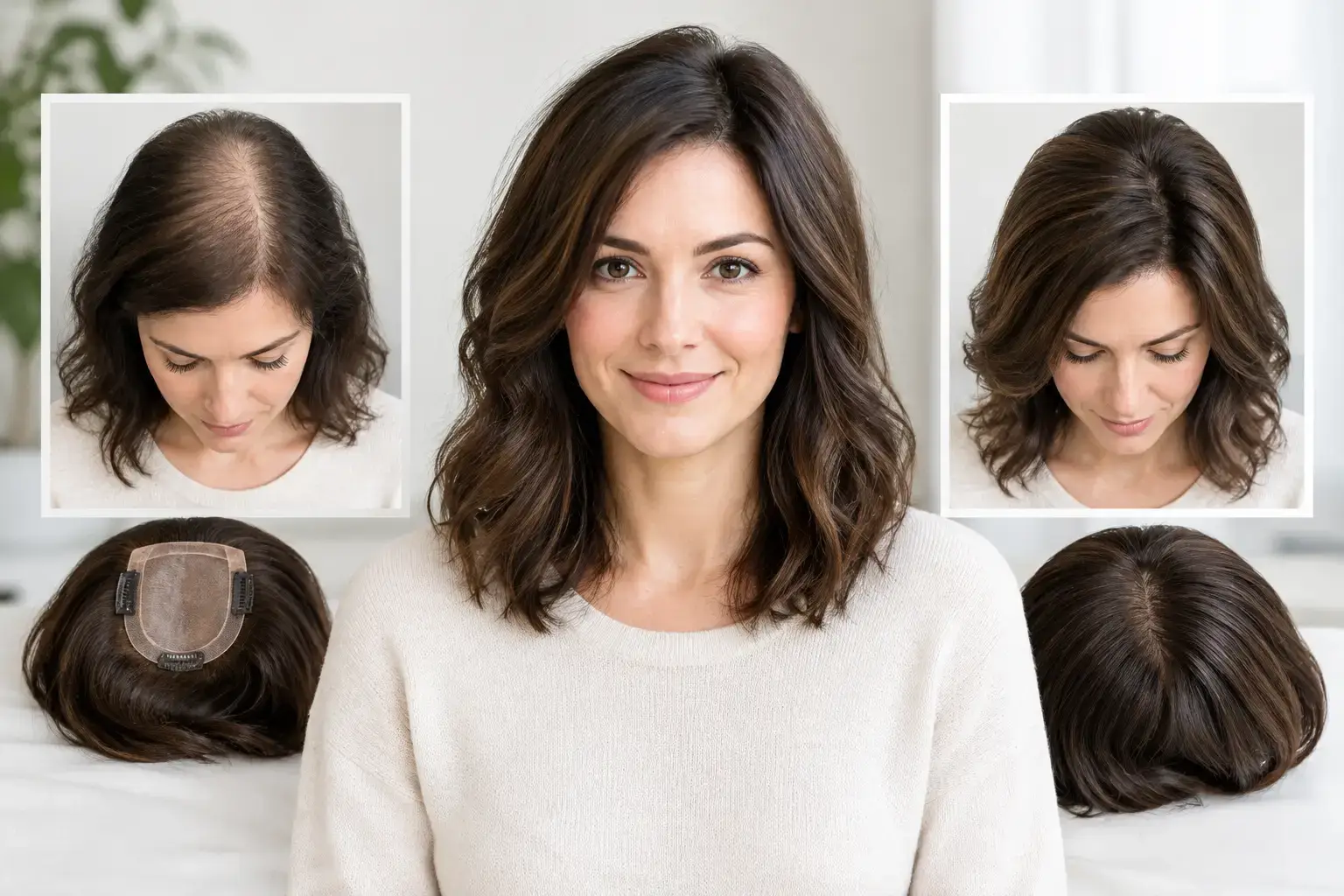
Both options can create a beautifully natural result without the commitment of a full wig. They do different jobs, though. A partial wig generally delivers broader coverage and more overall volume, while a topper is designed to address thinning in a specific area, often at the top of the head.
The most useful question is not which piece looks better. A properly selected and fitted partial wig or topper should look like it belongs to you. The question is where your natural hair needs support.
If your concern is concentrated around your part, crown, or the top of your head, a topper may give you the targeted coverage you want while allowing much of your own hair to remain visible. If you are experiencing more diffuse thinning, want extra body through the back, or prefer a bigger style change, a partial wig may offer the more complete effect.
Your desired styling routine matters too. Some clients want a piece they can quickly clip in before work. Others want fuller hair for dinners, events, vacations, or daily wear without spending time teasing and camouflaging sparse areas. There is room for both approaches.
A partial wig covers a larger section of the head than a topper but leaves some of your natural hair out. Depending on the design, it may be called a half wig, three-quarter wig, band-fall wig, or integration-style piece. It can add density from the crown through the back of the head, extend the look of your natural hair, or create a fuller ponytail or loose style.
Many partial wigs are secured with combs, clips, adjustable bands, or a combination of these features. Band-fall wigs are especially helpful when you want volume and length while leaving the front hairline visible. You can blend your own bangs, part, or front section over the piece for a personal, natural finish.
A partial wig can be a strong option if your hair is thin throughout rather than in one isolated spot. It is also useful if you want more length and volume at the same time, or if your hair has been affected by heat damage, chemical processing, breakage, or a difficult grow-out phase.
Because it covers more area, a partial wig can reduce the daily effort of trying to create fullness with styling products alone. It can also be a protective choice when you need a break from frequent heat styling. The trade-off is that blending and placement may take a little practice, particularly if you want the transition at the front to be invisible.
A hair topper is a smaller hairpiece made to cover a targeted area of thinning. It usually sits at the crown, along a widening part, or over the top of the head. Toppers come in different base sizes, lengths, densities, colors, and cap constructions, so the best choice depends on the amount and location of hair loss.
Most toppers attach with pressure-sensitive clips that secure to your existing hair. Some feature a lace front for a softer hairline effect, while others have a silk or monofilament top designed to make the scalp area look more natural. A well-matched topper should blend into your own hair instead of looking like a separate layer placed on top.
A topper is often ideal when you still have enough healthy hair around the application area to anchor clips comfortably. It can give immediate coverage to a thin crown without covering the entire head, which many first-time wearers appreciate.
It also preserves flexibility. You may still wear your own hair down, add soft curls, create a low ponytail, or choose a half-up style, depending on the topper’s base size and length. For someone who likes their current haircut but wants the appearance of a fuller part and crown, a topper can feel like a very natural next step.
That said, clip placement matters. If your hair is extremely fine, fragile, or actively shedding, clips may not be the most comfortable or secure starting point. A consultation can help determine whether a topper, a banded partial wig, or another hair solution is kinder to your natural hair.
The biggest difference is coverage. A topper focuses on the top of the head, while a partial wig supports a larger area and can provide fullness through the sides, back, or lengths. This affects not only the finished look but also how the piece feels and how you style it.
Attachment is another important distinction. Toppers commonly rely on clips placed around the base. Partial wigs may use clips and combs, but many styles also include adjustable straps or headbands that distribute support differently. If scalp sensitivity is a concern, the construction of the cap deserves just as much attention as the color and length.
Blending is different as well. A topper needs to match your natural hair closely because your own hair remains visible around all sides of the base. With a partial wig, you may have more coverage to work with, but you still need a flattering blend at the hairline, temples, and underneath. A professional trim, layering, or light styling can make a meaningful difference in how naturally either option wears.
More hair is not always better. A topper with a base that is too small may not cover the thinning area, but one that is too large can be harder to blend or secure. Similarly, overly dense hair can look disconnected from fine natural hair, while too little density may not provide the confidence-building coverage you hoped for.
Color matching is about more than choosing brunette, blonde, black, or red. Look at the depth at your roots, the warmth or coolness of your mid-lengths, highlights, lowlights, and any gray blending. Human hair pieces can often be professionally cut, toned, or colored for a closer match. Synthetic options offer convenient, ready-to-wear color and style retention, although heat styling must always follow the manufacturer’s guidance.
Length should work with your current haircut and your lifestyle. A topper that ends at a completely different point than your own hair may require layering for a smooth blend. A partial wig can create more freedom to change your overall silhouette, but it should still complement your face shape and daily styling habits.
Online shopping can be convenient when you already know what cap size, base size, color, and fiber work for you. If you are new to alternative hair, an in-person try-on can remove much of the guesswork. You can see how the piece looks in natural movement, test whether clips feel secure, and learn how to place it without pulling or tension.
At Hair A La Mode, private consultations can help you compare coverage options in a supportive setting. A specialist can assess your thinning pattern, suggest a realistic density, customize the cut, and explain care based on whether you choose human hair or synthetic hair.
Do not ignore comfort after the first few minutes. A piece should feel stable, but it should not cause headaches, sharp pressure, or ongoing pulling. If it shifts, feels too tight, or does not blend well at home, it may need an adjustment rather than more forceful clipping.
Remove clip-in pieces gently, one clip at a time. Avoid tugging from the lengths, and do not sleep in a topper or partial wig unless it was specifically designed for extended wear. Brush from the ends upward with a suitable brush or wide-tooth comb, especially before washing.
Human hair pieces benefit from salon-quality, sulfate-free care and careful conditioning. Synthetic fibers need products made for synthetic hair and should be kept away from high heat unless the piece is heat friendly. Regular professional maintenance can refresh the cut, restore shape, replace worn clips or combs, and address cap concerns before they become uncomfortable.
If you are dealing with sudden or significant shedding, scalp irritation, or changes in your hair growth, seek guidance from a qualified health professional alongside exploring hair solutions. A beautiful hairpiece can support your confidence while you get answers about what your hair needs.
The best choice is the one that lets you leave the mirror feeling like yourself – only with the coverage, volume, and ease you have been missing.
Learn how to fix wig frizz safely with simple care steps for synthetic and human hair wigs, plus signs it is time for a...
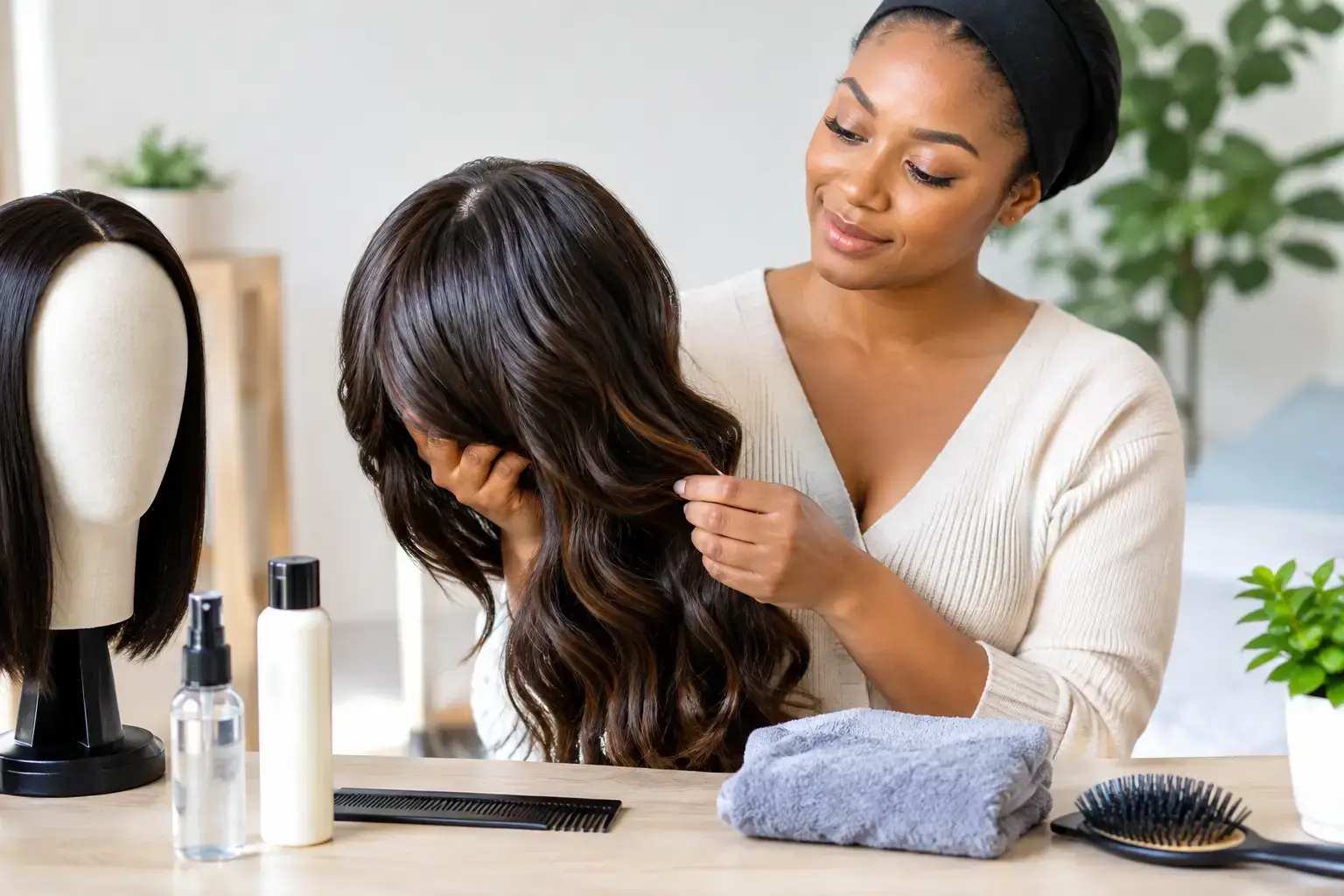
Get practical synthetic wig care tips for washing, detangling, storing, and heat styling so your wig stays comfortable, polished, and natural-looking, too.

Protective style trends favor lighter tension, flexible wear, and natural finishes. Find a comfortable look that supports hair health and daily confidence.
