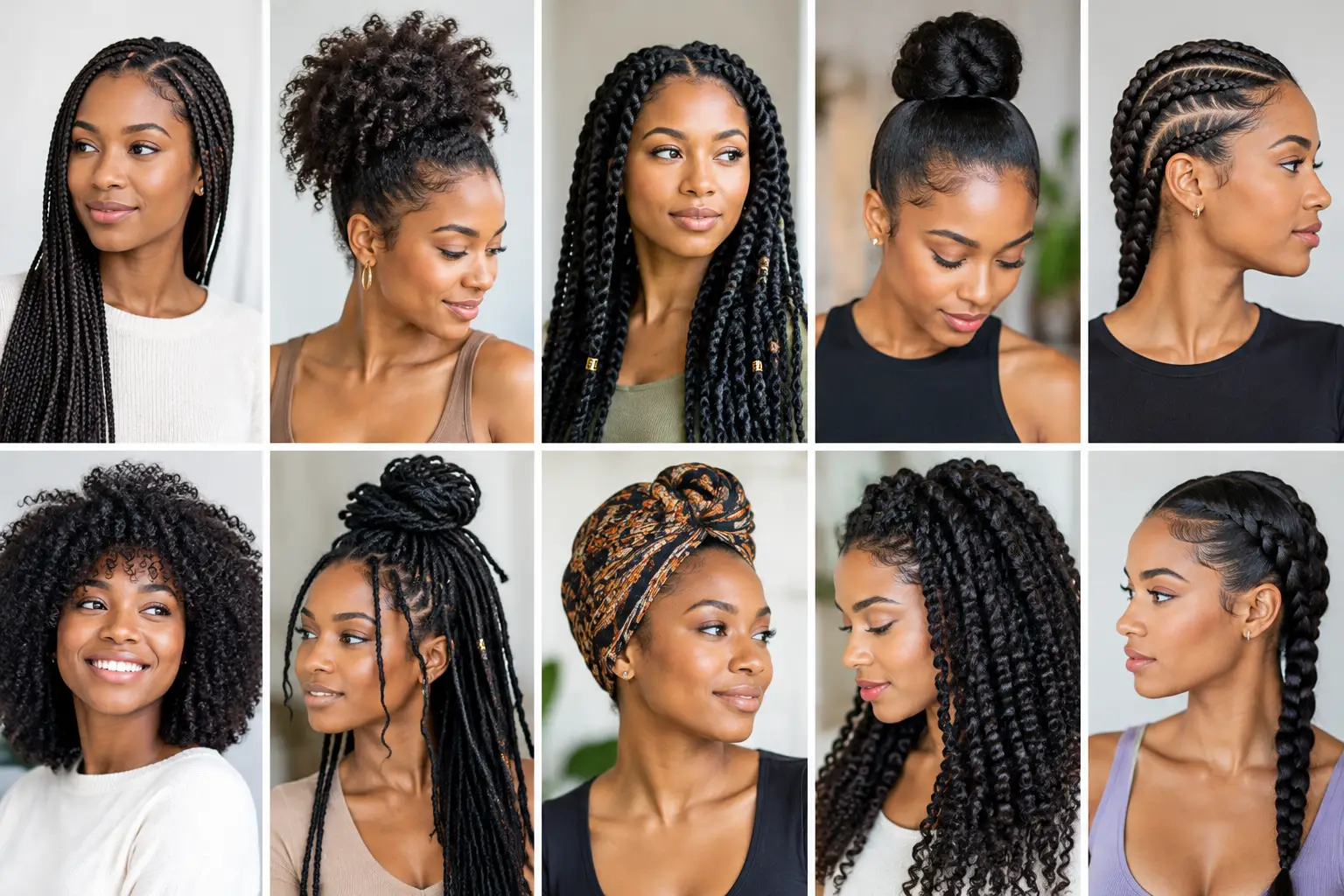

Find the best protective hairstyles for your texture, lifestyle, and comfort, with practical care tips for braids, wigs, twists, and low-tension looks.


A wig should feel like part of your routine, not a compromise. This wig materials guide is designed to help you understand what you are wearing, how it will behave, and which option best supports your comfort, style, and confidence.
The right material depends on more than the look you want on day one. Your schedule, styling habits, climate, budget, and sensitivity to weight or heat all matter. A polished, natural-looking result comes from choosing the right hair fiber and pairing it with a cap construction that fits securely.
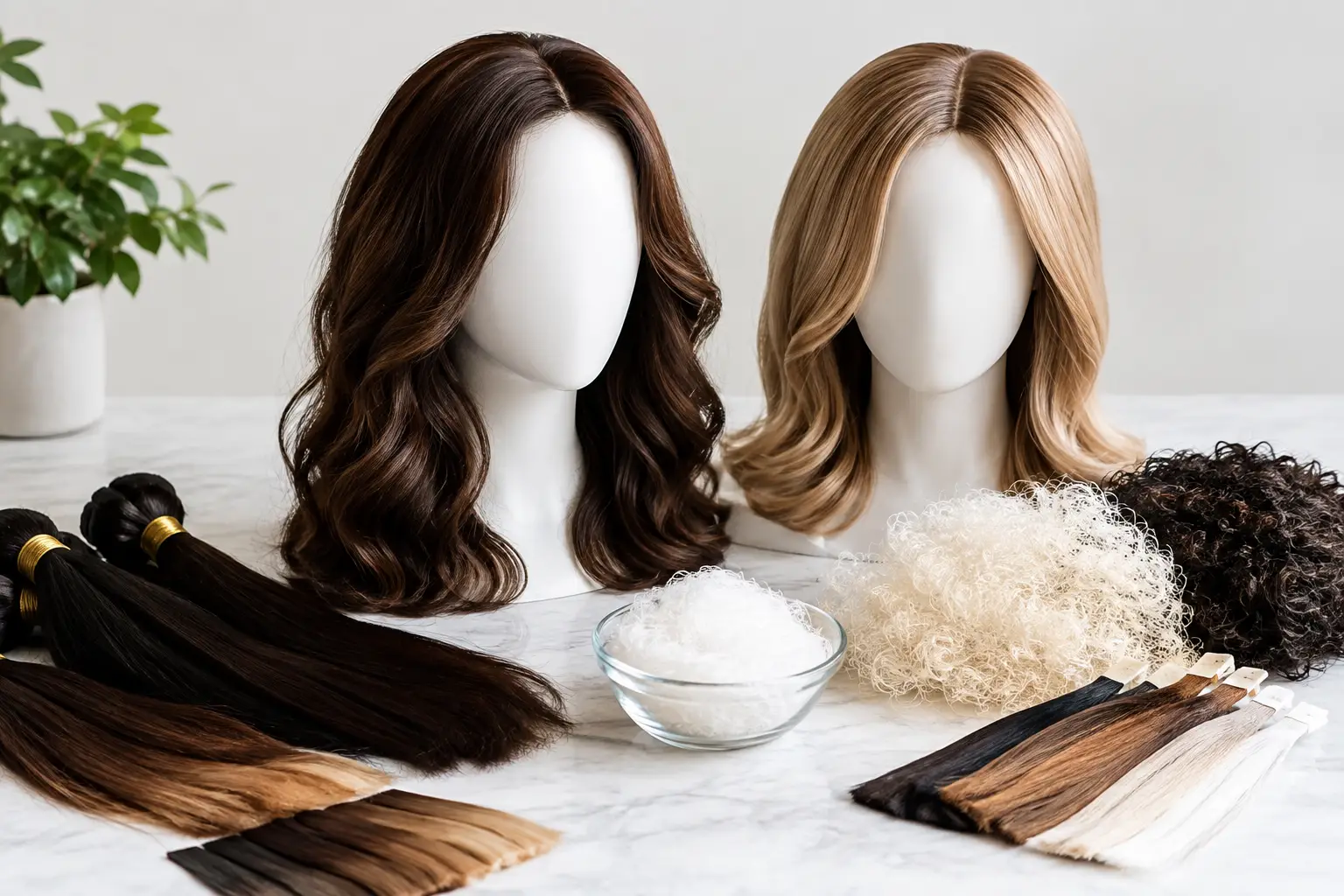
Human hair wigs offer the closest movement, texture, and styling freedom to growing hair. They can be cut, curled, straightened, blow-dried, and often colored by a professional. For someone who enjoys changing her look or wants a wig that can be styled around work, events, and everyday life, human hair offers meaningful flexibility.
The quality of the hair matters. Remy human hair is aligned from root to end, helping reduce tangling and preserving a smoother appearance. Virgin hair has not been chemically processed, though the term alone does not guarantee that a wig is the best choice for every wearer. Construction, density, hairline design, and professional customization still make a major difference in the final result.
Human hair is especially appealing when you want a soft, natural finish that you can refresh over time. It responds to humidity more like your own hair, which can be a benefit if you prefer realistic movement. At the same time, that realism means it may need restyling after washing, during humid weather, or after sleeping.
It also requires a greater investment. Human hair wigs typically cost more upfront and need the same thoughtful care as natural hair: gentle shampooing, conditioning, detangling, and heat protection. If you wear your wig frequently, professional maintenance can help preserve its shape, color, and cap condition.
Human hair is a strong fit for daily wearers, people who use heat tools regularly, and anyone who wants to customize the cut or color. It can also be a good choice if you are replacing a long-term hair routine and want the option to keep styling your hair in familiar ways.
That said, more flexibility is not always more convenient. If you want a ready-to-wear style that holds its shape with minimal effort, a synthetic wig may better suit your lifestyle.
Modern synthetic wigs are not the stiff, overly shiny pieces many people remember. Quality synthetic fibers can create soft movement, realistic texture, and beautiful color dimension. Many are designed to hold their style even after washing, which makes them especially practical for busy mornings, travel, or occasional wear.
A synthetic bob, layered style, or curled wig can look polished with very little styling. After proper washing and air-drying, the fiber generally returns to its original pattern. This is one of synthetic hair’s greatest advantages: it offers consistency without requiring a blowout or curling session each time.
The trade-off is limited styling flexibility. Traditional synthetic fiber can be damaged by heat from flat irons, curling irons, ovens, or even a hot blast from a dryer. It should be cared for with products made specifically for synthetic hair, since regular hair products can leave buildup or weigh down the fiber.
Synthetic wigs also have a shorter wearable lifespan than well-maintained human hair wigs, especially when worn daily. Friction around the nape, collar, and shoulders can eventually create tangling or fraying. The exact timeline depends on the fiber quality, length, how often it is worn, and how carefully it is maintained.
Heat-friendly synthetic wigs provide a middle ground. Their fibers can tolerate low heat, allowing you to smooth, curl, or reshape the style with the correct tools and temperature. They are useful for wearers who want a synthetic wig’s convenience but may occasionally want a different finish.
However, heat-friendly fiber needs more attention than standard synthetic hair. It may not automatically return to its original style after washing, and over-styling can shorten its life. Always use low heat and follow the manufacturer’s guidelines. If you are unsure, having the wig professionally styled is the safer choice.
Some wigs combine human hair with synthetic fibers. These blends can offer a natural softness while helping the style retain its shape longer. They may also be more budget-friendly than a fully human hair wig.
Blends can work beautifully, but care instructions are not universal. Because two materials react differently to heat, moisture, and styling products, you should treat the wig according to its specific fiber blend. A stylist can help you determine what is safe before you wash, color, or heat-style it.
The hair fiber gets most of the attention, but the cap is what determines how a wig feels throughout the day. A beautiful wig that feels itchy, slides back, or fits too tightly will not give you the confidence you deserve.
Basic machine-made caps are durable and often more affordable. They can provide good volume and are a practical choice for fashion wigs or occasional wear. Open-wefted caps allow more airflow, which can feel lighter and cooler for many wearers.
Lace front wigs use a sheer lace panel along the hairline to create the appearance of hair growing from the scalp. When fitted and trimmed correctly, they can create a very natural front hairline, particularly with styles worn away from the face. They do require gentle handling because lace is delicate.
Monofilament tops are made to mimic the look of a natural scalp. Individual hairs are often tied into the material, allowing the hair to move more freely and making it possible to part the wig in different directions. This construction can be especially valuable for people experiencing hair loss who want a realistic part and a softer feel against the scalp.
Hand-tied caps are among the lightest and most natural-moving options. Each hair is individually attached, so the wig moves beautifully and can be comfortable for sensitive scalps. Because this work is detailed and time-intensive, hand-tied wigs are usually a higher investment.
Start with how often you plan to wear your wig. For daily wear, comfort, secure fit, and ease of maintenance should carry as much weight as color and length. If you want a style for special occasions, a synthetic wig may give you a finished look at a more accessible price point.
Think about your styling habits, too. If you love a sleek straight style one week and loose waves the next, human hair gives you more freedom. If you prefer to put on a wig, adjust it, and go, a quality synthetic style may feel more practical.
Climate can influence your decision. Human hair can respond to humidity, while synthetic hair tends to hold its style better in damp conditions. On the other hand, synthetic fiber can feel warm near the neck in hot weather, especially with longer styles. Cap ventilation and wig length can help make a difference.
No wig material is maintenance-free. Detangle gently from the ends upward, store your wig on a stand or in its original packaging, and avoid sleeping or showering in it unless it is specifically designed for that use. Keep friction in mind, particularly with long hair, scarves, collars, and car headrests.
Human hair benefits from moisture, conditioning, and heat protection. Synthetic hair needs synthetic-safe products and should be kept away from heat unless labeled heat-friendly. When a wig begins to look tired, do not assume it needs to be replaced. A professional can often refresh the cut, restore the style, replace clips or combs, adjust the fit, or repair parts of the cap.
At Hair A La Mode, a private consultation can make the decision feel much easier. Trying on different materials and cap styles lets you notice details that are difficult to judge online, including weight, hairline appearance, density, and how the wig feels against your scalp.
Choose the material that supports the life you actually live. The best wig is the one you feel comfortable reaching for, wearing proudly, and making completely your own.
Find the best protective hairstyles for your texture, lifestyle, and comfort, with practical care tips for braids, wigs, twists, and low-tension looks.
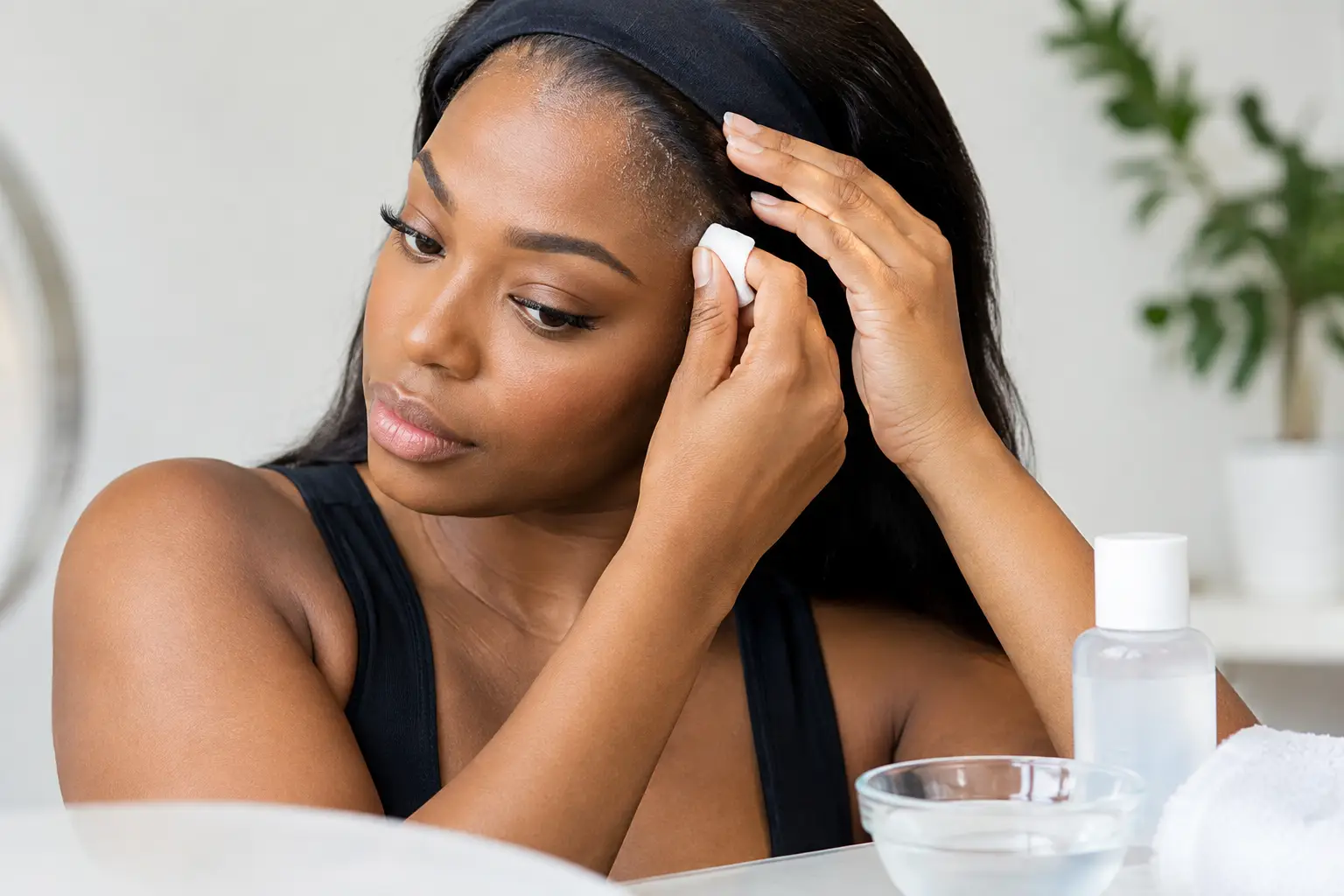
Learn how to remove wig adhesive gently, protect your skin and hairline, and clean your lace wig for a comfortable, confident next wear at...

Do wigs cause headaches? Learn how fit, pressure, heat, and styling affect comfort, with practical ways to wear your wig pain-free every day with...
