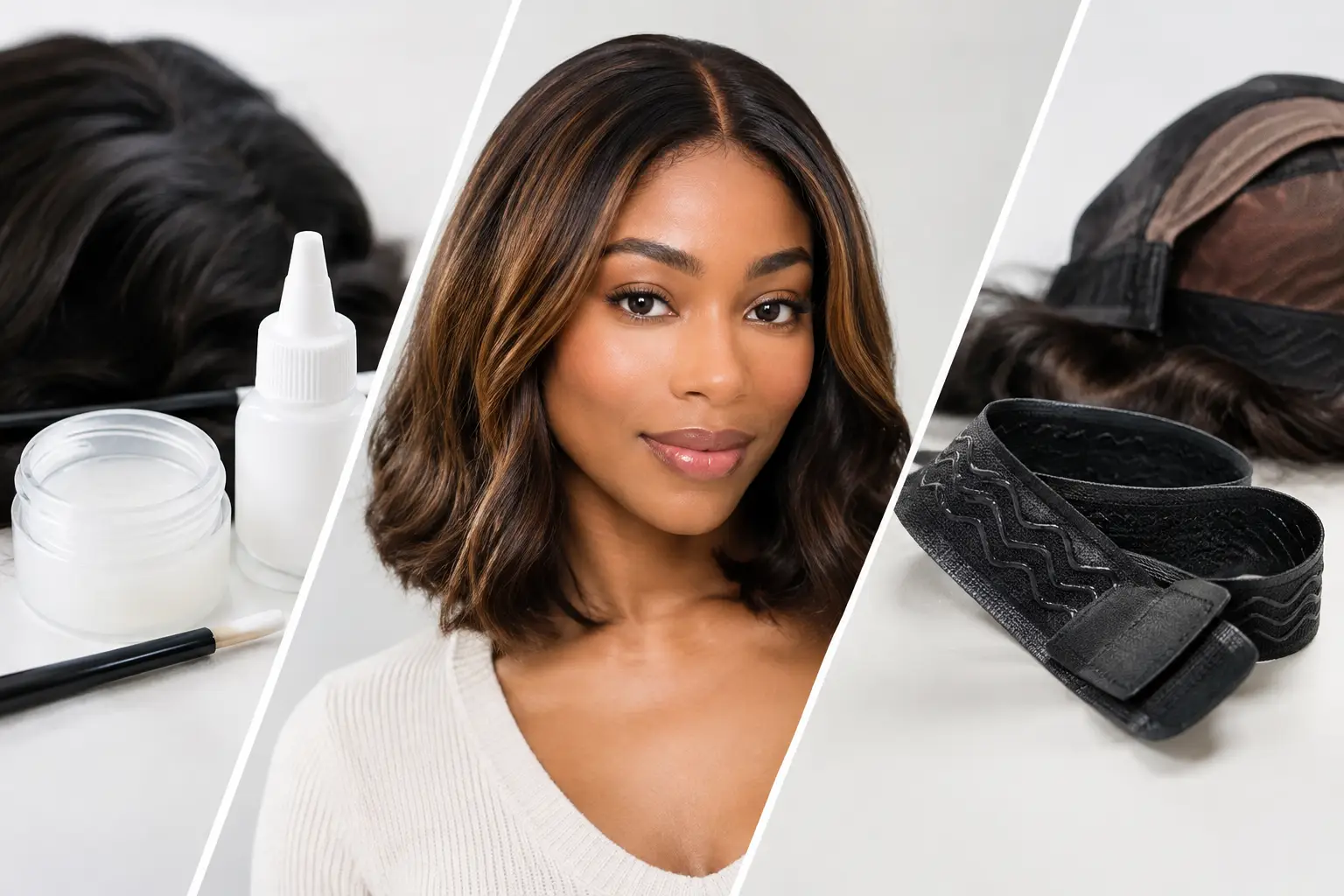

Wig glue versus wig grips comes down to comfort, hold, skin sensitivity, and lifestyle. Learn which option fits your routine with confidence at home...


A wig can be beautifully made and still not feel like it belongs to you. The right wig alteration service guide starts with that truth: fit, comfort, and styling are what turn a wig from a hairpiece into a personal hair solution. Whether your wig feels loose at the nape, bulky around the ears, too long for your face shape, or simply unlike the style you pictured, professional alterations can make a meaningful difference.
At Hair A La Mode, alterations are approached with care for both the wig and the person wearing it. The goal is not to force every wig into the same shape. It is to create a natural-looking result that feels secure, comfortable, and true to your style.
Most wigs do not come out of the box ready for every wearer. Even adjustable caps have limits, and a standard factory cut rarely accounts for your forehead, hairline, head shape, glasses, lifestyle, or preferred styling routine.
A wig may need professional attention if it shifts when you turn your head, creates pressure points, rides up at the back, or leaves excess material around the crown. You may also want an alteration if the bangs sit too heavily, the length overwhelms your features, the part looks too defined, or the style feels too full for everyday wear.
Alterations are also useful for wigs you already love but have worn often. Elastic can stretch, clips can loosen, combs can break, and the cap may become less supportive over time. Repairing the structure can extend the life of a quality human-hair wig or a favorite synthetic style.
A good alteration begins with an in-person assessment whenever possible. The stylist should look at the wig on your head, not only on a mannequin. A cap that appears balanced on a display stand can sit very differently once it meets your natural contours, your own hair, or a smooth scalp.
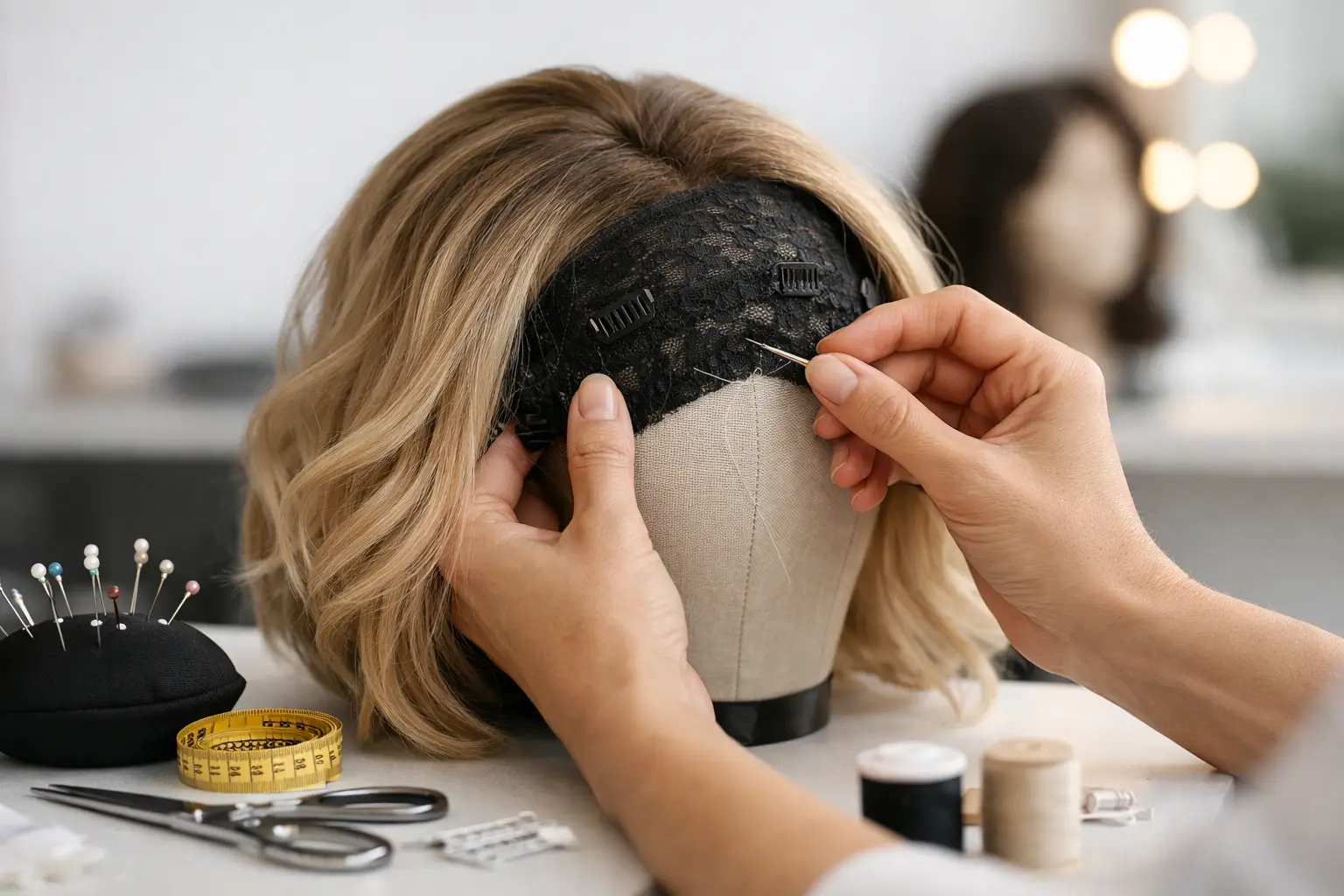
If a wig feels too large, the answer is not always to tighten the built-in adjusters as far as they can go. Over-tightening can create bunching at the nape or make the cap feel uneven. Depending on the construction, a professional may adjust elastic, take in sections of the cap, or add a wig grip band for more reliable hold.
For a wig that feels too small, the options depend on the cap construction and how much room is needed. Some wigs can be modified carefully, while others may not have enough material to safely enlarge. This is one reason a consultation matters: an experienced wig specialist can tell you what is realistic before any work begins.
Clips and combs can also be added, moved, or replaced. These details are particularly helpful for wearers who have enough hair to anchor the wig, but they are not right for everyone. If you are experiencing hair loss, scalp sensitivity, or tenderness, comfort should come before extra attachment points. A soft wig grip, silicone support, or a different cap style may be a better choice.
The wig cap should sit in the right position before the hair is cut or styled. If it is placed too far forward or too far back, even a perfect trim may look wrong. Your stylist can help establish where the front hairline should rest and check that the ear tabs and nape sit comfortably.
For lace-front wigs, careful trimming of the lace is essential. Too much trimming can weaken the edge or make the hairline harder to blend. Too little can leave visible lace that lifts or folds. This is precise work, especially when you want a discreet finish without relying heavily on adhesive.
Once the cap feels secure, the hair itself can be shaped to suit you. This may include trimming the length, softening layers, reshaping bangs, thinning excess density, or adjusting the face-framing pieces. These changes often make a ready-made wig look far more personal.
A common request is to make a wig look less “wiggy.” Usually, that does not mean the wig needs to be drastically cut. It may mean reducing bulk around the ends, breaking up a blunt line, or moving the part slightly so the style falls more naturally around the face.
Bangs deserve special attention. They should be cut while you are wearing the wig because the final length changes based on where the cap sits. A fringe that looks flattering when brushed straight down may need a softer, side-swept finish for daily wear. If you wear glasses, let your stylist know. The pieces around the temples may need to be shaped so they do not catch beneath the frames.
Human-hair wigs offer the most flexibility for restyling. They can often be cut, blow-dried, curled, and colored by a professional, much like natural hair. Still, they require thoughtful processing. Hair that has already been colored or lightened may not tolerate another major color change without dryness or breakage.
Synthetic wigs have different limits. Many are designed to hold their style and should not be treated with standard hot tools unless the fiber is specifically heat-friendly. Cutting and reshaping are possible, but color changes, chemical processing, and heat styling must be handled with caution. A specialist can help you decide whether altering the existing wig is the best choice or whether another style would serve you better.
A damaged wig is not always a lost cause. Many repairs are practical and worthwhile when the hair quality is still good and the style continues to suit you. Cap repair may involve replacing torn sections, securing loose wefts, reinforcing stretched areas, or repairing worn seams.
Hardware replacements are another common service. Clips, combs, adjustable straps, and wig-grip bands all work hard over time. When one piece fails, the wig may no longer feel safe to wear even if the hair still looks beautiful. Replacing that component can restore comfort and confidence.
More advanced work may include cap replacement or hand-tied top hair ventilation. Ventilation is a detailed technique used to add or replace individual hairs in areas where density has thinned, especially around a part or crown. It is a skilled repair, and whether it makes sense depends on the age, condition, and value of the wig.
Before approving a repair, ask for an honest assessment. Sometimes a simple repair is a smart investment. Other times, extensive work on a heavily worn synthetic wig may cost more than it is worth. The best recommendation is one that respects your budget while giving you a result you will actually feel good wearing.
Wear or bring the items you normally use with your wig. If you use a wig grip, adhesive, clips, a liner, or a specific scarf or hat, they can affect how the cap sits. Bringing them helps your stylist create a fit that works in real life, not just in the salon chair.
It also helps to bring photos, but use them as a starting point rather than a strict promise. A haircut that looks effortless on one person may require a different approach on a wig because density, fiber type, cap placement, and face shape all matter. Be clear about how you plan to wear the wig: every day, occasionally, pulled back, with a hat, in humid weather, or for a special event.
If you are new to wigs, share any worries you have about visibility, slipping, heat, or comfort. Private consultations are a place to ask direct questions without feeling rushed. You do not need to know the technical names for cap types or construction methods. You only need to explain how you want to feel when you wear it.
An altered wig needs gentle care to keep its new shape. Store it on a wig stand when possible, especially after washing or styling. Use products made for the fiber type, since regular hair products can weigh down synthetic fibers or leave buildup on the cap.
Avoid repeatedly pulling on clips, lace, or the nape when removing the wig. Take it off slowly, starting with any adhesive or secure attachment method you use. If the fit changes, do not keep wearing a wig that feels painful or unstable. A small adjustment made early can prevent stress on the cap and make your daily routine much easier.
The right alteration should let you spend less time checking your reflection and more time enjoying your plans. When your wig feels secure, flatters your features, and moves naturally with you, confidence has room to take over.
Wig glue versus wig grips comes down to comfort, hold, skin sensitivity, and lifestyle. Learn which option fits your routine with confidence at home...

Find the best wigs for sensitive scalps with advice on soft caps, secure fits, fibers, care, and custom fitting for comfortable daily wear at...

Learn how to maintain extensions with gentle washing, careful brushing, smart heat styling, and professional care for soft, natural-looking hair every day.
