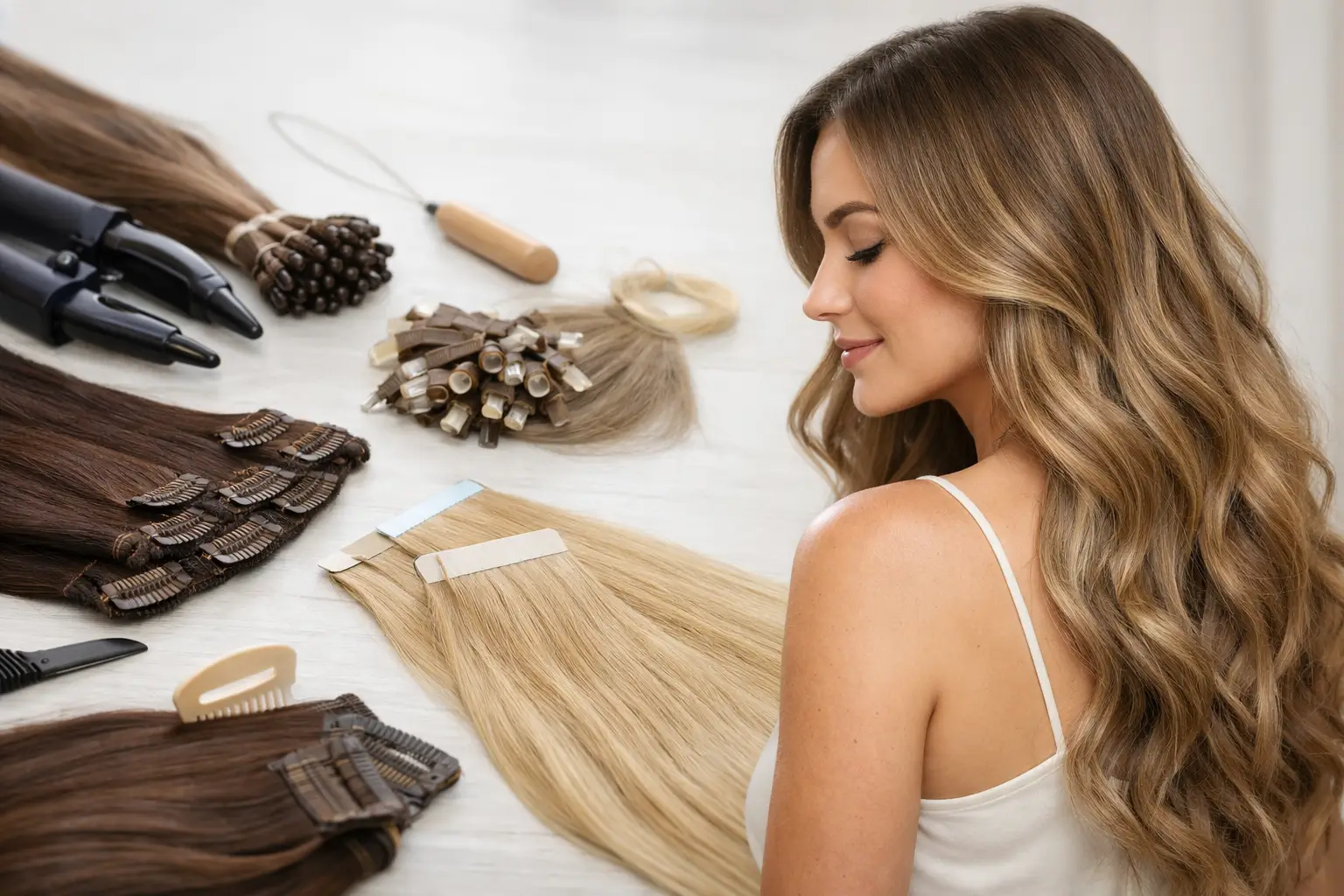

Our hair extension types guide helps you compare clips, tape-ins, sew-ins, fusion, and halos for natural-looking length, fullness, and comfort every day.


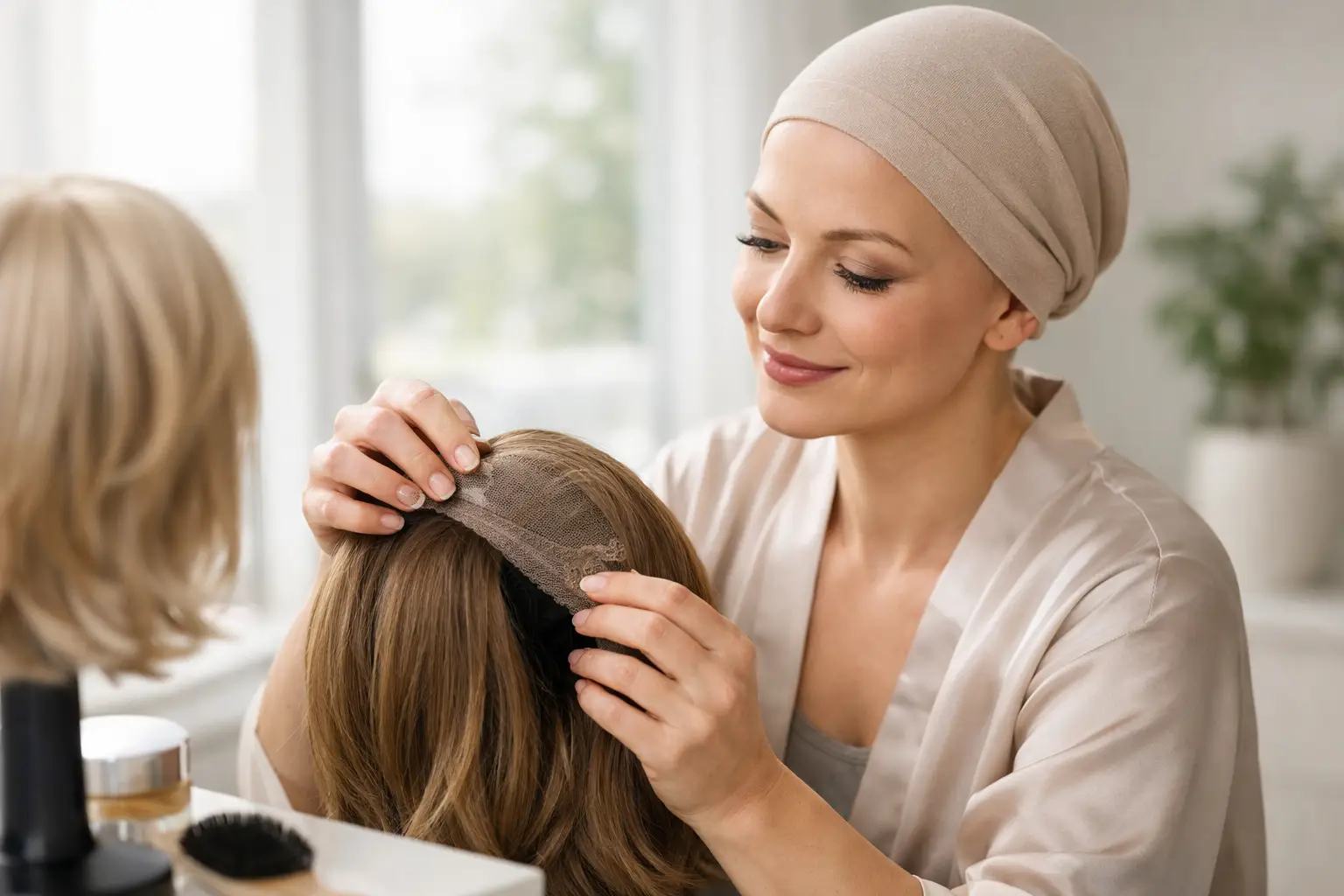
A wig can look beautiful in the mirror and still feel wrong by lunchtime. It may itch at the nape, slide at the hairline, trap heat, or leave your scalp sore after a few hours. This scalp friendly wig guide is designed to help you choose a hair solution that supports your comfort as carefully as it supports your style.
For women with thinning hair, hair loss, a sensitive scalp, or a busy routine, comfort is not an extra feature. It affects how often you wear your wig, how confidently you move through the day, and whether your new style feels like a true part of you. The right cap construction, fit, fiber, and care routine can make a noticeable difference.
Scalp sensitivity can show up in different ways. Some people feel itching or tightness as soon as they put on a wig. Others experience warmth, pressure, dryness, or tenderness later in the day. If you are wearing a wig during hair regrowth, after medical hair loss, or while managing fragile hair, your needs may change from month to month.
Pay attention to where the discomfort happens. Pressure at the temples often points to an overly tight cap or adjustable straps pulled too far. Itching around the perimeter can come from rough lace, product buildup, friction, or dry skin. Heat at the crown may mean the cap is too dense for your activity level or climate.
A wig should feel secure, not restrictive. Do not assume you need to tolerate discomfort while you “get used to it.” A small fitting adjustment, softer cap, or different attachment method may be all it takes to make wearing hair feel much easier.
The cap is the foundation of your wig. While color, length, and texture create the finished look, cap construction determines much of the day-to-day comfort.
A basic wefted cap can be a practical, affordable choice, especially for occasional wear. Open wefting allows air to circulate, which can feel cooler than a fully dense construction. However, the internal seams may not be the softest option for a very tender scalp.
Monofilament tops are often a strong choice when you want a natural-looking part and a softer feel at the crown. Individual hairs are attached to a fine material that allows the hair to move more naturally. Hand-tied caps go a step further, with hairs individually ventilated throughout the cap. They are lightweight, flexible, and especially appealing for women who want less bulk and a more natural drape.
Lace-front wigs create a realistic-looking hairline, but the lace itself should feel comfortable against your skin. Soft lace is usually gentler than firmer, more structured lace. If the edge feels scratchy, do not keep rubbing or pulling at it. A professional can assess whether the wig needs a different fit, careful trimming, or an alternative application method.
Silicone-lined caps can offer grip for people with little or no natural hair. They can be helpful when you do not want clips or combs against a bare scalp. The trade-off is that silicone may hold in more warmth, so it is best to consider your sensitivity, climate, and how many hours you plan to wear the wig.
A wig that slips is frustrating, but an overly tight wig can cause headaches, tension, and scalp irritation. The goal is stable, gentle contact around the head.
Start with accurate measurements. Most wig sizing is based on the circumference of the head, from the front hairline around to the nape. Measurements from ear to ear and from the front hairline to the nape can also reveal whether a standard cap will work or whether you may benefit from a custom size.
Adjustable straps are useful, but they should not do all the work. If you have to pull them to their tightest setting to feel secure, the cap may be too large. If the wig feels tight even with the straps loosened, you may need a larger cap or a cap alteration.
For added security, a wig grip band can be a comfortable option. It creates a layer between the wig and the scalp and helps reduce sliding without relying on tight straps. Depending on your hair and skin condition, gentle clips, combs, adhesive products, or a professionally attached grip band may also be appropriate. The best option depends on whether you have existing hair, how active you are, and how sensitive your scalp feels.
Both human hair and synthetic wigs can be scalp-friendly when the cap fits correctly and is kept clean. Your choice is more about styling habits, maintenance preferences, and the look you want.
Human hair wigs offer movement, versatility, and the ability to be styled with heat when the hair quality allows it. They can be cut, colored, and customized to suit your face shape and personal style. They do require regular washing, conditioning, and professional maintenance to prevent tangling or product buildup near the cap.
Modern synthetic wigs are often lighter to wear and easier to maintain because they hold their style after washing. They can be an excellent choice for everyday convenience, travel, or a ready-to-wear look. Standard synthetic fibers should not be exposed to heat unless they are specifically heat-friendly. Heat damage can make fibers rough, stiff, and less comfortable around the face and neck.
Density matters, too. A very full wig can look glamorous, but it may feel warmer and heavier. A lighter density can be more breathable and natural-looking, particularly when you want a wig for daily wear. During a private consultation, it is useful to try on several densities rather than judging only from photos.
A healthy scalp routine begins before you put the wig on. If you have natural hair underneath, make sure it is clean, fully dry, and laid as flat as comfortably possible. Damp hair under a cap can lead to itching, odor, and scalp irritation. Avoid tight braids or styles that create pulling at the hairline.
If you have little or no hair, cleanse the scalp gently and use products that work for your skin type. Heavy oils, thick creams, and sticky styling products can transfer to the inside of the cap. They may also make a wig grip less effective. Let any scalp product absorb fully before putting on your wig.
A soft bamboo or cotton wig liner can add a comfortable barrier for some wearers, especially during colder weather or when the scalp is tender. In warm, humid weather, though, an extra liner can feel too warm. Try it at home first and see how your scalp responds over several hours.
Do not sleep in a wig unless it is specifically designed and fitted for that purpose. Taking it off at night gives your scalp time to breathe and reduces friction at the nape and hairline.
Many wig wearers focus on washing the hair but forget that the cap sits directly against the scalp. Sweat, makeup, skincare, adhesive residue, and natural oils can collect along the perimeter and inside the cap. That buildup may cause itching and shorten the life of the wig.
How often you clean your wig depends on how often you wear it, your activity level, and the weather. A wig worn occasionally may need less frequent washing than one worn every day in South Florida heat or during an active work schedule. Between washes, gently wipe the interior perimeter with an appropriate cleanser and allow it to dry completely.
Use products made for the fiber type. Human hair wigs benefit from gentle, moisturizing products, while synthetic wigs need formulas that will not coat or weigh down the fibers. Avoid spraying heavy products directly onto the cap. If your wig uses tape or adhesive, remove residue carefully rather than scraping or pulling at the lace.
A favorite wig does not have to be replaced the first time it feels less comfortable. Stretched elastic, loose combs, damaged lace, worn cap material, and shifted grip bands can all affect the fit. Repairs and adjustments can restore security while protecting your scalp from unnecessary friction.
A professional can also resize a cap, replace clips or combs, add a wig-grip band, refresh the hairline, repair damaged lace, or restyle the hair so it falls away from sensitive areas. For women who have not found a comfortable ready-to-wear option, a custom wig can provide more control over size, density, cap construction, color, and attachment choices.
At Hair A La Mode, private wig consultations make room for the details that matter: how long you wear your wig, whether you have hair underneath, how your scalp feels, and the finish that helps you recognize yourself in the mirror.
Comfort gives a beautiful wig its staying power. Choose a cap that feels gentle, a fit that feels secure without pressure, and care habits that respect your scalp. When your hair solution feels good from morning to evening, confidence has room to show up naturally.
Our hair extension types guide helps you compare clips, tape-ins, sew-ins, fusion, and halos for natural-looking length, fullness, and comfort every day.
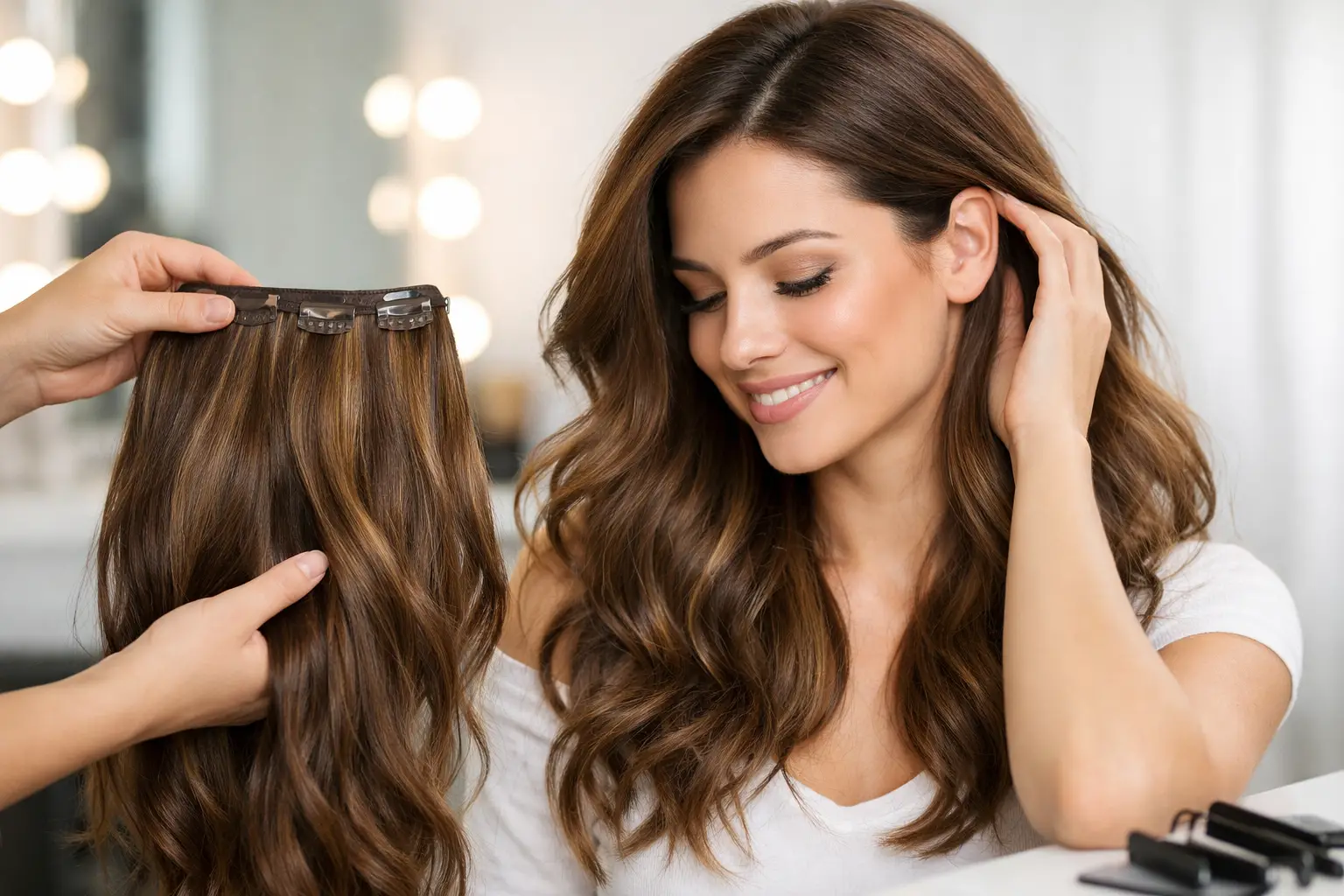
Choose hair extensions for fullness, length, and confidence. Learn how to match type, texture, color, and care to keep your style natural and comfortable.
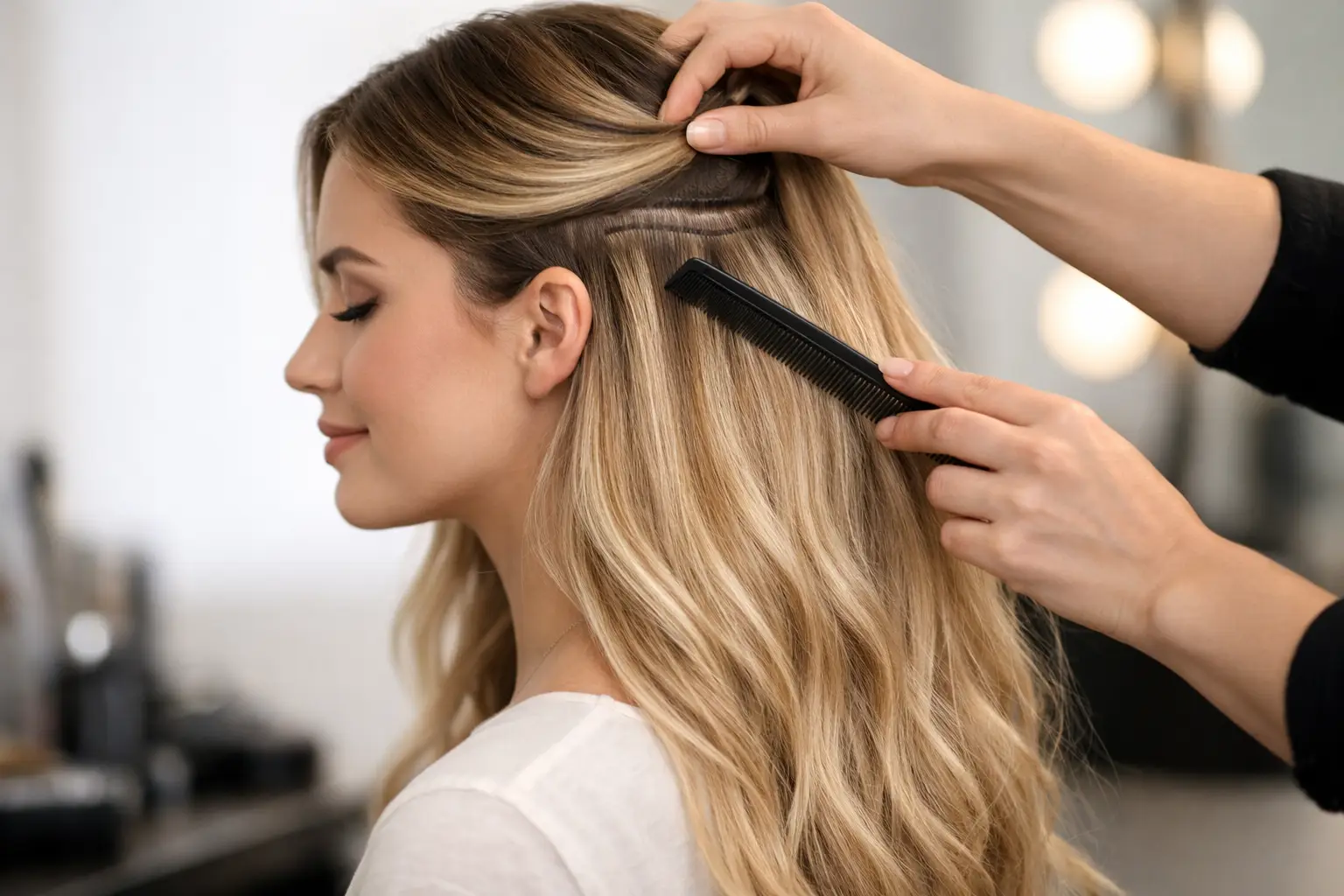
Learn how to blend extensions for natural-looking length and fullness with smart color matching, layering, placement, styling, and easy care tips at home.
