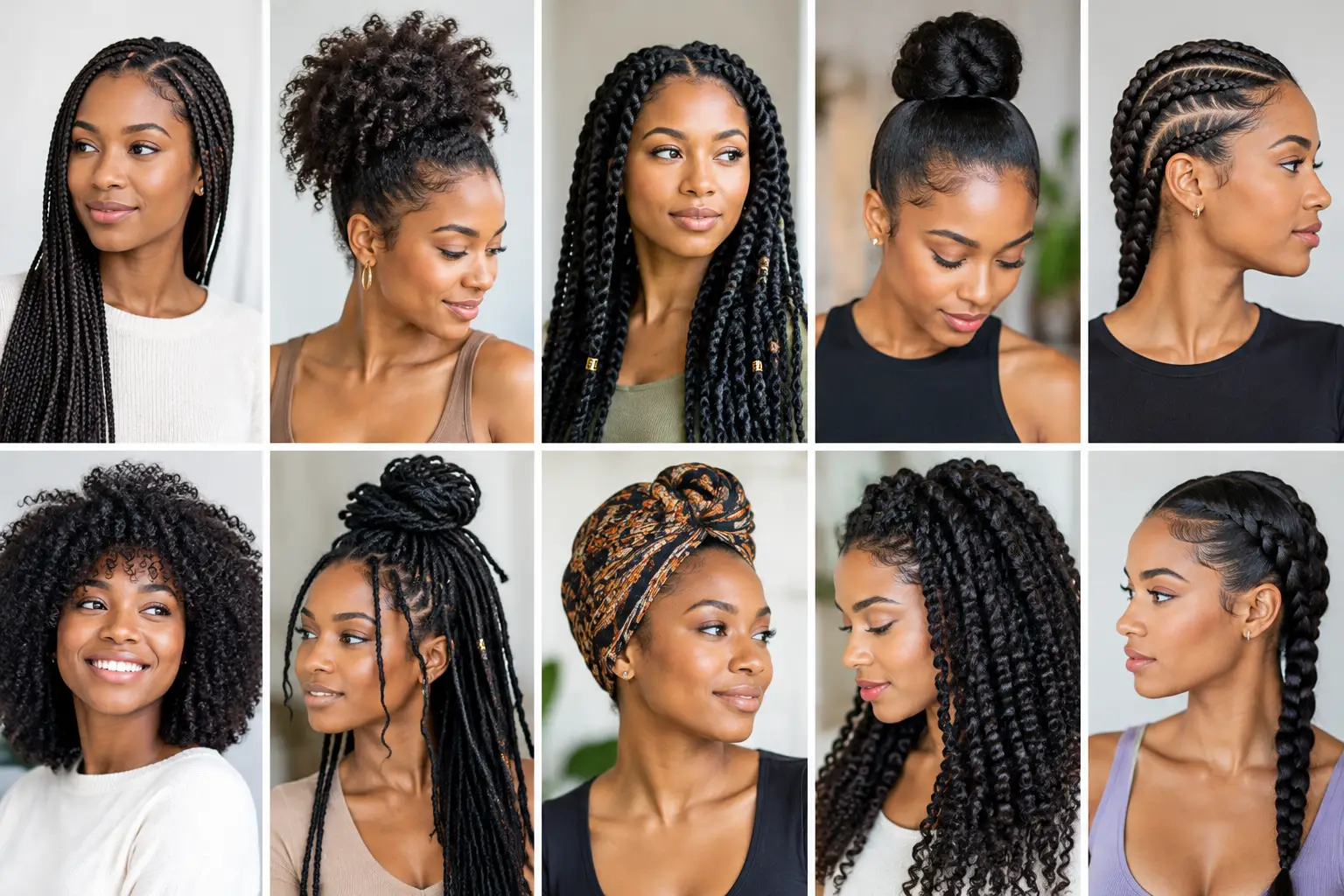

Find the best protective hairstyles for your texture, lifestyle, and comfort, with practical care tips for braids, wigs, twists, and low-tension looks.


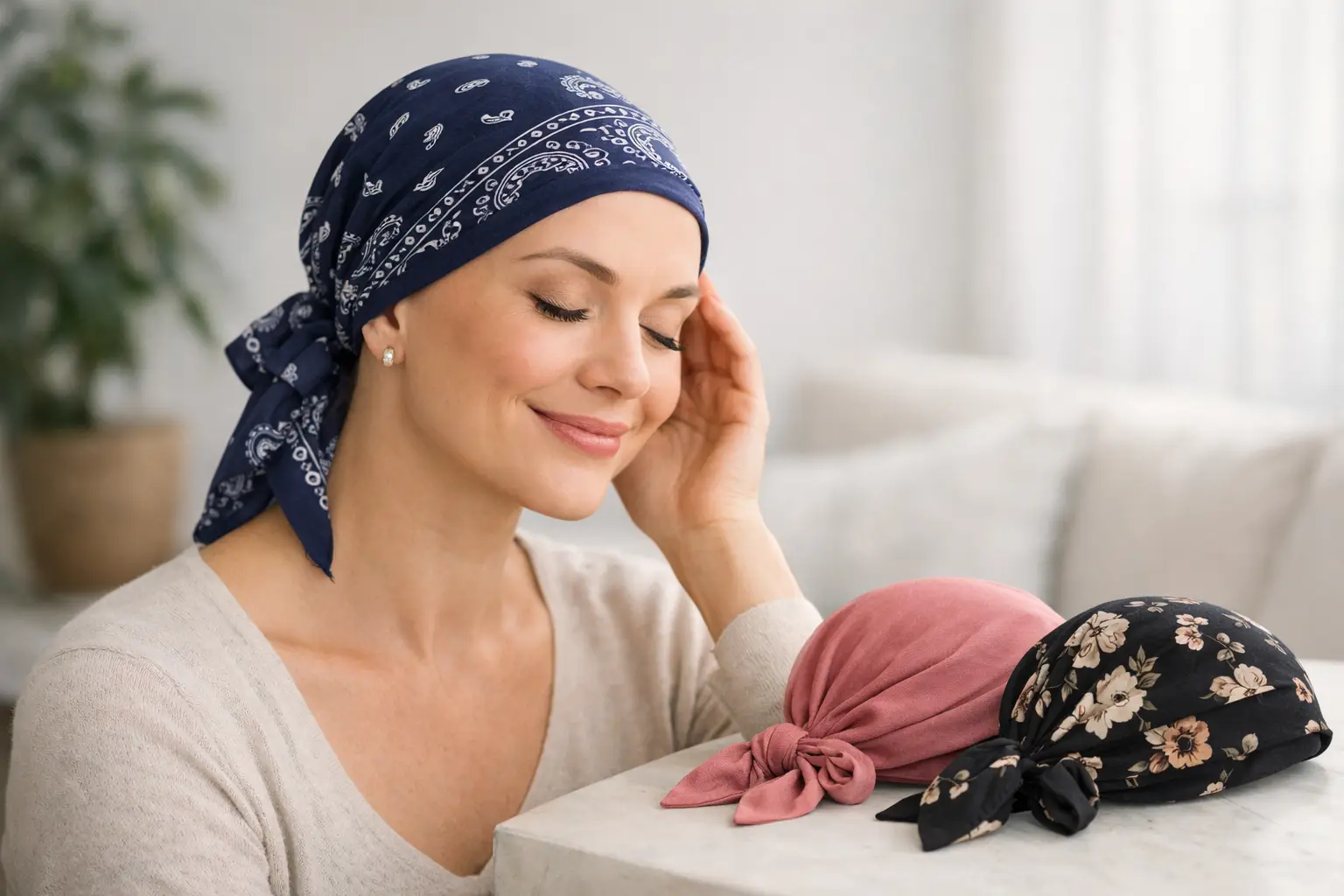
When hair loss changes your morning routine, getting dressed can suddenly involve more decisions than it used to. Pre tied bandanas for hair loss offer a simple, polished form of coverage that does not require knotting, wrapping, or spending extra time in front of the mirror. They can help you feel put together for errands, work, visits with family, or the days when you simply want something soft and easy to wear.
A bandana is not meant to hide who you are. It is a personal comfort and style option, and the right one should feel secure without feeling tight. Whether hair loss is temporary, gradual, treatment-related, or part of a longer-term journey, choosing a comfortable head covering can bring a little more ease back to the day.
A traditional square bandana can be beautiful, but it asks you to fold, place, tie, and adjust it correctly. That can be frustrating when energy is low, hands are sensitive, or you just do not want another task. A pre-tied style arrives with its shape already created. Most have a smooth front and a soft, gathered back or attached tails that give the appearance of a neatly tied wrap.
The convenience matters, but so does the fit. Hair loss can leave the scalp more exposed to friction, temperature changes, and pressure. A well-made pre-tied bandana gives coverage with less bulk than many hats and without the learning curve of a full head wrap. It can also be a lovely alternative when you want a lighter look than a wig.
For some women, bandanas become an everyday favorite. For others, they are part of a flexible wardrobe: a wig for a special event, a pre-tied bandana for a casual afternoon, and a soft sleep cap or turban for home. There is no single right solution. The best choice is the one that feels comfortable, looks like you, and fits your lifestyle.
The fabric that feels fine over a full head of hair may feel very different on a bare or tender scalp. Softness should come first. Look for materials with a smooth hand and enough breathability for the weather where you live. Lightweight cotton blends can feel familiar and easy for daily wear, while bamboo-based fabrics are often appreciated for their soft feel and moisture management. Stretch fabrics can create a close fit, but they should never leave a deep mark or trigger a headache.
Pay attention to seams, interior tags, and elastic placement. A raised seam may become irritating after several hours of wear, especially during periods of scalp sensitivity. If a bandana has an inner band, it should sit gently around the hairline rather than dig into it. A wider, softer band usually distributes pressure more comfortably than a narrow elastic edge.
Warm climates call for lighter, breathable styles, while cooler weather may make a slightly fuller fabric feel more comfortable. If you are experiencing hot flashes or body-temperature changes, having a few lighter options can make a real difference. Comfort is not a luxury detail here. It is what determines whether a head covering becomes useful or stays in a drawer.
Pre-tied bandanas are often available in a one-size stretch design, but one size does not always mean one fit. The bandana should cover the scalp without slipping backward, bunching at the crown, or pulling around the ears. You should be able to wear it for several hours without constantly checking the mirror.
If you wear glasses, consider how the fabric sits behind your ears. If you have a wig grip, a wig, or remaining hair underneath, the amount of volume will affect fit as well. A bandana that is perfect over a bare scalp may feel too snug over a wig liner or a small amount of regrowth. Trying on different shapes in a private setting can help you identify what feels right before you build a collection.
Pre-tied does not have to mean plain. The construction of the bandana changes its overall effect. A smooth front with a gathered back creates a clean, classic silhouette. Attached tails can add movement and make the style feel more like a traditionally tied scarf. A soft knot or twist at the front adds height and can create a flattering focal point around the face.
If you prefer a more understated look, choose solid colors such as black, navy, taupe, cream, or a shade that complements your usual wardrobe. Prints can be equally wearable and may feel especially useful on days when you want to add personality without extra styling. Florals, subtle animal patterns, geometric designs, and rich jewel tones can make a simple outfit feel intentional.
Face shape and personal style both play a role, but confidence matters more than rules. A little volume at the top can balance the face beautifully, while a sleek style can feel modern and refined. If you are unsure, begin with one neutral bandana and one print or color you genuinely enjoy wearing. You will quickly learn which silhouettes make you feel most like yourself.
Wigs can offer transformation, fullness, and the familiar feeling of styled hair. They are a wonderful choice for many clients, particularly when customized, fitted, and professionally styled. Still, there are days when a wig may feel like more than you want to wear. A pre-tied bandana can be a practical answer for quick outings, warm weather, travel, exercise-adjacent activities, or time at home.
It is also a helpful option while you are deciding whether a wig is right for you. Some people want coverage immediately but need time to explore color, length, cap construction, and maintenance. A bandana gives you a finished appearance while you take that time without pressure.
The trade-off is straightforward: a bandana provides coverage and style, but it does not recreate a hairline or the movement of hair. If your goal is a natural-looking hair silhouette for work, photos, or a formal event, a wig may be the better fit. If your goal is soft coverage with minimal effort, a pre-tied bandana may be exactly what you need.
Because the fabric rests directly on the scalp, regular washing is a good idea. Follow the care label, especially for delicate knits, embellishments, or fabrics with stretch. Gentle washing in cool water and air drying will often help preserve softness and shape better than high heat.
Keep a few bandanas in rotation if you wear them frequently. This makes laundry easier and gives you choices based on weather, outfit, and mood. Store them folded loosely or laid flat so attached knots and tails keep their shape. If one begins to feel stretched out or rough, it may be time to replace it. A head covering should feel fresh and reassuring, not like something you have to tolerate.
Before choosing a pre-tied bandana, consider when and where you expect to wear it. Will it be for all-day coverage, sleeping, travel, appointments, or quick trips out? The answer affects the fabric, amount of stretch, and level of detail that will serve you best.
Also think about your scalp right now, not just the style you like in a photo. If your skin is tender, choose the softest interior and simplest construction. If you want a bandana to wear with makeup, earrings, and a favorite outfit, you may prefer a more structured front or decorative knot. Both needs are valid, and they may call for different pieces.
At Hair A La Mode, the goal is never to push you into one type of hair solution. A private conversation can help you compare pre-tied bandanas, wigs, hair-attached hats, and other options based on comfort, coverage, and the look you want to create.
The right bandana should give you one less thing to worry about. Choose a fabric that feels kind to your scalp, a fit that stays comfortable, and a style that makes you feel ready to step out as yourself.
Find the best protective hairstyles for your texture, lifestyle, and comfort, with practical care tips for braids, wigs, twists, and low-tension looks.
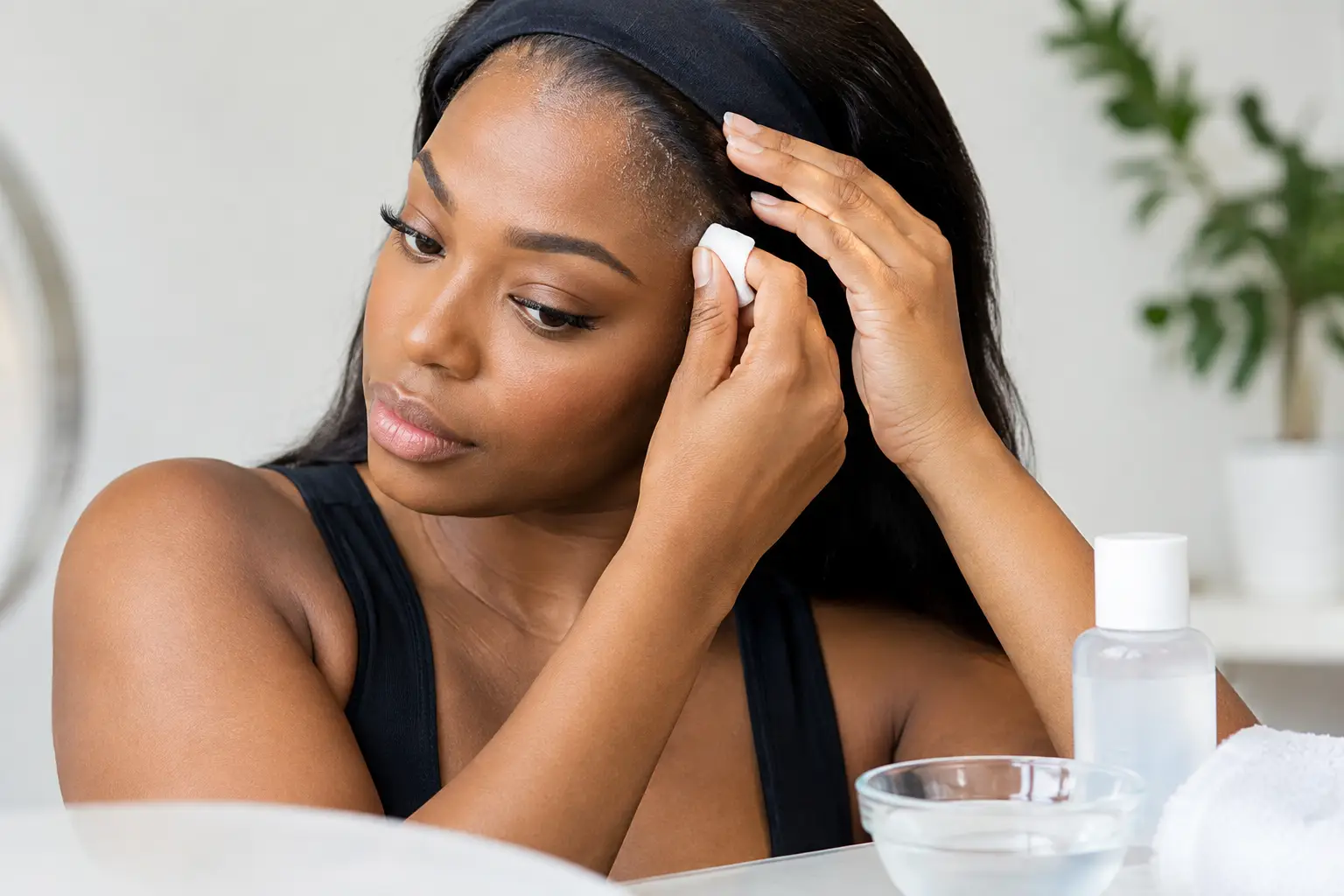
Learn how to remove wig adhesive gently, protect your skin and hairline, and clean your lace wig for a comfortable, confident next wear at...
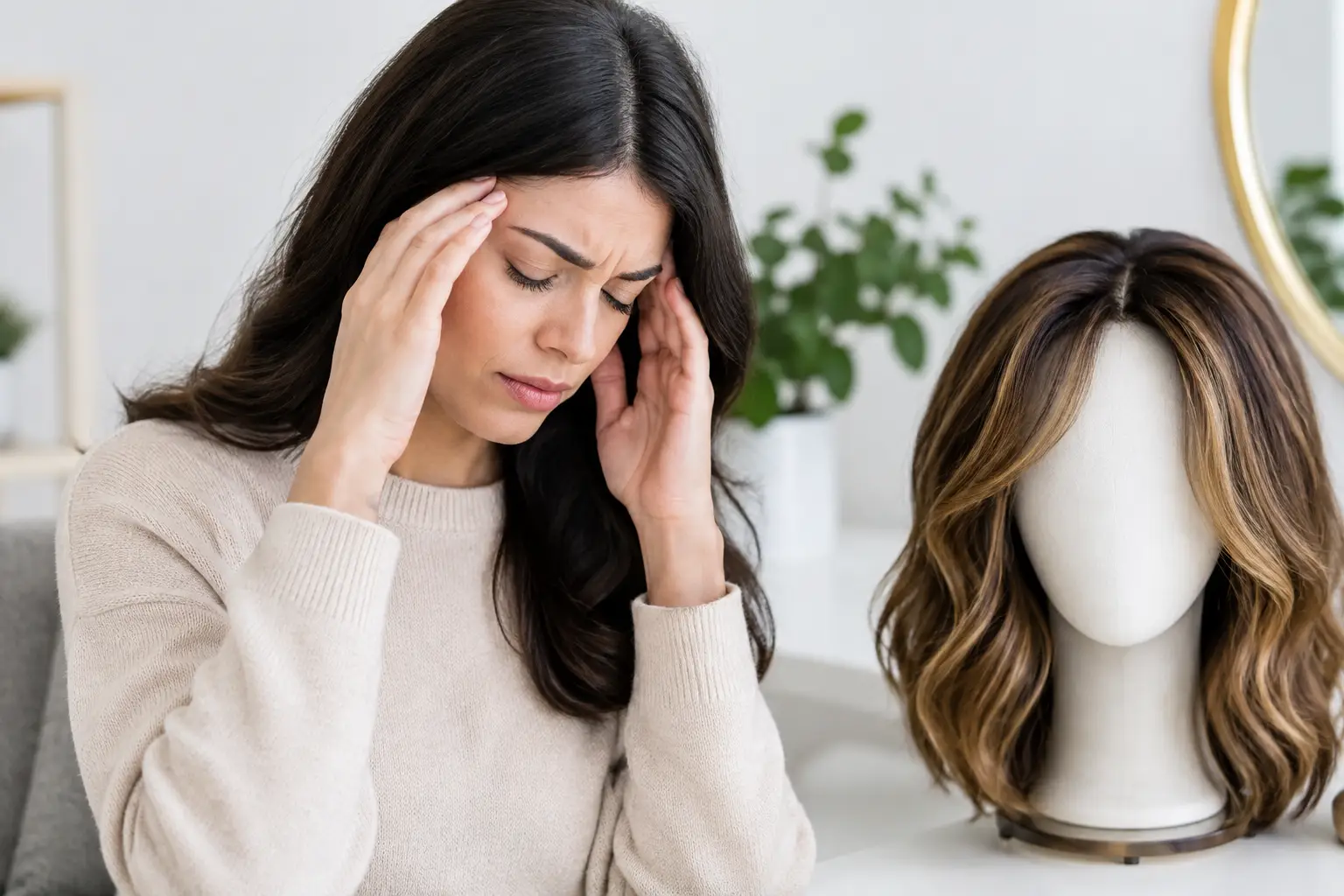
Do wigs cause headaches? Learn how fit, pressure, heat, and styling affect comfort, with practical ways to wear your wig pain-free every day with...
