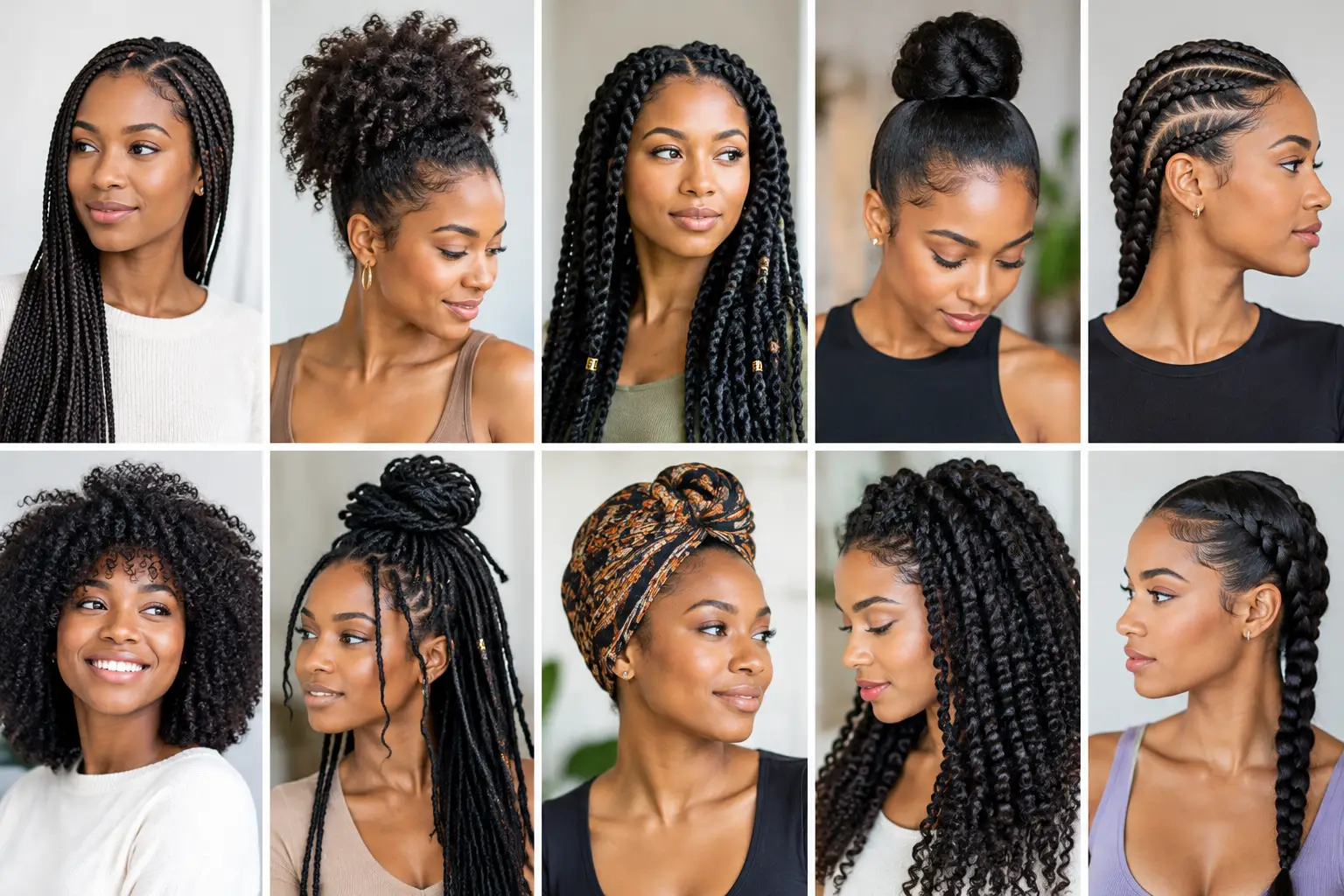

Find the best protective hairstyles for your texture, lifestyle, and comfort, with practical care tips for braids, wigs, twists, and low-tension looks.


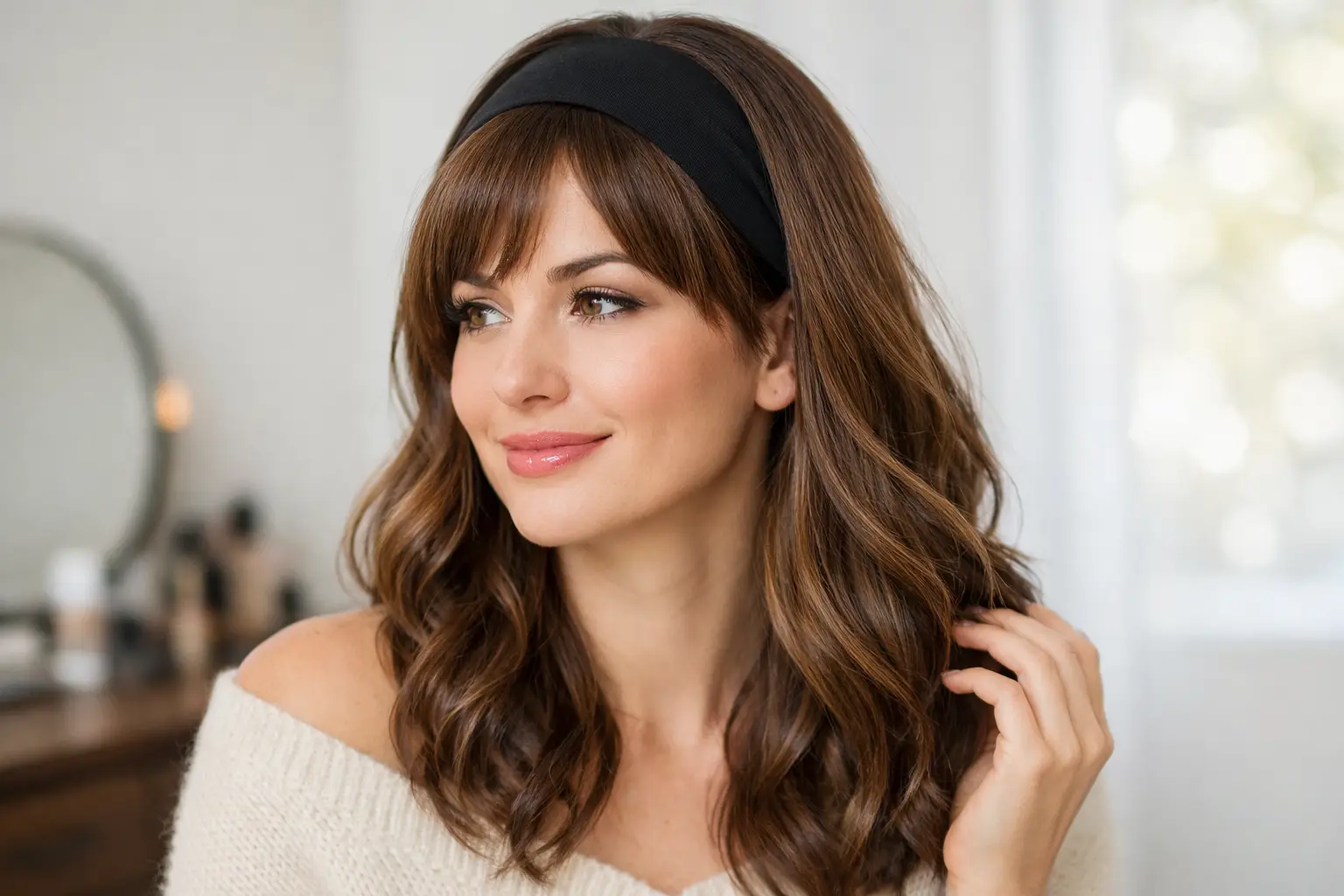
A great band fall wig for women should make getting ready feel easier, not more complicated. It gives you the appearance of fuller, styled hair while leaving room for your own hairline, bangs, or front section to show. For women who want coverage at the crown, added volume through the lengths, or a polished look without a full wig cap, it can be a comfortable, confidence-building option.
Band falls are especially appealing when you want a hairstyle that feels personal. You can blend the piece with your natural hair, wear a scarf or headband at the front, or create a look that suits your day, your comfort level, and your lifestyle.
A band fall wig is a hairpiece designed to add fullness and length behind the hairline. It is typically secured with an attached band, adjustable strap, combs, clips, or a combination of these features, depending on the style. Rather than covering the entire head like a traditional wig, it leaves the front area open so you can incorporate your own hair.
This construction can make a band fall feel lighter and less enclosed than a full wig. It also creates styling flexibility. Some women leave out a small section of natural hair at the front and sides. Others wear a soft headband, pre-tied bandana, or hat to create a finished hairline without needing to blend their own texture.
The best choice depends on what you want the piece to do. If your priority is quick fullness for everyday wear, a band fall may be ideal. If you need complete coverage because of significant thinning or hair loss, a full wig or a custom hair solution may offer more security and a more natural result for your needs.
The appeal is not just convenience. A well-fitted band fall can help you feel like yourself while spending less time styling and using less heat on your natural hair. It can be a helpful option for women growing out a short cut, taking a break from extensions, managing damaged hair, or simply wanting a fuller style for work, events, or weekends.
Because your natural hair can remain visible at the front, the final look often feels more familiar than a complete wig transformation. You are not required to give up your favorite part, side part, bangs, or face-framing pieces. You are adding support where you want it.
That said, a band fall is not automatically the right answer for every texture or hair concern. Blending requires some attention, particularly if your own hair is very fine, very short, highly textured, or a noticeably different color from the piece. The right texture, density, and placement make the difference between hair that looks added on and hair that looks naturally full.
Start with the look you want when you leave the house, not just the photo that catches your eye. Think about length, daily styling time, climate, and how much natural hair you want to leave out. A dramatic waist-length style may be beautiful, but a shoulder-length band fall can be easier to blend and maintain for everyday use.
Texture is usually the first detail people notice. Straight hair should blend into straight or lightly textured hair. Loose waves need a wave pattern that does not disappear after one wash. Curly and coily styles should have a curl pattern that works with your own hair, whether you plan to wear it defined, stretched, or protected beneath a headband.
Human hair band falls provide the most flexibility for restyling, especially if you enjoy changing your part, adding soft waves, or using heat tools. They require thoughtful care, just like natural hair. Synthetic options can be more budget-friendly and often hold their style well, but many cannot tolerate regular heat. Heat-friendly synthetic hair offers more styling options, though it still needs lower temperatures and a careful touch.
A color can look perfect under indoor lighting and completely different in sunlight. When possible, compare the shade to your natural hair in daylight. Pay attention to your roots, ends, and any highlights or gray strands. A slightly dimensional shade often blends more naturally than one flat, solid color.
If your hair has a custom color, do not feel limited to choosing the closest box shade. A professional can help tone, add lowlights, or customize the piece when appropriate. Coloring a hairpiece is technical work, particularly with synthetic fibers, so it is better to ask before attempting changes at home.
A secure piece should feel stable without creating pressure. If you experience headaches, scalp sensitivity, or hair thinning around the edges, avoid forcing clips into fragile areas. A soft wig grip band, adjustable fit, or gentler placement may be a better approach.
Try moving your head naturally during a fitting. Look down, turn side to side, and smile or talk as you normally would. If the piece shifts, pinches, or feels like it needs constant checking, the fit or attachment method needs adjustment. Comfort is part of a natural look because you carry yourself differently when you are not worried about your hair moving.
Begin with clean, dry, detangled hair. If you are leaving hair out, style that section first so you can match its texture to the band fall. You may braid, twist, or smooth the remaining hair flat underneath, depending on your hair length and the volume of the piece.
Place the band fall where it provides coverage without sitting too far forward. Secure any combs or clips only where your natural hair can comfortably support them. Then adjust the band so it sits snugly, not tightly. Once the piece is secure, blend your leave-out over the edge or position your headband or scarf to cover the transition.
Avoid overworking the blend with heavy product. A small amount of smoothing serum, mousse, or heat protectant may help, but too much product can cause your natural hair and the hairpiece to separate visually. Sometimes a simple low ponytail, half-up style, or loose waves will blend more gracefully than trying to make every strand identical.
Treat the hairpiece according to its fiber type. Human hair can be curled, straightened, and styled with heat protectant, but frequent high heat shortens its life. Use the lowest effective temperature and avoid repeatedly passing a hot tool over the same section.
Synthetic hair needs a different approach. Unless the manufacturer specifically identifies it as heat-friendly, do not use curling irons or flat irons. The fibers can melt, frizz, or lose their original pattern. For many synthetic styles, gentle finger styling and a product made for synthetic hair are enough to refresh the look.
Keep styles realistic for the density of the piece. Pulling a band fall into a very high, tight ponytail can reveal wefts or place strain on the attachment area. Low ponytails, half-up looks, soft braids, and headband styles tend to be more forgiving. If you want a specific updo for an event, have it styled professionally so the construction stays protected.
Wash the piece when there is product buildup, odor, or a loss of movement, rather than washing it after every wear. Human hair generally benefits from gentle shampoo, conditioner, and occasional moisture treatments. Synthetic hair should be washed with products designed for synthetic fibers and air-dried on a wig stand whenever possible.
Always detangle from the ends upward using the right brush or wide-tooth comb for the texture. Never tug through a knot at the band or weft area. Store the band fall away from direct sun, excessive heat, and loose items that can cause tangling.
With regular wear, bands can stretch, clips can loosen, and caps can need attention. These are repairable issues in many cases. Hair A La Mode can help assess fit, replace clips or combs, attach wig grip bands, and provide repair options for both synthetic and human-hair pieces. A small adjustment can make a favorite piece feel secure again.
Online shopping is convenient when you already know your preferred texture, color, and cap style. A private fitting is especially valuable if this is your first hairpiece, you are managing thinning or hair loss, or you have struggled to find a shade that blends. Seeing the piece against your skin tone and natural hair answers questions that product photos cannot.
A fitting also gives you the chance to discuss the details that affect daily comfort: whether clips are appropriate, how much hair to leave out, how to protect delicate edges, and whether a custom wig may serve you better. There is no one style that works for every woman, and there does not need to be.
The right band fall should support your routine and your confidence. Choose one that feels secure, resembles the hair you want to see in the mirror, and gives you the freedom to enjoy your day without thinking about your hair every few minutes.
Find the best protective hairstyles for your texture, lifestyle, and comfort, with practical care tips for braids, wigs, twists, and low-tension looks.
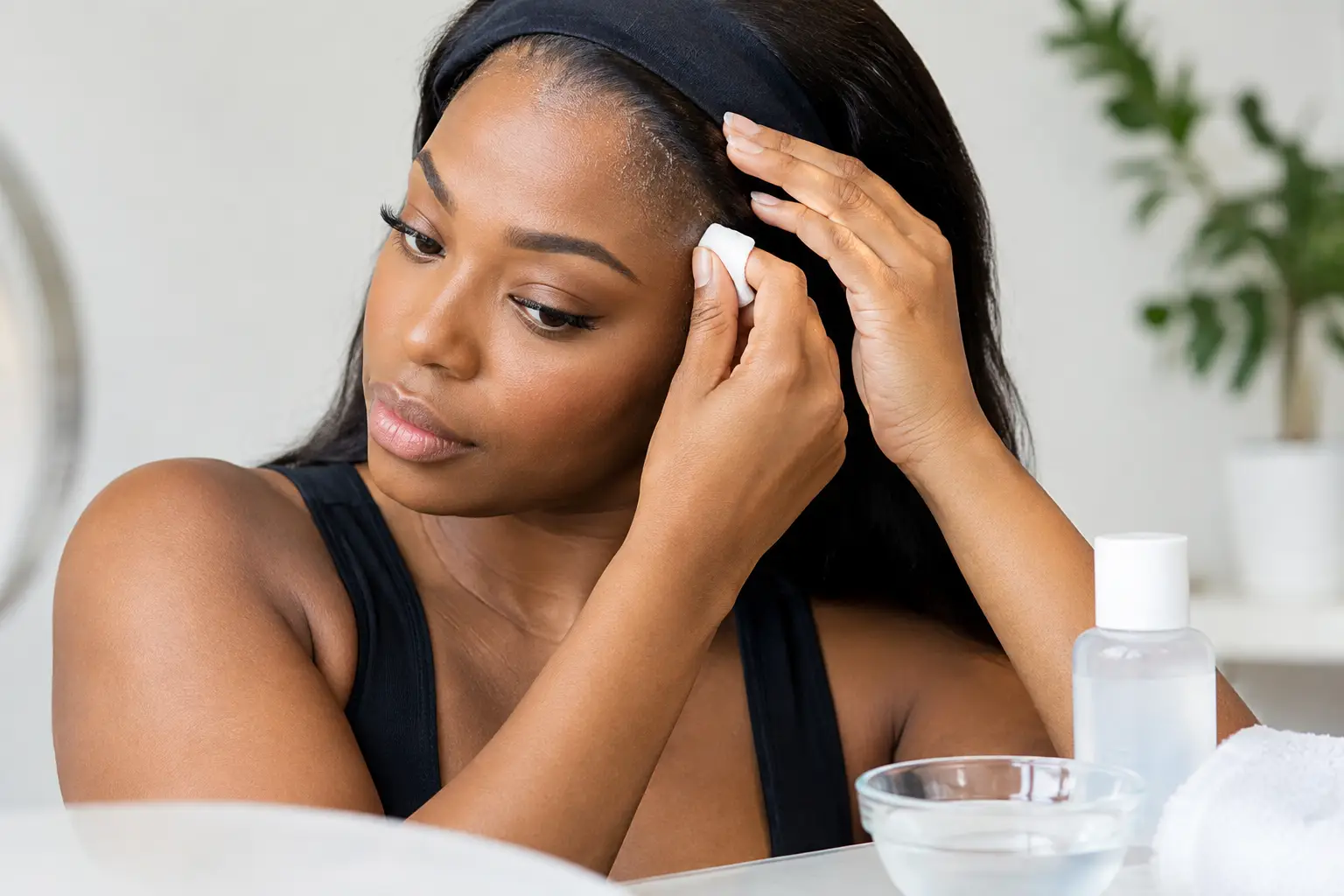
Learn how to remove wig adhesive gently, protect your skin and hairline, and clean your lace wig for a comfortable, confident next wear at...

Do wigs cause headaches? Learn how fit, pressure, heat, and styling affect comfort, with practical ways to wear your wig pain-free every day with...
