

Find the best protective hairstyles for your texture, lifestyle, and comfort, with practical care tips for braids, wigs, twists, and low-tension looks.


A wig can still have beautiful hair, a flattering shape, and plenty of life left in it while the cap underneath is no longer comfortable or secure. A professional wig cap replacement service addresses the part of the wig that sits closest to your scalp, helping restore the fit, confidence, and wearability you expect from a piece you love.
For many women, a wig is more than an accessory. It may be part of a daily routine, a protective style, a solution for thinning hair or hair loss, or the finishing touch that helps you feel like yourself. When the cap begins to stretch, tear, itch, or slip, replacing it can be a thoughtful alternative to retiring the wig altogether.
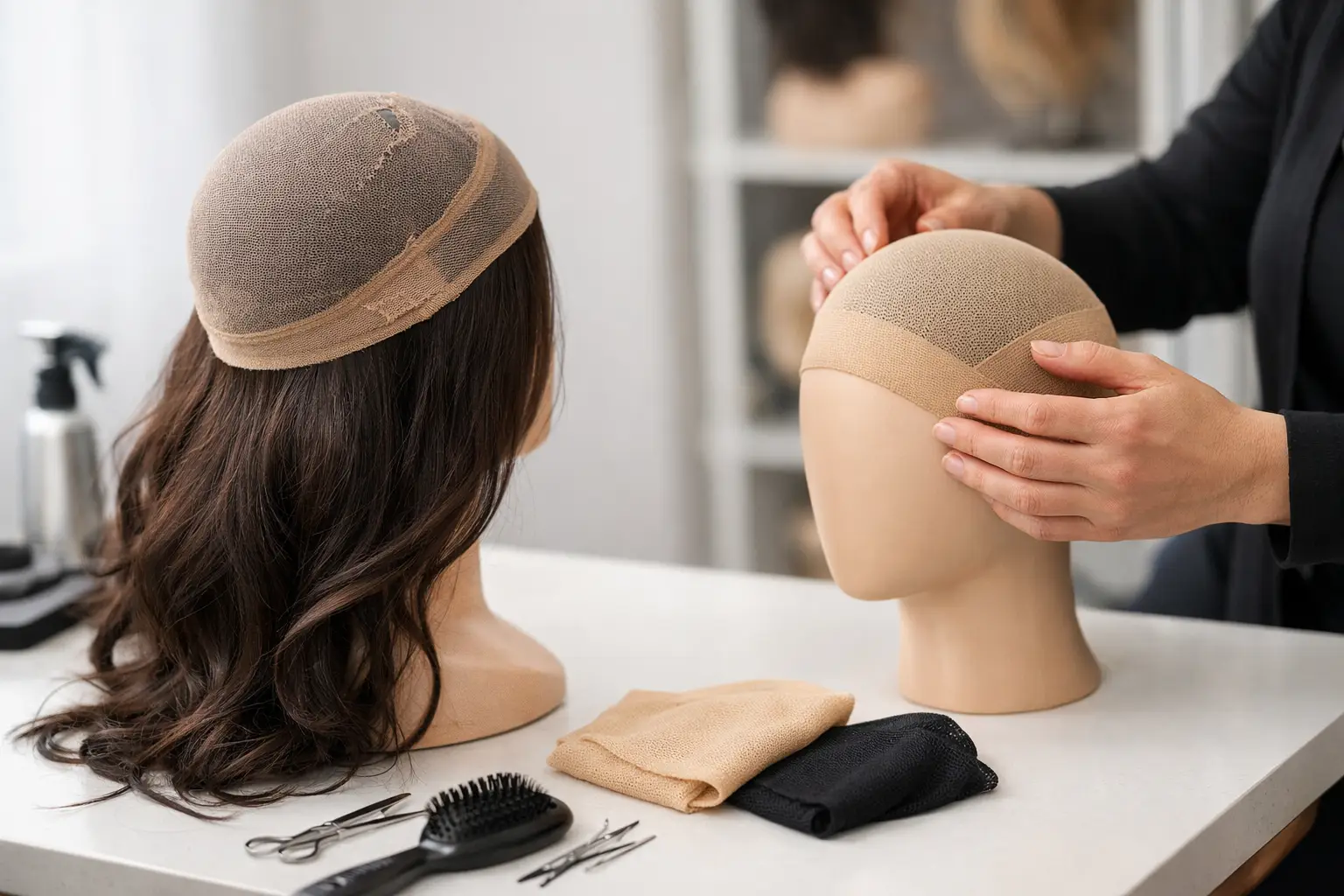
The cap is the foundation of a wig. It holds the hair in place and creates the structure that allows the wig to sit comfortably on your head. Depending on the construction of your wig and its condition, cap replacement may involve removing the existing cap, rebuilding the interior foundation, and carefully securing the hair to a new cap or base.
The right approach depends on whether the wig is human hair or synthetic, machine-made or hand-tied, and whether the hair itself is still in good condition. A skilled technician assesses more than the visible tear. They also look at the hairline, crown, nape, wefts, lace, elastic, clips, combs, and areas that receive the most tension during wear.
A replacement can be paired with other repairs when needed. For example, a wig that slips may benefit from a new wig-grip band or adjustable elastic. A cap with missing clips or damaged combs may need those attachments replaced at the same time. If the top of the wig is thinning, hand-tied hair ventilation may be considered to restore density in a targeted area.
A small issue can quickly turn into an uncomfortable wearing experience. You may notice that your wig no longer stays in place, even when adjusted carefully. The cap may feel looser than it did when you first received it, or you may see stretched elastic, frayed seams, holes near the nape, or tearing around clips and combs.
Discomfort matters, too. If a wig has started to feel rough against the scalp, create pressure in one area, or shift throughout the day, the problem may be in the cap rather than the hair. This is especially relevant for women with sensitive scalps, active hair loss, or little to no natural hair underneath the wig. A secure fit should not require painful tension or constant repositioning.
It is also worth having the wig inspected if the hair still looks healthy but the foundation feels unreliable. Many customers assume a loose or damaged cap means the entire wig must be replaced. Sometimes that is true, but often the cap is the part that needs professional care.
Wig caps are exposed to regular movement, warmth, moisture, styling, and friction. Pulling a wig on and off, fastening clips, adjusting straps, and wearing it for long days can gradually wear down the foundation. Sweat, hair products, and frequent washing may also affect elastic and stitching over time.
Your own needs can change as well. A cap that once fit perfectly may feel different after hair loss, regrowth, a change in natural hair length, or changes in scalp sensitivity. This does not mean you have done anything wrong. It simply means your wig should continue to work for you, rather than asking you to tolerate a fit that no longer feels right.
For this reason, cap replacement is not only a repair service. It can also be an opportunity to improve comfort and personalize how your wig stays in place.
Not every cap construction suits every lifestyle. During a consultation, the best option should be based on your comfort preferences, how often you wear the wig, the type of hairpiece, and your desired level of security.
A lightweight cap may feel cooler and more flexible for everyday wear. A more structured cap can provide added support and hold, particularly for a fuller style. Lace areas can create a natural-looking hairline but need careful handling and may not be the ideal choice for every repair. Hand-tied sections provide soft movement and a natural appearance, yet they are more delicate and can take more time to restore.
There are trade-offs. The most breathable option may not offer the same level of structure as a reinforced cap. A highly secure setup may require more adjustment than a simple pull-on style. The goal is not to choose the most complicated construction. It is to choose a cap that feels comfortable, looks natural, and supports the way you actually wear your hair.
A proper assessment begins with the wig in hand. The technician needs to examine the cap from the inside and outside, check the condition of the hair, and determine whether the existing construction can be safely removed. Photos can be useful for an initial conversation, but an in-person inspection gives the clearest answer when possible.
Be ready to share how you wear the wig. Do you use adhesive, clips, a grip band, or simply the adjustable tabs? Do you wear it every day or only for special events? Does it slip at the nape, feel tight near the temples, or rub against a sensitive area? These details help guide the repair.
It is also helpful to arrive with the wig clean and free of heavy product buildup. A clean foundation allows the technician to see worn areas more clearly and work with the cap more accurately. If the wig needs washing, detangling, reshaping, or restyling, those services may be planned alongside the repair.
Not every wig is a good candidate for cap replacement. If the hair is severely matted, heavily shed, heat-damaged, or worn thin throughout, investing in a full rebuild may not make financial sense. The same is true when the original construction is very delicate or when the hair cannot be removed without causing significant damage.
However, a repair is often worthwhile when the hair remains soft, full, and attractive, but the interior cap has broken down. Higher-quality human hair wigs are commonly strong candidates because the hair may have years of potential wear remaining with the right maintenance. Some synthetic wigs can also be repaired, although their fiber condition, heat tolerance, and construction should be considered carefully.
An honest recommendation should weigh the repair cost, the expected result, and the future life of the wig. Sometimes repairing a favorite piece is the best value. Other times, a new wig or a custom option may serve you better.
Once a cap has been repaired or replaced, gentle care helps preserve the work. Avoid pulling on the wig by the lace, nape, or ear tabs when putting it on. Instead, hold the sturdier areas of the cap and position the wig carefully. If you use clips or combs, make sure they are attached to a stable base rather than catching on fragile fabric.
Store the wig on a stand when possible, especially if it is worn frequently. Wash it according to the hair type and avoid saturating areas that do not need to be washed. Human hair and synthetic hair require different products and heat-styling methods, so following the correct care routine protects both the hair and the foundation underneath.
Regular maintenance can catch small concerns before they become major tears. If you notice loose stitching, stretched elastic, or a clip starting to lift, have it checked early. Small repairs are often simpler than waiting until the cap no longer holds its shape.
At Hair A La Mode, wig repair is approached with the understanding that fit, privacy, and natural-looking results all matter. A cap replacement can be combined with practical adjustments such as clip and comb replacement, wig-grip-band attachment, or targeted top ventilation when the condition of the piece calls for it.
The best repaired wig should not feel like a compromise. It should feel secure enough for your day, comfortable enough for extended wear, and polished enough to help you move through the world with confidence. If your favorite wig is still beautiful but no longer feels right on your head, a professional assessment can help you decide whether a new cap gives it the fresh start it deserves.
Find the best protective hairstyles for your texture, lifestyle, and comfort, with practical care tips for braids, wigs, twists, and low-tension looks.

Learn how to remove wig adhesive gently, protect your skin and hairline, and clean your lace wig for a comfortable, confident next wear at...

Do wigs cause headaches? Learn how fit, pressure, heat, and styling affect comfort, with practical ways to wear your wig pain-free every day with...
