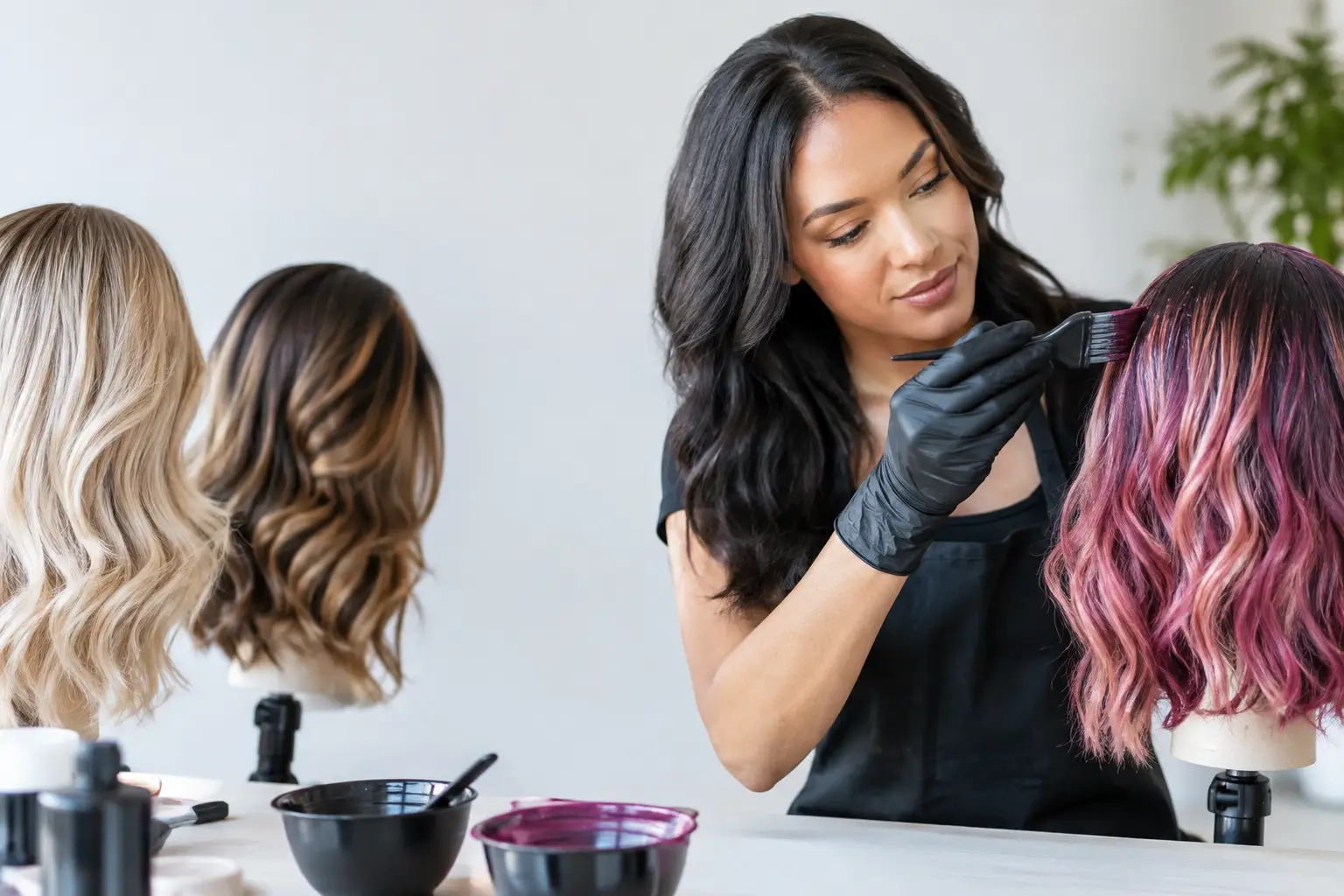

Can wigs be colored without damage? Learn which wigs can be dyed, how to protect the fibers, and when professional color services are the...


A wig can look beautifully natural for months, but the wrong wash routine can leave it dry, tangled, dull, or heavy after only a few wears. The best shampoos for wigs are not necessarily the strongest cleansers or the most expensive bottles on the shelf. They are the formulas that suit your wig’s fiber, how often you wear it, and the styling products you use.
The first decision is simple but essential: is your wig made with human hair or synthetic fiber? These materials need different care. A shampoo that gives a human-hair wig softness and movement may be too rich for a synthetic style, while a synthetic-safe cleanser may not provide enough moisture for processed human hair. Choosing correctly helps protect your investment and keeps your style feeling comfortable and confidence-building.
A human-hair wig should be treated with the same gentleness you would give color-treated or chemically processed hair. Many human-hair pieces have been colored, lightened, heat styled, or processed to create their final texture, which can make them more vulnerable to dryness than the hair growing from your scalp.
A sulfate-free moisturizing shampoo is usually the best starting point. Look for a formula that cleans without leaving a squeaky, stripped feeling. Ingredients that support softness, such as lightweight plant oils, amino acids, or gentle conditioning agents, can help the hair remain smooth and manageable.
Moisture matters, but heavier is not always better. If your wig has fine hair, a very rich shampoo can make it look flat at the crown or cause buildup more quickly. For fine, straight human hair, choose a lightweight hydrating formula. For curly, textured, or especially dry human hair, a more nourishing shampoo may be the better fit.
If your wig is highlighted, balayaged, red, brunette, or fashion-colored, choose a color-safe shampoo. Harsh detergents and frequent washing can fade color and make a beautiful custom shade lose its dimension.
For blondes, grays, and silver tones, a purple shampoo can occasionally help soften unwanted yellow or brassy tones. Use it carefully, especially on porous light hair. Leaving it on too long can create a lavender or dull cast, and using it at every wash may dry the hair. Alternate it with a gentle moisturizing shampoo instead.
Dry shampoo, hairspray, smoothing serum, and heat protectant can build up over time. When your human-hair wig starts looking limp, feeling coated, or refusing to hold a style, an occasional clarifying wash can help restore movement.
This is not an every-wash product. Clarifying shampoos are designed to remove residue, so overuse may leave the hair dry or rough. For most wearers, a clarifying shampoo once every few weeks or after heavy product use is enough. Follow with a conditioner or mask designed for wigs or processed hair, concentrating on the lengths and ends rather than the cap.
Synthetic wigs need a cleanser made specifically for synthetic fibers. The fibers are not human hair, and traditional shampoo can coat them, create friction, or make them feel stiff. A wig shampoo is formulated to refresh the fiber without disrupting its finish, shape, or sheen.
This is especially helpful for ready-to-wear synthetic styles with a defined curl pattern, sleek bob, or smooth blowout appearance. A proper synthetic wig cleanser removes surface oils, perspiration, and product residue while helping the wig maintain the polished look it had when new.
Avoid using regular drugstore shampoo on synthetic hair, even if it is labeled gentle or sulfate-free. It may seem fine after one wash, but repeated use can contribute to tangling, dullness, and a less natural-looking finish.
Heat-friendly synthetic wigs offer more styling flexibility, but they can also collect product buildup and develop friction at the nape. Use a shampoo specifically labeled for heat-friendly or heat-resistant synthetic fibers. These formulas are designed to cleanse without leaving a film that can interfere with heat styling later.
Heat-friendly fibers may feel drier than standard synthetic hair over time. Shampoo alone will not solve that issue, so pair it with a compatible conditioning spray or detangling product made for synthetic wigs. Do not substitute a heavy human-hair conditioner, as it can weigh down the style or make the fiber look greasy.
A lace-front or hand-tied wig deserves extra care during every wash. The shampoo itself should be gentle, but the washing method is equally important. Lace is delicate, and the knotting or ventilation work that creates a natural-looking hairline can be affected by rubbing, twisting, or aggressive scrubbing.
Dilute shampoo in cool water, then gently work the solution through the hair in a downward direction. Do not pile the hair on top of the cap or scrub at the lace. Rinse thoroughly and allow the wig to dry on a stand that supports its shape. If adhesive residue is present around the lace, use a product intended for safe adhesive removal before shampooing rather than trying to scrub it away.
The wig itself does not have a scalp, but the cap rests close to yours. If you have a sensitive scalp, are experiencing hair loss, or wear your wig for long days, a fragrance-light and gentle shampoo can make a difference. Strongly scented formulas may linger in the fibers and feel uncomfortable for some wearers.
Choose products that rinse cleanly and do not leave behind a heavy coating. This can also help the cap feel fresher between washes. If skin sensitivity is a concern, test any new care product on a small area first and keep the interior cap clean according to its construction and manufacturer guidance.
For a human-hair wig that feels dry from frequent heat styling, a conditioning cleanser can be useful between regular shampoo washes. These products cleanse more softly while adding slip, which makes detangling easier. They work best for dry, curly, textured, or mature hair textures that need moisture and flexibility.
A conditioning cleanser is not the right choice when there is significant product buildup or the wig feels oily. In those cases, use a standard sulfate-free shampoo first. Think of this option as moisture-focused maintenance, not a replacement for every deeper cleanse.
Wash based on wear, not a strict calendar. A wig worn every day may need washing every 7 to 14 wears, while an occasional-wear wig can often go longer. If you use styling products, exercise in your wig, wear it in humid weather, or apply products near the hairline, you may need to wash it sooner.
Signs it is time include reduced movement, a dull finish, tangling at the nape, visible product residue, or a cap that no longer feels fresh. Washing too often can shorten the life of any wig, particularly synthetic styles. Washing too rarely allows oils and product to build up, which can make the hair harder to style.
Before washing, gently remove tangles with a wide-tooth comb for human hair or a wig brush designed for synthetic fibers. Work from the ends upward. For synthetic wigs, use cool water. Human-hair wigs can tolerate lukewarm water, but very hot water may fade color, dry the hair, or affect the cap construction.
Do not use 2-in-1 shampoo and conditioner on wigs. These formulas can leave residue and make it difficult to control the moisture level your piece needs. Avoid rubbing the hair against itself, twisting it in a towel, or brushing it while it is soaking wet.
Household detergents, baby shampoo, and heavily perfumed shampoo are also poor substitutes for proper wig care. Baby shampoo is often recommended as a gentle option, but its pH and cleansing system are not designed for synthetic fibers or processed wig hair. A dedicated product is the safer choice.
If your wig is custom colored, has a delicate lace front, needs cap repair, or has begun tangling beyond what normal detangling can solve, professional care can prevent a small issue from becoming permanent damage. At Hair A La Mode, personalized wig maintenance can help you protect the fit, style, and natural appearance you chose.
The right shampoo should leave your wig clean, soft, and easy to style, never stripped or overly coated. When you match the formula to the fiber and wash with a gentle hand, your wig stays ready for the moments when you want to feel most like yourself.
Can wigs be colored without damage? Learn which wigs can be dyed, how to protect the fibers, and when professional color services are the...
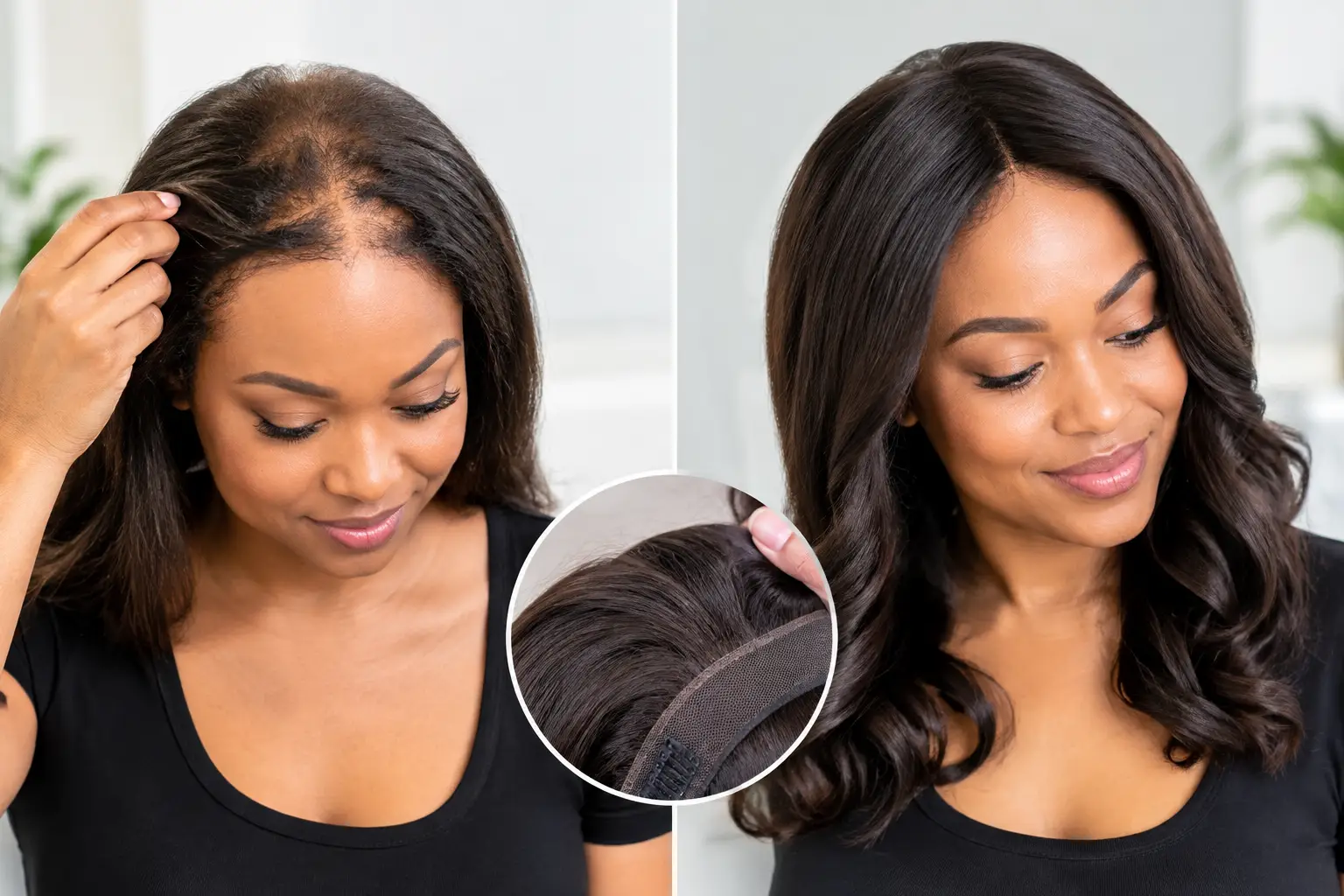
See how wig repair transformations restore comfort, fit, and natural movement with cap, hair, and attachment repairs tailored to your favorite piece today.
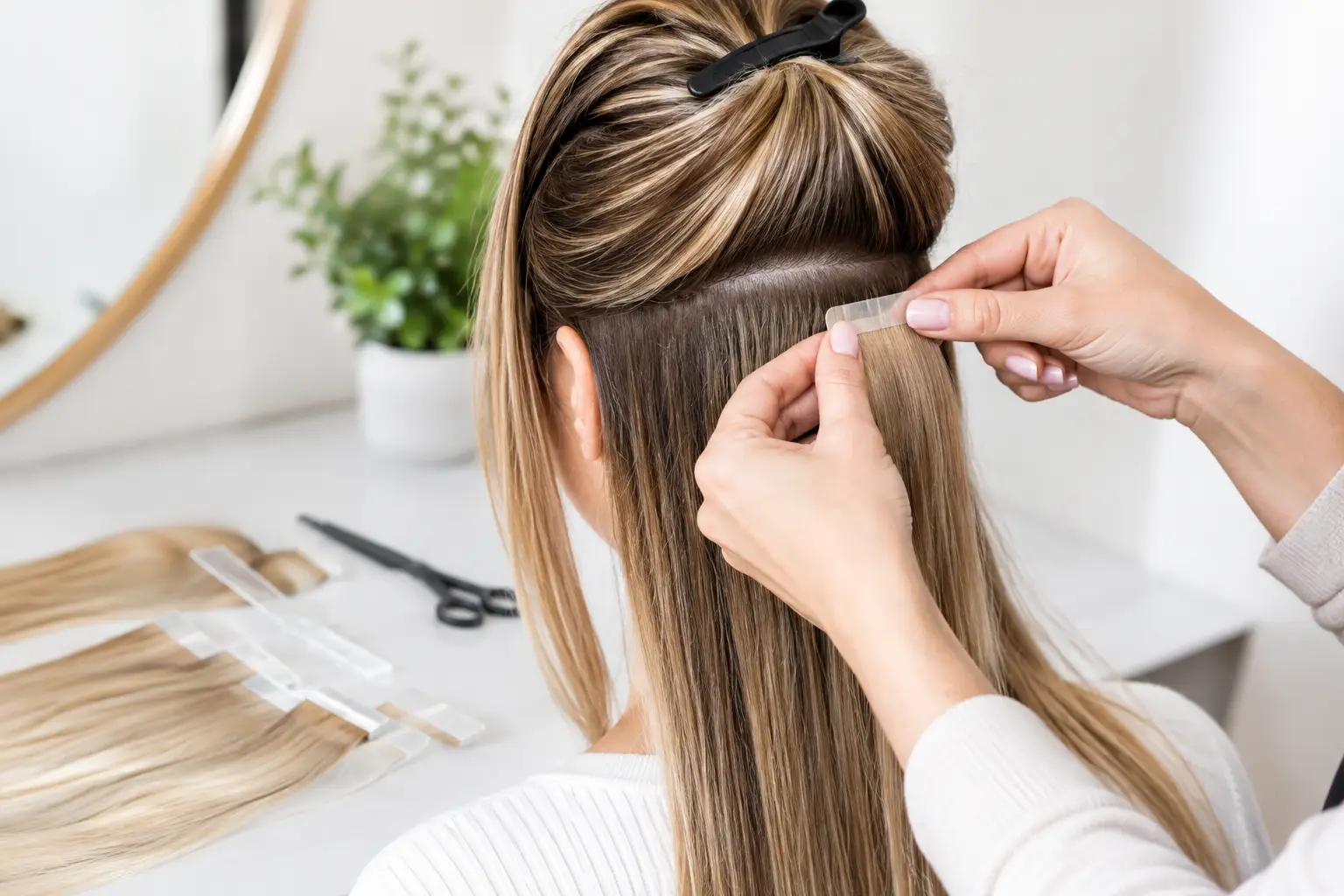
Learn how to install tape extensions with clean sections, secure sandwiches, and care tips for a natural, comfortable result that protects your hair.
