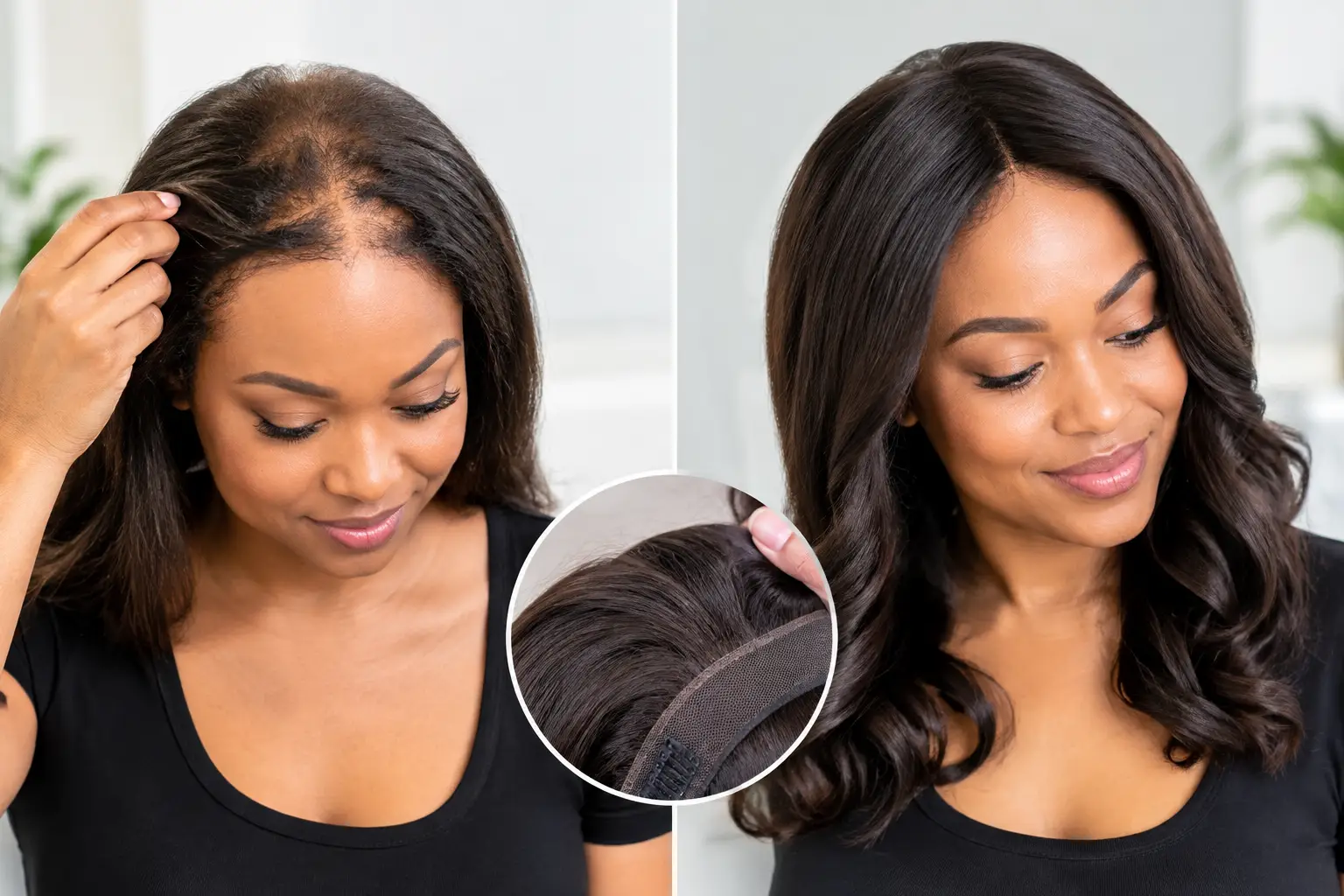

See how wig repair transformations restore comfort, fit, and natural movement with cap, hair, and attachment repairs tailored to your favorite piece today.


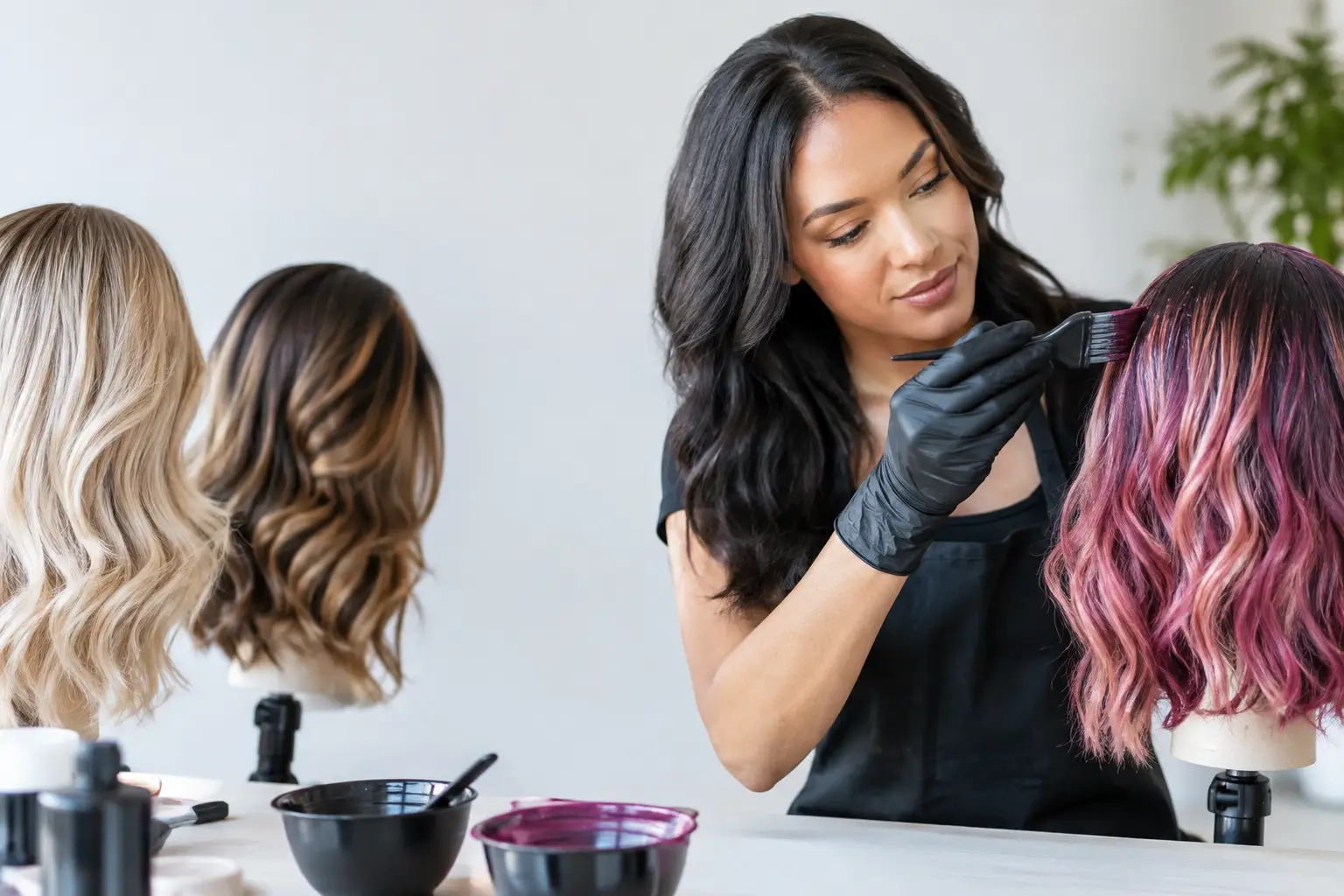
A wig can completely change how you feel when you look in the mirror, so it makes sense to want a shade that feels exactly like you. But can wigs be colored? Sometimes, yes. The answer depends on whether the wig is made from human hair or synthetic fiber, its current color, its condition, and how dramatic you want the change to be.
Coloring a wig is not the same as coloring the hair growing from your scalp. There is no natural regrowth to disguise mistakes, and a chemical process can affect the wig’s softness, movement, shine, and lifespan. The right approach protects the hairpiece you rely on while helping you get closer to the look you want.
Human-hair wigs can usually be professionally colored, toned, darkened, or refreshed. Because they are made from real hair, they respond to many of the same salon color products used on natural hair. Still, wig hair has already been collected, processed, and often colored before it reaches you. It does not receive oils and nutrients from a scalp, so it needs a gentler, more controlled service.
Synthetic wigs are different. Standard hair dye is designed to penetrate human hair and generally will not work on synthetic fibers. In some cases, specially made synthetic-fiber dyes or fabric dyes can shift the color of a heat-friendly synthetic wig, but the result can be unpredictable. The fibers may become dry, stiff, uneven, or permanently damaged.
For both wig types, going darker is usually easier and safer than going lighter. Lightening requires bleach or stronger lifting products, which can compromise the hair or fiber quickly. If your goal is a dramatic blonde, platinum, or pastel result, starting with a wig made in that shade is often the better investment.
A quality human-hair wig gives you the most flexibility if you want highlights, lowlights, a root shadow, warmer tones, or a richer brunette or red shade. Professional coloring can create dimension that makes the hairline and lengths look more natural, especially when the color is personalized to your skin tone and everyday style.
Before any color service, the wig should be assessed carefully. A stylist needs to know whether it has been colored before, how porous the hair is, and whether it has heat or product buildup. Hair that feels rough, tangles easily, or looks overly dry may not tolerate another chemical process well.
A strand test matters. It shows how the hair will react before color is applied to the entire wig. This small step can prevent an expensive disappointment, particularly with blonde pieces, processed hair, or wigs that have been worn frequently.
Professional color is especially helpful when you want to soften a solid, one-dimensional shade. A few fine highlights can add movement. Lowlights can give overly light hair more depth. A subtle root can make a wig look more natural at the part line and reduce the contrast against your own hair or complexion.
Toning is another useful option. Blonde wigs may develop unwanted warmth over time, while gray, silver, or cool brunette shades can lose their clarity. A gentle toner or gloss can refine the shade without making the same commitment as a major color change.
The safest transformations tend to be gradual. If you have a dark human-hair wig and want a much lighter result, it may be possible, but it can require several controlled services and intensive conditioning. A color goal that looks simple in a photo may not be kind to the specific wig in front of you.
Synthetic wigs are popular because they can hold a style, offer beautiful ready-to-wear shades, and require less daily styling. Their color is built into the fiber, however, rather than formed by the same pigment structure as human hair. That is why box dye, salon permanent color, bleach, and developer are not appropriate for a synthetic wig.
Attempting to use regular hair color may leave the wig unchanged or create blotchy staining. Bleach can weaken or melt fibers. Even heat-friendly synthetic wigs have limits: heat-friendly refers to carefully controlled heat styling, not permission to use standard chemical color services.
If you want a subtle color adjustment on synthetic hair, speak with a wig specialist first. Synthetic color techniques require the right products, testing, and realistic expectations. In many cases, choosing a new shade, adding a complementary hair-attached hat or bandana, or selecting a custom human-hair piece will offer a more reliable result.
The wig’s label is a starting point, but it does not tell the whole story. Some pieces are blends of human hair and synthetic fiber, and these are particularly difficult to color evenly. The human hair may take the dye while the synthetic fibers resist it, leaving an uneven finish.
Consider the construction as well. A lace front, monofilament top, hand-tied cap, or delicate ventilation area needs extra protection during any service. Color placed too aggressively near knots or lace can stain the base, loosen ventilation, or make the scalp appearance look less natural.
You should also think about your long-term routine. A newly colored wig may need more moisture, color-safe cleansing, lower heat settings, and less frequent washing. If you need a dependable everyday piece with minimal maintenance, a wig already made in your preferred shade may suit your lifestyle better.
At-home coloring can be tempting, especially for a quick refresh. Yet the cost of a mistake is more than the price of a dye kit. An uneven color, broken hair, stained lace, or damaged cap can reduce a wig’s wearability or make repair more complicated.
Avoid at-home coloring if the wig is a significant investment, if it is your primary hair solution, if it has a light shade, or if you need a precise result for work, an event, or daily confidence. This is also not the time to experiment if you are managing hair loss or thinning and need your wig to remain comfortable, natural-looking, and dependable.
If you decide to change a lower-cost human-hair wig at home, always begin with a hidden strand test and choose a darker, gentle shift rather than a major lift. Use products intended for human hair, keep color away from lace and cap materials, and do not process longer than necessary. If the test strand becomes dry, stretchy, brittle, or unexpectedly warm, stop there.
A professional service begins with a conversation, not a color bowl. Bring inspiration photos, but also share how often you wear the wig, whether you use heat tools, and what shades have worked for you before. A specialist can help separate a beautiful photo from a color plan that is truly suitable for your wig.
The service may include cleansing, detangling, a strand test, custom color placement, toning, conditioning, cutting, and styling. This is particularly valuable if your wig needs reshaping after color. Even a small trim around the face or a refreshed part can make a color change feel intentional and polished.
At Hair A La Mode, a private consultation can help you decide whether coloring, restyling, repair, or choosing a new custom wig is the best route for your needs. The goal is not simply to change the shade. It is to preserve comfort, natural movement, and the confidence you expect when you put your hair on.
Once a human-hair wig has been colored, treat it as processed hair. Wash it only when needed with products suited to color-treated hair, then condition the mid-lengths and ends. Avoid applying heavy conditioner directly to the cap or knots, where buildup can affect the fit and appearance.
Use low to medium heat whenever possible, along with a heat protectant made for wig hair. Store the wig on a stand away from direct sunlight, which can fade color over time. If the shade starts to look dull or brassy, a professional toner or gloss is usually safer than repeatedly recoloring the entire piece.
Your wig should support the version of yourself you want to see, not create another source of worry. A thoughtful color plan, honest expectations, and expert care can give you a shade that feels personal while keeping your hairpiece beautiful for longer.
See how wig repair transformations restore comfort, fit, and natural movement with cap, hair, and attachment repairs tailored to your favorite piece today.
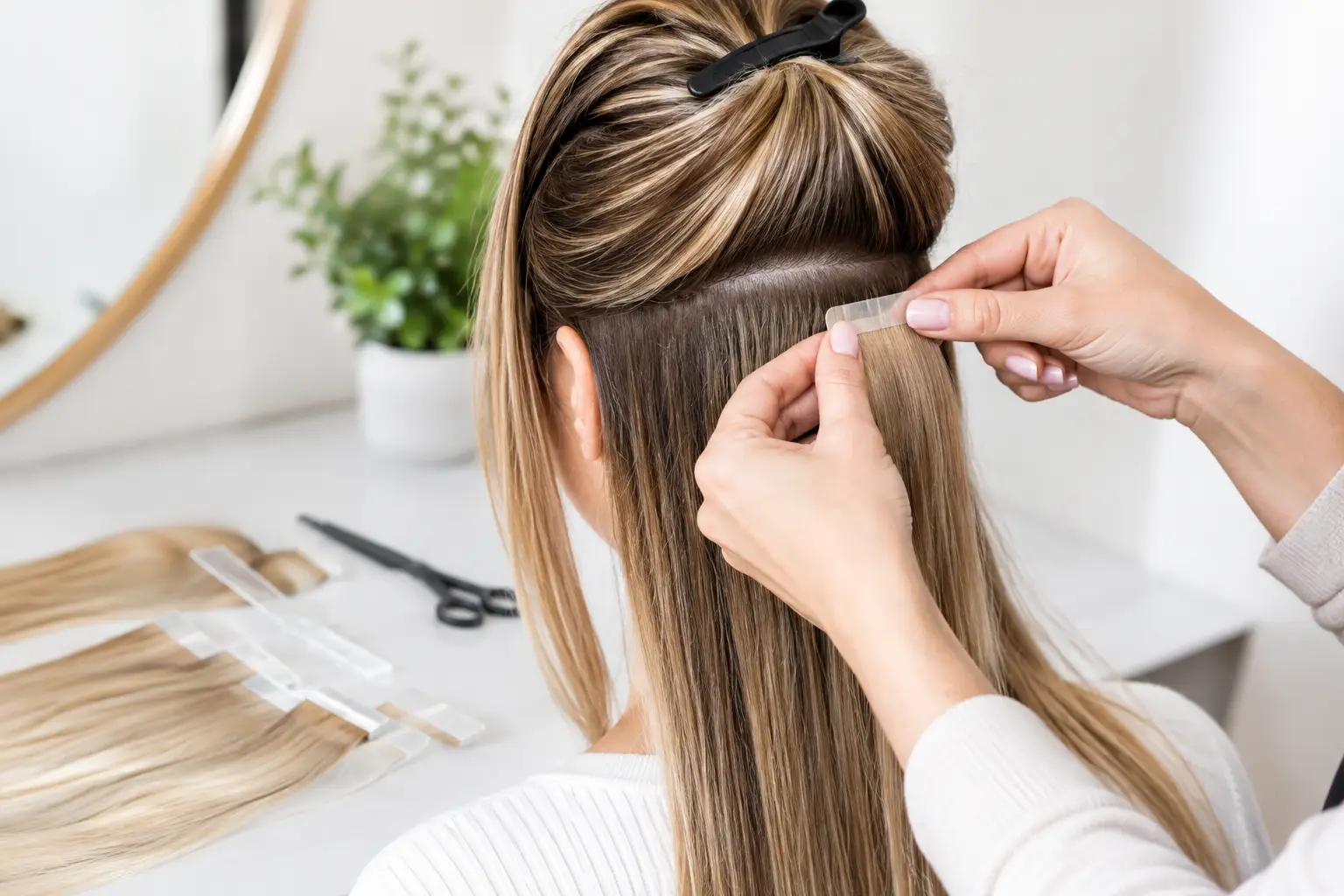
Learn how to install tape extensions with clean sections, secure sandwiches, and care tips for a natural, comfortable result that protects your hair.

Find the best shampoos for wigs, from gentle formulas for human hair to safe cleansers for synthetic fibers, plus tips for a fresh, lasting...
